
As climate threats accelerate, NASA’s exit from key research leaves a dangerous gap in global understanding.

NASA’s climate research program is facing catastrophic budget cuts that would slash Earth science funding nearly in half and shut down critical climate monitoring satellites. The proposed budget would cut NASA’s Science Mission Directorate from $7.3 billion to just $3.9 billion, eliminating key climate programs just as 2024 became the warmest year on record.
NASA is already planning to decommission premier satellite missions that track planet-warming pollution beginning as early as October. These cuts come at the worst possible moment – right when we need climate data most to understand and respond to accelerating global warming.
1. NASA is planning to shut down climate satellites that are already paid for

NASA is planning to decommission premier satellite missions that gather information on planet-warming pollution and other climate vital signs beginning as soon as October. These aren’t broken or outdated satellites – they’re functioning perfectly and have already been paid for by taxpayers. The decision to destroy working climate monitoring equipment is purely political rather than scientific or financial.
The Orbiting Carbon Observatory missions have already received funding from Congress through the end of the 2025 fiscal year, which ends September 30th. Scientists and farmers rely on this data for everything from tracking carbon emissions to monitoring crop conditions. Deliberately destroying functional satellites that provide critical climate information represents an unprecedented attack on climate science.
2. Climate research budget would be cut nearly in half

At NASA, the Earth-science budget would be cut in half, to just over $1 billion; that would almost certainly derail efforts to launch a fleet of new satellites to monitor factors crucial to weather and climate forecasting. The current Earth science program receives about $2.4 billion annually, making this one of the most dramatic budget cuts in NASA’s history.
This budget would halt the development of nearly every future climate mission, leaving massive gaps in our ability to monitor planetary changes. Climate science depends on continuous data collection from multiple satellites to track trends and provide early warning of dangerous changes. Cutting this funding in half would essentially blind us to critical climate information right when we need it most.
3. The timing couldn’t be worse – 2024 was the hottest year ever recorded

These budget cuts are being proposed just months after NASA scientists determined that 2024 was the warmest year on record, increasing about 2.65 degrees Fahrenheit compared to the mid-19th century average. We’re living through unprecedented climate change, yet the agency responsible for monitoring it is being gutted. This timing is either incredibly poor planning or deliberate sabotage of climate science.
The irony is staggering – just as NASA’s climate data proves that global warming is accelerating, politicians want to eliminate the programs that provide this essential information. Without NASA’s climate monitoring, we’ll have much less ability to track whether climate change is getting better or worse. It’s like destroying the thermometer during a fever.
4. Europe is doubling down on climate research while America retreats

While NASA’s budget shrinks, the European Space Agency is taking the opposite approach and expanding their Earth science programs. At recent climate conferences, European leaders have emphasized that “climate change is the defining challenge of our generation” while investing heavily in climate monitoring satellites and research programs.
This creates a dangerous situation where America – historically the leader in climate science – is abandoning the field just as other nations recognize its critical importance. European satellites will increasingly provide the climate data that American scientists and policymakers need to understand what’s happening to our planet. We’re essentially outsourcing our climate monitoring to other countries.
5. The cuts would eliminate NASA’s workforce by a third
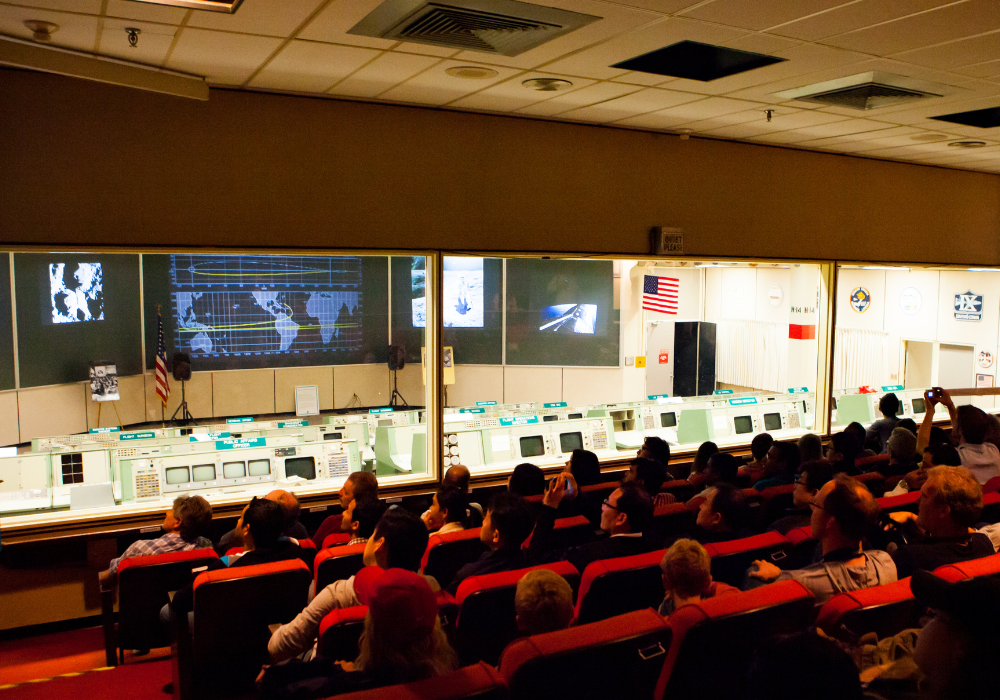
A new proposed federal budget slashes the agency’s Earth science division by nearly half and downsizes its workforce by a third. These aren’t just budget numbers – they represent the loss of some of the world’s leading climate scientists and engineers. Many of these experts have spent decades developing climate monitoring capabilities that will be impossible to quickly rebuild.
When you fire a third of NASA’s climate workforce, you’re not just losing current capabilities – you’re destroying institutional knowledge that took generations to build. These scientists understand how to design, launch, and operate the complex satellite systems that monitor Earth’s climate. Once this expertise is lost, it could take decades to rebuild even if funding is eventually restored.
6. Critical weather and climate forecasting would be crippled

The proposed cuts would derail efforts to launch a fleet of new satellites to monitor factors crucial to weather and climate forecasting, including aerosols, clouds and sea-level rise. These satellites don’t just help scientists study climate change – they’re essential for predicting hurricanes, tracking storms, and providing the weather forecasts that millions of people depend on daily.
Without these monitoring systems, weather prediction accuracy would decline significantly, affecting everything from agriculture to aviation safety. Emergency managers rely on satellite data to prepare for extreme weather events, and farmers use climate information to make planting decisions. The impacts of these cuts would extend far beyond climate science into everyday life and economic activities.
7. NASA would have its lowest budget since the early space program

Should the proposed cuts be implemented, NASA’s budget would fall to its lowest level since Alan Shepard became the first American in space in 1961. The budget proposes to cut NASA by nearly 25% in one year – that’s a larger single-year reduction than the agency has ever experienced. This would essentially undo six decades of progress in space-based Earth observation.
These aren’t minor budget adjustments – they represent a fundamental retreat from America’s leadership in space science and climate monitoring. NASA’s climate research capabilities took decades to build and have made the United States the global leader in understanding Earth’s climate system. Destroying this leadership position would have consequences that extend far beyond any single presidential administration.
8. The cuts target fundamental climate science research

Many of the proposed cuts target fundamental science research, funding fields like planetary science, astrophysics and heliophysics that are essential for understanding how climate systems work. This isn’t just about monitoring current conditions – it’s about eliminating the basic research that helps scientists understand why climate change is happening and how it might unfold.
Without fundamental climate research, we lose the ability to improve climate models, understand feedback loops, and predict future changes. This research provides the foundation for everything from climate adaptation planning to international climate negotiations. Cutting basic climate science is like trying to treat a disease without understanding how it works.
9. Climate monitoring gaps would last for years or decades
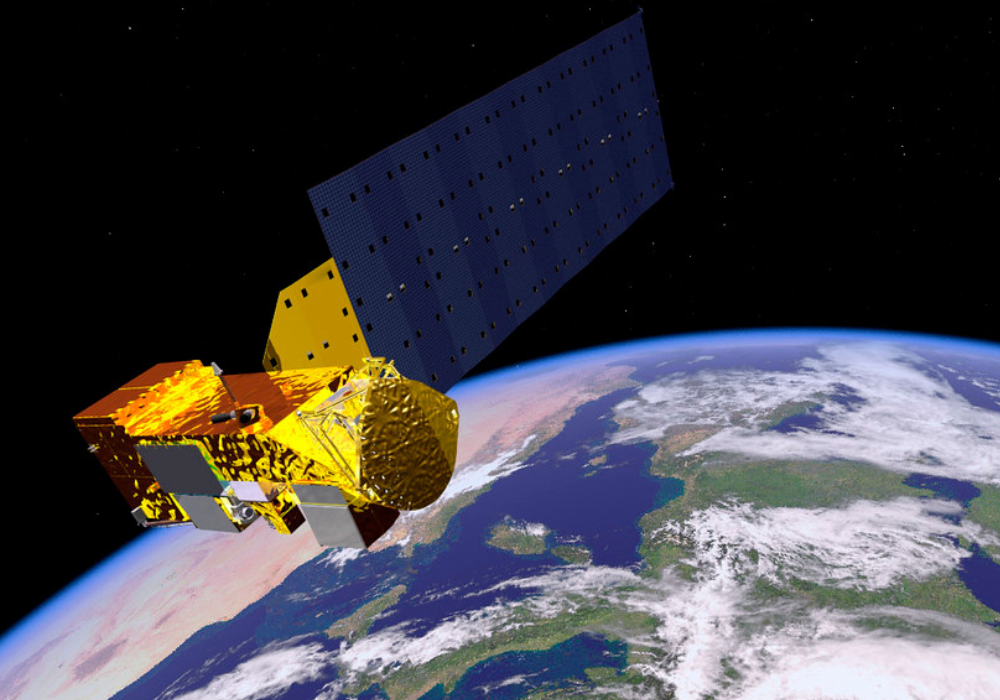
Once these satellite missions are terminated and research programs shut down, it would take years or decades to rebuild these capabilities even if funding is eventually restored. Satellite missions typically take 5-10 years to develop, build, launch, and calibrate. Climate research programs require continuity to track long-term trends and changes.
The proposed cuts would create data gaps in climate monitoring that could never be filled. Climate science depends on continuous observations to separate natural variability from human-caused changes. Even a few years without proper monitoring could leave permanent holes in our understanding of how the climate system is changing during this critical period.
10. International climate cooperation would suffer

NASA’s climate research programs are integral to international climate monitoring and cooperation. The agency shares data with climate scientists worldwide and participates in global climate assessment efforts. Cutting these programs would damage America’s ability to participate in international climate negotiations and scientific collaborations.
Other countries depend on NASA’s climate data for their own climate planning and adaptation efforts. When America retreats from climate monitoring, it undermines global efforts to understand and respond to climate change. This isolates the United States from international climate science efforts just when global cooperation is most needed to address the climate crisis.
11. The cuts ignore growing climate risks that require better monitoring

The proposed budget cuts ignore the reality that climate risks are increasing and require better monitoring, not less. As extreme weather becomes more frequent and severe, we need more sophisticated climate monitoring systems to provide early warnings and help communities prepare. Cutting climate research during a period of accelerating climate change is incredibly short-sighted.
Scientists are already struggling to keep up with the pace of climate change and its impacts on weather patterns, sea levels, and ecosystems. Reducing our monitoring capabilities during this critical period would leave us flying blind through one of the most dangerous periods in human history. These cuts prioritize short-term budget savings over long-term climate security and public safety.