
Most plant-based diets are missing key nutrients, but you don’t have to be.

Going plant-based is great for the environment, but if you’re not paying attention, your diet might be running on fumes. It’s not just about eating more vegetables—some of the most important nutrients for your body are harder to find without meat, dairy, or eggs. That means you could be dealing with low energy, brain fog, or weak immunity without realizing what’s missing.
You don’t need to overhaul your diet or live off supplements to stay healthy. A few simple food swaps can keep your body thriving while sticking to your plant-based goals. Some of these nutrients are hiding in unexpected places, while others just take a little strategy to get enough. If you want to avoid the biggest nutrient pitfalls of plant-based eating, here are 14 essentials you don’t want to miss—and exactly how to get them.
1. Without enough B12, your brain and energy levels take a serious hit.
This vitamin is non-negotiable. It protects your nervous system, prevents anemia, and keeps your memory in top shape. But here’s the problem—it’s mostly found in animal products. According to the National Institutes of Health, a deficiency can lead to fatigue, nerve damage, and cognitive issues, which is why many plant-based eaters unknowingly run low.
Luckily, it’s easy to fix. Fortified foods like nutritional yeast, plant-based milks, and cereals can help, but the safest option is a reliable B12 supplement. Your body stores this vitamin for a while, so you might not notice symptoms until it’s too late.
Louisa Richards at Plant Based News emphasizes that only B12-fortified foods and supplements are reliable sources for those on plant-based diets. Don’t wait until you’re running on empty—B12 is one nutrient you’ll want to plan for from the start.
2. Getting enough omega-3s takes more than just eating flaxseeds.
Brain function, heart health, and inflammation control all rely on omega-3 fatty acids, but the most effective form is found mainly in fish, according to The Nutrition Source at Harvard. That puts plant-based eaters at a disadvantage, as the body has to convert ALA (the omega-3 found in plants) into DHA—and it doesn’t do this very efficiently. Low omega-3 intake has been linked to dry skin, poor focus, and even an increased risk of heart disease.
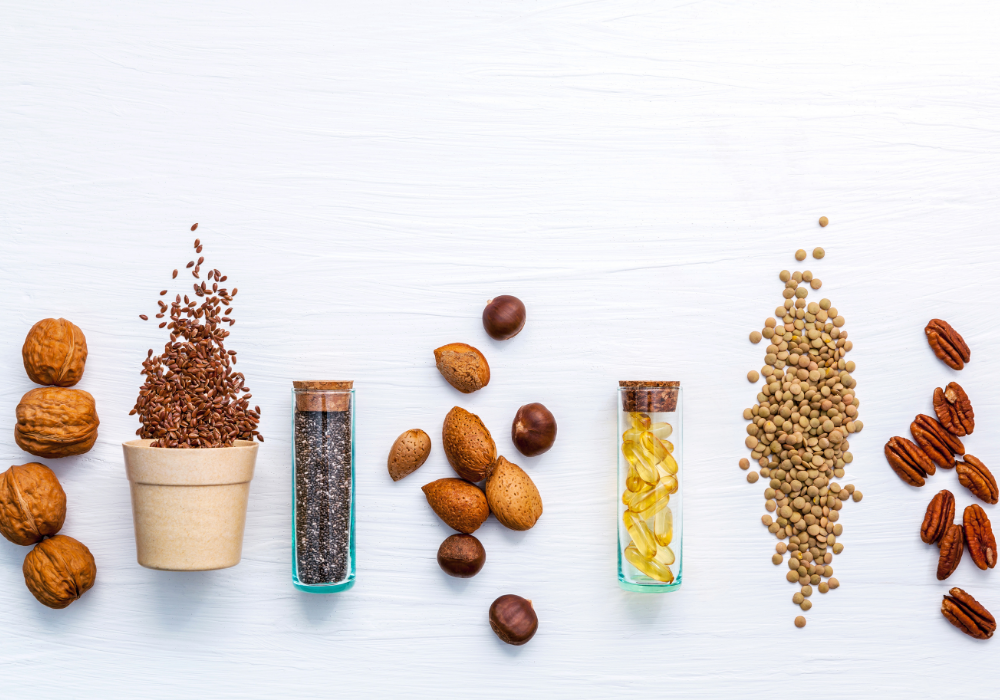
The best way to approach this is by focusing on the right plant-based sources. Flaxseeds, chia seeds, walnuts, and hemp seeds provide ALA, but if you want to be sure you’re getting enough DHA, an algae-based supplement is the best bet. Algae oil offers the same brain-boosting DHA as fish, just without the environmental impact or the fishy taste. Adding omega-3s to your daily routine could be a game changer for everything from your skin to your mental clarity.
3. Iron from plants doesn’t absorb as easily as the kind in meat.
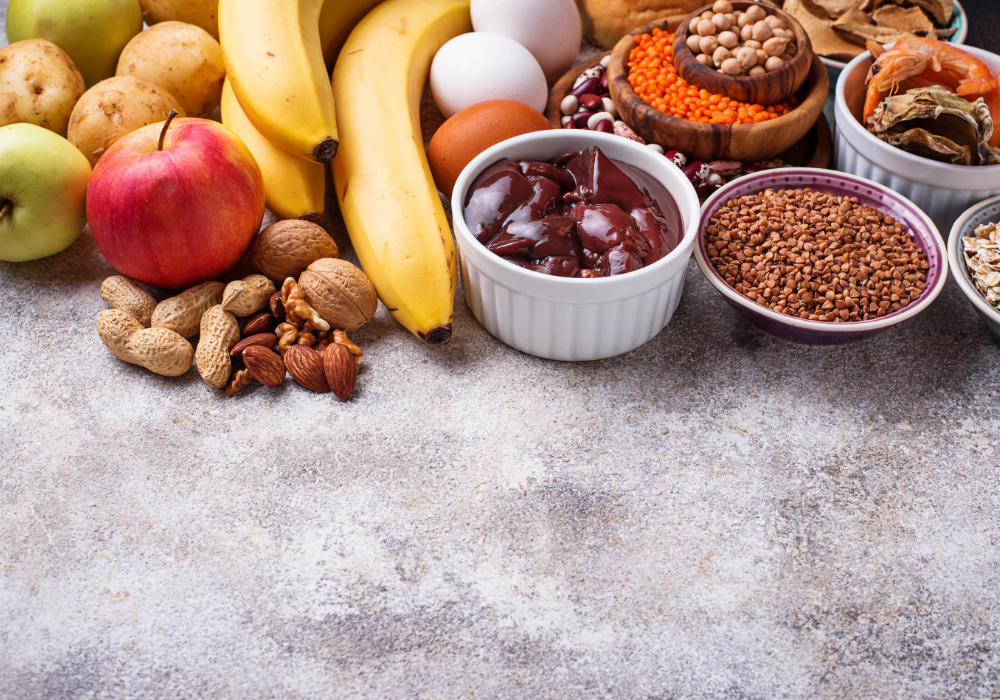
Your body needs iron to transport oxygen and maintain energy levels, but plant-based iron (non-heme iron) isn’t absorbed as efficiently as heme iron from animal sources. That means even if you’re loading up on lentils and spinach, you might still be running low. If you’re constantly tired or feeling dizzy, low iron could be the culprit.
The trick is pairing iron-rich foods with vitamin C to boost absorption. Think lentils with bell peppers or a tofu stir-fry with a squeeze of lemon. Verena Tan at Healthline reports that vitamin C enhances non-heme iron absorption, making it more available for your body. Also, try to avoid coffee and tea with meals since they can block iron uptake. If you tend to run anemic, getting your levels checked might be a smart move.
4. A strong immune system depends on zinc, but it’s easy to miss.

This essential mineral plays a major role in immunity, wound healing, and metabolism, but it’s often overlooked in plant-based diets. The best sources are typically found in meat and shellfish, while plant-based sources contain phytates—compounds that bind to zinc and make it harder to absorb. This means that even if you’re eating zinc-rich foods like legumes, nuts, and whole grains, your body might not be getting enough.
An easy fix is to prioritize the right foods and preparation methods. First, focus on zinc-rich plant foods like pumpkin seeds, chickpeas, lentils, and quinoa.
Soaking or sprouting these foods helps reduce phytates, making the zinc more bioavailable. If you get frequent colds, have slow wound healing, or struggle with hair loss, it could be a sign of low zinc levels. In that case, a small daily supplement could help bridge the gap.
5. Iodine is crucial for your thyroid, but most plant-based diets lack enough.
Keeping your thyroid healthy means making sure you get enough iodine, which directly affects metabolism and energy levels. Without it, you could experience fatigue, difficulty concentrating, and even weight gain. Since the best sources of iodine are dairy and seafood, plant-based eaters are at a higher risk of deficiency.
Seaweed is the top plant-based source of iodine, but there’s a catch—the amount varies wildly depending on the type and where it was grown. Some varieties contain too little, while others contain dangerously high levels. A safer bet is using iodized salt, but many people have switched to non-iodized options like sea salt or Himalayan salt without realizing they’re missing an essential nutrient. If you rarely eat seaweed or iodized salt, an iodine supplement can help keep your thyroid in balance.
6. Strong bones need more than just calcium from leafy greens.

Strong bones, muscle function, and nerve signaling all depend on calcium. While dairy is the most common source, plenty of plant-based foods contain calcium too. The problem?
Some plants contain compounds like oxalates that block calcium absorption, meaning your body doesn’t always get what’s listed on the label. Fortified plant milks, tofu made with calcium sulfate, tahini, and almonds are some of the best options. Dark leafy greens like kale and bok choy are also great choices, but don’t rely on spinach—it’s packed with calcium, but oxalates prevent your body from using most of it. If you’re skipping dairy, aim for a mix of these sources daily. Calcium is one of those nutrients that requires consistency, so make it a habit.
7. Brain fog and fatigue might mean you need more choline.
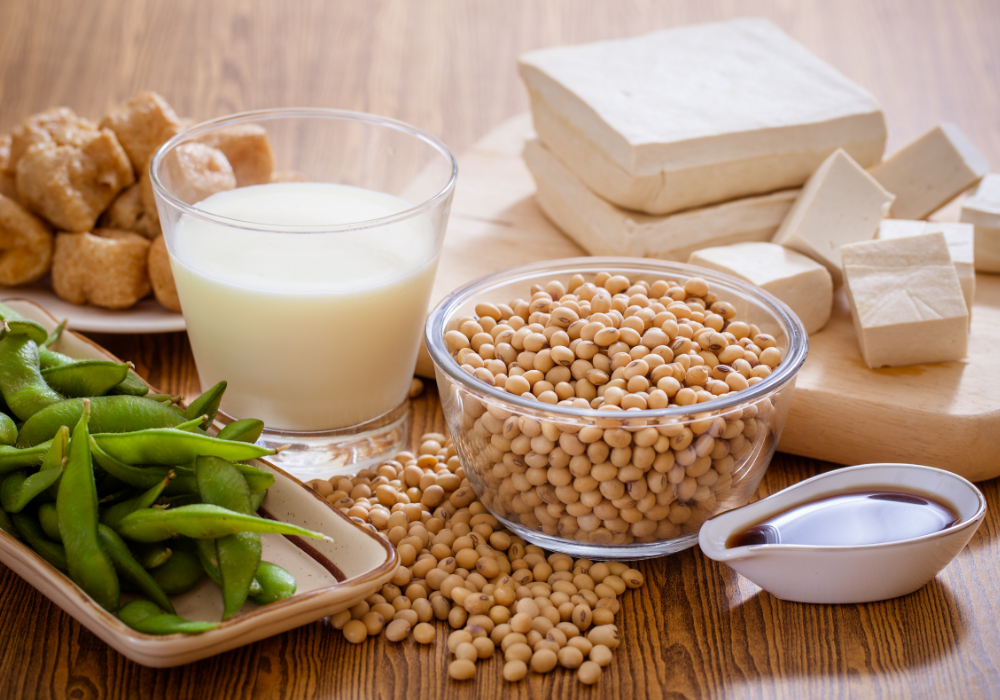
Mental clarity, memory, and muscle control all rely on choline, yet it’s often overlooked in plant-based diets. The richest sources are eggs and meat, which puts vegans at a disadvantage. Without enough, you might experience trouble focusing, muscle weakness, or sluggish energy levels.
Soy products, quinoa, peanuts, and broccoli do provide some choline, but it’s easy to fall short. Eating a variety of these foods daily can help, but if you’re still struggling, a choline supplement could be worth considering. Since this nutrient plays a role in liver function as well, it’s one more reason to make sure you’re getting enough.
8. Without enough vitamin D, your energy and immunity take a hit.

If you’re not getting enough sunlight, your vitamin D levels might be running low. This vitamin is crucial for calcium absorption, immune function, and mood stability, but most people—especially those living in colder climates—aren’t getting enough.
While some mushrooms produce vitamin D when exposed to sunlight, and fortified plant milks offer a boost, food alone probably won’t cut it. Studies show that nearly half of the population, including omnivores, has suboptimal vitamin D levels.
That’s why most health experts recommend taking a supplement, especially during winter months. If you go that route, choose a vegan-friendly D3 made from lichen rather than the less effective D2 found in most plant-based sources. If you’re constantly tired or dealing with achy bones, a simple vitamin D supplement might be the missing link.
9. A healthy thyroid relies on selenium, but getting enough is tricky.
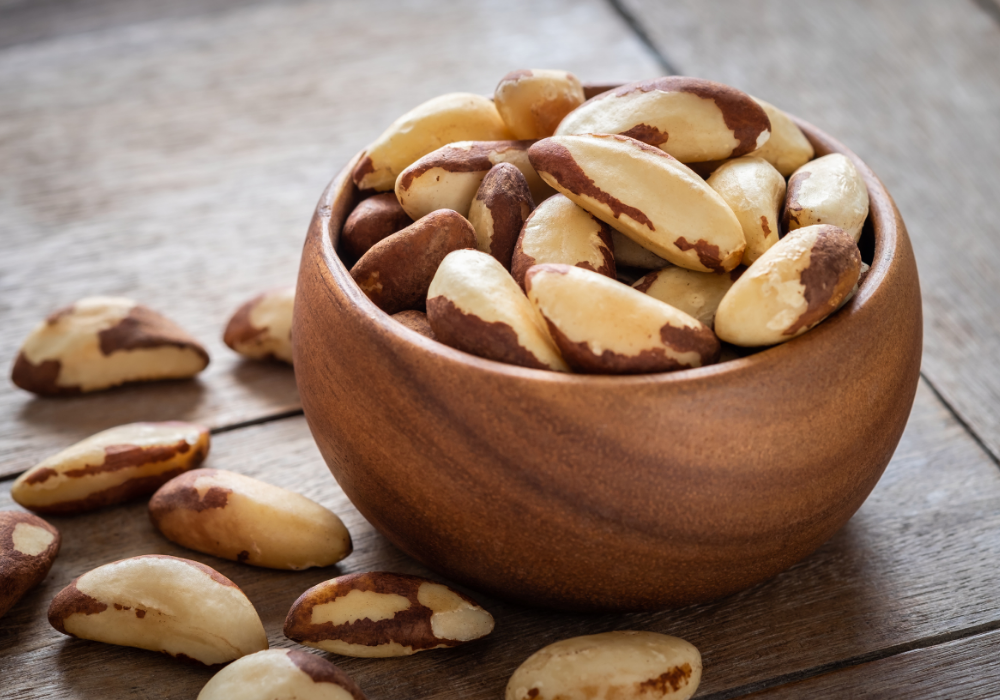
Your thyroid depends on selenium to function properly, and without enough, metabolism and energy levels can take a hit. This essential mineral also fights oxidative stress, protecting cells from damage. Since meat and seafood are the best sources, plant-based eaters need to be intentional about getting enough.
Brazil nuts are the easiest solution—just one or two a day provide your entire daily selenium needs. But if you’re not a fan, you can still get smaller amounts from whole grains, sunflower seeds, and mushrooms. Keep in mind that selenium levels in plant foods depend on the soil they’re grown in, so you may not always be getting as much as you think. If your energy levels are low, or you’re struggling with sluggishness, make sure selenium isn’t the missing piece of the puzzle.
10. Sleep, stress, and muscle recovery all depend on magnesium.
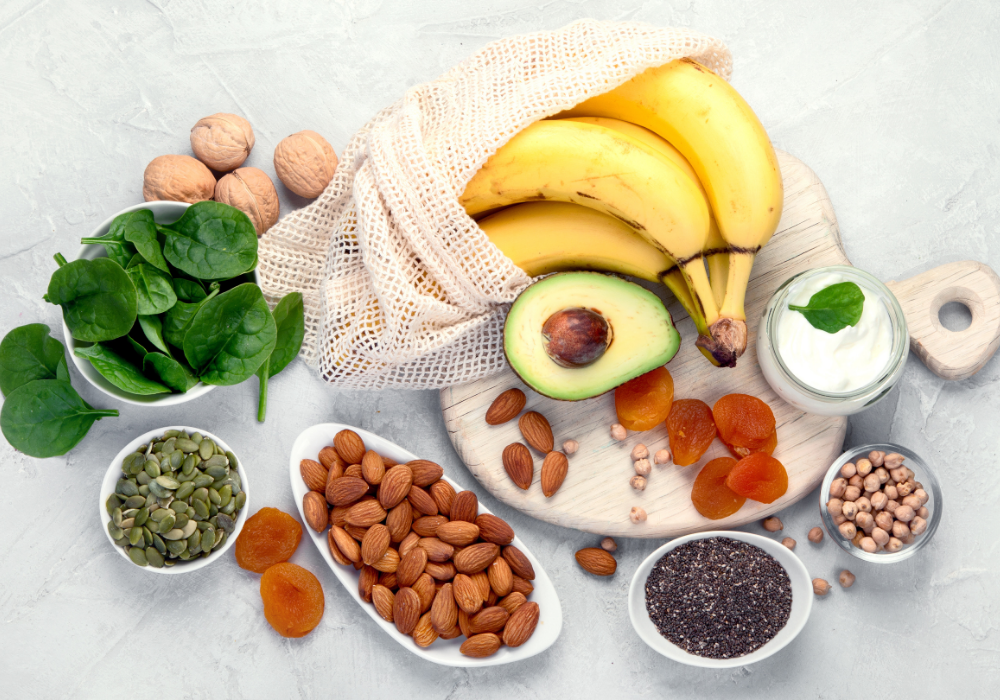
Magnesium is involved in over 300 bodily functions, from muscle relaxation to blood sugar control. If you’re feeling anxious, struggling with sleep, or dealing with muscle cramps, low magnesium might be the reason. Since processed foods strip away magnesium, and soil depletion has lowered its content in whole foods, even health-conscious eaters may not be getting enough.
Luckily, it’s easy to boost your intake. Pumpkin seeds, almonds, cashews, dark chocolate, and leafy greens like spinach and Swiss chard are excellent sources. However, because absorption varies, some people still fall short.
If you’re dealing with symptoms of deficiency—restless sleep, twitchy muscles, or high stress—consider adding a magnesium glycinate supplement. It’s one of the most absorbable forms and doesn’t cause digestive issues like magnesium oxide does.
11. Energy levels and hydration could suffer without taurine.

This amino acid supports brain function, hydration, and heart health, but it’s almost entirely absent from plant-based diets. Your body does produce some taurine on its own, but active individuals or those under stress may need more than what their body can generate.
There aren’t any reliable plant-based sources of taurine, but some energy drinks and supplements contain synthetic taurine, which is vegan-friendly. While it’s not classified as an essential nutrient, low levels may contribute to sluggish recovery after workouts or reduced cognitive function. If you often feel depleted, it’s something to keep on your radar.
12. A mix of plant proteins is the best way to meet your needs.

Getting enough protein on a plant-based diet is easy—if you mix up your sources. Unlike animal protein, which contains all nine essential amino acids, many plant-based sources lack one or more. That’s why relying too heavily on just one type of protein—like tofu or lentils—might leave you missing key amino acids.
The trick is to eat a variety of protein-rich foods throughout the day. Combine beans with whole grains, toss seeds onto salads, and experiment with tempeh, seitan, and quinoa. If you work out a lot or struggle to meet your needs, a plant-based protein powder can be a simple way to fill in the gaps. Just be sure to check the label—some brands sneak in artificial sweeteners or fillers that you don’t need. A well-balanced plant-based diet can provide plenty of protein, but a little planning goes a long way.
13. Keeping your bones and heart strong requires more than just vitamin K1.
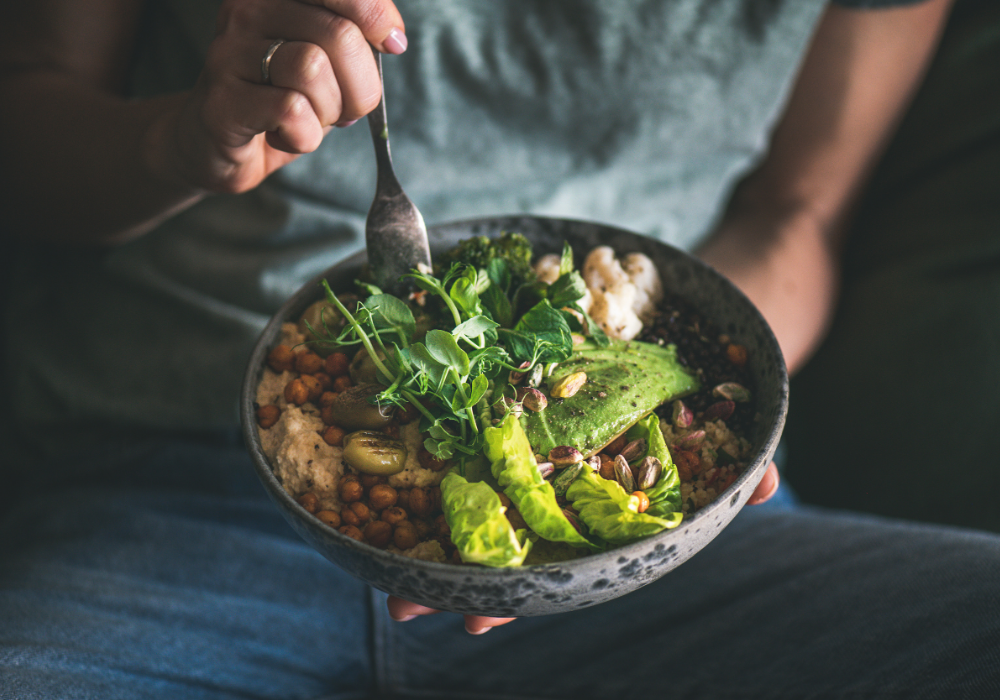
Vitamin K1 is easy to get from leafy greens, but K2—the form linked to better bone density and heart health—is mostly found in animal products. Without enough K2, calcium can end up in arteries instead of bones, increasing the risk of calcification.
The best plant-based source of K2 is natto, a fermented soybean dish that’s not for everyone. If that’s a hard pass, some vegan-friendly K2 supplements are now derived from fermented chickpeas. Pairing vitamin K2 with vitamin D and calcium can further support bone health, ensuring your body makes the most of these essential nutrients.
14. Your metabolism and energy levels depend on copper, but many diets fall short.

Copper plays a key role in red blood cell production, iron metabolism, and overall energy levels. Cashews, sesame seeds, sunflower seeds, lentils, and dark chocolate are all great sources, but balance is key—too little copper can lead to fatigue, while too much can cause toxicity.
Most people get enough copper from food alone, but if you often feel weak or lightheaded despite eating well, it may be worth checking your intake. Making small adjustments to include copper-rich foods in your diet can make a noticeable difference in your overall energy and well-being.