
Learn the key differences between climate change and global warming—and why mixing them up really matters.
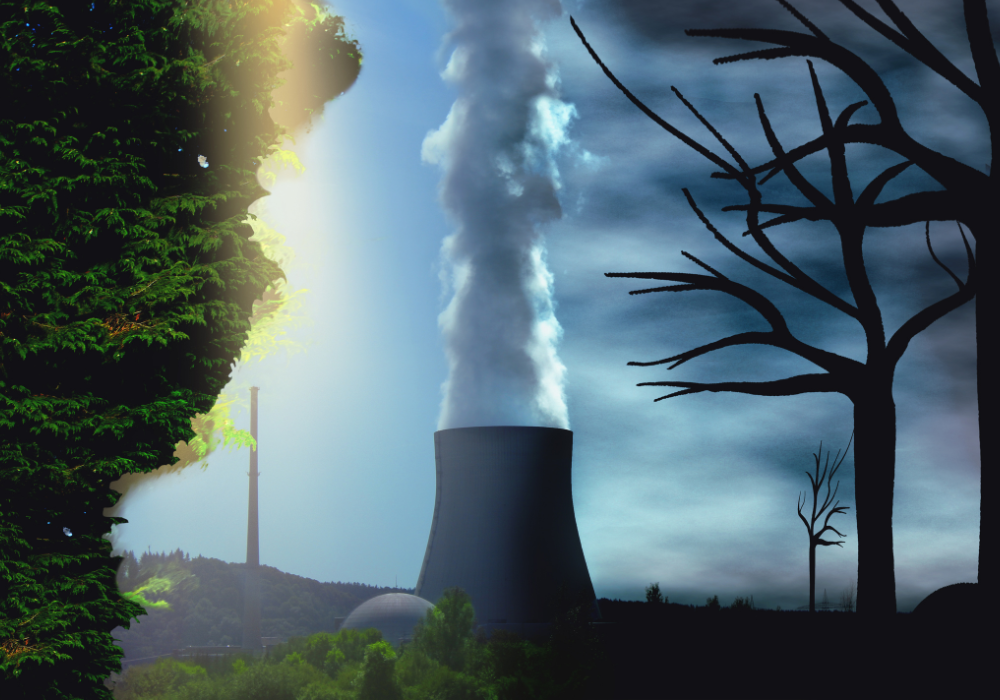
Most people use “climate change” and “global warming” interchangeably, but scientists cringe every time they hear it. While 48% of Americans report feeling confused about climate information, much of that confusion starts with not understanding these basic terms. Global warming is just temperature rise – the thermometer going up.
Climate change is everything else that happens as a result: droughts, floods, storms, rising seas, and ecosystem collapse. Getting this distinction wrong makes it harder to understand why scientists are so worried about our planet’s future.
1. Global warming is just about temperature – climate change is about everything else
“Global warming” refers to the rise in global temperatures due mainly to the increasing concentrations of greenhouse gases in the atmosphere, while “climate change” refers to everything else that happens as a result. Temperature is just one measurement, but climate encompasses precipitation, storms, seasons, and weather patterns. Think of global warming as the engine and climate change as all the different ways that engine affects the world.
Within scientific journals, global warming refers to surface temperature increases, while climate change includes global warming and everything else that increasing greenhouse gas amounts will affect. Scientists are specific about this distinction because temperature rise drives countless other changes throughout Earth’s systems. Every degree of warming triggers cascading effects across oceans, forests, agriculture, and human societies.
2. The media constantly mixes up these terms and confuses everyone
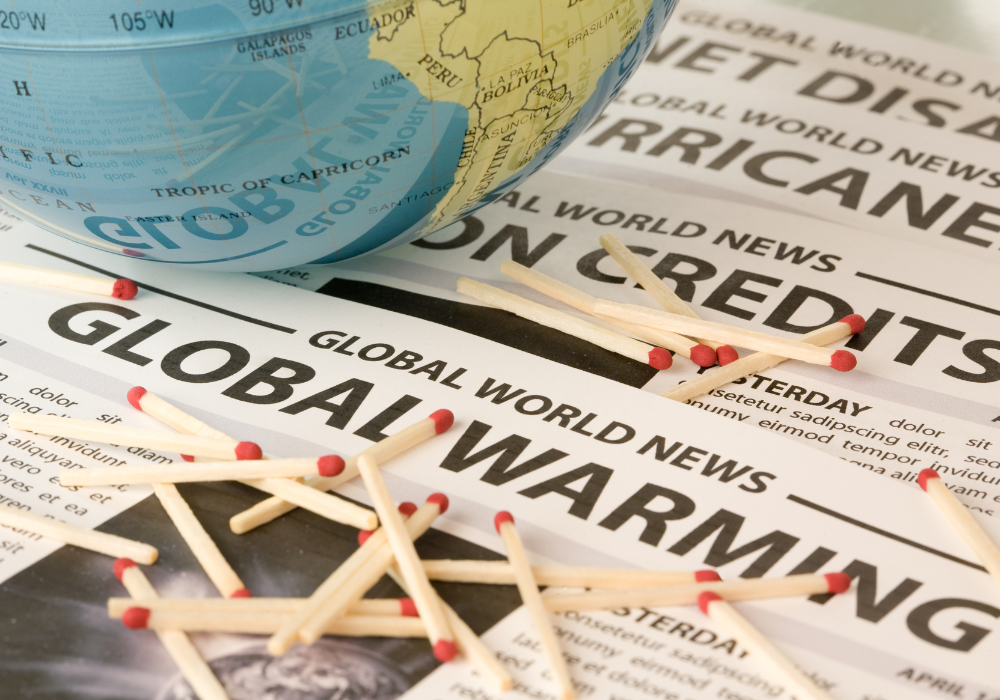
People often confuse the concepts of global warming and climate change, and it doesn’t help that media companies often substitute one for the other in TV, newspaper, and social media reporting. News outlets use whichever term sounds more dramatic or fits their headline better, creating public confusion about what scientists actually mean. This sloppy language makes climate science seem inconsistent when it’s actually very precise.
Climate experts say the terms are related but different and should be used carefully. When journalists interchange these terms randomly, it reinforces the mistaken idea that scientists can’t make up their minds about what’s happening. Clear communication requires using the right term for the specific phenomenon being discussed.
3. “Global warming” makes people think it’s just about getting warmer
“The term ‘global warming’ confuses people because it triggers thoughts about warmth, and it sort of lends itself to misinterpretation when it also impacts the cold,” said Mike Hulme, a professor at the University of Cambridge. People hear “warming” and think it just means nicer weather or longer summers. This misunderstanding makes them underestimate the seriousness of what’s actually happening to Earth’s climate systems.
The name “global warming” doesn’t capture the complexity of what rising temperatures actually cause. While average temperatures rise, some regions experience more extreme cold snaps, devastating storms, and unpredictable weather patterns. The warming part is just the beginning – it’s the trigger that sets off countless other changes throughout the climate system.
4. Climate change includes both warming and cooling in different places
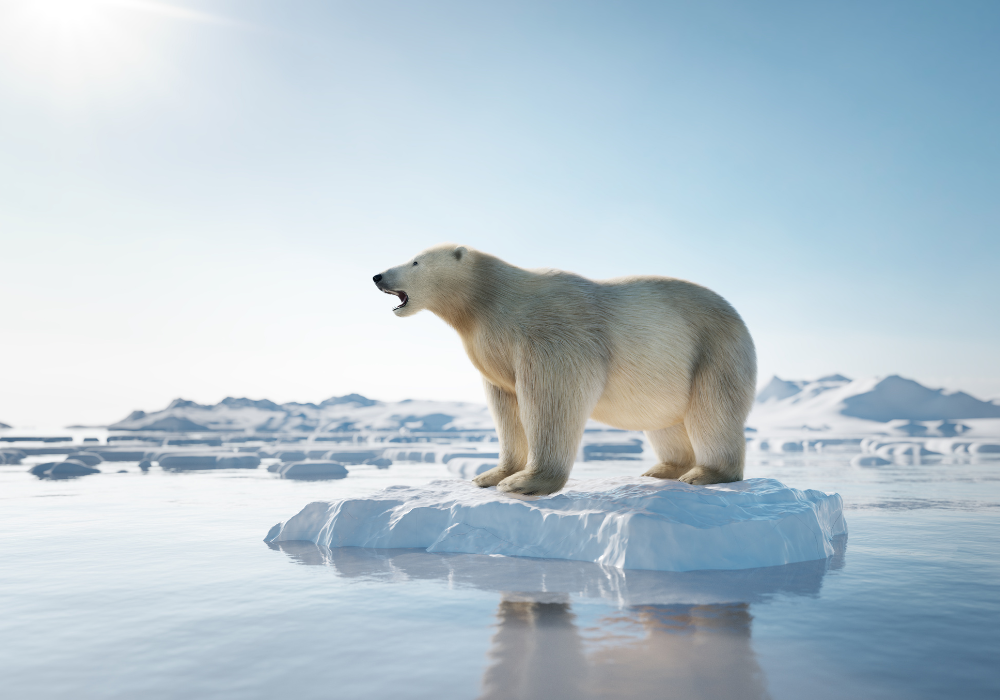
Global warming describes the rise in temperatures across the globe, while climate change accounts for a host of other transformations going on at the same time – largely, but not entirely, as a result of warmer temperatures. Some regions actually get colder as global temperatures rise because warming disrupts ocean currents and atmospheric patterns. Europe could experience cooling if Arctic warming shuts down the Gulf Stream that currently keeps it warm.
This is why “climate change” is more accurate than “global warming” when describing what’s happening worldwide. The planet’s average temperature is rising, but individual locations might experience cooling, more extreme weather, or completely different seasonal patterns. Climate change captures this complexity while global warming sounds like everywhere just gets warmer.
5. Scientists prefer “climate change” because it’s more comprehensive
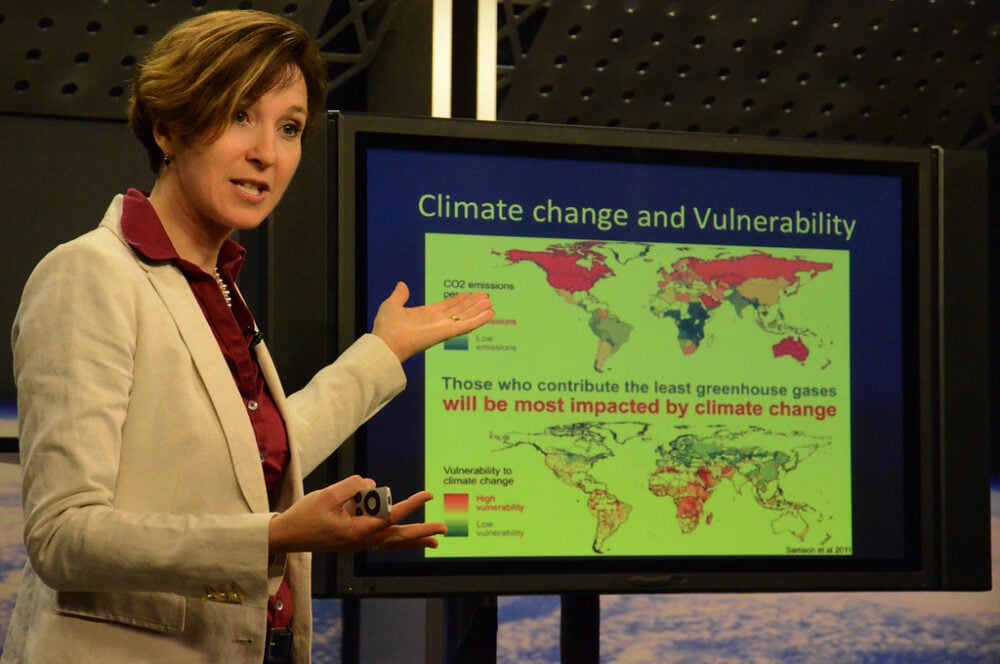
Present-day climate change includes both global warming – the ongoing increase in global average temperature – and its wider effects on Earth’s climate system. When scientists talk about climate change, they’re referring to the entire package of changes happening to Earth’s systems. Global warming is just one component of the much larger transformation taking place.
“Climate change” and “global warming” are often used interchangeably but have distinct meanings, similar to how the terms “weather” and “climate” are sometimes confused though they refer to events with different spatial and timescales. Scientists prefer precision in their language because accuracy matters when communicating about planetary-scale changes that will affect billions of people.
6. The political history of these terms matters for public understanding
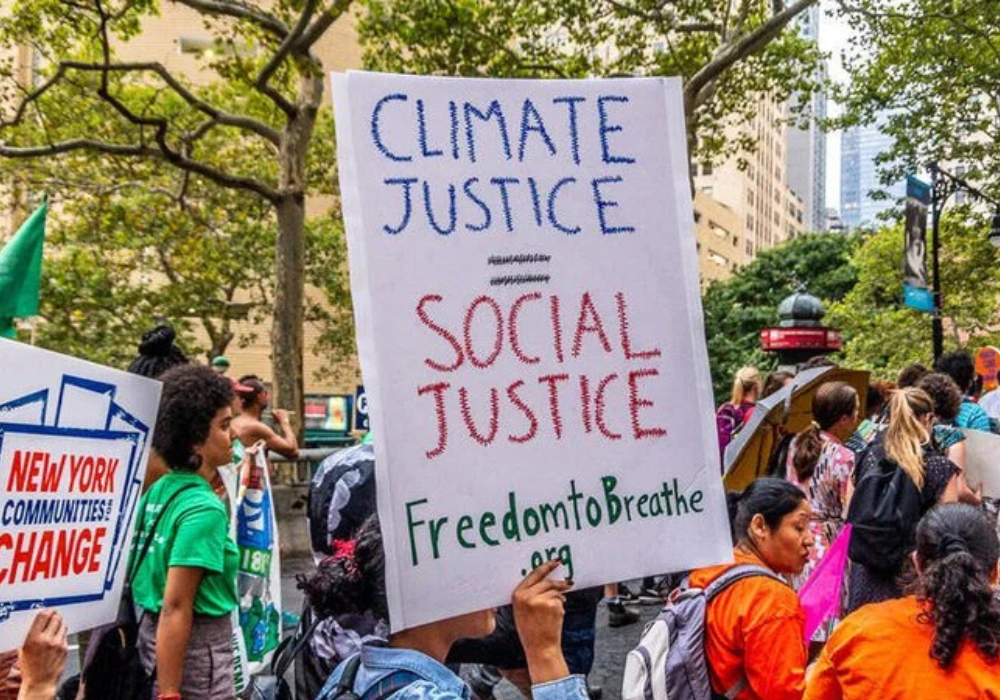
The shift from “global warming” to “climate change” in public discourse wasn’t just scientific – it was partly political. Some politicians preferred “climate change” because it sounded less alarming than “global warming.” Others argued that “global warming” was more direct about the human cause. This political manipulation of language has contributed to public confusion about what scientists actually mean.
When scientists or public leaders talk about global warming these days, they almost always mean human-caused warming – warming due to the rapid increase in carbon dioxide and other greenhouse gases from people burning coal. The term has become associated specifically with human-caused temperature rise, while climate change can refer to both natural and human-caused changes to Earth’s climate systems.
7. Most Americans feel confused about climate information partly because of this terminology

Climate change is not an easy subject for all Americans to make sense of: 48% report feeling confused about all the information out there on the issue. When basic terms are used inconsistently, it creates a foundation of confusion that makes everything else harder to understand. People can’t build accurate mental models of climate science when the fundamental vocabulary keeps shifting.
This confusion isn’t accidental – it’s partly the result of deliberate misinformation campaigns that exploit linguistic ambiguity. When people don’t understand the difference between these terms, they’re more susceptible to arguments that climate science is uncertain or contradictory. Clear definitions help people evaluate climate information more accurately.
8. Understanding the difference helps explain why scientists are so concerned
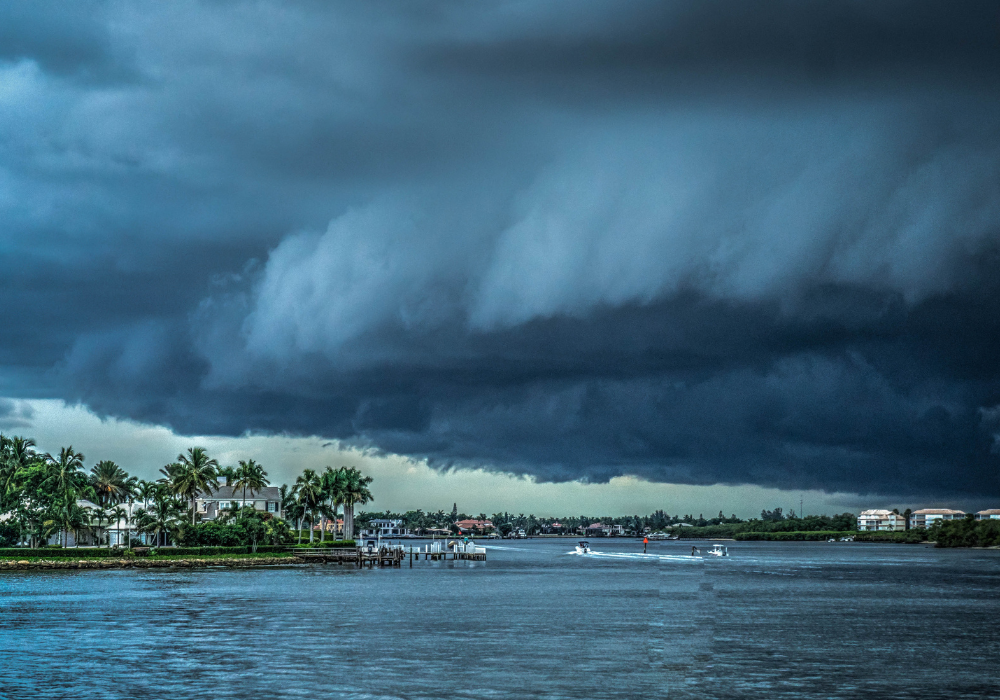
When you understand that global warming is just the temperature part, it becomes clearer why scientists are worried about relatively small temperature increases. A 2°C rise in global temperature might not sound like much, but it triggers massive changes in precipitation, storms, sea levels, and ecosystems worldwide. The temperature change is just the beginning of a cascade of climate changes.
Climate change encompasses all the ways that warming temperatures disrupt established patterns that human civilization depends on. Agriculture, water supplies, coastal cities, and natural ecosystems are all adapted to historical climate patterns. Even small changes in global temperature can cause massive disruptions to these interconnected systems.
9. The terms matter for understanding climate solutions differently
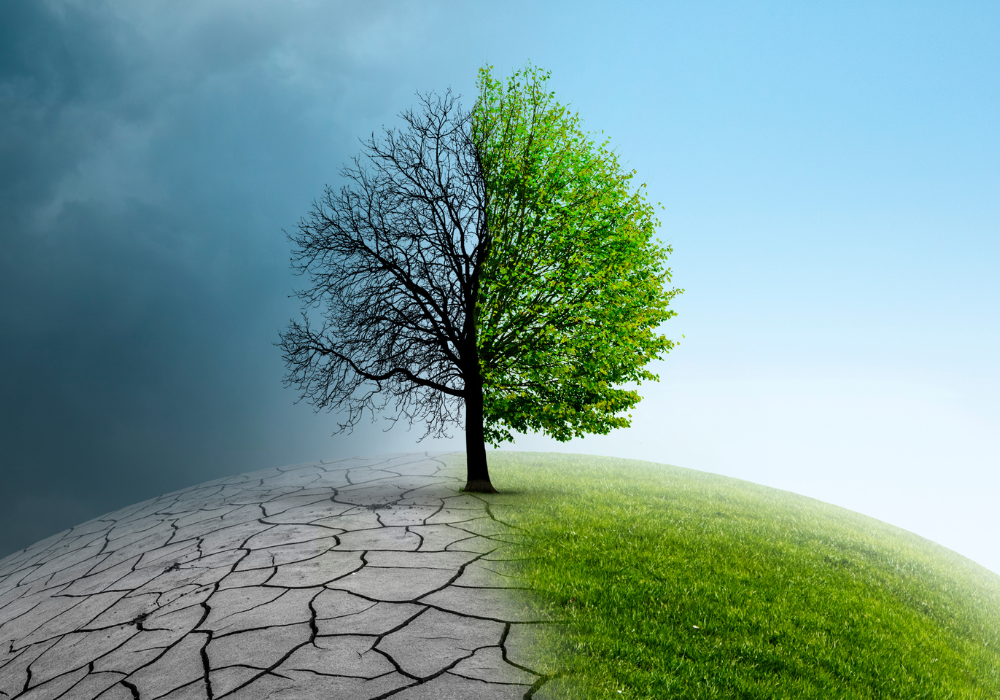
Global warming solutions focus on reducing greenhouse gas emissions to slow temperature rise. Climate change solutions include emissions reductions plus adaptation to changes that are already inevitable. Understanding this distinction helps explain why scientists talk about both “mitigation” (preventing warming) and “adaptation” (dealing with changes).
When people only think about global warming, they might assume that stopping emissions will immediately solve all climate problems. But climate change includes long-term shifts that will continue even if we stopped all emissions tomorrow. Comprehensive climate action requires addressing both the temperature rise and all its downstream effects on human and natural systems.
10. Regional climate impacts vary dramatically despite global warming trends

Global warming refers to planetary averages, but climate change describes how those averages translate into local impacts. The Arctic is warming much faster than the global average, while some tropical regions are experiencing more extreme rainfall patterns. Desert regions might become even drier while other areas flood more frequently.
This is why communities need to understand climate change rather than just global warming when planning for the future. Your local climate impacts might include drought, flooding, heat waves, or stronger storms – changes that go far beyond just warmer temperatures. Regional climate change affects agriculture, infrastructure, and public health in ways that global temperature averages don’t capture.
11. Both terms describe the same underlying crisis from different angles
Despite the important distinctions, both terms describe the same fundamental crisis facing humanity. Global warming due to human activities is driving broader climate change that threatens ecosystems, agriculture, coastal cities, and human societies worldwide. The terminology matters for precision, but the underlying reality is that human activities are destabilizing Earth’s climate systems.
Understanding both terms helps people grasp both the cause (greenhouse gases warming the planet) and the effects (widespread changes to climate patterns). Whether you call it global warming or climate change, the message is clear: human activities are altering Earth’s climate in ways that will have profound consequences for future generations. The scientific evidence is overwhelming regardless of which term you prefer.