
Decades ago, Presidents Carter and Gore sounded alarms on climate change—warnings that are proving all too real today.
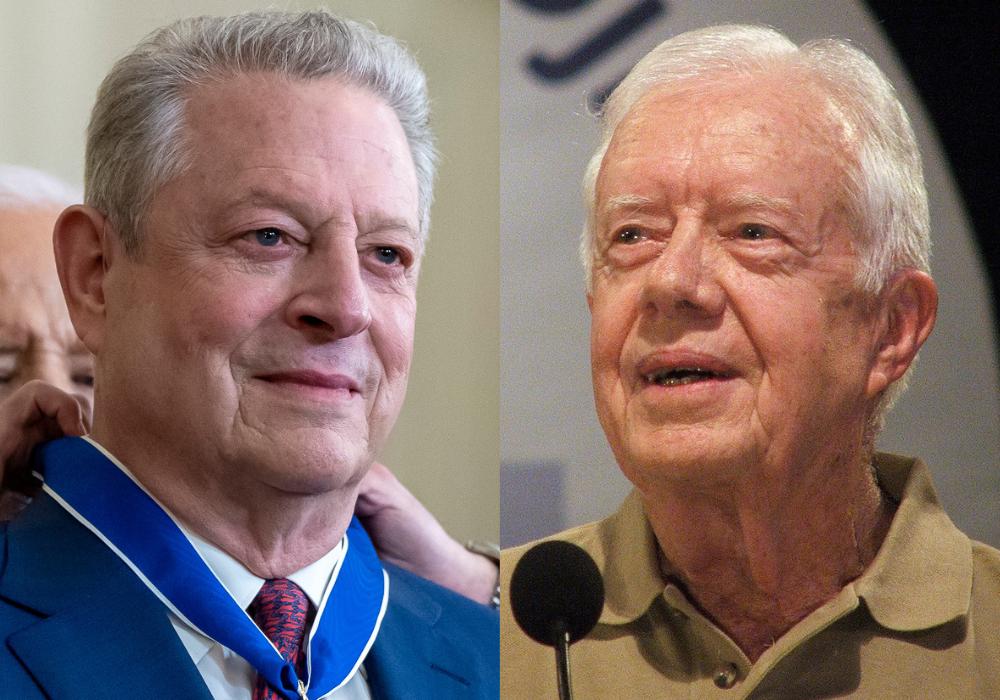
Back in the 1970s and 1980s, Jimmy Carter was talking about solar panels and global warming while most Americans were focused on gas lines and the Cold War. Al Gore spent the 1990s warning about melting ice caps and rising seas while critics rolled their eyes and called him an alarmist. Both politicians took massive political heat for pushing environmental issues that seemed abstract and far-fetched to most voters.
Fast-forward to today, and their “crazy” predictions are looking pretty spot-on. Carter’s administration suggested limiting global temperature rise to 2°C above preindustrial levels – the exact target adopted by world leaders 35 years later in the Paris Agreement. Average global temperatures have indeed broken records in the subsequent three decades, just like Gore warned they would. These two politicians were basically climate prophets, but nobody wanted to listen to what they were saying at the time.
1. Carter predicted the 2°C warming limit that became the global standard
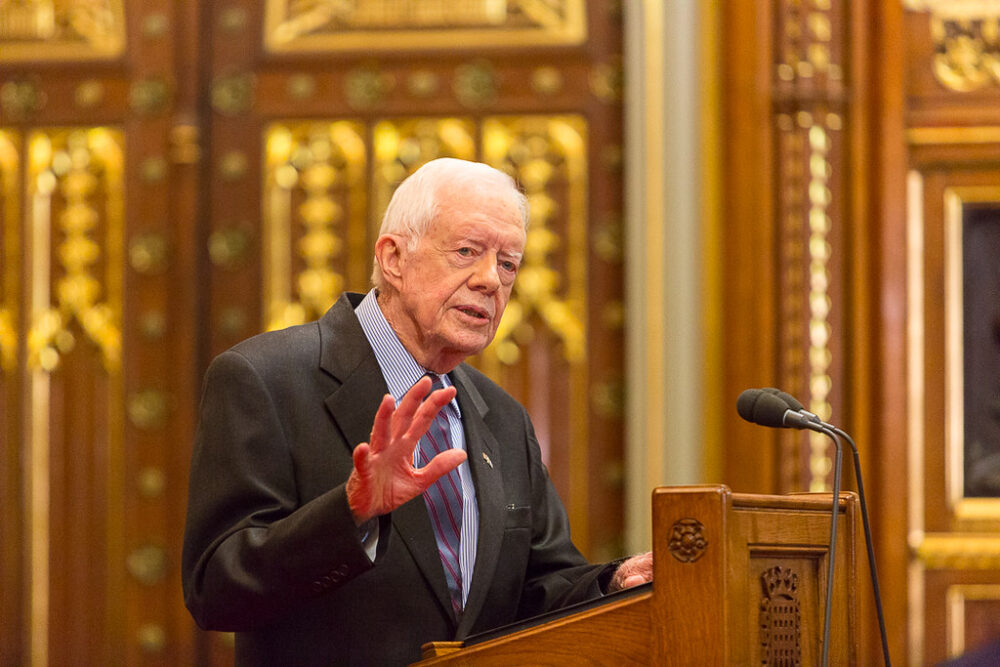
Jimmy Carter’s administration was the first to suggest that global temperature increases should be limited to 2°C above preindustrial levels. This recommendation came from a 1979 White House Council on Environmental Quality report that most people ignored at the time. Critics thought it was government overreach and unnecessary regulation.
Thirty-five years later, nearly every country in the world agreed to this exact same temperature target in the Paris Climate Agreement. Carter’s recognition of the climate threat in the 1970s was prescient and based on sound scientific evidence that existed even at that time. What seemed like an arbitrary number in 1979 is now the foundation of international climate policy.
2. Gore warned about record-breaking temperatures that are now our reality

In the 1990s, Al Gore was predicting that global temperatures would soar to unprecedented levels within decades. Most people thought he was being dramatic and exaggerating the threat for political gain. The idea that the planet could warm so dramatically in such a short time seemed ridiculous to many Americans.
Average global temperatures would indeed go on to break records in the subsequent three decades, exactly as Gore predicted. We’re now living through the hottest years on record, with temperature records being shattered regularly. Gore’s “alarmist” predictions about temperature increases have turned out to be conservative compared to what we’re actually experiencing.
3. Carter pushed renewable energy when everyone thought it was a waste of money
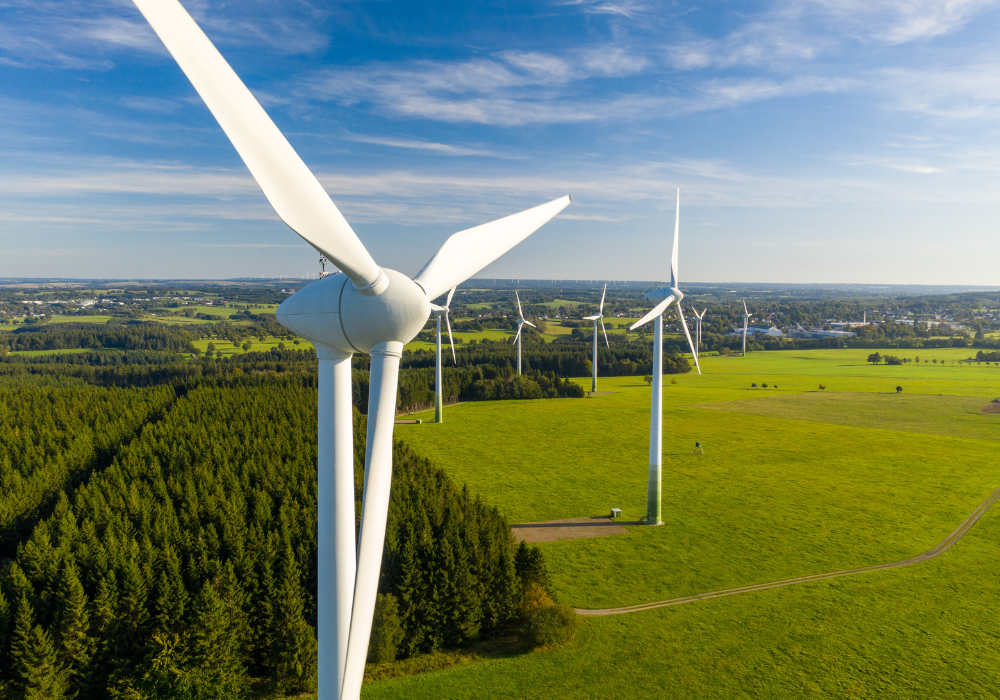
Jimmy Carter installed solar panels on the White House roof and championed renewable energy development at a time when most Americans thought it was hippie nonsense. He created tax incentives for solar power and wind energy that were widely criticized as government waste. People mocked the idea that alternative energy could ever replace oil and coal.
Carter’s plans for a renewable energy transition was a road not taken that would have put us in a far better place than where we currently stand. Today, renewable energy is the fastest-growing sector of the energy industry, and solar power is now cheaper than fossil fuels in many markets. Carter’s “wasteful” spending on clean energy looks like genius-level foresight now.
4. Gore’s ice cap warnings seemed ridiculous until they started disappearing
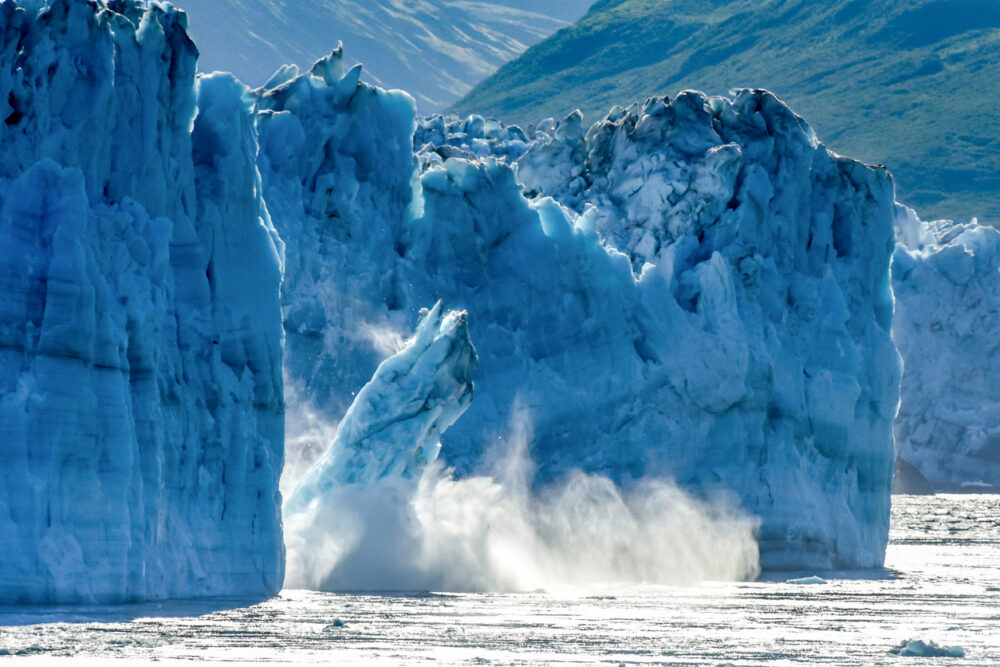
Al Gore faced enormous ridicule for predicting that polar ice caps would dramatically shrink due to global warming. Critics said ice had been there for millions of years and wasn’t going anywhere. The idea that human activity could melt massive ice sheets seemed laughable to many people in the 1990s.
Arctic sea ice has been declining at a rate of about 13% per decade since satellite records began, and Antarctic ice sheets are losing mass at accelerating rates. While some of Gore’s specific timelines were off, the overall trend he predicted is happening faster than even he anticipated. The ice caps really are disappearing, just like he warned they would.
5. Carter warned about energy independence when gas was cheap
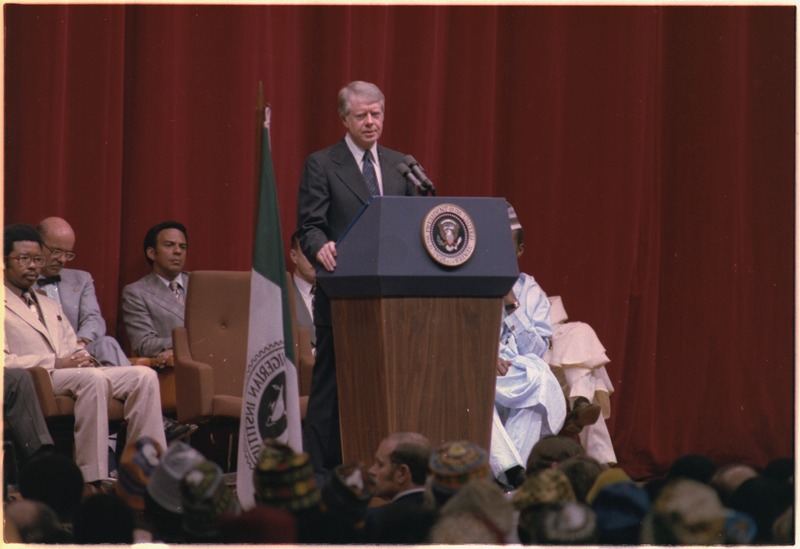
During his presidency, Carter urged Americans to reduce their dependence on foreign oil and invest in domestic energy alternatives. This seemed unnecessary to most people because gas prices were relatively stable, and the idea of an energy crisis felt distant. Critics said he was creating problems that didn’t exist and hurting the economy with unnecessary regulations.
Every major geopolitical crisis since then has proven Carter right about energy independence. From the Gulf War to the Ukraine conflict, oil price spikes and supply disruptions have repeatedly reminded Americans how vulnerable we are to foreign energy control. Carter’s push for energy self-sufficiency wasn’t paranoid – it was strategic planning that could have saved the country billions of dollars and countless headaches.
6. Gore predicted extreme weather events that now dominate the news

In the 1990s and early 2000s, Al Gore warned that climate change would lead to more frequent and severe hurricanes, floods, droughts, and heat waves. Most people thought he was fearmongering because extreme weather had always existed. The idea that human activity could actually change weather patterns seemed far-fetched to the average person.
Now extreme weather events are breaking records constantly and dominating news cycles. We’re seeing unprecedented hurricanes, deadly heat domes, catastrophic floods, and historic droughts happening with frightening regularity. Gore’s predictions about weather extremes weren’t alarmist – they were actually conservative compared to the climate chaos we’re experiencing today.
7. Carter pushed conservation when Americans thought resources were unlimited

Jimmy Carter encouraged Americans to lower their thermostats, drive less, and use energy more efficiently. This message was deeply unpopular because most people believed America had unlimited resources and that conservation was for poor countries. Critics said his conservation message was un-American and would hurt economic growth.
Today, energy efficiency is a massive industry worth billions of dollars, and conservation is considered smart economics rather than sacrifice. Carter understood that wasting resources was ultimately wasteful spending, and that efficiency could save money while reducing environmental impact. His conservation message wasn’t about deprivation – it was about being smarter with resources that aren’t actually unlimited.
8. Gore warned about sea level rise when coastal flooding was rare
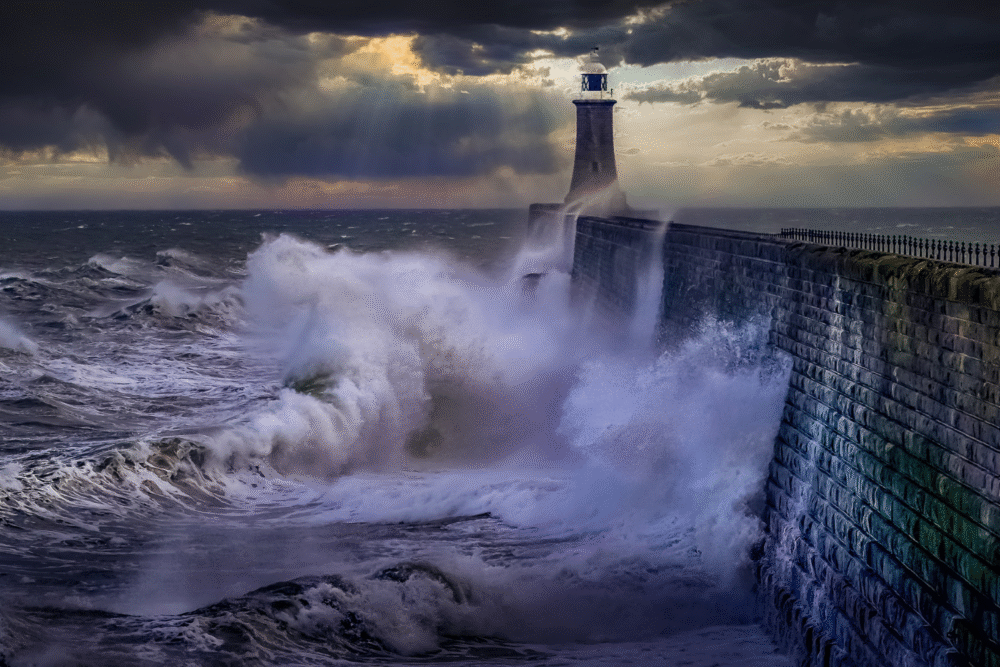
Al Gore predicted that rising global temperatures would cause thermal expansion of seawater and melting ice sheets, leading to significant sea level rise. This seemed like a distant, theoretical problem to most Americans living in coastal areas. Regular flooding from sea level rise rather than storms was almost unheard of in most coastal communities.
Now “sunny day flooding” is a regular occurrence in cities like Miami, Norfolk, and Charleston, where high tides routinely flood streets and parking lots. Sea levels have risen about 8-9 inches since 1880, and the rate of increase is accelerating. Gore’s warnings about coastal flooding have become the new normal for millions of Americans living near the ocean.
9. Carter invested in solar technology when it was considered a joke
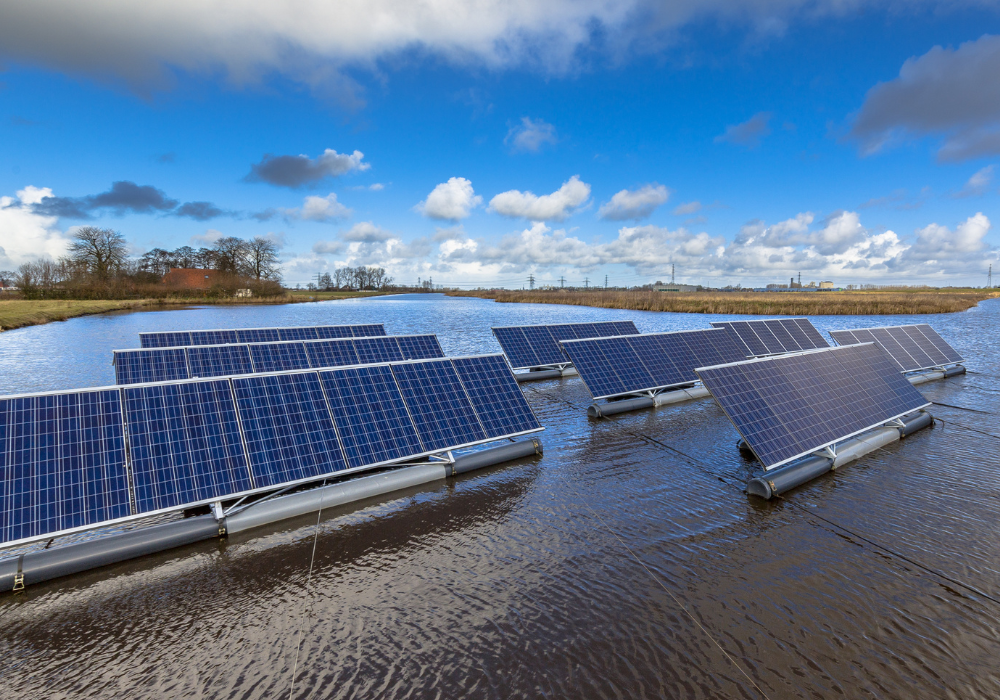
Jimmy Carter championed solar energy research and development when the technology was expensive, inefficient, and widely ridiculed. Most Americans thought solar panels were toys for environmentalists and could never power real homes or businesses. The idea of getting electricity from sunshine seemed impractical and unrealistic.
Solar power is now the cheapest form of electricity in many parts of the world, and solar installations are growing exponentially every year. Carter’s investment in solar research helped lay the groundwork for technologies that are now revolutionizing the energy industry. What seemed like a waste of taxpayer money in the 1970s turned out to be one of the best investments America ever made.
10. Gore predicted droughts that are now destroying agricultural regions
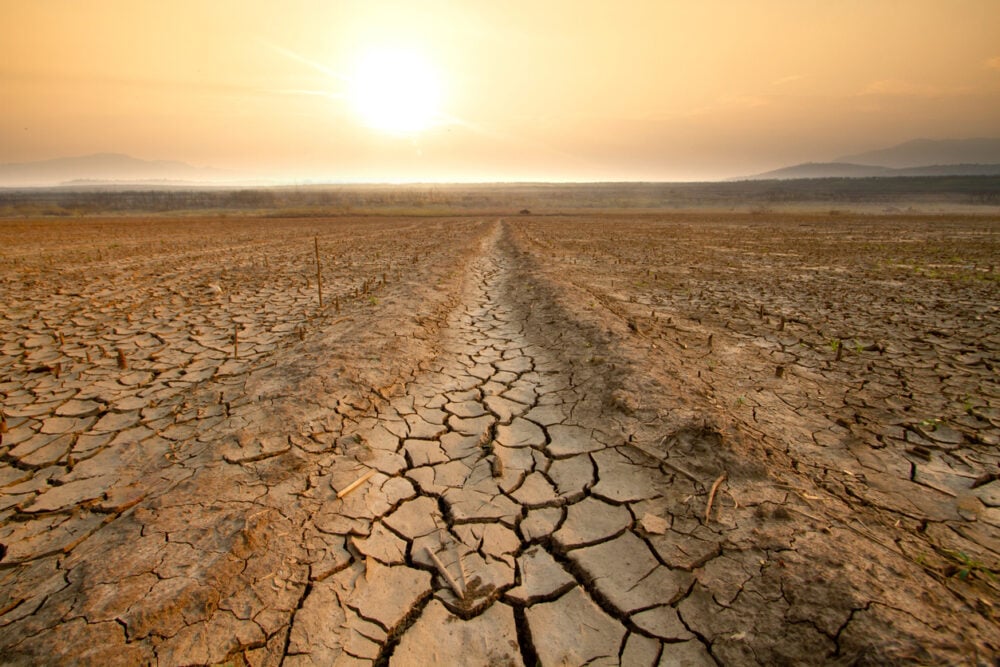
Al Gore warned that climate change would intensify drought conditions in many agricultural regions, threatening food production and water supplies. This prediction seemed overblown to farmers and rural communities who had dealt with occasional droughts throughout history. The idea that human activity could permanently alter rainfall patterns was hard for many people to accept.
The American West is now experiencing its worst drought in over 1,000 years, with major rivers and reservoirs hitting record low levels. Agricultural regions are struggling with water shortages, and some areas are seeing permanent changes to their water availability. Gore’s drought predictions weren’t just accurate – they were actually understated compared to the severity of what we’re experiencing now.
11. Carter promoted electric vehicles when they seemed impossible
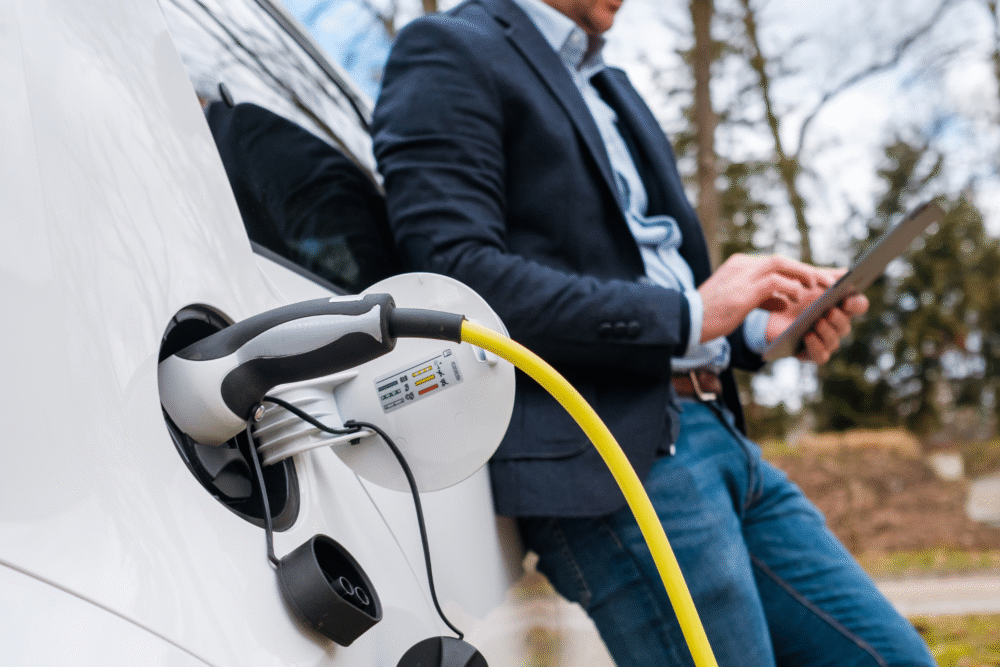
Jimmy Carter supported research into electric vehicle technology and alternative transportation during the late 1970s energy crisis. Most Americans thought electric cars were science fiction and that gasoline engines would always dominate transportation. The technology seemed decades away from being practical for everyday use.
Electric vehicles are now the fastest-growing segment of the auto industry, with major manufacturers committing to all-electric lineups within the next decade. Carter understood that transportation would eventually need to move away from oil dependence, and his early support for EV research helped establish the foundation for today’s electric vehicle revolution. His vision for clean transportation was just 40 years ahead of its time.
12. Gore warned about feedback loops that are now accelerating climate change
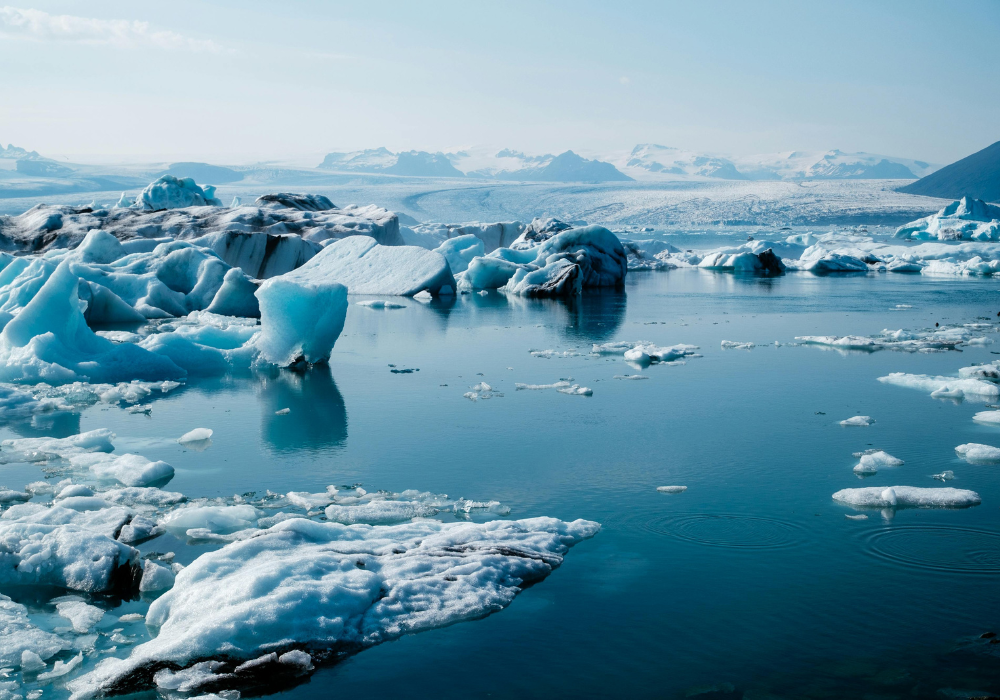
Al Gore explained how climate change creates feedback loops – like melting ice reducing the planet’s ability to reflect sunlight, which causes more warming and more melting. This concept seemed too complex and theoretical for most people to worry about. Critics said these feedback mechanisms were unproven speculation rather than real science.
These feedback loops are now clearly observable and accelerating climate change faster than scientists initially predicted. Arctic ice loss is exposing dark ocean water that absorbs more heat, permafrost melting is releasing stored carbon, and forest fires are turning carbon sinks into carbon sources. Gore’s warnings about these self-reinforcing cycles weren’t theoretical – they were previews of the climate system spinning out of control.
13. Carter’s energy policies could have prevented decades of climate damage

Jimmy Carter created comprehensive energy policies focused on conservation, renewable energy development, and reducing oil dependence. These policies were largely dismantled by subsequent administrations who prioritized short-term economic growth over long-term environmental planning. Many Americans thought Carter’s energy focus was misguided and economically harmful.
Carter’s plans for a renewable energy transition was a road not taken that would have put us in a far better place than where we currently stand. If America had continued Carter’s energy policies instead of abandoning them, we would have developed clean energy technologies decades earlier and avoided much of the climate damage we’re dealing with now.