
From melting glaciers to record heat, the data shows undeniable proof of our changing planet.

The debate is over—not among scientists, but in the data itself. Every thermometer, satellite, ice core, and ocean buoy on Earth is telling the same story: our planet is changing at an unprecedented pace. 2024 was officially declared the hottest year on record, capping off a decade of broken climate records that would have been considered impossible just generations ago.
While politicians and pundits continue to argue, the physical world around us is transforming in ways that are becoming impossible to ignore. The evidence isn’t subtle anymore—it’s screaming at us from every corner of the globe.
1. Record-breaking temperatures shatter previous highs year after year

Human-caused greenhouse gas emissions in 2024 continued to drive global warming to record levels, making it the hottest year in recorded history. But this isn’t just a one-year anomaly—we’re seeing a consistent pattern of temperature records being broken with alarming frequency.
The past decade has included the ten warmest years ever recorded, with each new year often surpassing the last. What used to be considered extreme heat events are now becoming the new normal, fundamentally altering weather patterns and ecosystems worldwide.
2. Glaciers worldwide are disappearing at an unprecedented rate
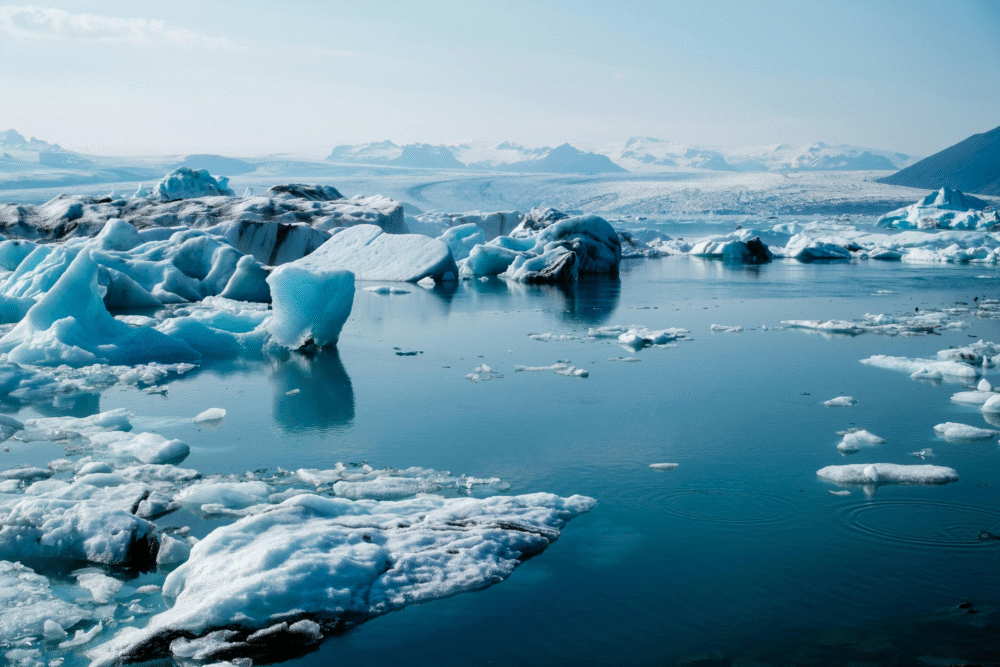
In 2023, glaciers lost a record 1.2-meter water equivalent of ice – about five times the amount of water in the Dead Sea. This represents the largest loss since measurements began in 1953, driven by extreme melting in North America and Europe.
Present since the last ice age, most of the world’s glaciers are now shrinking or disappearing altogether as the climate gets warmer. Switzerland alone lost about 10% of its remaining glacier volume in just two years, demonstrating how rapidly these ancient ice formations are vanishing.
3. Sea levels are rising faster than scientists predicted

Global average sea level has risen 8-9 inches since 1880, and the rate is accelerating thanks to glacier and ice sheet melt. But recent data shows the acceleration is even more dramatic than previously thought.
Earth’s oceans rose faster than expected in 2024 as the world experienced its hottest year on record, with unusual ocean warming combined with meltwater from land-based ice driving unprecedented sea level increases that caught even climate scientists off guard.
4. The Arctic is warming twice as fast as the rest of the planet
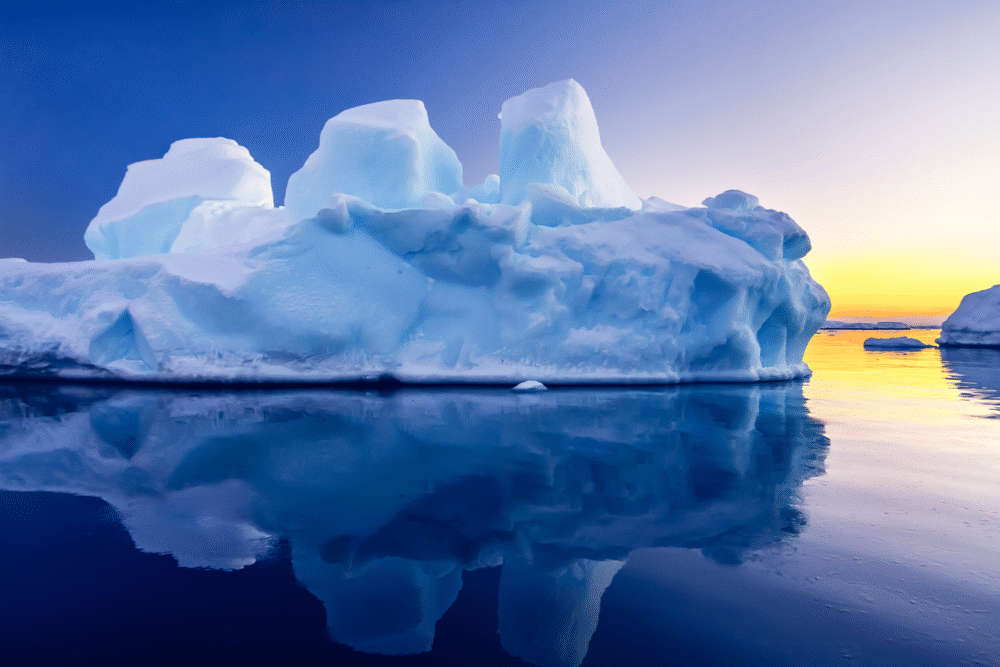
The Arctic experienced its second-hottest year on record, continuing a pattern of accelerated warming that’s transforming one of Earth’s most critical climate regions. The changes happening in the Arctic are so dramatic they’re visible from space.
Arctic warming is creating cascading effects throughout the global climate system. As white ice disappears, it’s replaced by dark ocean water that absorbs more heat, creating a feedback loop that accelerates warming even further.
5. Antarctic ice coverage hits near-record lows
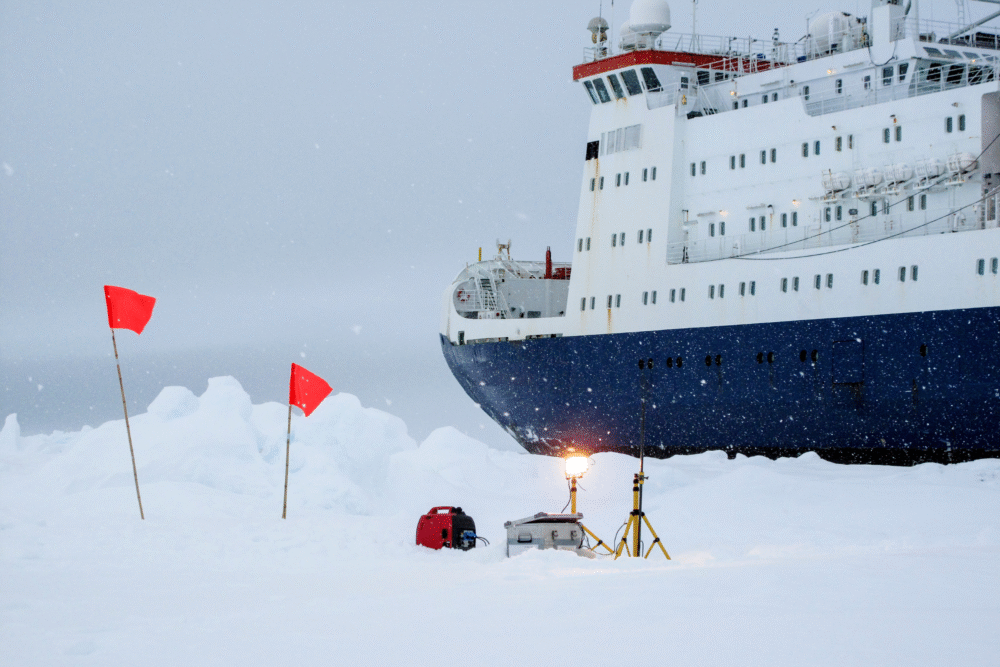
Antarctic sea ice coverage was the second lowest on record, behind 2023, showing that climate change is affecting both polar regions simultaneously. The loss of Antarctic ice has global implications for sea level rise and ocean circulation patterns.
Antarctic sea-ice extent – both the annual minimum in February and the maximum in September – was the second lowest in the satellite record. This dramatic ice loss is happening far faster than climate models predicted just a decade ago.
6. Mountain glaciers serve as visible climate thermometers
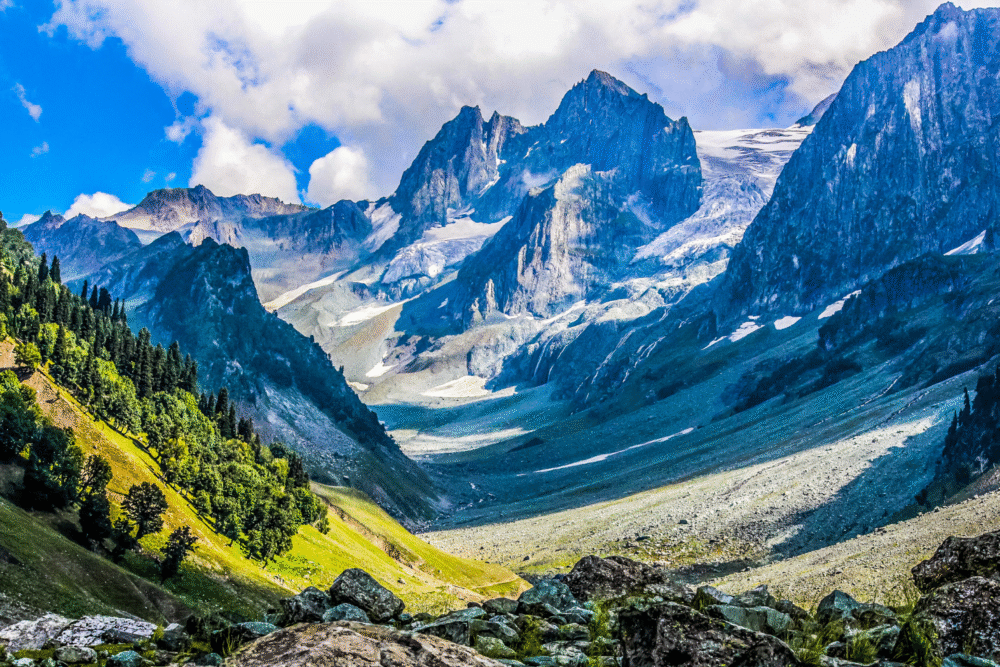
Mountain glaciers around the world are retreating at rates that would have seemed impossible to previous generations. These “climate thermometers” provide clear, visual evidence of rising temperatures that anyone can observe and photograph.
Since the early 1900s, many glaciers around the world have been rapidly melting, with the pace of melting accelerating dramatically in recent decades. Historic photographs compared to today’s images show the stark reality of how quickly these ancient ice formations are disappearing.
7. Ocean temperatures are breaking records in every major basin
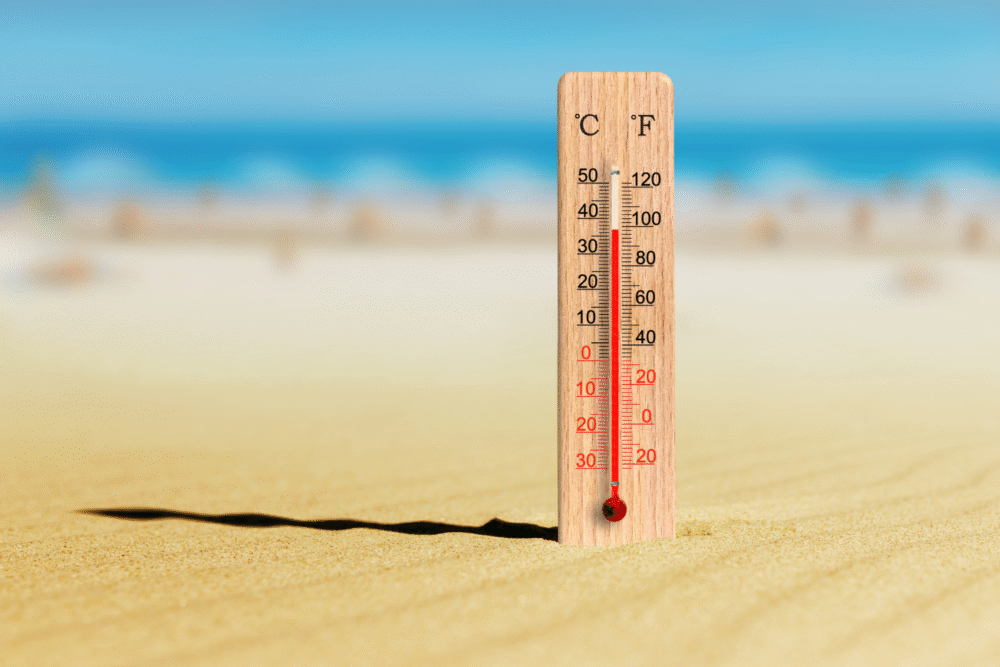
Ocean temperature measurements from around the globe show consistent warming across all major ocean basins. The oceans absorb about 93% of excess heat from greenhouse gas emissions, making them a critical indicator of climate change.
Rising ocean temperatures are causing marine heatwaves that kill coral reefs, disrupt fish populations, and alter ocean currents that regulate global weather patterns. The warming is so consistent and widespread that it’s impossible to attribute to natural variations.
8. Carbon dioxide levels have reached heights not seen in millions of years

Atmospheric carbon dioxide concentrations have risen from about 280 parts per million before the Industrial Revolution to over 420 ppm today. These levels haven’t been seen on Earth for more than 3 million years, when sea levels were 50-80 feet higher than today.
The rate of increase is also unprecedented in the geological record. What took millennia to change naturally is now happening in decades, giving ecosystems and species little time to adapt to rapidly changing conditions.
9. Extreme weather events are becoming more frequent and intense
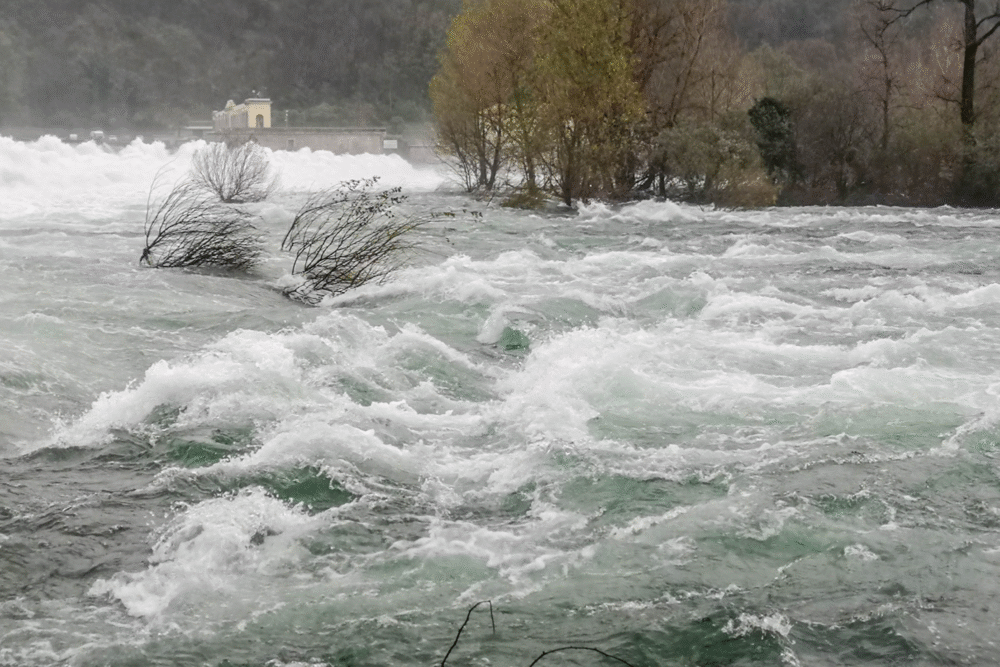
Heat domes, atmospheric rivers, polar vortex disruptions, and unprecedented flooding are all becoming more common and more severe. The patterns we’re seeing match exactly what climate scientists predicted would happen with global warming.
Insurance companies, which base their business models on risk assessment, are retreating from areas prone to climate-related disasters. When the financial industry starts treating climate change as an undeniable business reality, the evidence becomes impossible to ignore.
10. The Arctic could see its first ice-free day within years
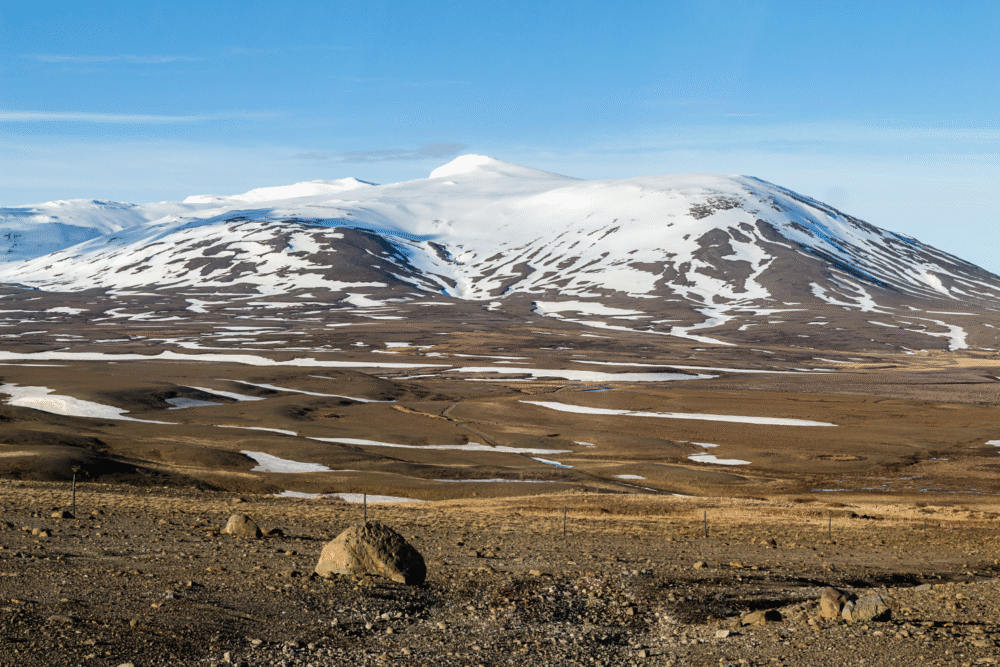
Scientists demonstrate how a series of extreme weather events could lead to the Arctic’s first ice-free day within just a few years. This represents a milestone that could trigger irreversible changes to global climate patterns.
An ice-free Arctic would fundamentally alter ocean circulation, weather patterns, and ecosystems throughout the Northern Hemisphere. The possibility that this could happen within the current decade shows how rapidly climate change is accelerating.
11. Species are shifting their ranges toward the poles
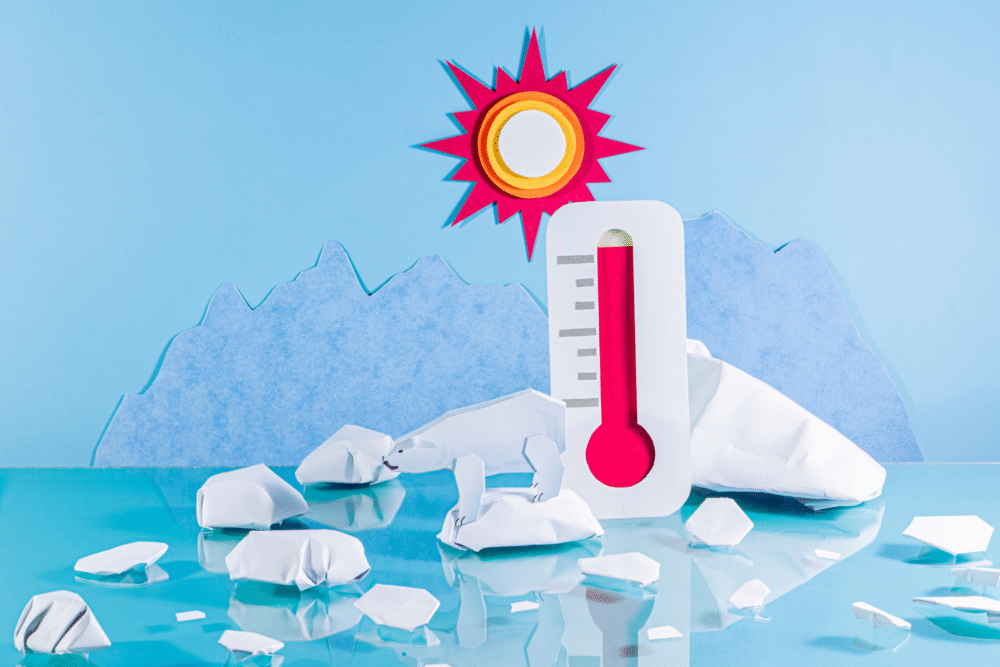
Plants and animals worldwide are moving toward the poles and to higher elevations as they follow their preferred temperature ranges. This mass migration is happening so quickly that many species can’t adapt fast enough.
From butterflies to fish to entire forest ecosystems, the biological world is responding to temperature changes by relocating. These shifts are disrupting food chains and ecosystem relationships that took thousands of years to establish.
12. Permafrost is thawing and releasing stored carbon

The Arctic tundra has become a source of emissions, rather than a carbon sink, representing a fundamental shift in one of Earth’s major carbon storage systems. Thawing permafrost releases both carbon dioxide and methane, accelerating warming.
This creates a dangerous feedback loop where warming causes permafrost to thaw, which releases greenhouse gases, which causes more warming. The process is already underway and could become self-sustaining even if human emissions stopped tomorrow.
13. Satellite data confirms warming from multiple independent sources

Satellite measurements, weather stations, ocean buoys, and ice core data all show the same consistent warming trend. Multiple independent measurement systems reaching the same conclusion eliminates any possibility that the warming is due to measurement errors or data manipulation.
The convergence of evidence from completely different measurement techniques and data sources creates an overwhelming scientific consensus. When ground-based thermometers, satellites, ice cores, and tree rings all tell the same story, the evidence becomes undeniable.