
Your meals matter more than you think—these 12 diet tweaks can cut emissions and fight climate change.

You’ve probably switched to LED bulbs and considered buying an electric car, but there’s a powerful climate action sitting right in your kitchen that you might be overlooking. Your daily food choices have a massive environmental impact—sometimes bigger than your transportation decisions.
The average American diet generates about 4 tons of CO2 annually, but small changes in what you eat and how you shop can cut that number dramatically without requiring you to become a full-time vegan or grow your own vegetables. The beautiful thing about climate-friendly eating is that most changes also happen to be healthier, cheaper, or more delicious than the alternatives.
1. Swap beef for literally anything else and watch your carbon footprint plummet
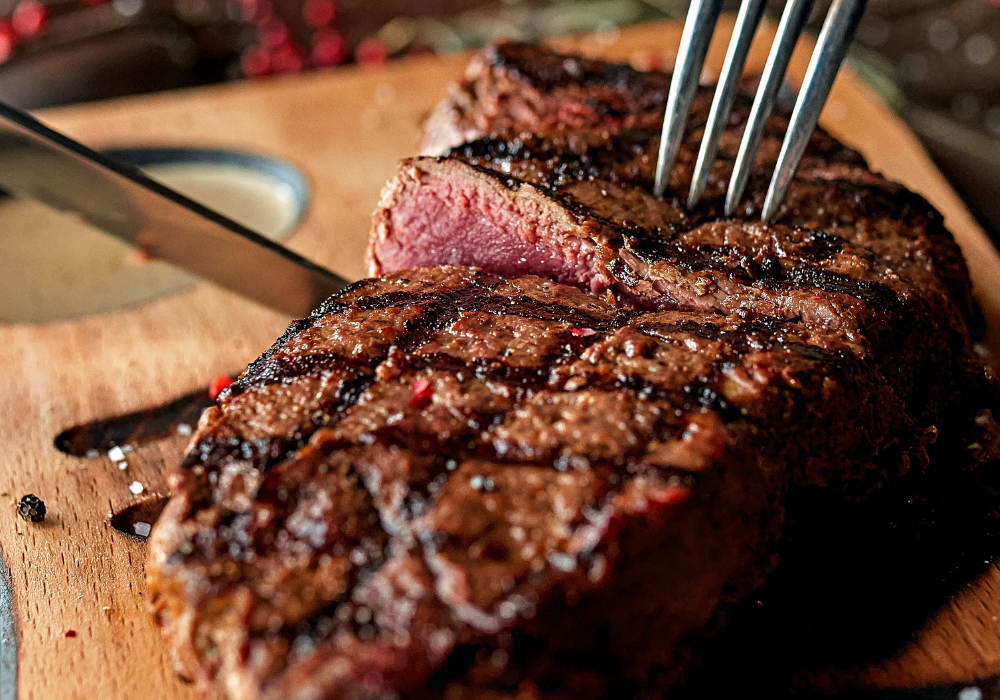
Beef production generates about 60 pounds of CO2 per pound of meat—roughly 10 times more than chicken and 20 times more than most plant proteins. A single quarter-pound burger has the same carbon impact as driving 10-15 miles in an average car. Even if you just replaced beef with chicken twice a week, you’d save more carbon than switching from a gas car to a hybrid.
You don’t have to give up red meat entirely to make a huge difference. Try substituting ground turkey in tacos, using mushrooms in pasta sauce, or experimenting with plant-based burgers that actually taste good now. Even switching from beef to pork or lamb cuts your meat-related emissions in half while keeping that satisfying protein-heavy meal experience.
2. Choose chicken thighs over breasts and save money while helping the planet

Chicken has a much smaller carbon footprint than beef, but the cuts you choose matter more than you’d think. Dark meat like thighs and drumsticks requires less energy to produce and costs significantly less than white meat. Plus, thighs stay juicy and flavorful with minimal cooking skills, making them perfect for busy weeknight dinners.
The economics work in your favor too—chicken thighs often cost half as much as breasts while delivering more flavor and staying tender even if you overcook them slightly. This is one of those rare cases where the environmentally friendly choice is also the budget-friendly and beginner-cook-friendly option.
3. Eat fish twice a week but choose the right species to avoid ocean disasters

Fish can be incredibly climate-friendly protein, but the species and fishing methods matter enormously. Small, fast-reproducing fish like sardines, anchovies, and mackerel have tiny carbon footprints and won’t contribute to overfishing. These oily fish are also packed with omega-3s and cost a fraction of what you’d pay for salmon or tuna.
Avoid fish that require energy-intensive farming like salmon, or those caught using fuel-heavy methods like deep-sea trawling for shrimp. Apps like Seafood Watch can help you identify sustainable choices at the grocery store. Canned fish often has a lower carbon footprint than fresh because it’s processed closer to where it’s caught.
4. Buy seasonal produce and accidentally discover what actually tastes good

Strawberries in January might seem convenient, but they were probably flown in from thousands of miles away, generating massive transportation emissions. Seasonal eating connects you with produce at peak flavor while minimizing the environmental cost of keeping your kitchen stocked. Winter root vegetables, spring greens, and summer stone fruits all taste better when you eat them in season.
Seasonal produce is usually cheaper because there’s more of it available, and it often comes from closer farms that don’t require energy-intensive greenhouse growing or long-distance shipping. You’ll also discover vegetables you never knew existed when you start shopping for what’s actually growing nearby.
5. Cut food waste in half and save more carbon than going vegetarian

About 40% of food produced in America gets thrown away, and when food rots in landfills, it produces methane—a greenhouse gas that’s 25 times more potent than CO2. Reducing your food waste is one of the fastest ways to shrink your environmental impact without changing what you eat at all.
Plan meals around what you already have, store produce properly to extend its life, and get creative with leftovers instead of throwing them out. Freezing bread, herbs, and other perishables when they’re about to go bad can cut your waste dramatically. Even composting food scraps is better than sending them to landfills where they create methane.
6. Shop local farmers markets but skip the organic obsession

Local produce often has a smaller carbon footprint than organic food shipped from far away. A locally grown conventional apple might be more climate-friendly than an organic apple trucked in from across the country. Transportation often creates more emissions than farming methods, especially for items that travel by plane or refrigerated truck.
Farmers markets let you talk directly to growers about their practices and often feature varieties you won’t find in supermarkets. Many small farms use sustainable practices without paying for organic certification, which can be expensive and bureaucratic. Focus on proximity and seasonal availability rather than labels.
7. Cook dried beans and lentils to unlock protein that costs pennies per serving

Legumes are protein powerhouses with carbon footprints so small they’re basically negligible. Dried beans and lentils cost less than $2 per pound and provide the same protein as much more expensive meat. They also improve soil health by fixing nitrogen, actually making farmland more fertile for future crops.
Cooking dried legumes isn’t as complicated as people think—most just need to soak overnight and simmer for an hour. A pressure cooker or slow cooker makes the process even easier. Stock up on different varieties like black beans, chickpeas, and red lentils to keep meals interesting.
8. Reduce dairy consumption by finding plant milks you actually enjoy

Dairy production requires enormous amounts of water and generates significant methane emissions from cows. A gallon of milk requires about 1,000 gallons of water to produce. Plant-based milk alternatives have much smaller environmental footprints, though some are more climate-friendly than others.
Oat milk has become popular because it froths well in coffee and has a creamy texture that works in most recipes. Soy milk provides complete protein similar to dairy milk. Try different plant milks until you find ones you genuinely like rather than forcing yourself to drink something that tastes like punishment.
9. Grow herbs on your windowsill and never buy plastic packages again
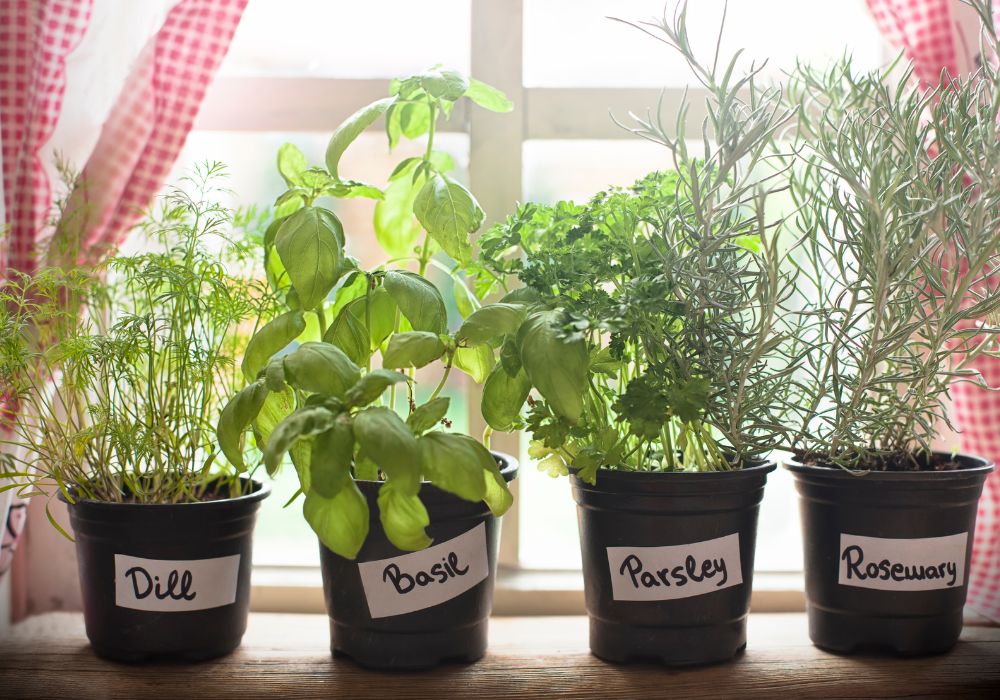
Fresh herbs in plastic containers are expensive, spoil quickly, and generate unnecessary packaging waste. Growing basic herbs like basil, parsley, and mint on a sunny windowsill costs almost nothing and provides fresh ingredients year-round. Even apartment dwellers can maintain a small herb garden with minimal effort.
Herbs grown at home are more flavorful than store-bought ones that may have traveled hundreds of miles. You’ll also use them more often when they’re convenient to grab, making your cooking more interesting and reducing the temptation to order takeout.
10. Meal prep smart to avoid the takeout carbon trap
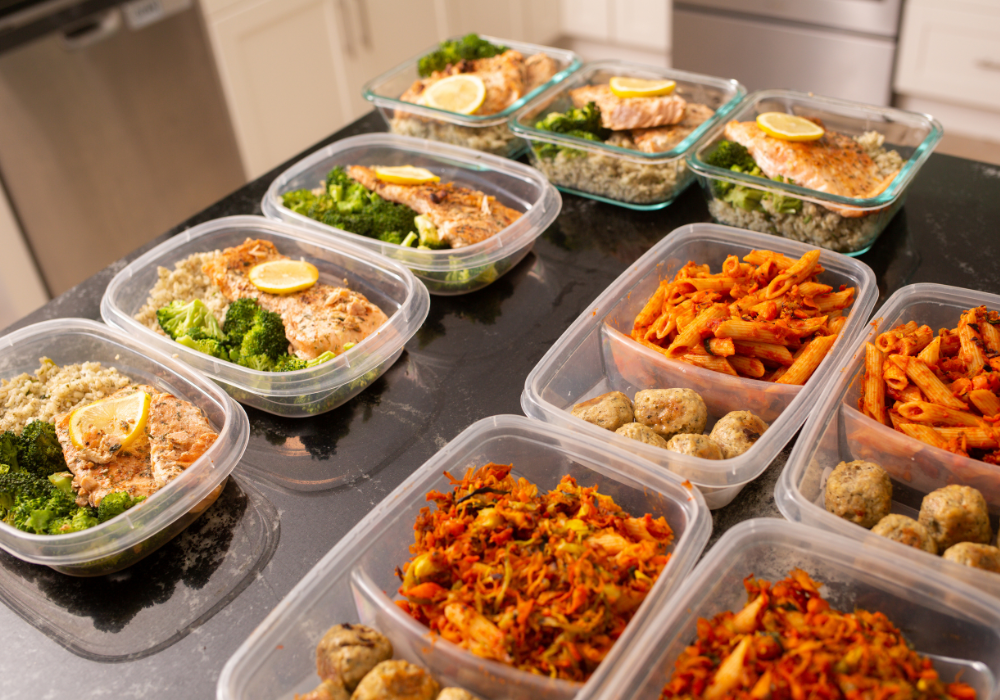
Restaurant food often has a larger carbon footprint than home cooking because of packaging, delivery, and less efficient preparation methods. Meal prepping doesn’t have to mean eating the same boring bowl all week—it just means thinking ahead so you’re not frantically ordering pizza when you’re tired and hungry.
Prep ingredients rather than complete meals to maintain variety. Wash and chop vegetables, cook grains in bulk, and marinate proteins so you can quickly assemble different combinations throughout the week. Having healthy, convenient options ready prevents the decision fatigue that leads to high-carbon convenience foods.
11. Choose glass and metal containers over plastic to reduce microplastic pollution
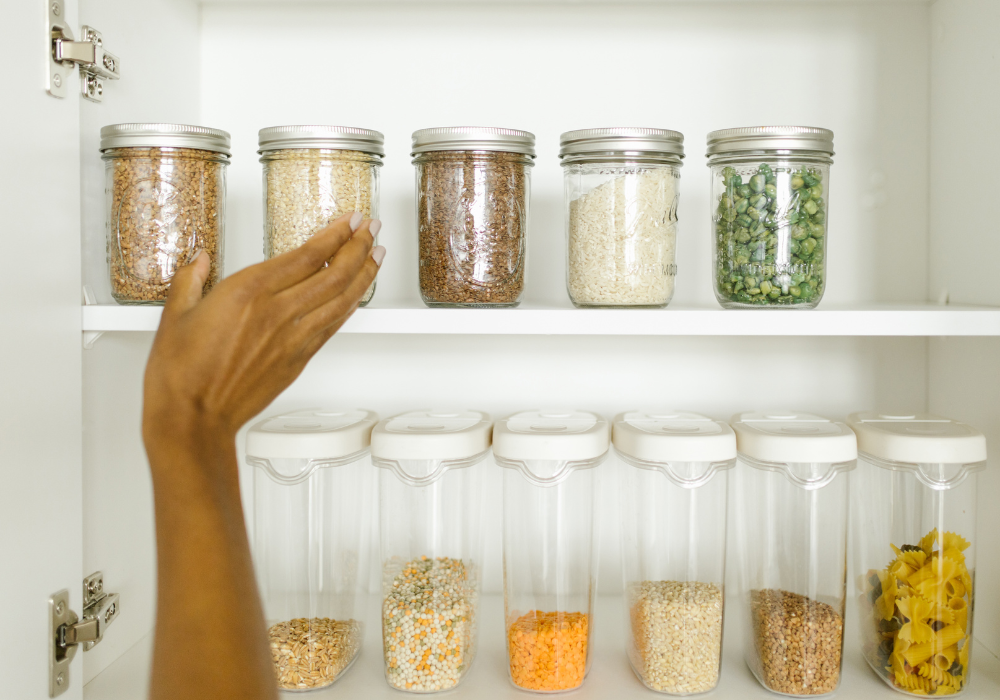
While not directly related to carbon emissions, reducing plastic use helps prevent microplastics from contaminating food chains and ecosystems. Glass jars and metal containers last decades, don’t absorb flavors or odors, and can be recycled indefinitely. They also keep food fresher longer than plastic containers.
Buying in bulk and storing food in reusable containers reduces packaging waste and often costs less per unit. Mason jars work perfectly for everything from salad dressings to overnight oats, and metal containers are ideal for freezing soups and stews.
12. Learn to love leftovers by transforming them into completely different meals
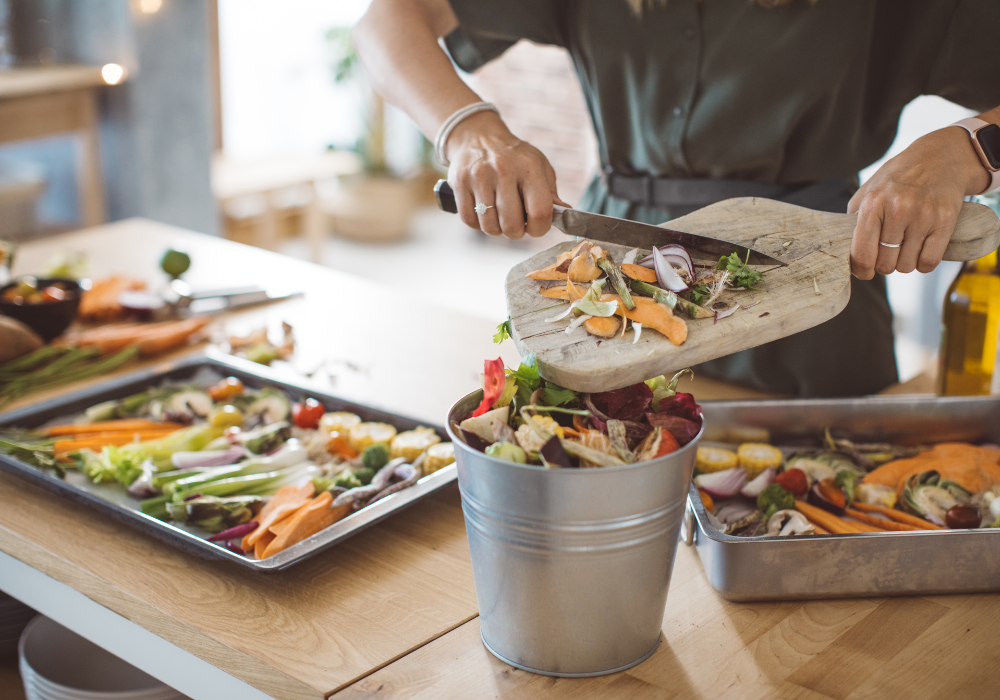
Instead of eating the same reheated meal three days in a row, learn to transform leftovers into new dishes. Roasted vegetables become frittata filling, rice turns into fried rice, and roasted chicken becomes soup or sandwich filling. This creativity prevents food waste while keeping meals interesting.
Master a few basic transformation techniques like making grain bowls, stir-fries, or soups that can incorporate almost any leftover ingredients. Having these flexible frameworks means leftovers become building blocks for new meals rather than boring repetition.