
Rediscover these nutrient-packed powerhouses that can boost energy, fight disease, and support overall wellness.
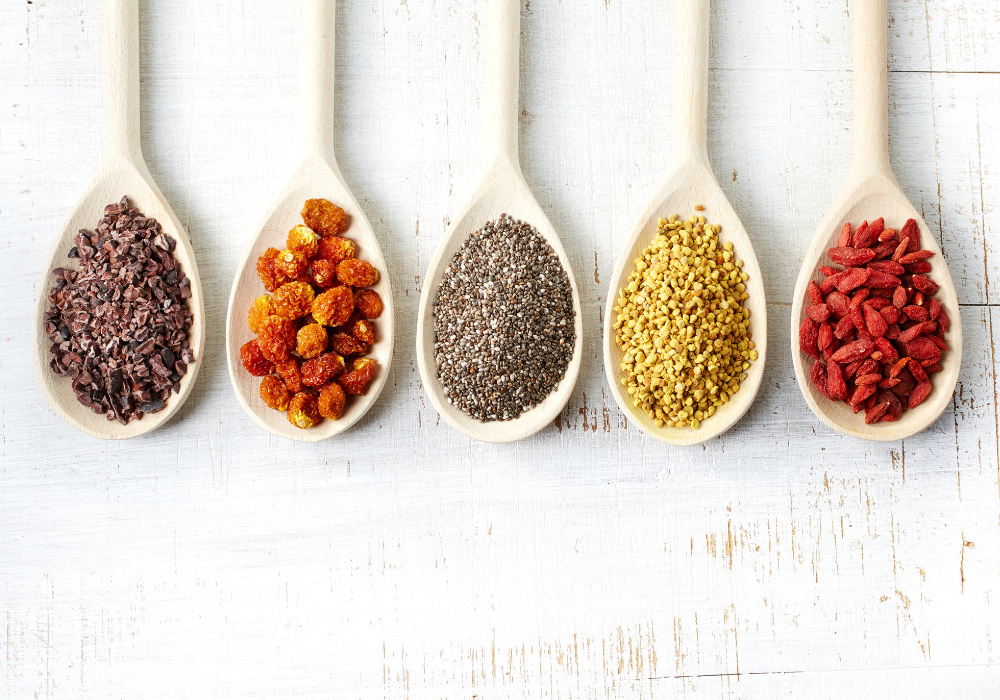
Some of the most powerful foods for your health aren’t new trends—they’re old favorites that quietly slipped out of the spotlight. Once valued for their healing properties and dense nutrition, these forgotten superfoods are now making a well-deserved comeback.
Packed with vitamins, minerals, and unique compounds, they can give your meals a serious nutritional upgrade. Best of all, most of them are easy to find and simple to add to your routine. Whether you’re looking to boost your energy, strengthen your immune system, or just eat more wholesomely, these long-lost foods are worth a second look.
1. Amaranth Packs Protein and Ancient History

This tiny grain was a staple for the Aztecs, prized for its high protein and amino acid content. Naturally gluten-free, it also contains fiber, iron, and magnesium, making it a strong choice for heart and bone health.
Amaranth cooks up quickly and has a nutty, slightly sweet flavor that works well in breakfast porridge, salads, or as a rice substitute. Its nutrient density and versatility make it a worthy rival to quinoa—and a smart addition to your pantry.
2. Seaweed Delivers a Mineral-Rich Boost

Seaweed has been a dietary mainstay in coastal cultures for centuries, offering iodine, calcium, and antioxidants in every bite. These nutrients support thyroid function, bone strength, and cellular health.
Available in many varieties, from nori sheets to kelp noodles, seaweed can be added to soups, salads, or sushi. Its umami flavor can elevate simple dishes while delivering a dose of ocean-sourced nutrition your body craves.
3. Black Garlic Offers Sweet, Antioxidant Power

Black garlic is simply garlic that’s been aged under controlled heat, transforming its sharp flavor into a sweet, caramel-like taste. This process also boosts its antioxidant levels, which help fight inflammation and support immune health.
It can be mashed into spreads, added to sauces, or used to flavor roasted vegetables. Black garlic not only adds depth to your cooking but also gives you a concentrated source of protective plant compounds.
4. Teff Is Tiny but Nutritionally Mighty
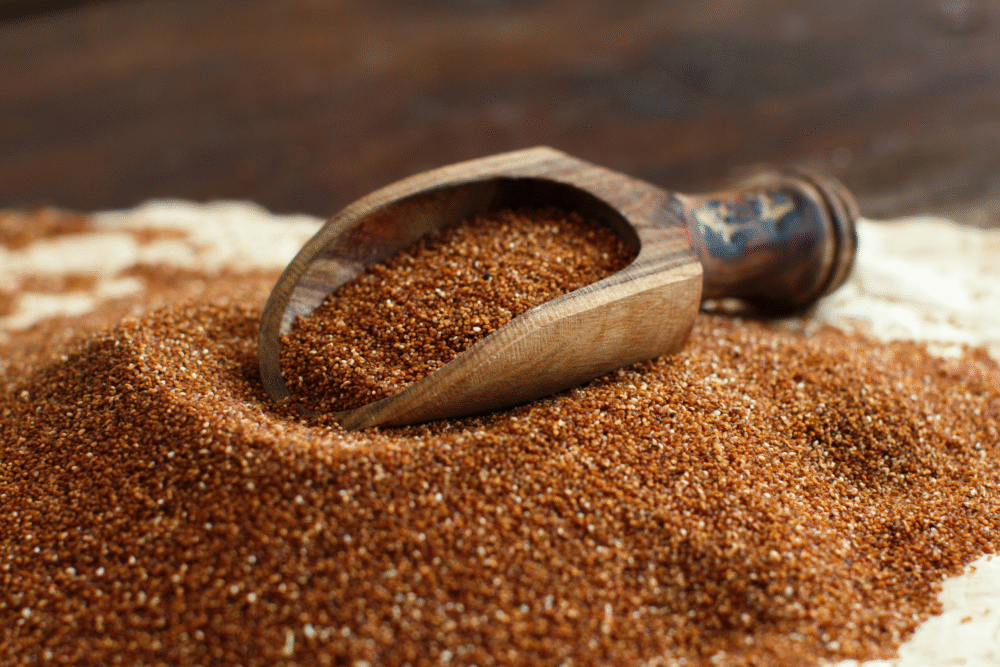
Teff, a grain native to Ethiopia, is rich in iron, calcium, and resistant starch, which supports gut health and blood sugar balance. It’s also naturally gluten-free and offers all the essential amino acids.
Traditionally used in injera bread, teff can also be cooked into porridge, used in baked goods, or sprinkled into smoothies for a nutrient boost. Its mild, earthy flavor makes it easy to pair with both sweet and savory dishes.
5. Sunchokes Support Gut Health Naturally

Also called Jerusalem artichokes, sunchokes are root vegetables high in inulin, a prebiotic fiber that feeds beneficial gut bacteria. They also provide iron, potassium, and vitamin C.
Sunchokes can be roasted, sautéed, or blended into creamy soups. Their slightly nutty, sweet flavor pairs beautifully with herbs and spices, offering both taste and digestive health benefits.
6. Millet Offers Gentle, Gluten-Free Nutrition

Once a global staple, millet is rich in magnesium, phosphorus, and antioxidants. Its mild flavor and soft texture make it easy to digest, and it’s naturally gluten-free.
Use millet in place of rice, as a breakfast grain, or baked into bread. Its versatility and affordability make it a practical choice for adding more whole grains to your diet without sacrificing taste.
7. Watercress Is a Vitamin-Packed Green

Often overlooked in favor of kale or spinach, watercress is a nutritional powerhouse packed with vitamins A, C, and K, along with calcium and antioxidants. It’s been linked to improved heart health and immune function.
With its peppery bite, watercress adds flavor to salads, sandwiches, and soups. Eating it raw preserves its nutrient content, but it can also be lightly sautéed for a milder taste.
8. Kefir Brings Probiotics and Protein
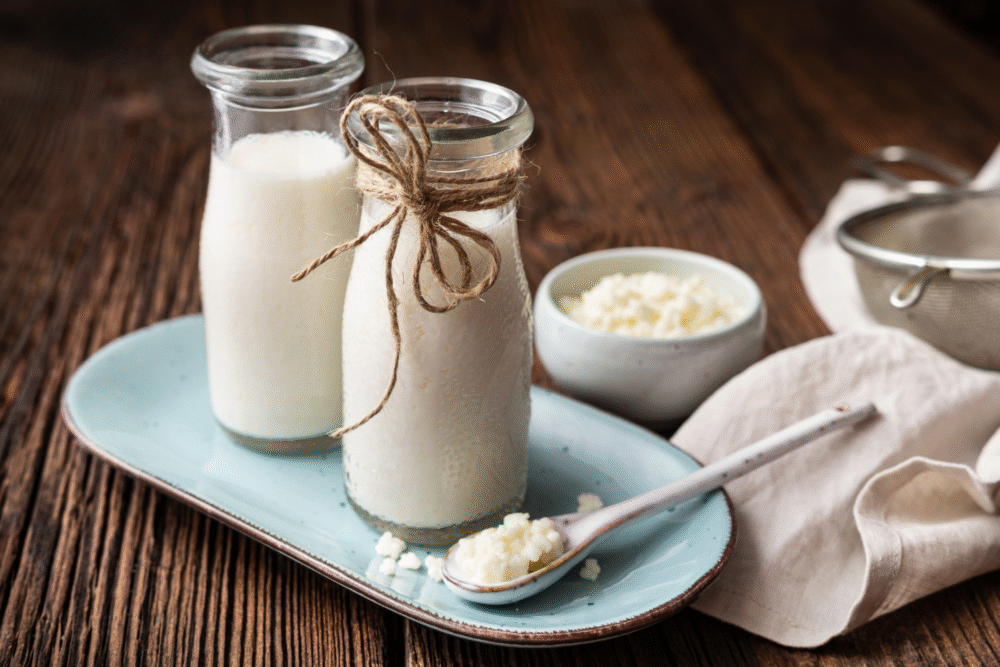
Kefir is a fermented milk drink loaded with probiotics that support gut health, as well as protein, calcium, and B vitamins. Its tart, tangy flavor comes from the live cultures that make it so beneficial.
You can drink kefir on its own, blend it into smoothies, or use it in salad dressings. It’s an easy, tasty way to support digestion and boost your intake of beneficial bacteria.
9. Chia Seeds Provide Omega-3s in a Tiny Package

These tiny seeds were a staple in ancient Aztec and Mayan diets, valued for their long-lasting energy. They’re rich in omega-3 fatty acids, fiber, and protein, making them a great choice for heart and brain health.
Chia seeds absorb liquid and swell into a gel-like texture, perfect for puddings, overnight oats, or thickening smoothies. They’re an effortless way to boost nutrition without altering flavor.
10. Lentils Deliver Affordable, Plant-Based Power
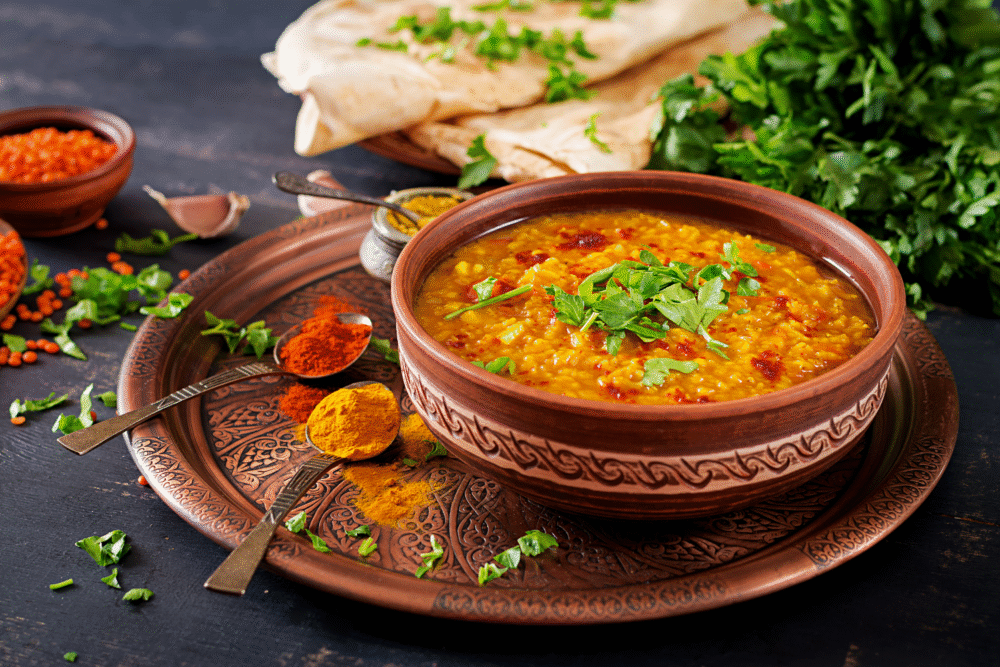
Lentils have been a reliable protein source for thousands of years, offering fiber, folate, iron, and minerals in every serving. They’re also low in fat and cook quickly, making them a practical pantry staple.
From hearty soups to fresh salads, lentils adapt well to countless recipes. Their combination of affordability, nutrition, and versatility explains why they’re making a comeback in health-conscious kitchens.