
Torrential rains triggered sudden flash floods across Pakistan, sweeping away homes and leaving entire communities devastated.
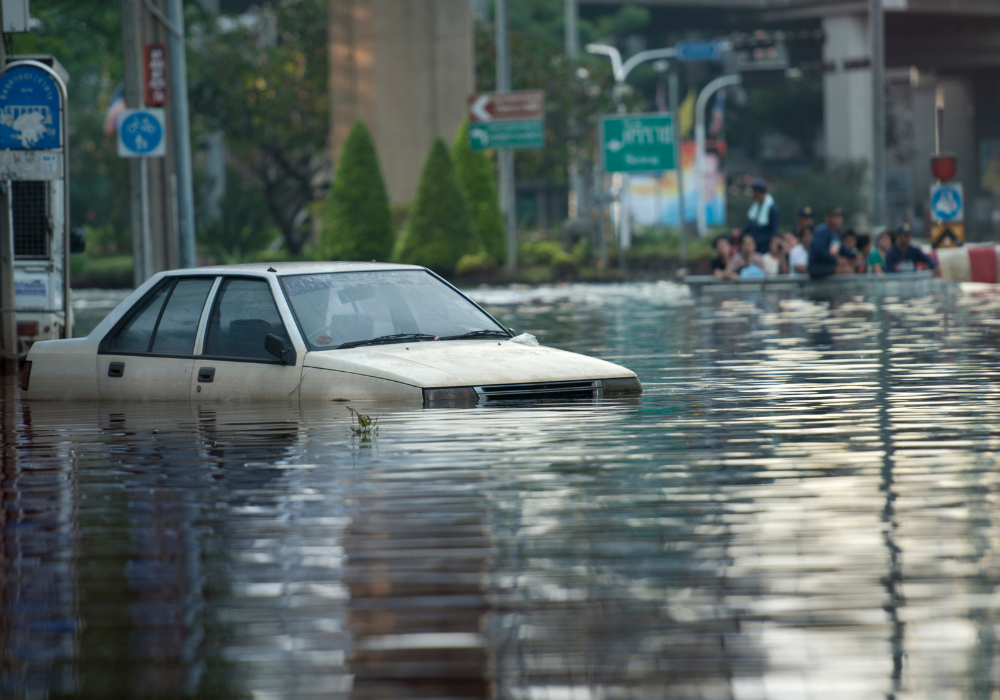
Torrential rains unleashed a massive cloudburst over parts of Pakistan this week, triggering flash floods that have left at least 159 people dead and thousands more displaced. The sudden deluge, which came with little warning, swept through villages, destroyed infrastructure, and submerged farmland.
Officials warn the death toll could rise as rescue teams struggle to reach cut-off communities. While flash floods are not uncommon during the monsoon season, the scale and speed of this disaster have stunned residents and officials alike, prompting renewed questions about preparedness, climate patterns, and the vulnerability of flood-prone regions.
1. Rains intensified quickly after the massive cloudburst
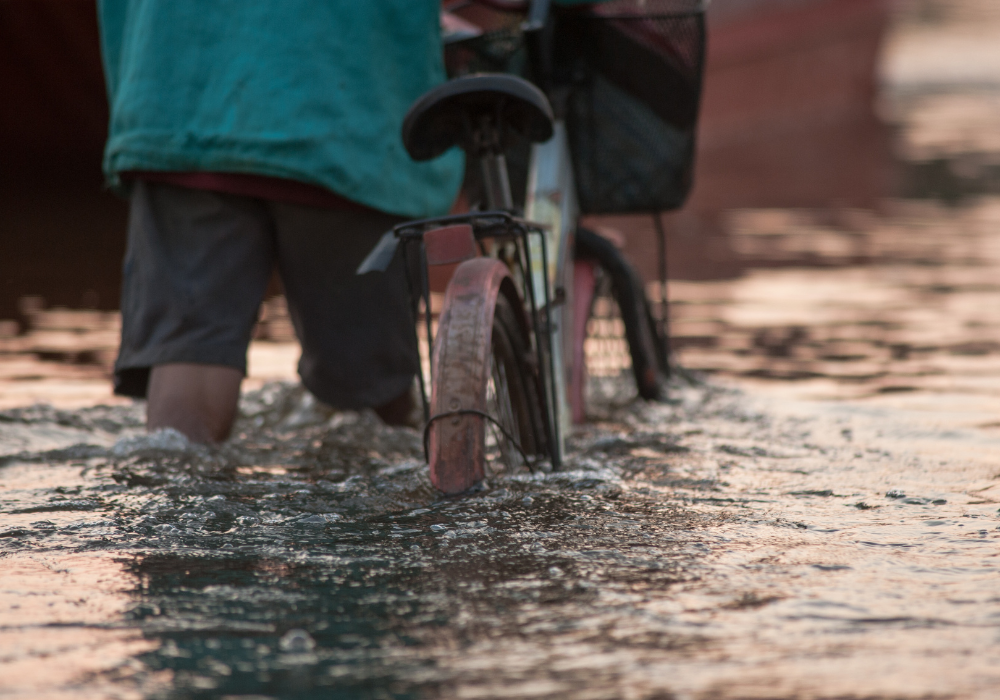
Meteorologists say the cloudburst dumped an extraordinary volume of rain in just a few hours, overwhelming rivers and drainage systems. Such concentrated downpours can cause water levels to rise dramatically, leaving little time for evacuation. Residents reported hearing the roar of approaching floodwaters minutes before they hit, highlighting the sudden and destructive nature of this event.
2. Death toll climbs as rescue operations continue
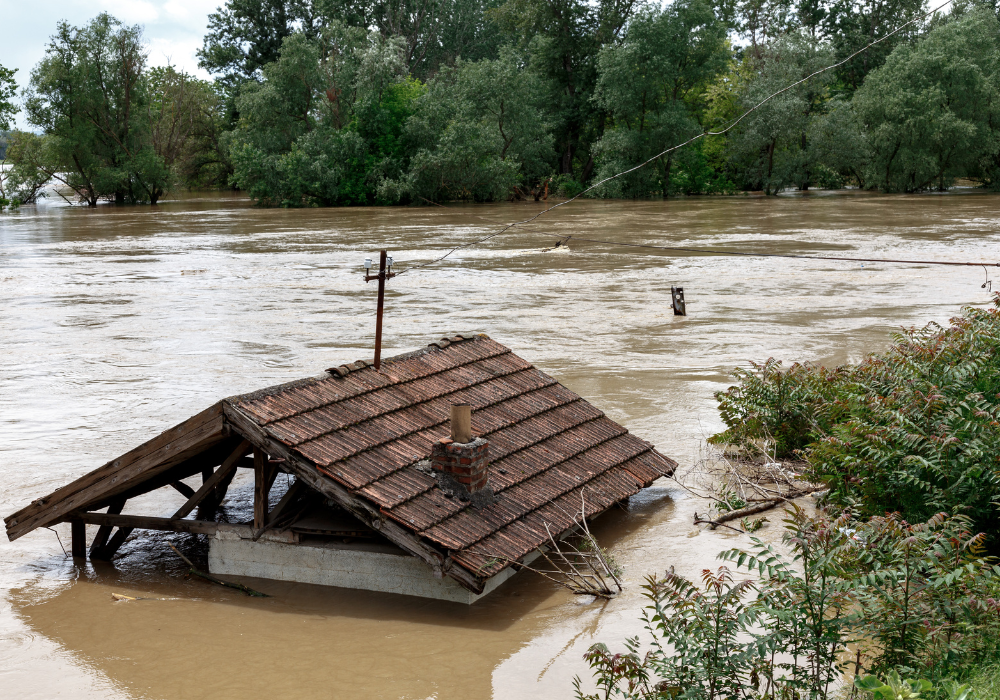
Authorities confirmed at least 159 fatalities, but local officials say the number could grow as floodwaters recede and more areas become accessible. Many of the dead were caught in their homes or swept away while attempting to flee. Rescue teams are working around the clock, but blocked roads and damaged bridges are slowing efforts.
3. Thousands displaced from flooded communities
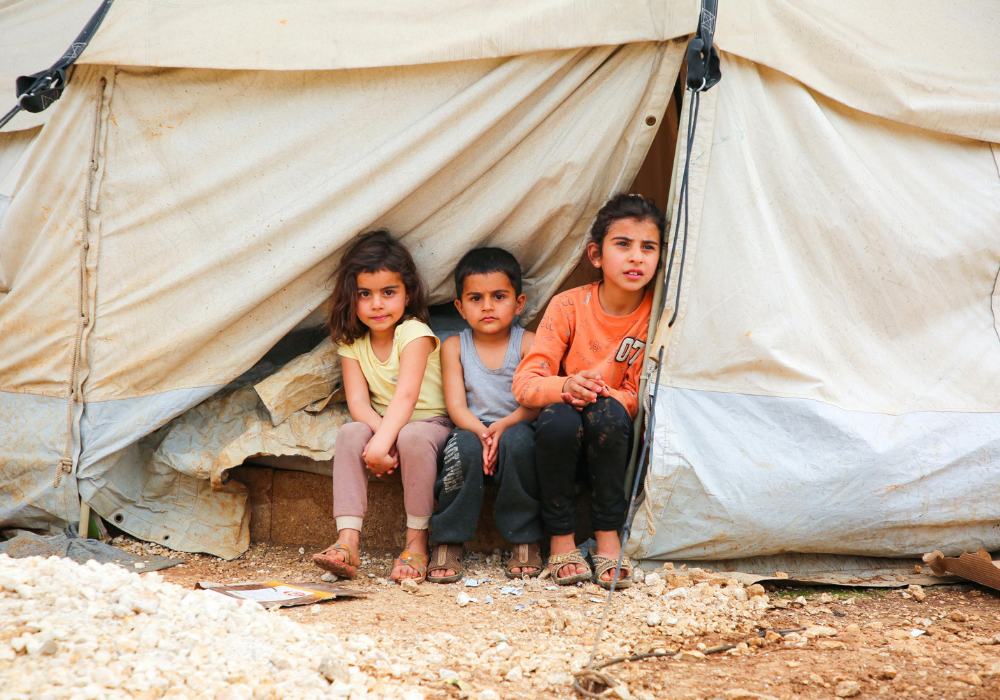
The flooding has forced thousands of people to leave their homes, with many seeking shelter in schools, mosques, and temporary relief camps. Conditions in these shelters are crowded, and access to clean water and food remains a pressing concern. Displaced families say they have lost nearly everything, from livestock to personal belongings.
4. Infrastructure damage complicates relief efforts

Bridges, roads, and power lines have been washed away in several districts, making it difficult for aid workers to reach the hardest-hit areas. Some villages remain cut off entirely, with helicopters serving as the only means of delivering supplies. Officials warn that repairs will take weeks, if not months, in some regions.
5. Crops and farmland destroyed by floodwaters
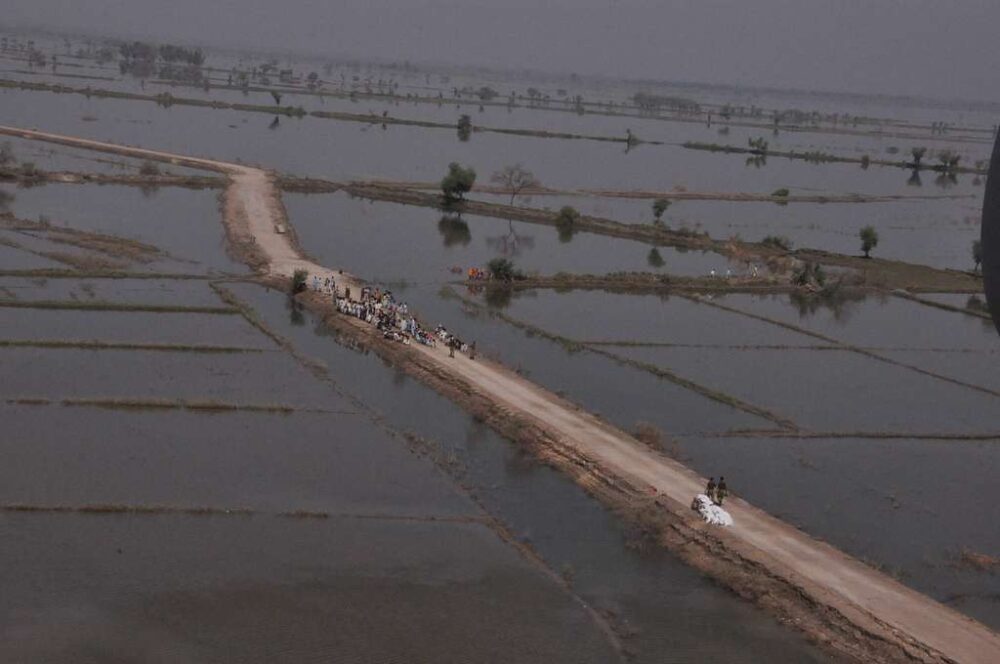
Agricultural regions have been particularly hard-hit, with vast fields submerged under muddy floodwater. Farmers say their crops—many close to harvest—are a total loss. This destruction not only impacts livelihoods but could also drive up food prices in the coming weeks, adding economic strain to an already challenging situation.
6. Hospitals struggle to keep up with injuries

Local hospitals are treating hundreds of people for injuries ranging from broken bones to waterborne infections. Limited medical supplies and staff shortages are making it difficult to meet the surge in demand. Health officials are urging donations of essential medicines and warning of potential outbreaks if sanitation needs aren’t met quickly.
7. Government declares a state of emergency
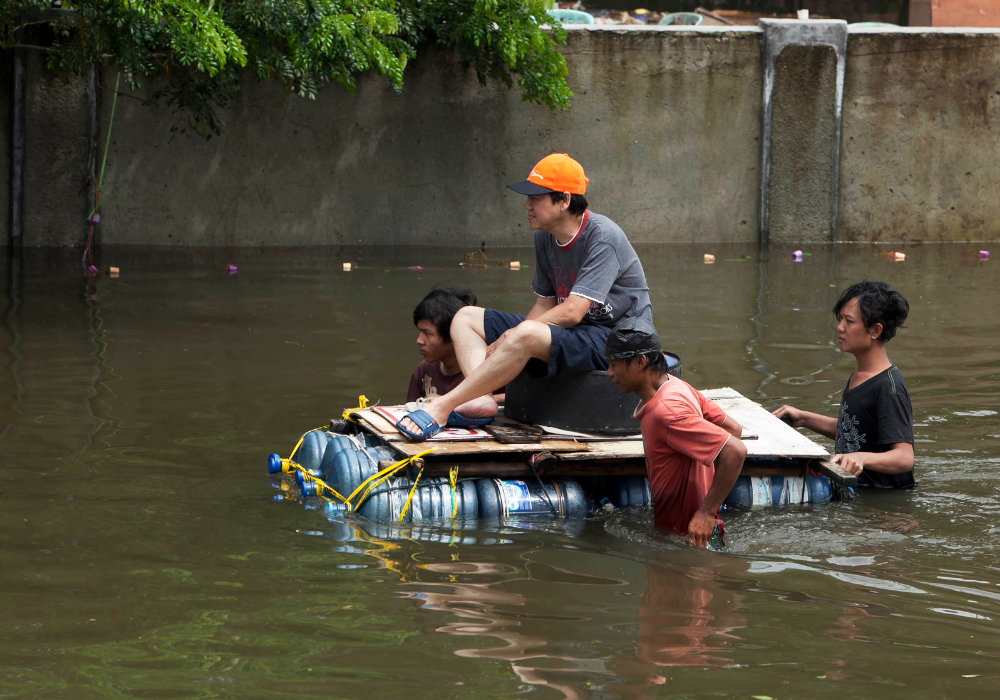
In response to the disaster, the Pakistani government has declared a state of emergency in the worst-affected provinces. Relief funds have been allocated, and the military has been deployed to assist with rescues and distribution of aid. Officials are also coordinating with international agencies to speed up support.
8. International aid agencies mobilize resources
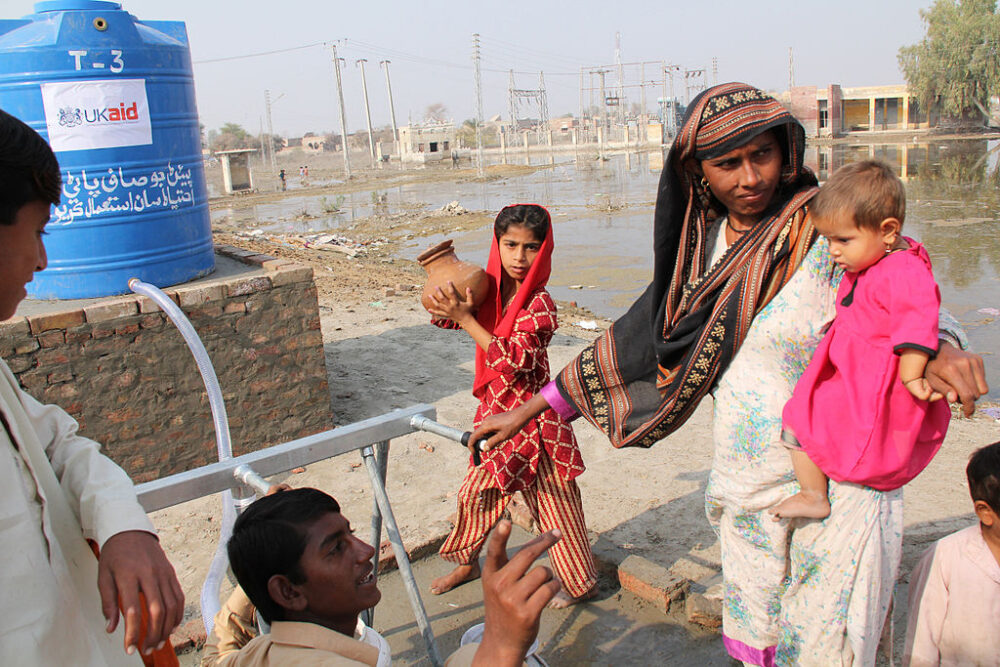
Organizations including the Red Crescent and UN humanitarian teams are sending food, water, and medical supplies. Relief convoys are arriving in less-affected cities before being distributed to remote areas by truck or helicopter. Aid groups stress that long-term recovery will require sustained funding and logistical support beyond the immediate crisis.
9. Calls grow for better flood preparedness

This disaster has renewed public debate about Pakistan’s flood management systems and early warning capabilities. Experts argue that investment in stronger infrastructure, improved drainage, and better forecasting could help prevent similar tragedies. With climate change intensifying extreme weather events, such measures are becoming increasingly urgent.
10. Survivors face a long road to recovery
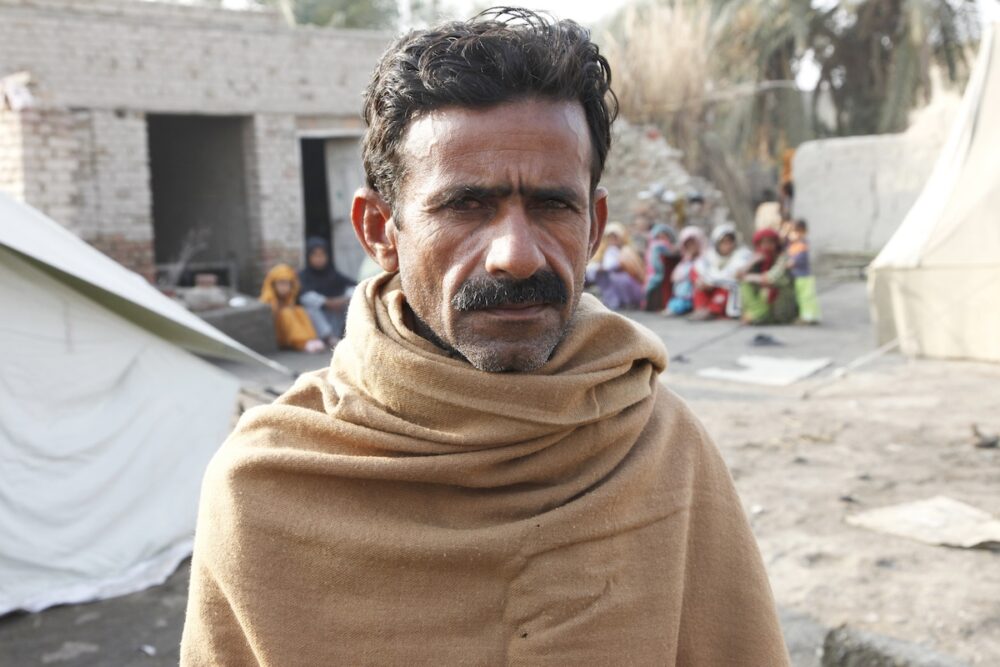
Even as waters begin to recede, many survivors are returning to homes filled with mud and debris—or finding them completely destroyed. Rebuilding will take months, and for some, years. Relief workers say the emotional toll is high, with many residents grieving lost loved ones while facing the uncertainty of starting over.