
From rising seas to extreme weather, here’s how climate change will reshape the world your child grows up in.

Picture your child at their high school graduation in 2037. The world they’re stepping into will look dramatically different from the one you grew up in. While children today play outside and dream about their futures, climate scientists are mapping out a planet that will challenge every assumption about normal life.
Rising temperatures aren’t just numbers on a chart—they’re reshaping everything from the foods we eat to the places we can live. The kids building sandcastles today will inherit coastlines that may no longer exist, seasons that arrive at unexpected times, and weather patterns that would seem extreme to us now.
1. Heatwaves Will Redefine Recess and Playtime

By the 2050s, children will experience eight times more extreme heatwaves than they did in the early 2000s. What’s now considered a dangerously hot day will become a regular part of summer—and even the school year. Instead of running out to recess after lunch, kids may stay inside for safety.
In cities like Phoenix, outdoor play is already limited by mid-morning due to burning-hot surfaces. Future generations may associate swings and slides with early dawn hours, or not at all. What once defined childhood summers could soon fade into the past.
2. Waterfront Homes and Schools Will Disappear From the Map

Coastal neighborhoods that feel permanent today may be underwater by mid-century. Scientists from Harvard and Columbia warn that rising sea levels could force entire communities, including schools, to relocate or vanish entirely. Some families may return to childhood vacation spots only to find seawalls, sandbags, or nothing at all.
Once-familiar landmarks could disappear beneath the tides, remembered only through photos and stories. Places that helped shape childhood memories might become part of a disappearing coastline, erased by climate forces that don’t stop for tradition.
3. Your Grocery Bill Will Become a Source of Stress

Climate change will hit agriculture hard, driving up the cost and reducing the availability of common foods. The IPCC projects up to 80 million more people could face hunger by 2050. Instead of choosing between organic and conventional, shoppers may be choosing between available and gone.
Favorites like strawberries and oranges may become luxury items, while basics like corn face growing uncertainty. Conversations at the dinner table could shift from recipes to prices, as families navigate limited options in stores that once overflowed with variety.
4. Summer Camps Will Need A/C or Shut Down

Wildfire smoke and extreme heat will make summer programs harder to run safely. Traditional camps may close for entire weeks to protect kids’ health. Rather than hiking and campfires, indoor games and filtered air might become the new summer norm. Some programs may operate only at sunrise or move entirely online.
The carefree summer schedule of generations past may require medical-grade air filters, backup generators, and emergency planning—more like a public health operation than a campfire circle.
5. Most Future Jobs Will Involve Climate Adaptation
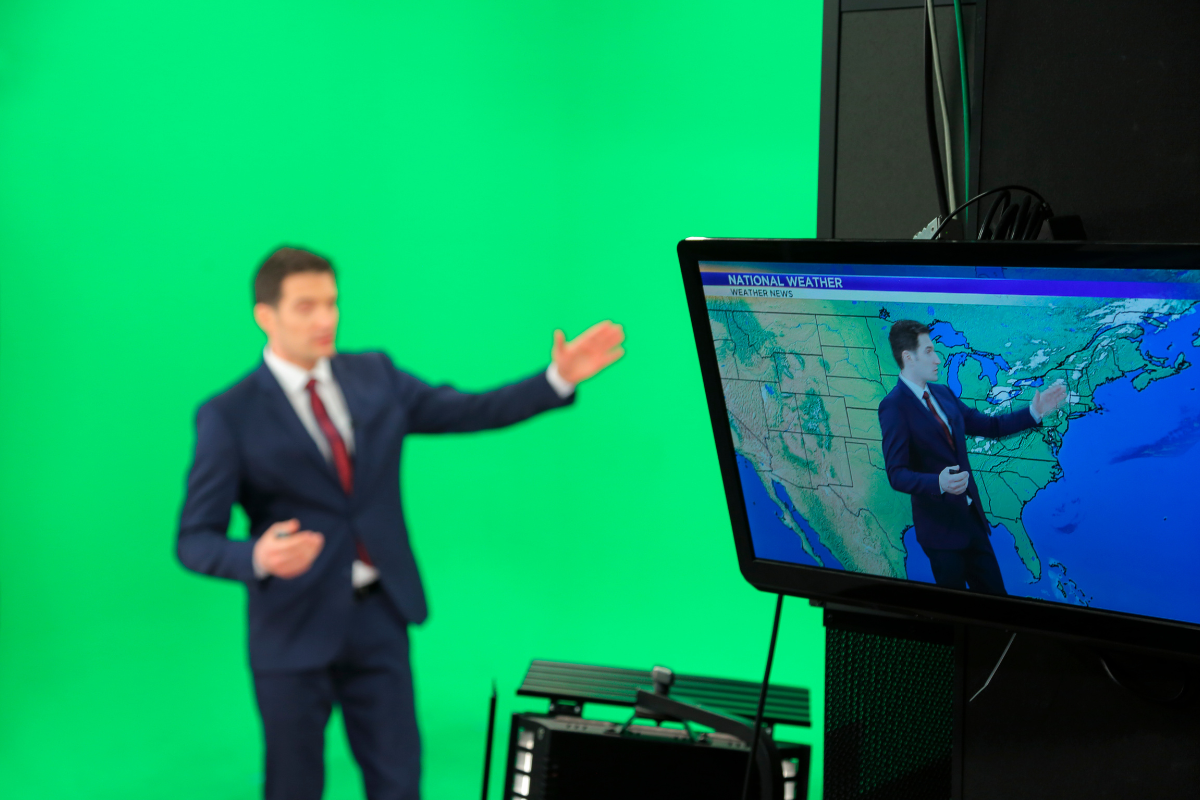
As climate threats grow, so does the job market around solving them. Children entering the workforce in the 2040s will find opportunity in resilience, sustainability, and environmental innovation.
We may see new professions—like climate migration planners or urban cooling designers—become everyday roles. Meanwhile, old careers will evolve. Teachers could fold climate education into all subjects. Doctors might track heat stress like blood pressure. From architecture to agriculture, nearly every field will require some level of environmental awareness just to keep pace.
6. Families Will Move for Climate Safety
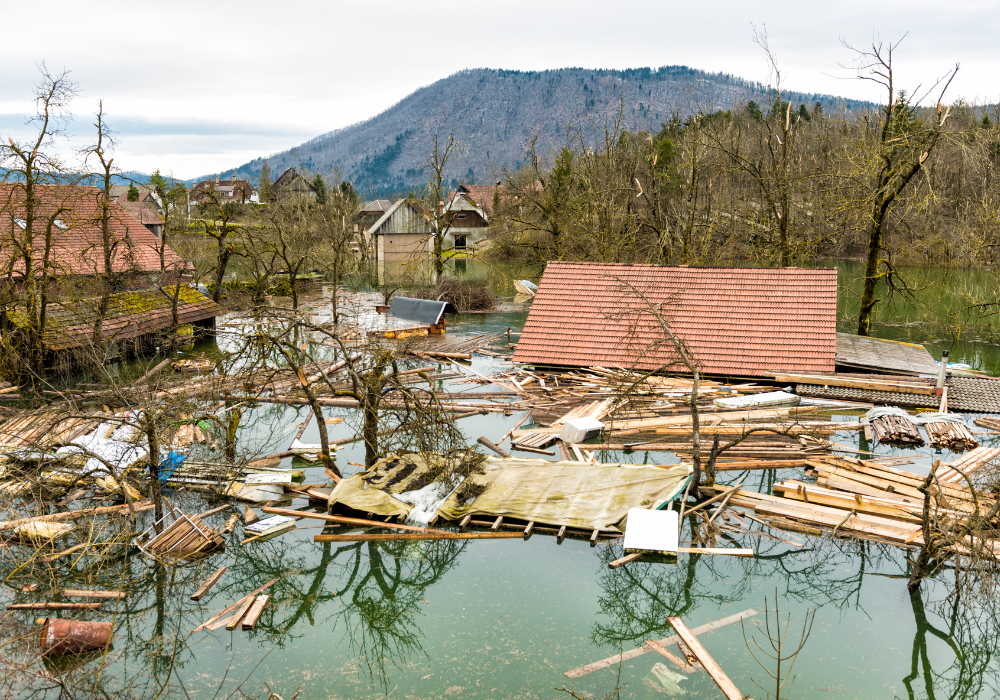
Relocation will become a climate survival strategy, not just a lifestyle choice. As droughts, fires, and floods intensify, many families will seek safer ground. It may no longer be unusual to leave a hometown behind because the risk became too high.
Real estate decisions will prioritize elevation, wildfire maps, and access to clean water—long before schools or amenities enter the picture. Permanence could feel out of reach as more people live with packed bags and contingency plans.
7. Water Will Become a Limited Household Resource

Clean, running water may not always be a given in the years ahead. Rationing and conservation practices will become standard in many homes.
Instead of long showers and sprinkler systems, kids might grow up learning to reuse graywater and harvest rain. Green lawns could disappear entirely, replaced by native landscaping that drinks far less. Daily routines—from washing hands to brushing teeth—may carry new meaning when every drop is counted and monitored like electricity.
8. Their Classmates May Be Climate Refugees

Millions may be forced to flee their homes due to worsening environmental conditions. Those displaced families will end up in schools, neighborhoods, and communities across the country. A new student could arrive in class not just from a different zip code—but from a region destroyed by wildfire or storm surge.
Kids will form friendships shaped by shared resilience, even if their lives were disrupted by floods, droughts, or heat. This kind of displacement will feel increasingly normal in a world with fewer climate-safe zones.
9. Weather Will Be Tracked Like a Health Metric
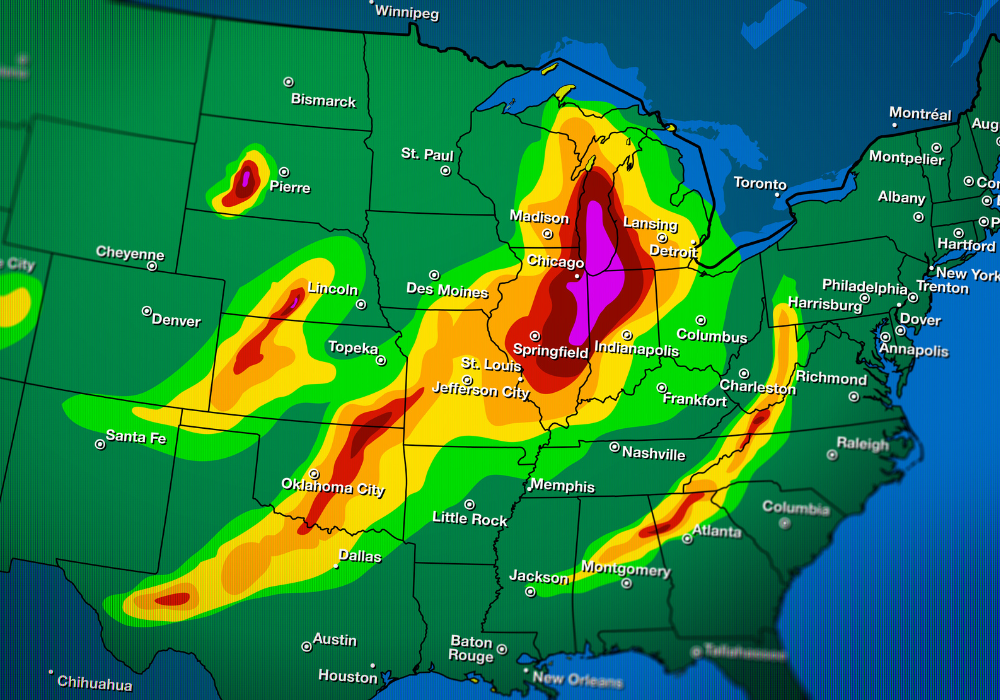
Forecasts won’t be casual background noise—they’ll be survival tools. Families will monitor weather like they monitor air quality, allergies, or blood sugar. A typical day might begin with heat alerts, UV warnings, or air-quality scores.
Homes could automatically adjust internal temperatures or filter outside air without manual input. Going to the park might depend on whether conditions are safe—not whether the sky is blue. Weather will be something families manage, not just talk about.
10. Sports Seasons Will Shift or Move Indoors
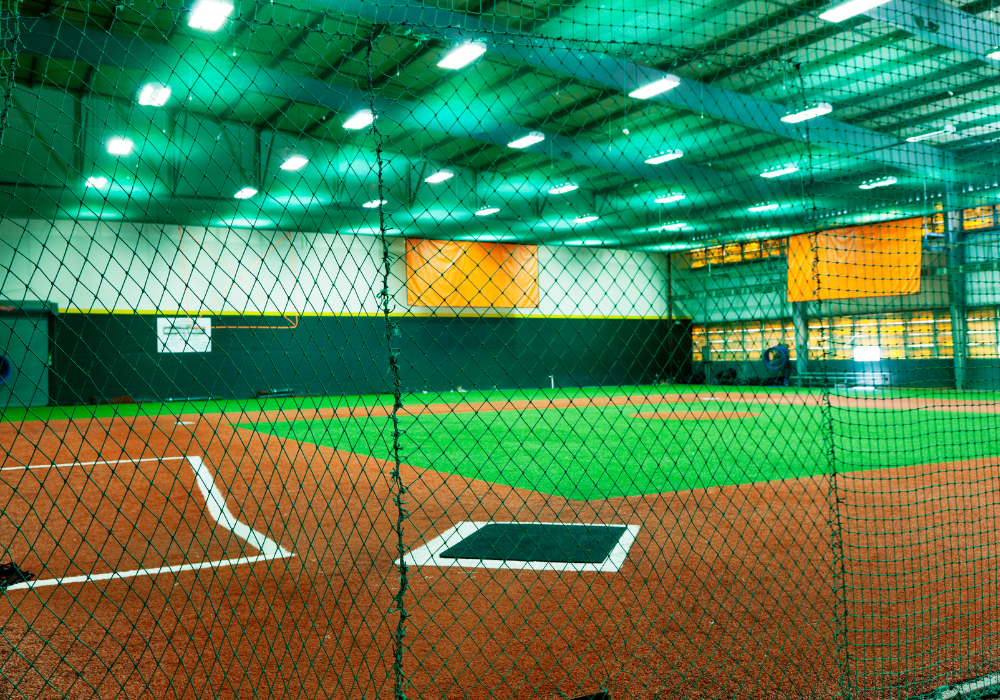
Dangerous temperatures will force youth sports to change schedules or move inside. Football, baseball, and soccer will all need climate-based adjustments. Instead of after-school games, practices may shift to early mornings or indoor fields.
League organizers will hire heat response staff just as they now employ medics. Familiar seasonal rhythms—like Friday night lights in the fall—could give way to new norms that prioritize player safety over tradition. Athletics will continue, but not as we remember them.
11. College Decisions Will Weigh Climate Resilience

Choosing a college may involve evaluating flood maps and AC systems, not just rankings or campus vibe. Extreme weather will complicate higher education.
Parents and students might ask, “What’s the school’s hurricane plan?” or “How do they handle power outages during heat waves?” Academic calendars may shift around storm seasons. Rising operational costs for cooling and disaster prep could influence tuition. What once was an exciting transition into adulthood may now require climate contingency planning, too.
12. Mental Health Support Will Include Climate Grief

Kids growing up in a warming world will feel the emotional toll. Mental health systems will need to address eco-anxiety and trauma from climate disasters.
A student may need counseling not just for grades or friendships, but for fears about wildfires or rising seas. Therapists will help families navigate loss, uncertainty, and future shock. Emotional resilience will be taught like reading or math. For tomorrow’s kids, staying mentally strong will mean learning how to live with a world in flux.