
From habitat destruction to pollution, experts reveal how everyday actions are creating Earth’s worst extinction crisis.
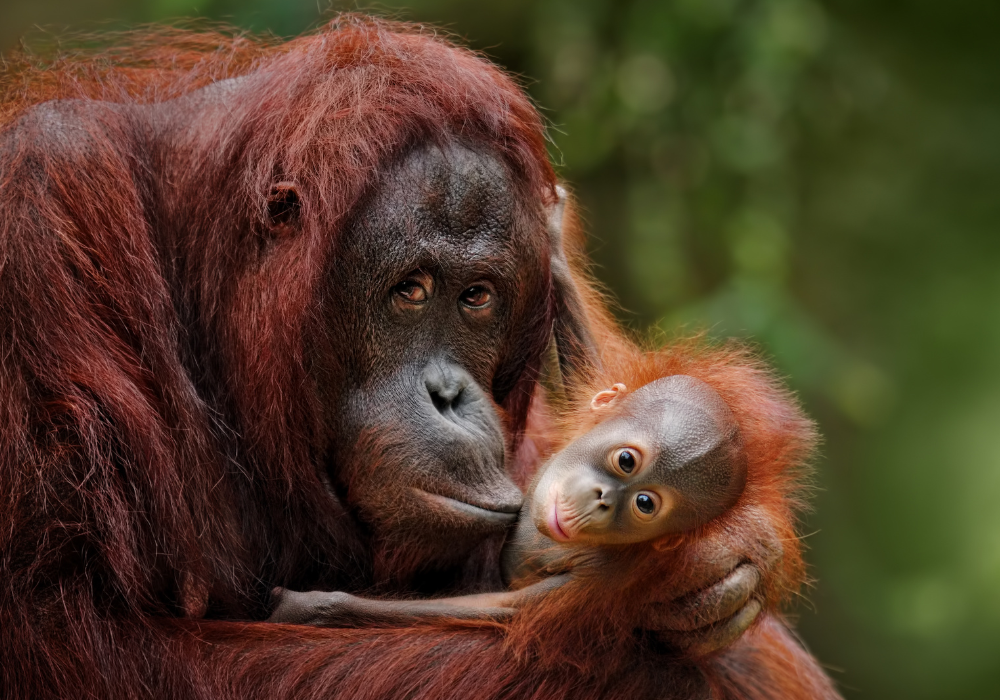
We’re living through what scientists call the sixth mass extinction, and this time humans are the asteroid. Species are disappearing at rates between 100 to 10,000 times faster than they would naturally, which means we’re witnessing the fastest extinction crisis in Earth’s history. Unlike past mass extinctions caused by cosmic catastrophes, this one is happening because of things we do every single day.
The scary part is that most people have no idea their normal activities are contributing to a crisis that could reshape life on Earth forever. From the coffee you drink to the way you get to work, human activities are pushing thousands of species toward extinction faster than they can adapt or recover.
1. Habitat destruction eliminates the homes species need to survive.
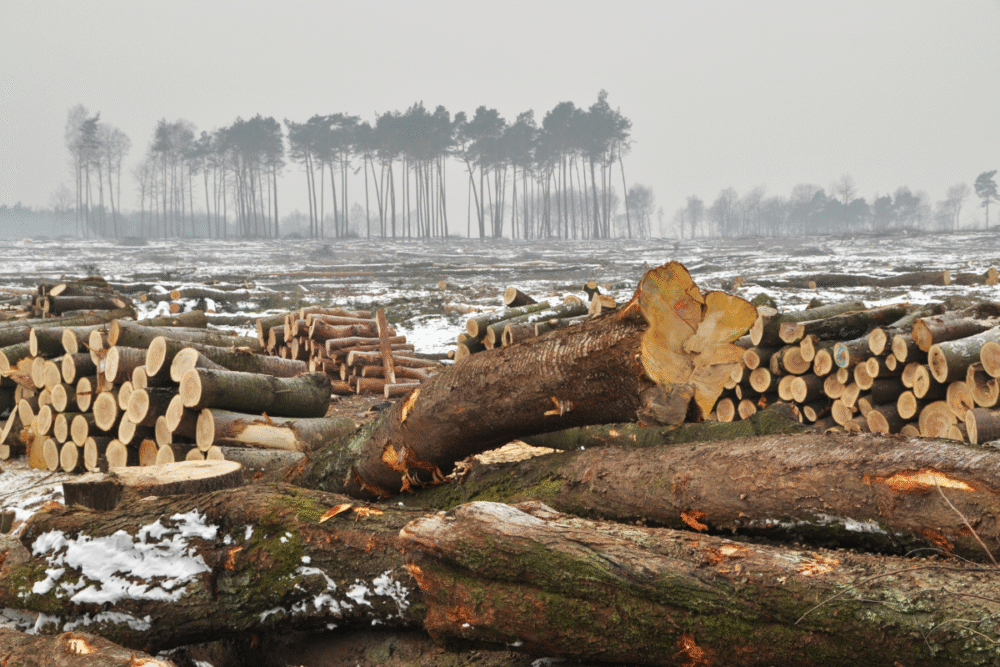
Every time we clear forests for farms, drain wetlands for development, or convert grasslands into cities, we’re literally destroying the places where animals and plants live. This is the biggest single cause of extinctions worldwide, responsible for wiping out more species than any other human activity. When animals lose their homes, they often can’t find anywhere else to go.
The problem isn’t just cutting down trees—it’s also fragmenting habitats into tiny pieces that can’t support healthy populations. A small patch of forest surrounded by roads and buildings might look nice, but it’s usually too small to sustain the animals that used to live there. Many species need large territories or migration routes that human development has completely eliminated.
2. Agriculture expansion turns wild spaces into monoculture farmland.
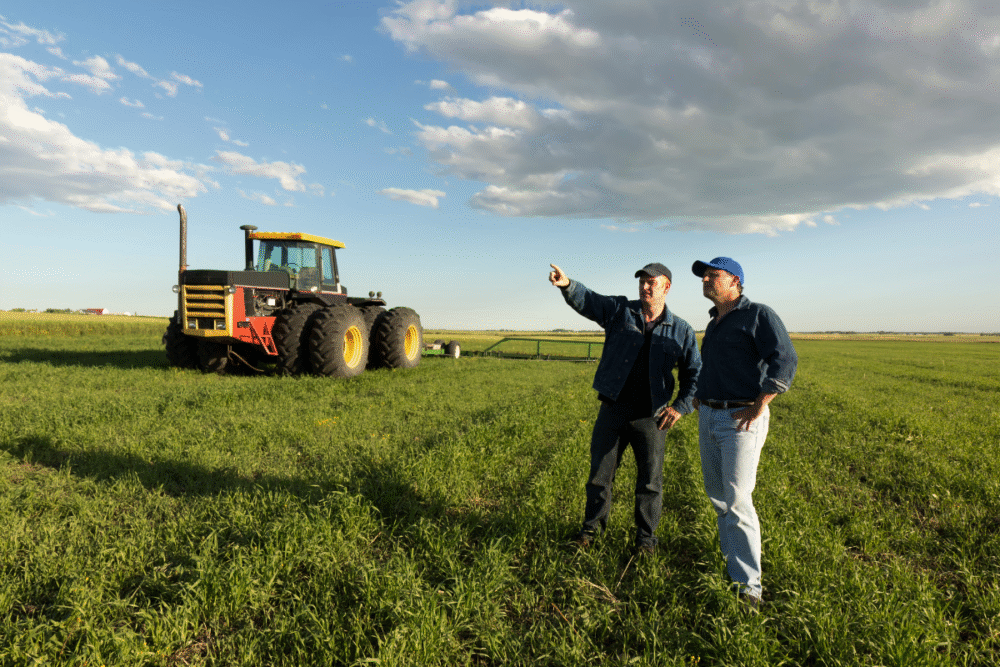
Farming now covers about 40% of Earth’s land surface, and it’s still expanding rapidly to feed our growing population. When natural ecosystems get converted to farmland, we lose all the diverse plant and animal communities that used to live there. Modern agriculture creates biological deserts where only crop plants can survive.
Even sustainable farming practices can’t support the same biodiversity as natural ecosystems. The push to grow more food means we’re constantly converting new wild areas into farmland, especially in biodiversity hotspots like tropical forests where the most species live. Every acre of rainforest turned into farmland can eliminate dozens or hundreds of species.
3. Urban development creates concrete jungles where wildlife can’t survive.

Cities and suburbs are expanding everywhere, covering natural habitats with buildings, roads, and parking lots that create environments completely hostile to most wildlife. Urban development doesn’t just eliminate habitat—it also creates barriers that prevent animals from moving between remaining natural areas.
The infrastructure that supports urban life, like roads and power lines, kills millions of animals every year through collisions and electrocution. Light pollution from cities disrupts animal behavior, while noise pollution interferes with communication and navigation for many species. Even green spaces in cities usually can’t support the diverse communities that existed before development.
4. Climate change pushes species beyond their survival limits.

Rising temperatures, changing precipitation patterns, and more extreme weather events are forcing species to adapt faster than evolution allows. Many plants and animals are specialized for specific climate conditions and simply can’t survive when those conditions change rapidly. Mountain species are running out of cooler elevations to escape to, while Arctic animals are losing ice habitat entirely.
Climate change also shifts the timing of seasonal events like flowering, migration, and breeding, which can disrupt the relationships between species that depend on each other. When flowers bloom before their pollinators emerge, or when prey animals migrate before their predators are ready, entire ecosystem relationships can collapse.
5. Pollution contaminates air, water, and soil that species depend on.
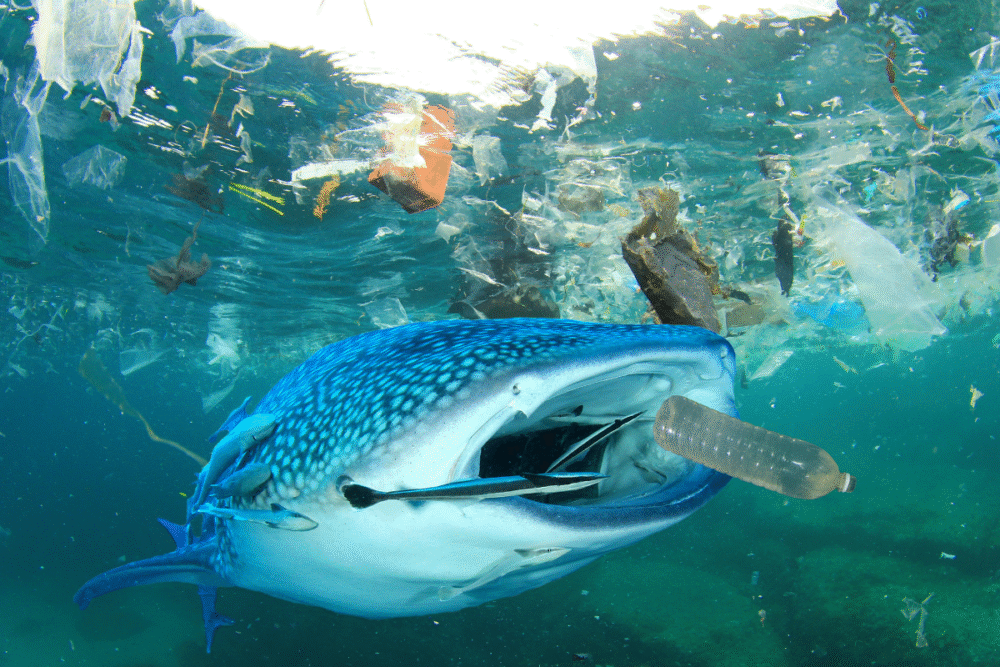
Chemical pollution from industrial activities, agriculture, and everyday products is poisoning ecosystems worldwide. Pesticides designed to kill agricultural pests also kill beneficial insects like bees and butterflies. Plastic waste is choking marine animals and contaminating food chains from the tiniest plankton to the largest whales.
Air pollution affects both terrestrial and aquatic ecosystems by changing atmospheric chemistry and creating acid rain that damages forests and lakes. Even pollution that doesn’t directly kill animals can weaken their immune systems, disrupt their reproduction, or make them more vulnerable to diseases and predators.
6. Overfishing empties oceans of marine life.
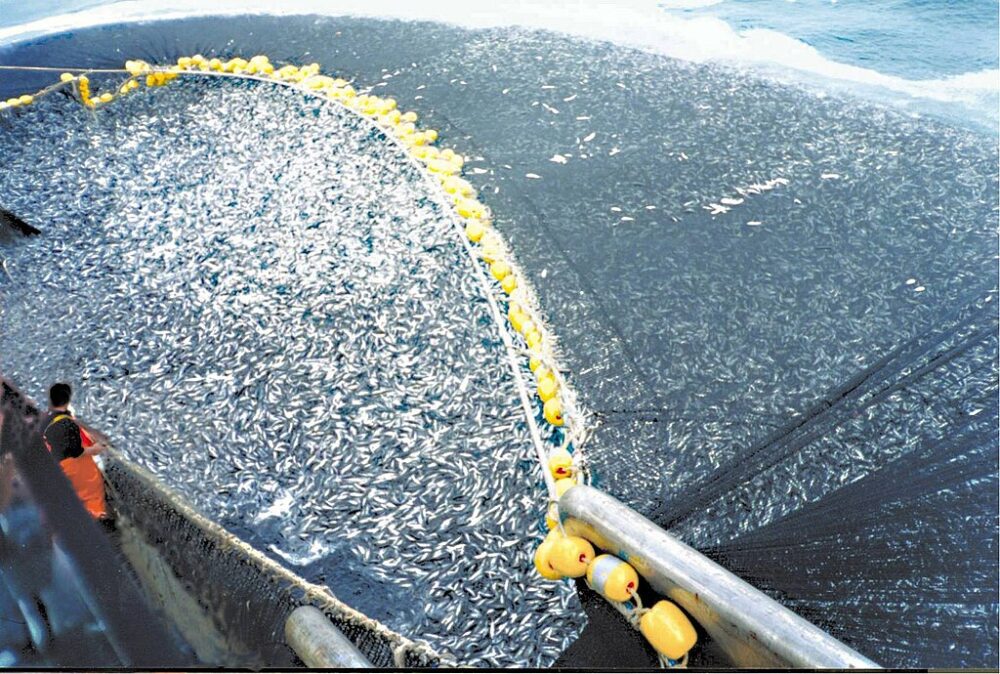
Industrial fishing has removed about 90% of large fish from the oceans, collapsing marine ecosystems that took millions of years to develop. Overfishing doesn’t just affect the species being caught—it disrupts entire food webs and eliminates the ecological relationships that keep marine systems healthy.
Destructive fishing practices like bottom trawling destroy seafloor habitats, while bycatch kills millions of non-target species including dolphins, sea turtles, and seabirds. Many fish populations have been reduced so severely that they can’t recover even when fishing pressure is reduced, leading to permanent ecosystem changes.
7. Invasive species introduced by human travel overwhelm native ecosystems.
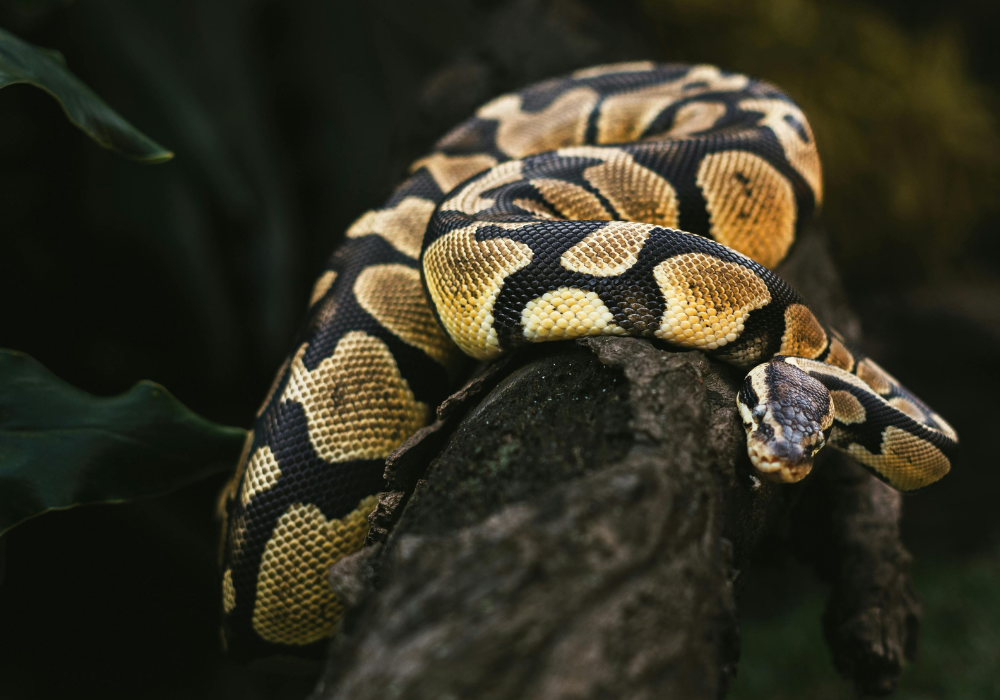
Global trade and travel have accidentally spread thousands of species to places where they don’t belong, and many of these invaders outcompete native species for resources. Without natural predators or diseases to keep them in check, invasive species often multiply rapidly and completely transform ecosystems.
Some invasive species spread diseases that native animals have no resistance to, while others change fundamental ecosystem processes like nutrient cycling or fire patterns. Islands are especially vulnerable to invasive species, which explains why about 75% of known extinctions have occurred on islands where native species had no evolutionary experience with foreign competitors.
8. Deforestation destroys Earth’s most biodiverse ecosystems.

Tropical rainforests contain more than half of all terrestrial species despite covering less than 10% of Earth’s land surface, making deforestation incredibly destructive for global biodiversity. When forests are cleared for logging, agriculture, or development, we lose not just trees but entire communities of plants, animals, fungi, and microorganisms.
Forest destruction also eliminates the complex relationships between species that have evolved over millions of years. Many rainforest species are specialists that depend on specific plants, pollinators, or habitat conditions that can’t be recreated once forests are destroyed. Scientists estimate that many species go extinct before they’re even discovered as forests disappear.
9. Water extraction and diversion dries up freshwater ecosystems.

Rivers, lakes, and wetlands are being drained or diverted for agriculture, industry, and urban water supplies faster than they can be replenished. Freshwater ecosystems have lost more species than any other type of habitat, with many rivers and lakes becoming too polluted or depleted to support their original wildlife.
Dams fragment river systems and prevent fish migration, while water extraction can completely dry up streams and wetlands during critical breeding seasons. Many freshwater species are highly specialized for specific water conditions and can’t survive when rivers are dammed, diverted, or polluted.
10. Mining and resource extraction devastate landscapes and contaminate environments.
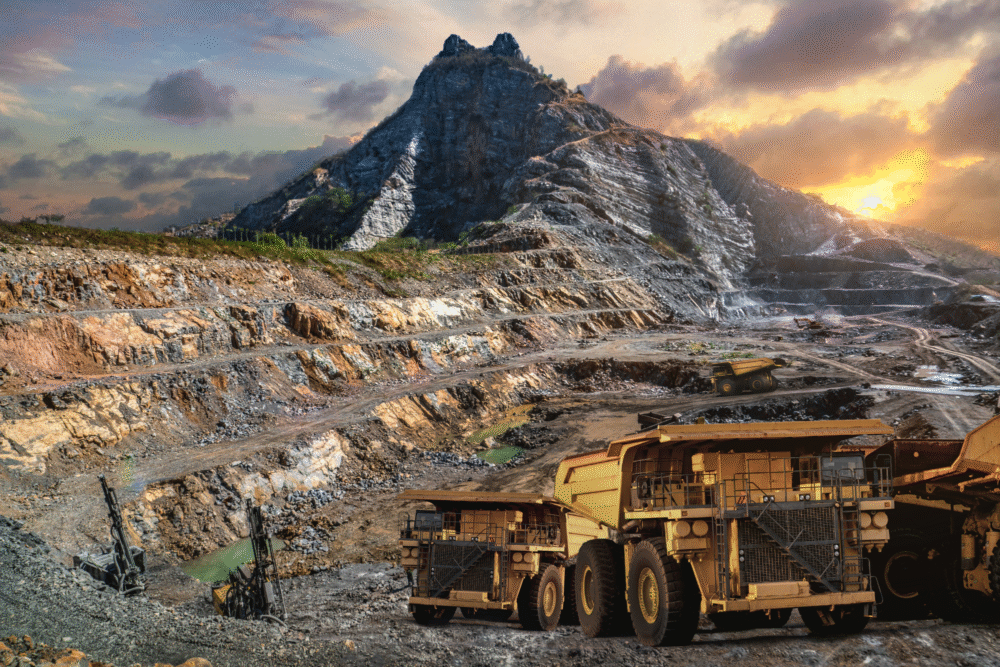
Mining operations strip away entire ecosystems to reach valuable minerals, metals, and fossil fuels underground. Surface mining can completely eliminate habitats across vast areas, while the waste products often contaminate surrounding environments with toxic chemicals that persist for decades or centuries.
Even after mining operations end, the environmental damage often continues through acid drainage, soil contamination, and habitat fragmentation that prevents ecosystem recovery. The global demand for minerals to support technology and infrastructure means mining pressure is increasing in some of Earth’s most biodiverse regions.
11. Consumption patterns drive demand for products that destroy habitats.

Our appetite for beef drives rainforest destruction for cattle ranching, while demand for palm oil leads to tropical forest conversion in Southeast Asia. The global trade in wildlife products pushes many species toward extinction through both legal and illegal harvesting. Even everyday products like paper, furniture, and cosmetics often come from industries that destroy natural habitats.
Consumer demand in wealthy countries drives environmental destruction in biodiverse regions around the world, creating a disconnect between consumption and conservation. Many people never see the environmental costs of their purchasing decisions because the impacts happen thousands of miles away in ecosystems they’ll never visit.