
Scientists reveal how moons shape weather patterns, ocean tides, and atmospheric conditions across the solar system.
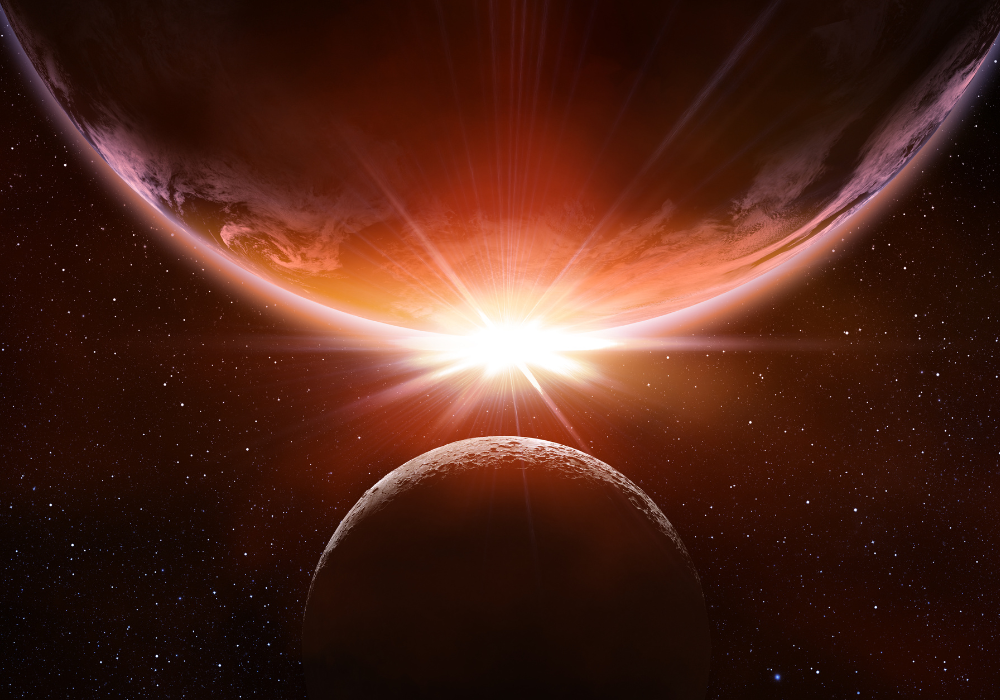
When you look up at the moon, you probably think of it as a pretty but fairly useless rock floating in space. Turns out, you couldn’t be more wrong. Scientists are discovering that moons are actually some of the most important climate controllers in the universe, quietly shaping weather and keeping planets livable in ways most people never imagine.
Our moon isn’t just creating those twice-daily tides at the beach. It’s literally holding Earth’s climate together and preventing us from experiencing the kind of catastrophic weather changes that would wipe out all life. And it’s not just Earth’s moon doing important work—moons throughout the solar system are creating weather, generating heat, and even making their own atmospheres.
1. Earth’s moon keeps our planet from turning into a climate disaster.

Without our moon, Earth would be completely uninhabitable. The moon’s gravity keeps our planet from wobbling like a spinning top that’s about to fall over. If Earth didn’t have the moon’s steadying influence, our planet would tilt wildly over time, creating ice ages and heat waves so extreme that nothing could survive them.
Think of the moon like a cosmic anchor that keeps Earth stable. Planets without big moons, like Mars, wobble all over the place and have terrible, constantly changing climates. We’re basically only alive because our moon keeps Earth steady enough for life to survive and evolve over billions of years.
2. Moon-powered tides do way more than just move water around.
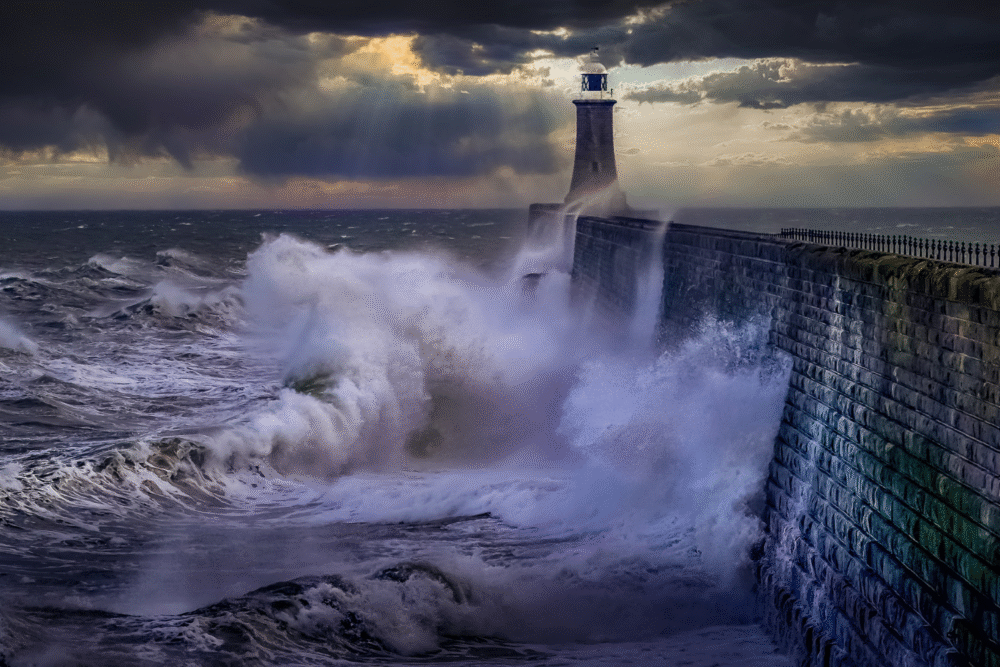
You know how the ocean goes in and out twice a day because of the moon? Those tides aren’t just affecting surfers and beachgoers. They’re actually driving massive ocean currents that move heat from hot places to cold places all around the world, keeping Earth’s climate balanced and livable.
Without tidal currents, the oceans would basically become stagnant pools that couldn’t do their job of regulating global temperatures. The moon’s gravity constantly stirs up the oceans, bringing nutrients to the surface and keeping the currents flowing that prevent the planet from having crazy temperature differences between different regions.
3. Jupiter’s moons create their own heat through cosmic squeezing.
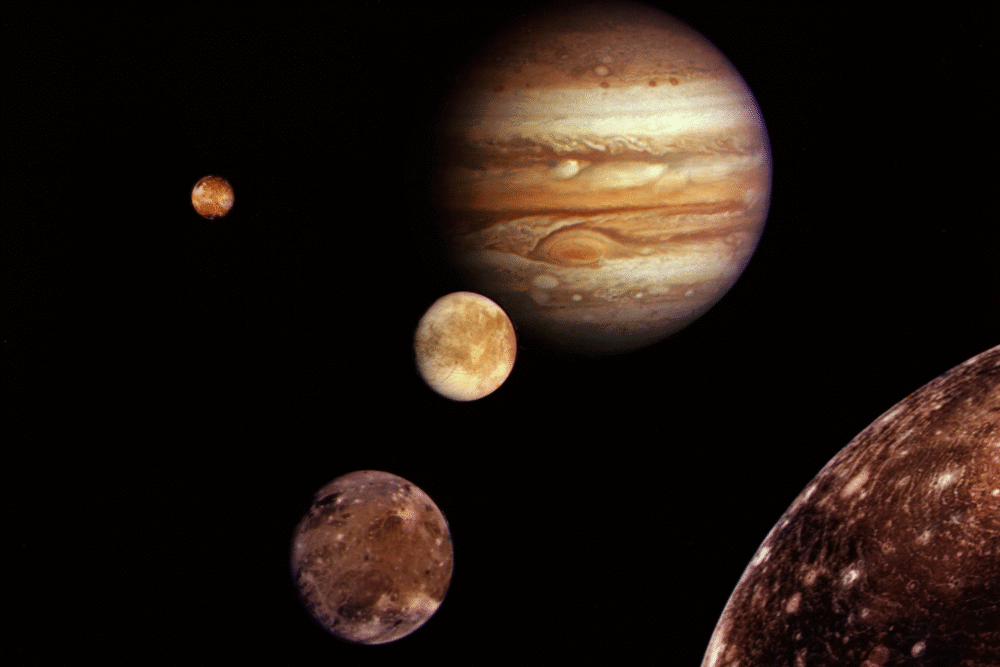
Jupiter is so massive that its gravity literally squeezes its moons like stress balls, generating heat from the inside out. This “tidal heating” makes some of Jupiter’s moons incredibly active, with volcanoes, underground oceans, and even their own weather systems, despite being much farther from the sun than Earth.
Io, one of Jupiter’s moons, is the most volcanic place in the entire solar system because Jupiter’s gravity keeps squeezing and stretching it. Europa has a liquid ocean under its ice because of this same heating effect. These moons show how gravity can create completely different types of climate systems that don’t depend on being close to the sun.
4. Saturn’s moon Titan has seasons that last decades.
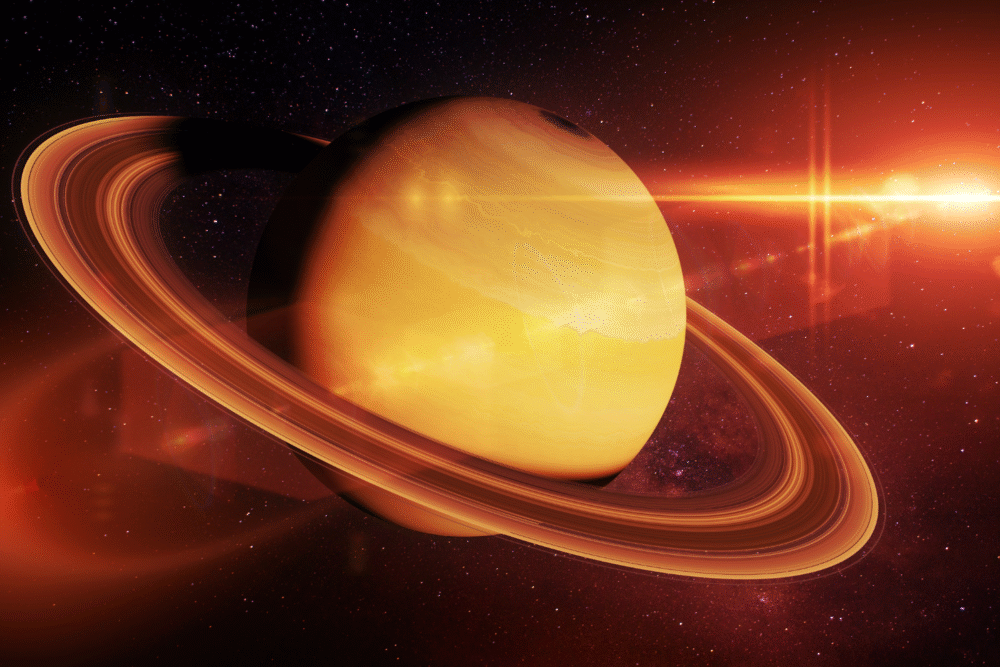
Titan, Saturn’s biggest moon, is one of the weirdest weather places in the solar system. It has thick clouds, lakes, and even rain, except everything is made of methane instead of water. Because Saturn takes almost 30 years to orbit the sun, Titan’s seasons last about 7 years each, creating incredibly long climate cycles.
During Titan’s decades-long seasons, entire regions shift between wet and dry periods as methane evaporates and rains down in different areas. It’s like having a planet where summer lasts for seven years, followed by a seven-year winter. Scientists are fascinated by how these super-long seasons create weather patterns completely unlike anything on Earth.
5. Volcanic moons can change their planet’s entire atmosphere.
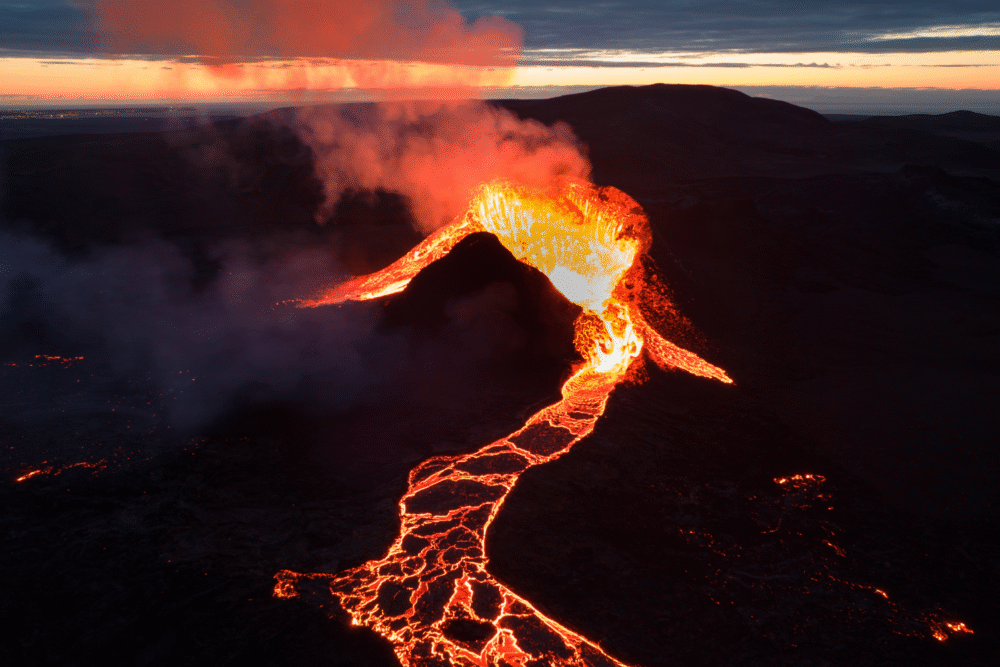
Some moons are so volcanically active that they constantly spew gases into space, which can actually change the atmosphere around their parent planets. Io shoots so much sulfur into space that it affects Jupiter’s magnetic field and creates colorful aurora displays. Other volcanic moons also pump out gases that alter their planetary neighborhoods.
This moon-generated pollution represents a completely different way that atmospheres can change over time. Instead of just getting gases from the planet itself, some planets get significant atmospheric contributions from their volcanic moons, creating unique chemical environments that wouldn’t exist otherwise.
6. Bright moons can actually warm up their planets by reflecting extra sunlight.
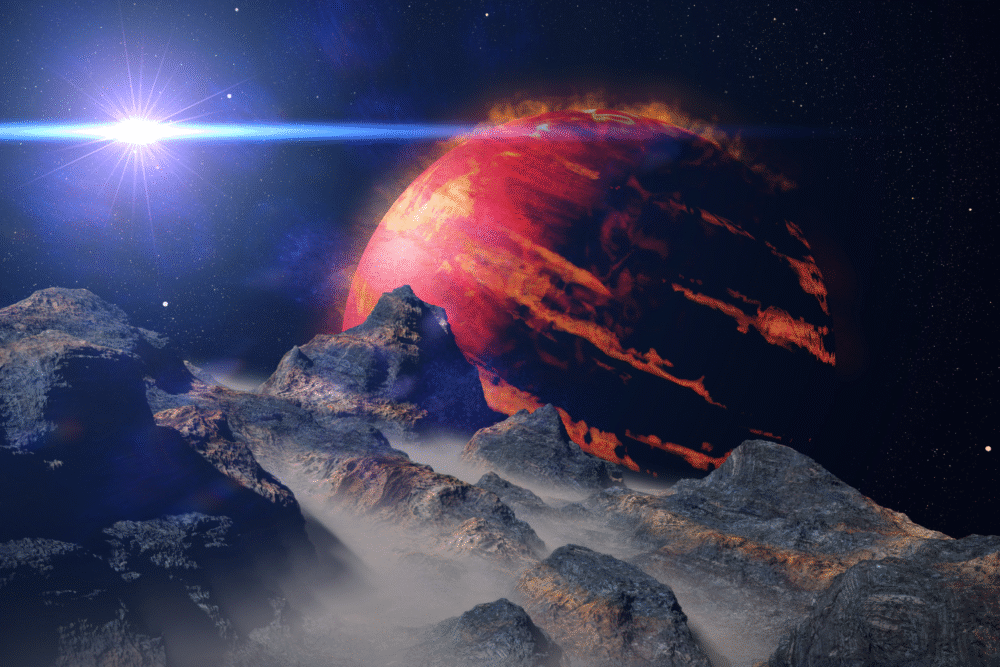
Large, bright moons act like cosmic mirrors, bouncing sunlight back toward their planets and providing extra heating beyond what the sun alone provides. This reflected light can actually influence weather patterns and temperature distributions, especially for planets with really reflective moons or multiple large satellites.
The amount of extra heating depends on how bright and big the moons are. Some moons reflect a lot more light than others depending on what their surfaces are made of, creating variable heating effects that change as the moons orbit around their planets.
7. Magnetic moons create invisible forces that affect planetary weather.
Some moons have their own magnetic fields that interact with their planet’s magnetic field in ways that can influence atmospheric processes. These invisible magnetic interactions affect how solar wind particles hit planetary atmospheres, which can change weather patterns by altering how much energy reaches the upper atmosphere.
Ganymede, one of Jupiter’s moons, has a magnetic field that creates complex interactions with Jupiter’s massive magnetosphere. These electromagnetic effects can drive atmospheric chemistry changes that affect long-term climate conditions in ways scientists are still trying to understand.
8. Multiple moons working together create incredibly complex climate effects.
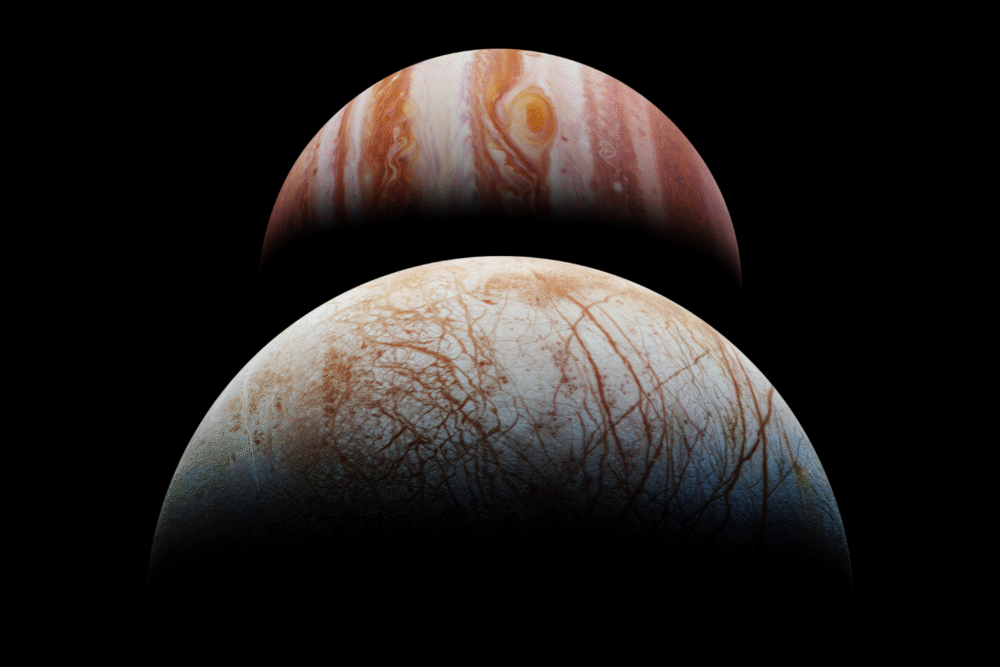
When planets have several large moons, their combined gravitational effects can create much more complex climate influences than single moons produce. The timing and spacing of multiple moons can generate intricate gravitational patterns that affect everything from planetary rotation to atmospheric circulation.
Jupiter’s four biggest moons have orbital patterns that line up in ways that amplify their effects on the planet and each other. These multi-moon systems show how celestial mechanics can create surprisingly complex climate drivers that are much more complicated than what single moons produce.
9. Moons create invisible atmospheric tides that affect wind and weather.

Just like moons create ocean tides, they also generate atmospheric tides that influence wind patterns and weather systems. These effects are subtle on Earth but can be really significant on planets with thinner atmospheres or larger moons. Atmospheric tides can affect air pressure, wind speeds, and how gases move around in planetary atmospheres.
These gravitational effects on atmospheres represent another way that moons influence climate beyond their more obvious effects on oceans. Understanding atmospheric tides helps explain some weather patterns that can’t be explained just by solar heating or how fast planets spin.
10. Moon climates change dramatically as their orbits slowly evolve over time.
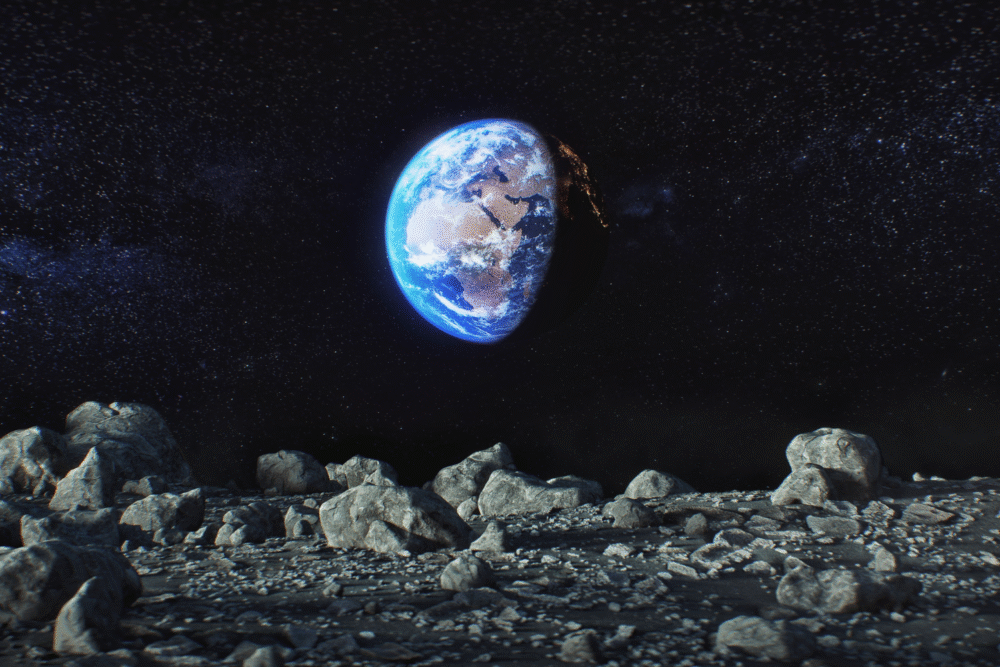
Moons gradually move closer to or farther from their planets over millions of years, which can completely transform their climate conditions. As orbital distances change, the heating effects from gravity get stronger or weaker, potentially changing active moons into dead rocks or bringing dormant moons back to life.
Some moons that are currently volcanically active might become quiet as they move away from their planets, while others might heat up as they spiral inward. These changes happen over geological timescales, but they show how moon climates aren’t permanent—they evolve as the solar system ages.
11. Planets around other stars might have moons with incredible climate diversity.
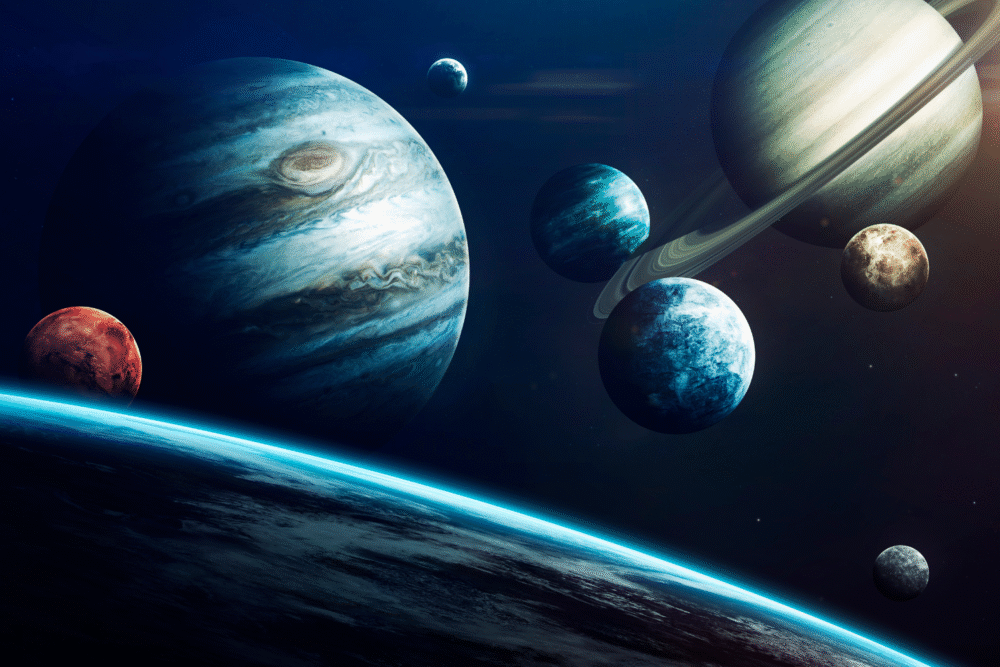
As scientists find planets around other stars, they’re realizing many probably have moon systems that could create climate conditions completely different from anything in our solar system. Some exoplanet moons might experience extreme heating, unusual orbital patterns, or other effects that could make them more habitable than the planets they orbit.
Understanding how moons affect climate helps scientists figure out which exoplanet systems might be good places to look for life. Some moons around distant planets might actually be better candidates for alien life than the planets themselves, opening up whole new possibilities for where life might exist.
12. Scientists now include moon effects when predicting planetary climates.
Modern climate computer models are getting much better at including moon effects when simulating how planetary climate systems work and evolve over time. Adding tidal forces, orbital mechanics, and gravitational interactions makes climate predictions more accurate and helps scientists understand which factors are most important for keeping climates stable.
These improved models help scientists better understand Earth’s climate history and predict future changes while also helping evaluate whether other planets might be habitable. Recognizing moons as important climate drivers is changing how scientists study weather and climate throughout the universe.