
Experts reveal how climate change and human activity are driving species loss at rates not seen since the dinosaurs died out.

Earth has experienced five major mass extinctions throughout its history, each wiping out most life on the planet and reshaping evolution for millions of years afterward. Scientists now warn that we’re entering a sixth mass extinction event, but this time humans are the cause. Species are disappearing at rates hundreds or thousands of times faster than natural background extinction rates, and the pace is accelerating as climate change intensifies.
Unlike previous mass extinctions caused by asteroids or massive volcanic eruptions, this extinction crisis is happening because of human activities like habitat destruction, pollution, and greenhouse gas emissions. The difference is that we can still do something about it, but the window for action is closing rapidly as ecosystems worldwide show signs of collapse.
1. Species are vanishing up to 10,000 times faster than they should naturally.
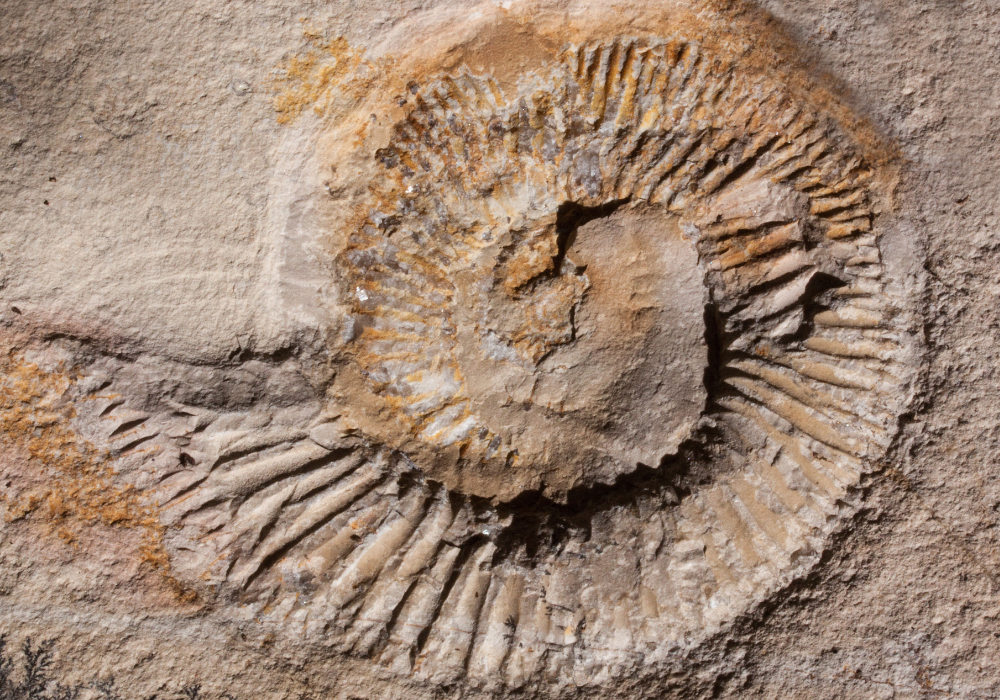
Under normal conditions, species go extinct at a predictable background rate based on natural evolutionary processes. Scientists estimate this natural rate at about one species per million per year. But current extinction rates are somewhere between 100 to 10,000 times higher than this baseline, meaning we’re losing species at a pace that’s completely unprecedented in human history.
This acceleration represents a fundamental breakdown in natural systems that have maintained relatively stable extinction rates for millions of years. The speed of current species loss means ecosystems don’t have time to adapt or recover, creating cascading effects that destabilize entire food webs and environmental systems that other species depend on for survival.
2. We’ve already lost over 60% of wildlife populations since 1970.
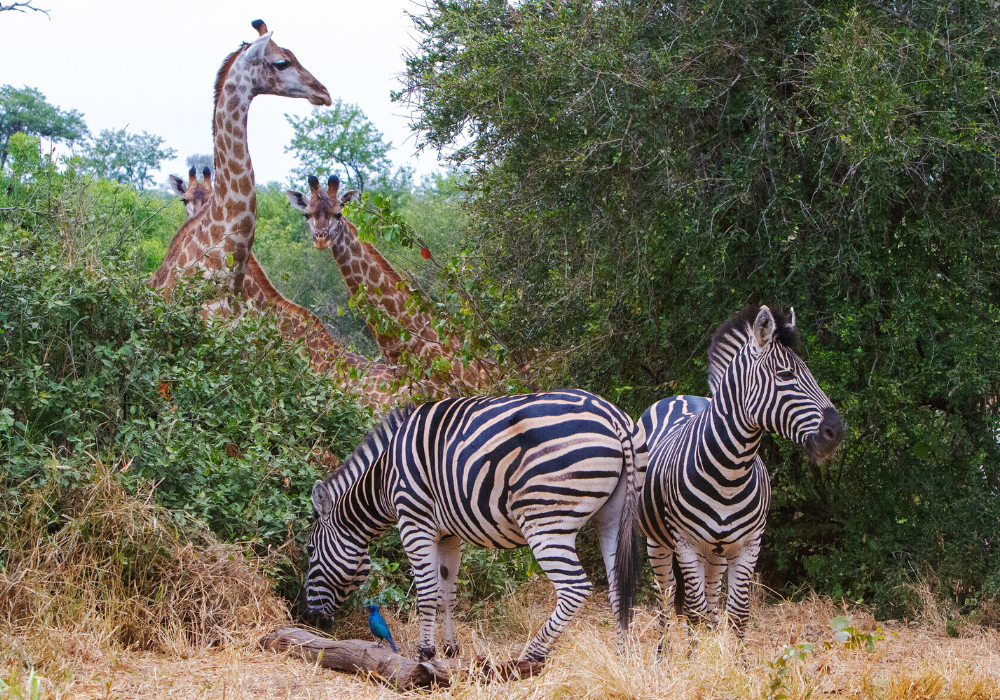
Global wildlife populations have declined by an average of 69% over the past 50 years, according to comprehensive scientific monitoring. This means that for every 10 animals that existed in 1970, only about 3 remain today. The losses affect everything from tiny insects to large mammals, with some regions experiencing even more dramatic declines in biodiversity.
These population crashes aren’t just about individual species disappearing entirely. They represent massive reductions in the abundance of life on Earth, which undermines ecosystem stability and the natural services that human societies depend on, like pollination, water purification, and climate regulation through healthy forests and wetlands.
3. Climate change is pushing species beyond their survival limits.
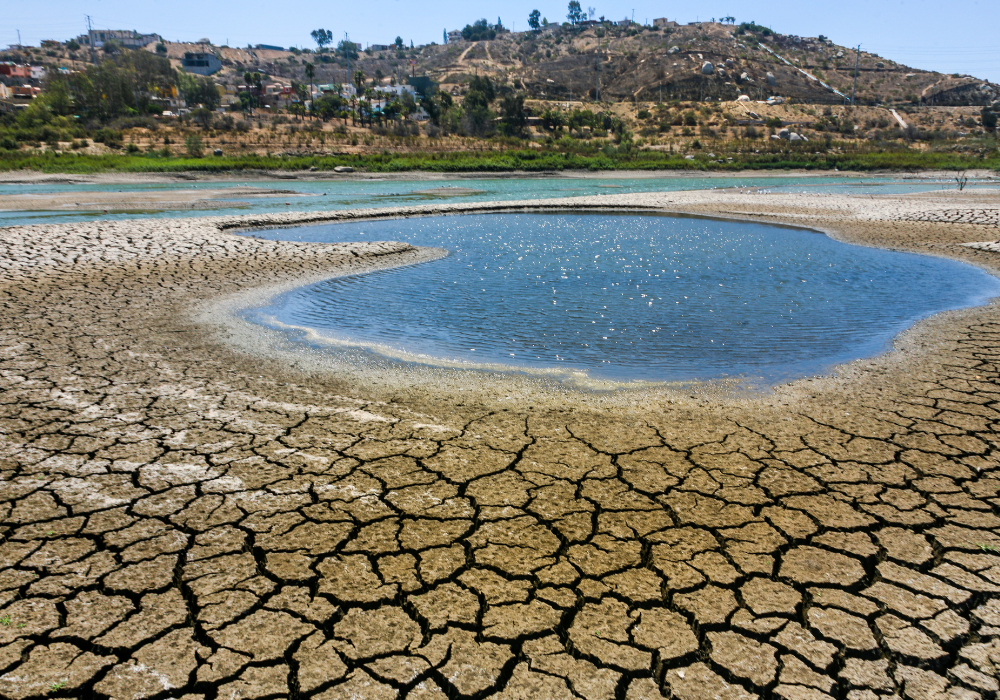
Rising temperatures are forcing species to migrate to cooler areas, but many can’t move fast enough or find suitable new habitats. Plants and animals that evolved over thousands of years to specific temperature ranges are suddenly facing conditions they can’t tolerate. Mountain species are running out of higher elevations to escape to, while Arctic animals are losing ice habitat entirely.
Ocean warming and acidification are particularly devastating for marine life. Coral reefs are bleaching and dying in massive numbers, while fish populations are shifting toward the poles as tropical waters become too hot. Many species simply can’t adapt quickly enough to survive these rapid changes in their fundamental living conditions.
4. Habitat destruction eliminates the spaces species need to survive.
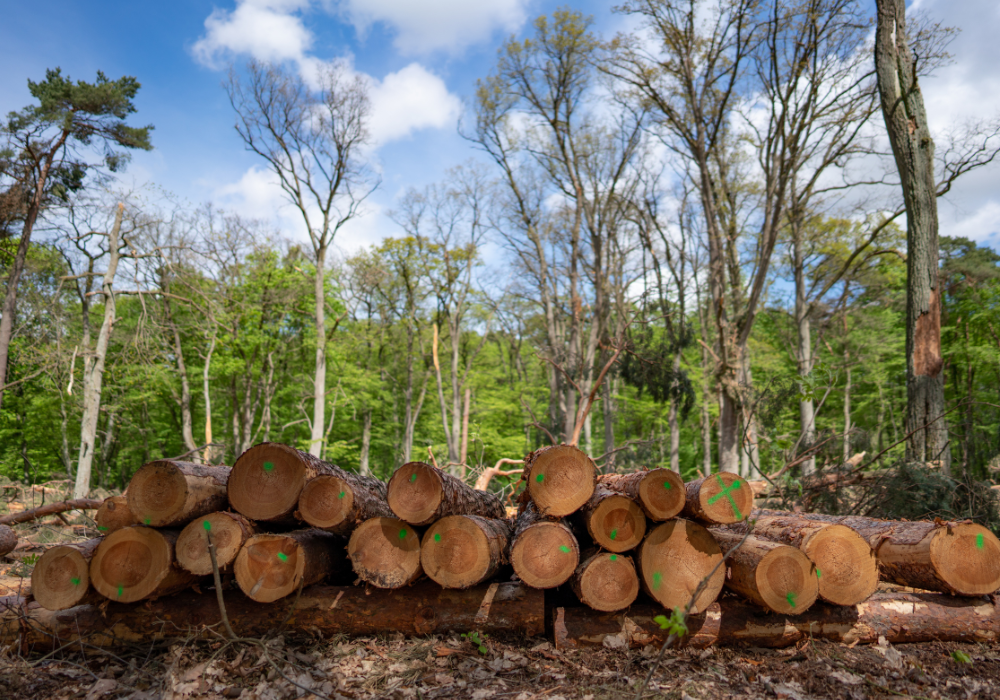
Human development, agriculture, and resource extraction have destroyed or fragmented most of Earth’s natural habitats. Forests are cleared for farmland, wetlands are drained for development, and grasslands are converted to cities. When species lose their homes, they often can’t find alternative places to live, breed, and find food.
Habitat fragmentation is especially deadly because it creates small, isolated patches of nature that can’t support viable populations. Many species need large territories or depend on seasonal migration routes that have been cut off by human development. Even species that survive habitat loss often end up in areas too small to maintain healthy populations over time.
5. Pollution is poisoning ecosystems from the microscopic level up.

Chemical pollution, plastic waste, and agricultural runoff are contaminating air, water, and soil worldwide. Pesticides designed to kill insects don’t distinguish between harmful pests and beneficial species like bees and butterflies. Ocean plastic is being eaten by marine animals, while chemical pollutants accumulate in food chains and interfere with reproduction and development.
Even pollution that doesn’t directly kill animals can weaken their immune systems, disrupt their behavior, or make them more vulnerable to diseases and predators. The cumulative effects of multiple pollutants create toxic environments where species struggle to survive and reproduce successfully, leading to gradual population declines that eventually result in local extinctions.
6. Invasive species are overwhelming native ecosystems.
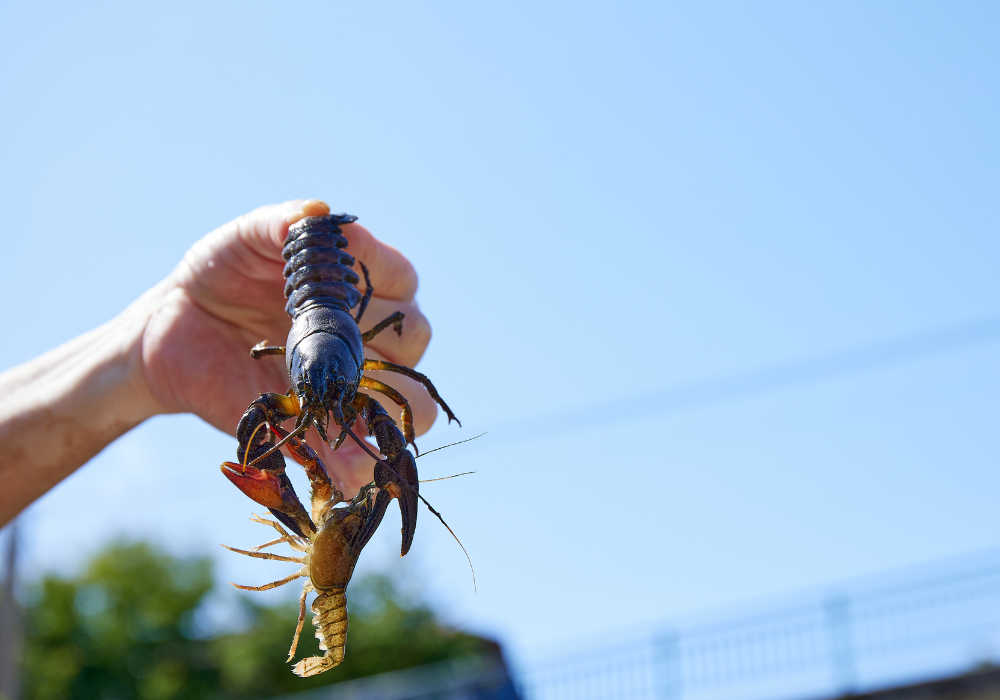
Human travel and trade have accidentally introduced countless species to places where they don’t belong. Without natural predators or competitors, these invasive species often multiply rapidly and outcompete native plants and animals for resources. Invasive species are now one of the leading causes of extinctions worldwide, especially on islands and in freshwater systems.
Some invasive species completely transform ecosystems by changing fundamental conditions like soil chemistry or water flow patterns. Others spread diseases that native species have no resistance to. The problem is getting worse as global travel increases and climate change creates new opportunities for invasive species to establish themselves in previously unsuitable areas.
7. Ocean acidification is dissolving marine ecosystems.

As oceans absorb excess carbon dioxide from the atmosphere, they become more acidic, making it difficult for shellfish, corals, and other marine organisms to build and maintain their calcium carbonate shells and skeletons. This process is literally dissolving the foundations of marine food webs, affecting everything from tiny plankton to large fish and marine mammals.
Ocean acidification is happening faster than at any point in the past 300 million years, giving marine life no time to adapt to the changing chemistry. Coral reefs, which support about 25% of all marine species, are particularly vulnerable. As these reef ecosystems collapse, they take thousands of dependent species with them.
8. Insect populations are crashing worldwide with devastating consequences.
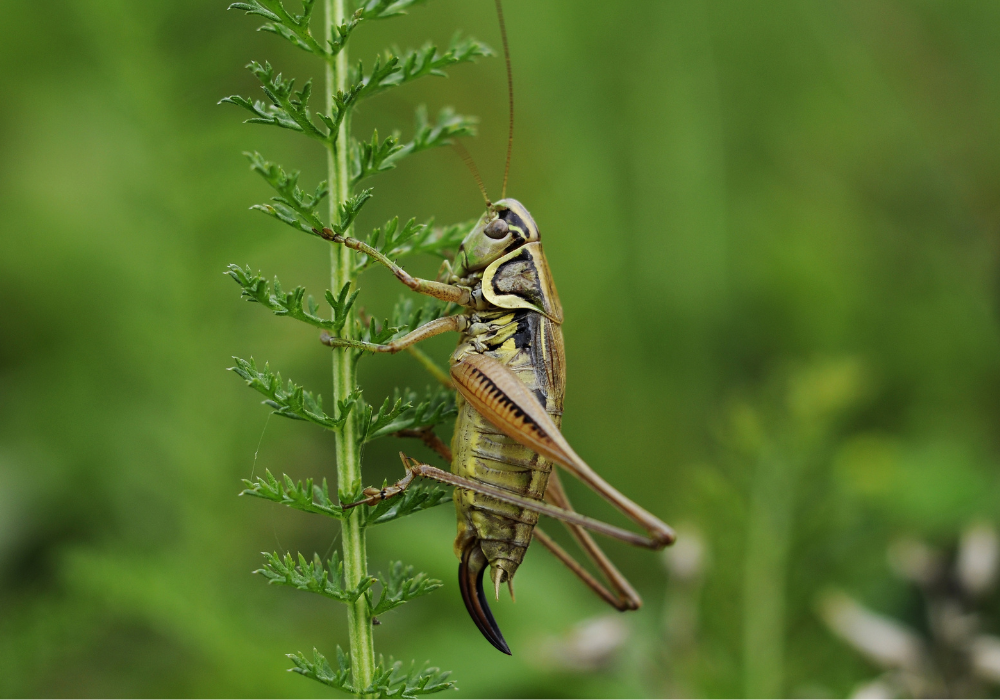
Insects are disappearing at alarming rates, with some studies showing declines of 75% or more in insect biomass over just a few decades. Since insects pollinate most flowering plants and form the base of countless food webs, their loss creates cascading effects throughout entire ecosystems. Many bird, bat, and fish populations are declining because they can’t find enough insects to eat.
The insect crisis is particularly concerning because these animals reproduce quickly and should be able to recover from temporary setbacks. Their continued decline suggests that environmental conditions have become fundamentally hostile to insect survival. Without insects, most terrestrial ecosystems would collapse completely within a few years.
9. Freshwater ecosystems are among the most threatened on Earth.
Rivers, lakes, and wetlands have lost more species than any other type of ecosystem, with freshwater animal populations declining by an average of 84% since 1970. Dams fragment river systems, while pollution and water extraction destroy aquatic habitats. Climate change is altering precipitation patterns and increasing droughts and floods that further stress freshwater species.
Many freshwater species are highly specialized and can’t survive in degraded conditions. Fish that depend on specific water temperatures, flow rates, or seasonal patterns are disappearing as human activities alter natural water cycles. The loss of freshwater biodiversity undermines water quality and flood control services that human communities depend on.
10. Large animals are disappearing first, destabilizing entire ecosystems.
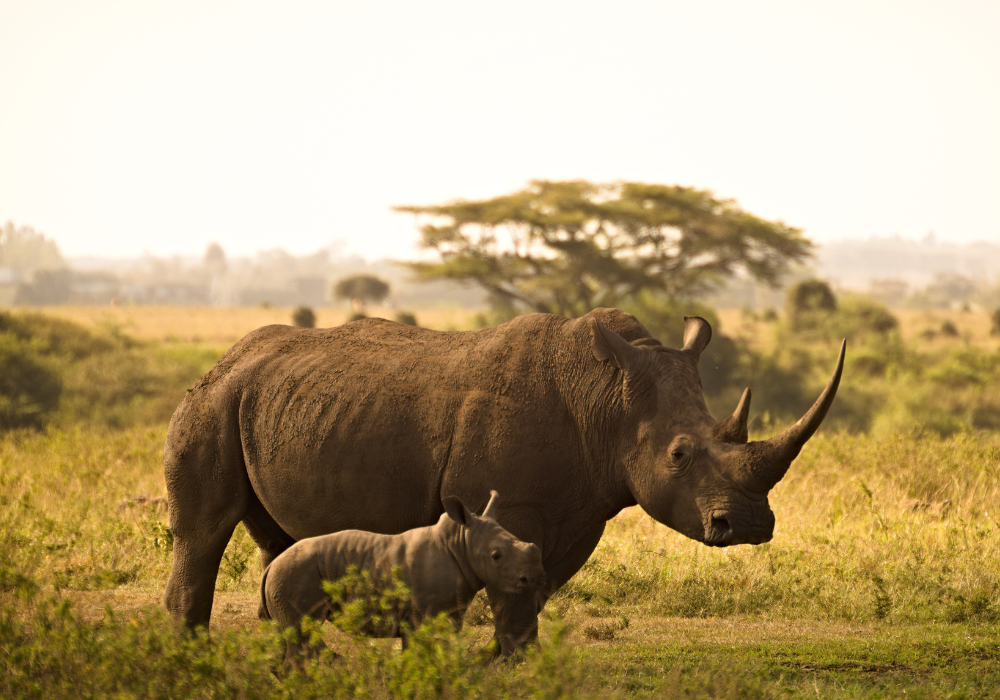
Megafauna like elephants, rhinos, and large predators are among the most vulnerable to extinction because they need large territories, reproduce slowly, and are often targeted by hunting or conflict with humans. These large animals play crucial roles in maintaining ecosystem balance by controlling herbivore populations, dispersing seeds, and creating habitat for other species.
When large animals disappear, ecosystems often shift into completely different states. Forests may become overgrown without large herbivores to maintain clearings, while predator loss can lead to overgrazing that destroys vegetation. These ecosystem shifts make it even harder for remaining species to survive and can trigger additional extinctions.
11. Island species face the highest extinction risk.

Islands contain many unique species that evolved in isolation and are especially vulnerable to threats like invasive species, habitat loss, and climate change. Island species often have small populations, limited genetic diversity, and nowhere to retreat when conditions become unfavorable. About 75% of known extinctions since 1500 have occurred on islands.
Rising sea levels threaten to submerge entire island ecosystems, while changing weather patterns can destroy the specific conditions that island species depend on. Many island plants and animals exist nowhere else on Earth, meaning their extinction represents the permanent loss of millions of years of unique evolutionary history.
12. Tropical rainforests are losing species faster than scientists can discover them.
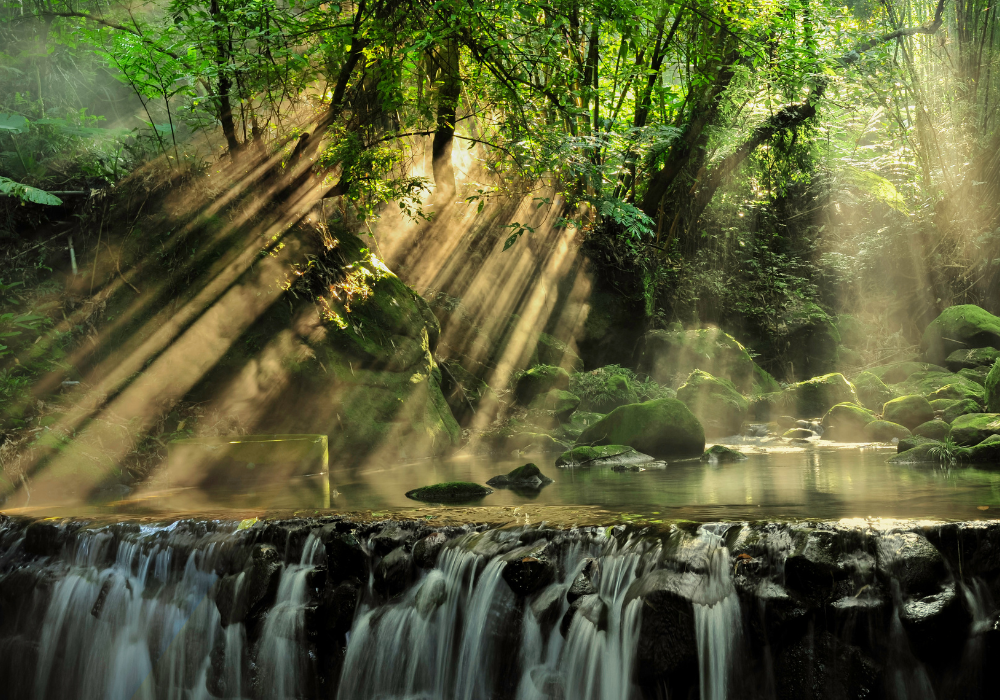
Tropical forests contain the majority of Earth’s terrestrial biodiversity, but they’re being destroyed at unprecedented rates for agriculture, logging, and development. Scientists estimate that many species go extinct before they’re even discovered and described by science. This hidden extinction crisis means we’re losing potential sources of medicines, foods, and other resources without ever knowing they existed.
Rainforest destruction also eliminates the complex relationships between species that have evolved over millions of years. When forests are fragmented or converted to farmland, specialized species that depend on specific plants, pollinators, or habitat conditions often can’t survive in the simplified environments that replace natural forests.
13. The extinction crisis threatens human survival and wellbeing.

Biodiversity loss undermines the natural systems that provide clean air and water, fertile soil, climate regulation, and protection from natural disasters. Many medicines come from natural compounds found in plants and animals that are now at risk of extinction. Food security depends on genetic diversity in crops and the wild relatives of agricultural species.
Ecosystem collapse could trigger social and economic instability as natural resources become scarce and environmental conditions deteriorate. The same activities driving mass extinction also threaten human health and safety through pollution, climate change, and environmental degradation. Preventing mass extinction isn’t just about saving other species—it’s about preserving the conditions that make human civilization possible.