
New research reveals how plastic chemicals can cross the placenta and affect fetal development, creating health risks for babies.
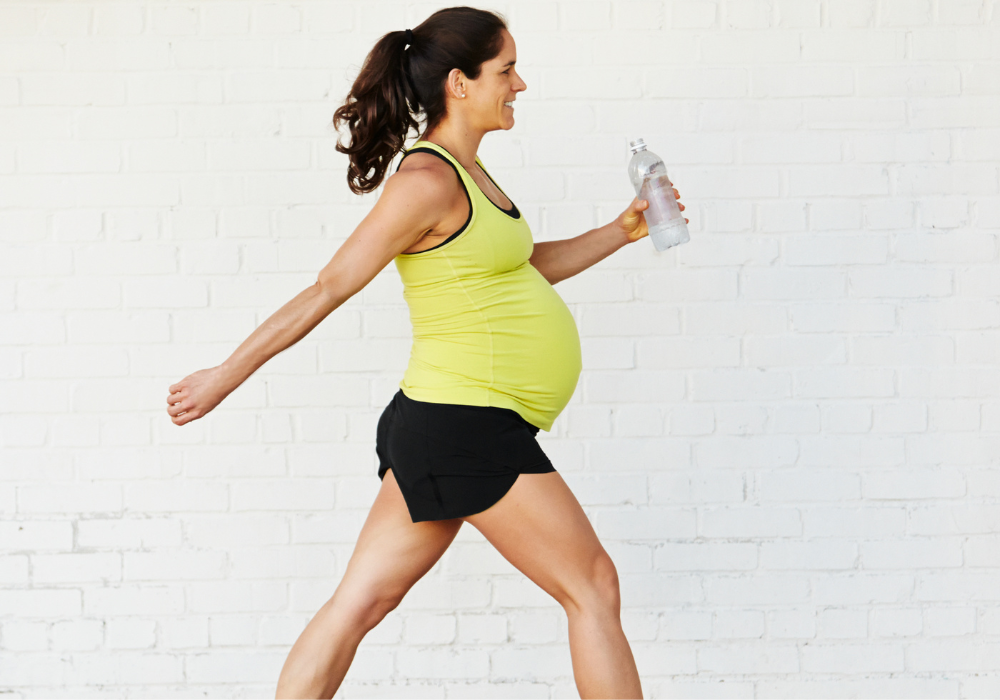
From the water bottle you drink from to the food containers in your refrigerator, plastic is everywhere in modern life—and new research is revealing concerning connections between plastic exposure during pregnancy and potential health risks for developing babies.
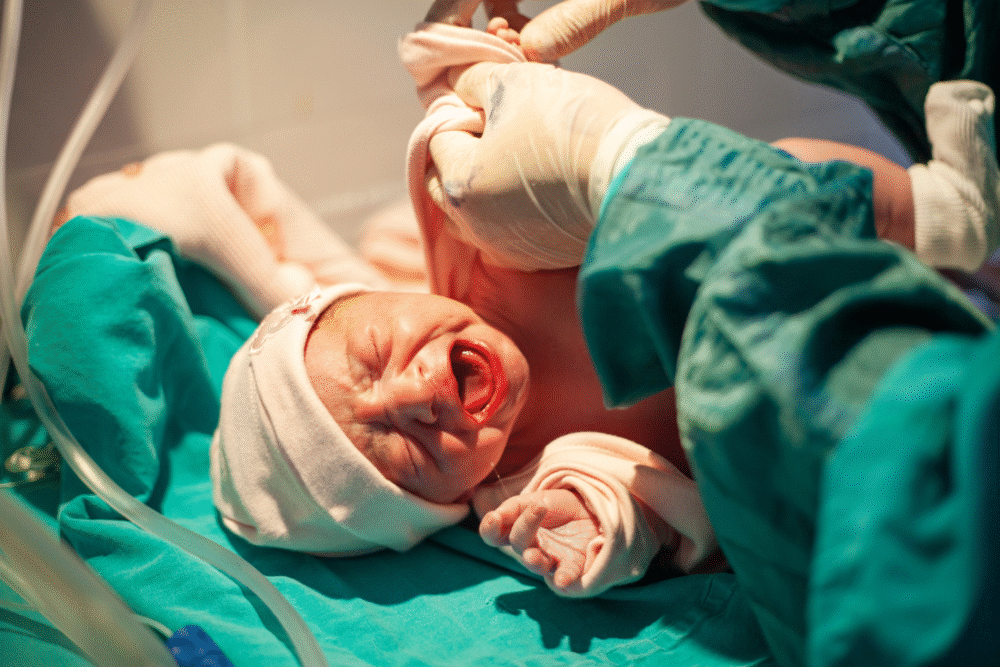
Scientists have discovered that chemicals from plastics can cross the placenta and reach growing fetuses, potentially affecting everything from brain development to hormone function. A recent study found plastic chemicals in 100% of placenta samples tested, while another detected microplastics in newborn blood just hours after birth.
While the full implications are still being studied, health experts are advising pregnant women to take simple precautions to reduce plastic exposure during this critical developmental window.
1. Plastic chemicals are showing up in placentas and newborn blood at alarming rates.

Recent medical studies have found plastic-related chemicals in every placenta sample tested, with some containing over a dozen different plastic additives that can interfere with normal fetal development. Even more concerning, researchers have detected actual microplastic particles in umbilical cord blood and newborn bloodstreams within hours of birth, proving that these materials cross the placental barrier.
The developing baby’s blood-brain barrier and organ systems are still forming, making them particularly vulnerable to chemical exposure that might not significantly affect adults. These findings represent the first direct evidence that plastic contamination reaches babies before they’re even born.
2. BPA and phthalates from plastic containers can disrupt your baby’s hormone development.

Bisphenol A (BPA) and phthalates, commonly found in plastic food containers and bottles, act like hormones in the body and can interfere with normal fetal hormone production. These chemicals are particularly concerning during pregnancy because they can disrupt the development of reproductive organs, brain function, and metabolism in growing babies.
Studies have linked prenatal exposure to these chemicals with increased risks of behavioral problems, learning difficulties, and reproductive issues later in childhood. Even “BPA-free” plastics often contain similar chemicals like BPS or BPF that may pose similar risks, making it important to reduce plastic food contact regardless of labeling.
3. Heating plastic containers releases more dangerous chemicals into your food and drinks.
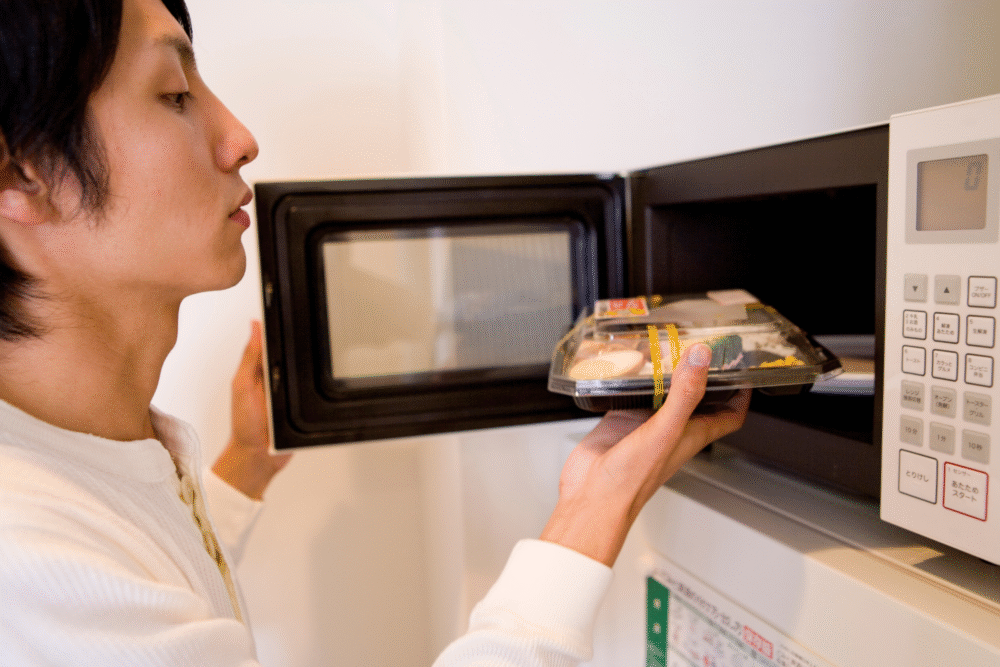
When plastic containers are microwaved, put in the dishwasher, or left in hot cars, they release significantly higher levels of chemicals into food and beverages. The heat breaks down the plastic structure and allows additives to leach out at rates up to 50 times higher than at room temperature.
This means that reheating leftovers in plastic containers, drinking from plastic water bottles left in warm cars, or using plastic baby bottles with hot formula can dramatically increase chemical exposure. Pregnant women should transfer food to glass or ceramic containers before heating and avoid drinking from plastic bottles that have been exposed to heat.
4. Microplastics in drinking water and food are accumulating in fetal tissues.
Tiny plastic particles smaller than a grain of sand are now found in most tap water, bottled water, and many foods, and these microplastics can cross the placenta and accumulate in developing baby tissues. Unlike chemical additives that the body can process and eliminate, these physical plastic particles may remain embedded in organs for extended periods.
Research suggests that microplastics can trigger inflammation and interfere with normal cell function, though the long-term health effects are still being studied. Pregnant women can reduce exposure by using water filters designed to remove microplastics and choosing foods with minimal plastic packaging when possible.
5. Personal care products contain hidden plastic chemicals that absorb through your skin.

Shampoos, lotions, makeup, and other personal care products often contain phthalates and other plastic-related chemicals that can be absorbed through the skin and reach the developing baby. These chemicals are frequently listed as “fragrance” on ingredient labels, making them difficult to identify and avoid.
Nail polish, hair spray, and perfumes tend to have particularly high concentrations of these chemicals, which can also be inhaled and absorbed through the lungs. Switching to products specifically labeled as phthalate-free or choosing fragrance-free options can significantly reduce exposure during pregnancy.
6. Plastic food packaging chemicals can affect your baby’s brain development and IQ.

Studies following children from birth have found that higher prenatal exposure to certain plastic chemicals is associated with lower IQ scores and increased attention problems by school age. The developing brain is particularly sensitive to chemical disruption during pregnancy, when crucial neural connections are forming rapidly.
Some plastic additives can interfere with thyroid hormones that are essential for normal brain development, while others may directly affect neurotransmitter function. While the research is still evolving, the potential for permanent cognitive effects makes reducing plastic exposure during pregnancy particularly important for protecting your baby’s intellectual development.
7. Timing matters—the first trimester appears to be the most critical period for plastic exposure risks.
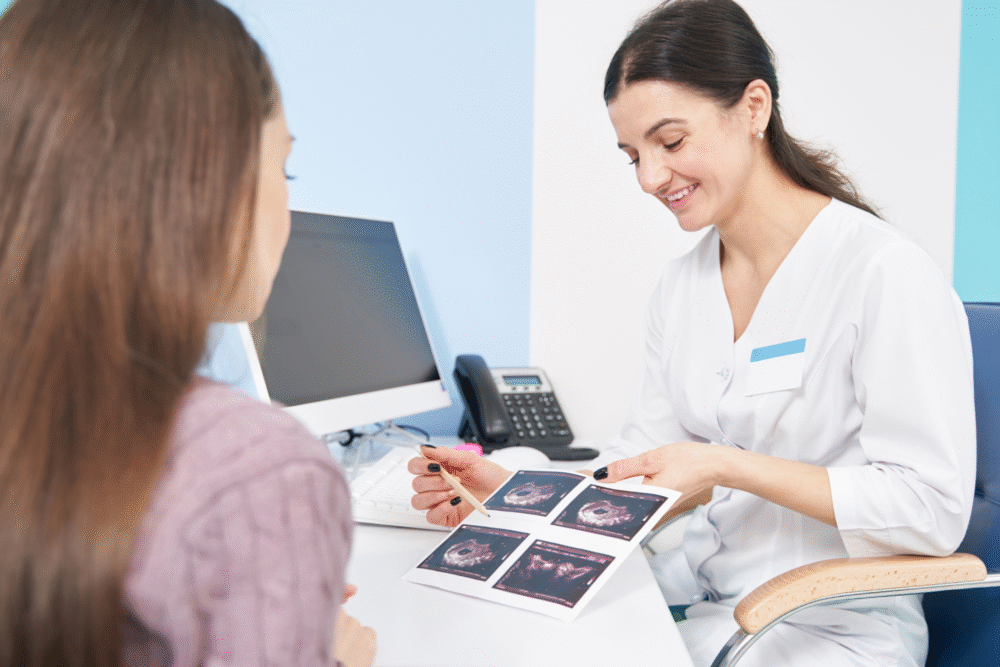
Research suggests that plastic chemical exposure during the first 12 weeks of pregnancy, when major organ systems are forming, may have the most significant impact on fetal development. This is when the baby’s brain, heart, reproductive organs, and other critical systems are developing rapidly and are most vulnerable to chemical interference.
Unfortunately, many women don’t realize they’re pregnant until several weeks into this critical period, making it important for women who are trying to conceive to begin reducing plastic exposure before pregnancy occurs. Even women who aren’t planning to get pregnant might want to consider reducing plastic exposure since many pregnancies are unplanned.
8. Your body’s natural detox systems work differently during pregnancy, making plastic chemicals more harmful.

Pregnancy naturally slows down some of the body’s processes for eliminating chemicals, meaning that plastic additives may stay in your system longer and reach higher concentrations than they would normally. The liver and kidneys, which typically filter out toxins, work less efficiently during pregnancy to accommodate the growing baby’s needs.
Additionally, increased blood volume during pregnancy can dilute some protective factors while concentrating others, potentially making plastic chemicals more likely to cross the placenta. This means that exposure levels that might be relatively harmless for non-pregnant adults could pose greater risks during pregnancy.
9. Simple swaps can dramatically reduce your plastic exposure without major lifestyle changes.
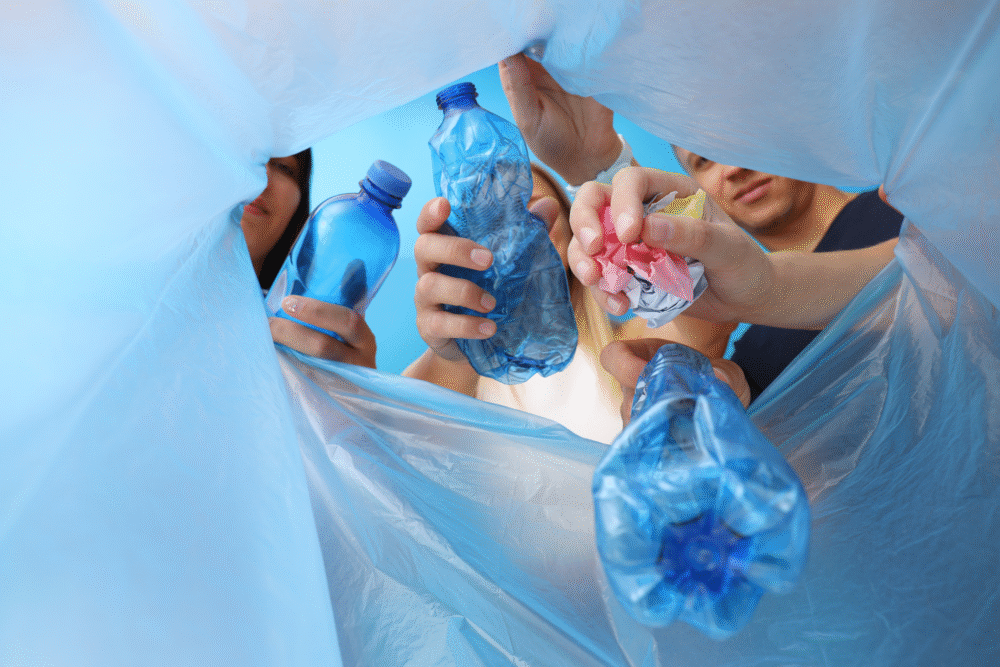
Replacing plastic food storage containers with glass or stainless steel options, using a water filter instead of bottled water, and choosing fresh foods over packaged alternatives can cut plastic chemical exposure by 60-70% within just a few days.
Other easy changes include using wooden or bamboo cutting boards instead of plastic ones, avoiding receipts printed on thermal paper (which often contain BPA), and choosing cosmetics and personal care products labeled as phthalate-free. These swaps don’t require giving up convenience entirely but can significantly reduce the chemical load reaching your developing baby.
10. The effects of prenatal plastic exposure may not show up until years later in your child’s development.

Unlike immediate birth defects that are visible at delivery, many of the health effects linked to plastic exposure during pregnancy don’t become apparent until childhood or even adolescence. Learning disabilities, attention problems, behavioral issues, and reproductive health problems may not be diagnosed until years after the initial exposure occurred.
This delayed timeline makes it difficult for parents to connect health issues with prenatal exposures, but also means that taking precautions during pregnancy could prevent problems that won’t be evident for many years. The investment in reducing plastic exposure now could pay dividends in your child’s long-term health and development.
11. Current safety regulations haven’t kept pace with the latest research on pregnancy and plastic exposure.

Many plastic chemicals currently considered “safe” by regulatory agencies were approved based on studies that didn’t specifically examine effects during pregnancy or on developing fetuses. The safety standards for most plastic additives were established decades ago and may not reflect current understanding of how these chemicals affect fetal development.
Additionally, most safety testing looks at individual chemicals rather than the combination effects of multiple plastic exposures that occur in real life. This means that pregnant women can’t rely solely on government safety assurances and may want to take extra precautions based on the latest scientific research, even if official recommendations haven’t yet caught up.