
New international agreement targets plastic pollution with regulations that could affect food packaging, health products, and consumer safety.
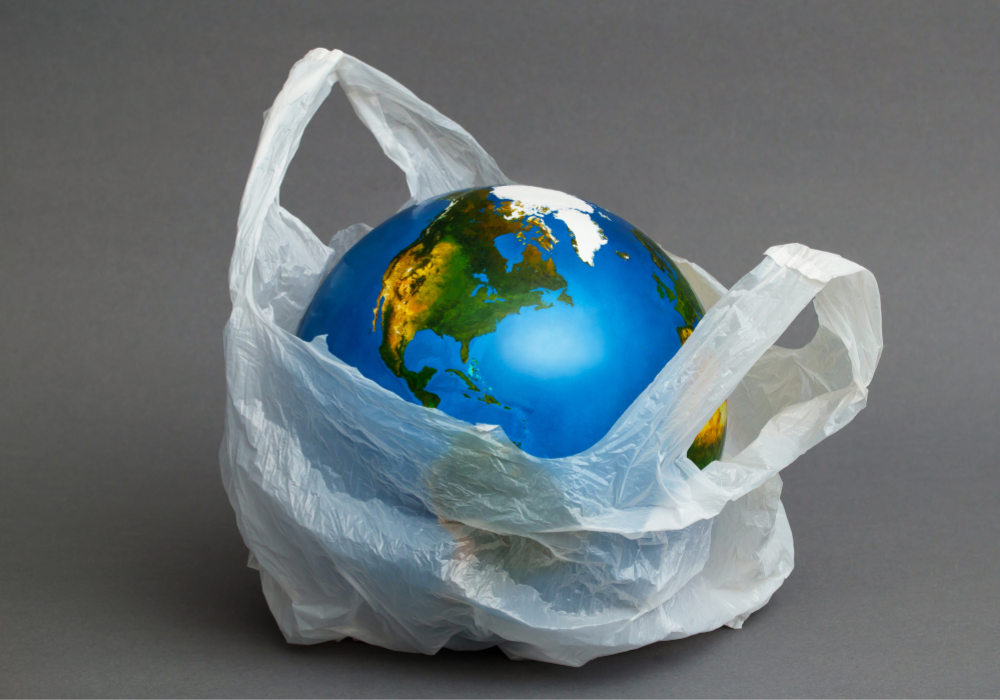
World leaders are currently negotiating what could become the most comprehensive international agreement on plastic pollution in history, and the outcome could dramatically change how plastic is made, used, and disposed of around the globe.
The Global Plastics Treaty talks, involving 175 countries, are in their final round of negotiations in Geneva this week, with discussions focusing on binding rules that could affect everything from the water bottles you buy to the medical devices in hospitals. However, reaching an agreement has proven challenging, with some major countries opposing mandatory production cuts in favor of increased recycling efforts.
A new report from The Lancet medical journal, released to coincide with these talks, reveals that plastic pollution is already costing the world $1.5 trillion annually in health-related expenses from diseases and deaths linked to plastic exposure.
1. Negotiators are deadlocked over whether to limit plastic production or focus on better recycling.
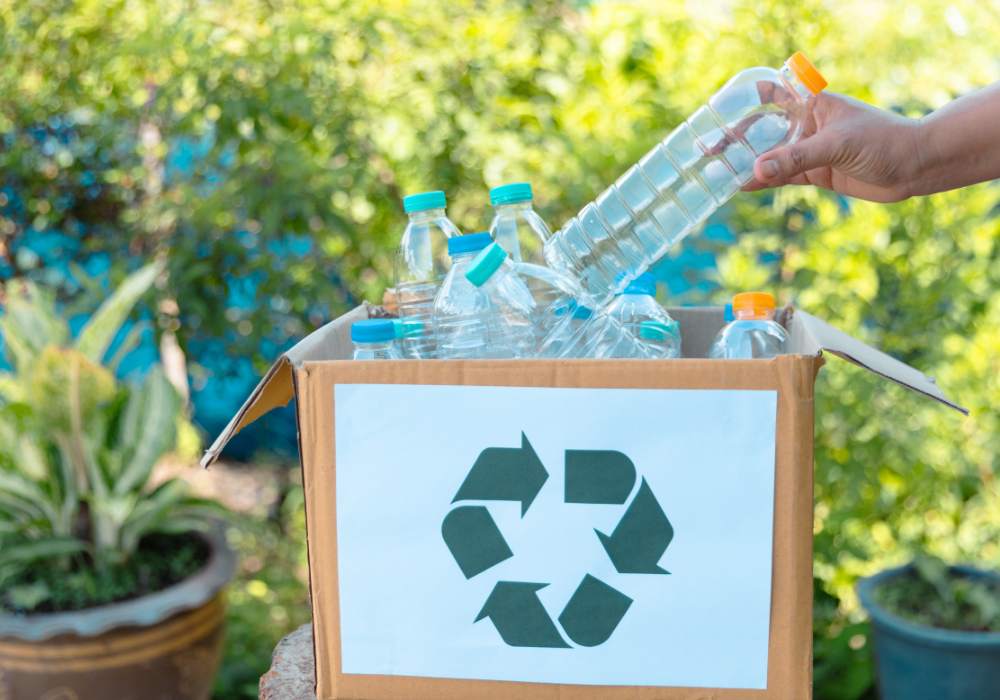
The biggest disagreement in the treaty talks centers on whether countries should be required to reduce how much new plastic they produce or simply improve recycling and waste management systems. A group of nations led by Rwanda and Peru wants mandatory caps on plastic production, arguing that recycling alone can’t solve the crisis since less than 10% of plastic currently gets recycled.
Major plastic-producing countries including China, Russia, Iran, and Saudi Arabia oppose production limits and instead want to focus on recycling improvements and waste management. This fundamental disagreement has stalled negotiations and could determine whether any final treaty will actually reduce plastic pollution or simply manage it better.
2. The health costs of plastic pollution are much higher than anyone realized, according to new research.
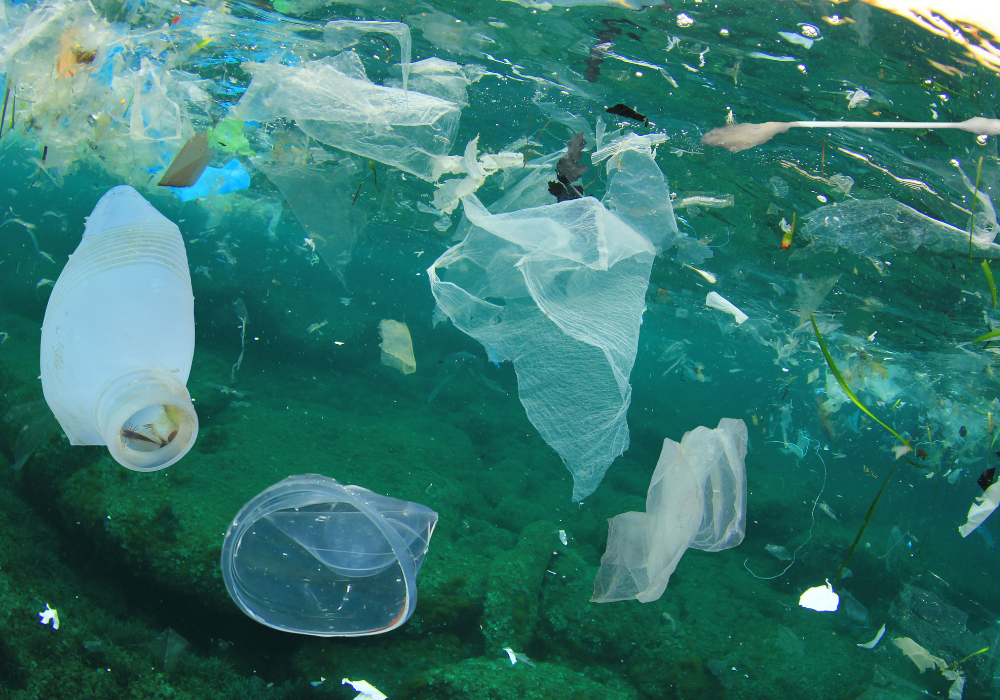
A comprehensive study published in The Lancet medical journal found that plastic pollution is causing $1.5 trillion in annual health costs worldwide as people suffer from diseases linked to plastic exposure. The research reveals that plastic chemicals enter human bodies through food containers, drinking water, and even the air we breathe, causing everything from developmental problems in children to cancer and heart disease in adults.
Unborn babies and young children face the highest risks, with plastic exposure linked to miscarriage, birth defects, reduced cognitive function, and diabetes. These staggering health costs provide new ammunition for countries pushing for strong treaty language that would actually reduce plastic production rather than just managing waste better.
3. Petrochemical companies are fighting treaty provisions that would hurt their growing plastic business.
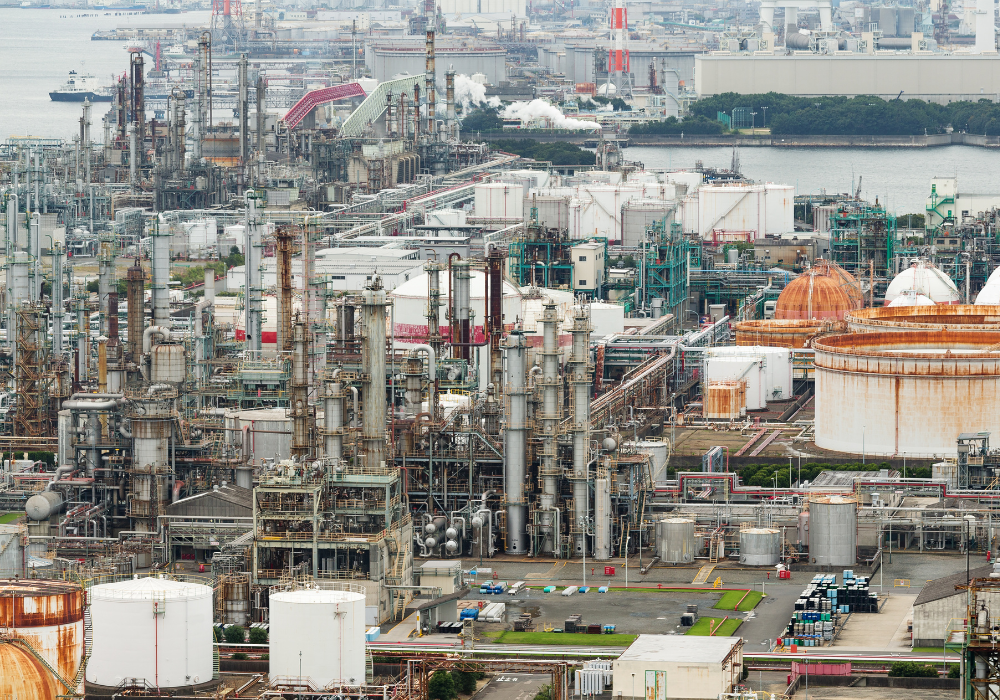
As demand for fossil fuels declines due to renewable energy adoption, oil and gas companies are increasingly pivoting their business models toward plastic production as a new source of revenue. The Lancet report identifies these petrochemical giants as a “key driver” of spiraling plastic production, and they’re actively lobbying against treaty provisions that would limit their ability to produce new plastic.
Industry representatives at the Geneva talks are pushing for voluntary rather than mandatory targets and emphasizing recycling solutions that would allow continued plastic production. This corporate resistance is making it harder for negotiators to agree on binding production limits that health experts say are necessary to protect public health.
4. Microplastics in food and water would face new regulations if the treaty includes health protections.

Scientists are finding tiny plastic particles in everything from bottled water and seafood to fruits and vegetables, and these microplastics are accumulating in human organs including the brain and heart. If negotiators can agree on health-focused treaty language, it could establish the first global standards for measuring and limiting microplastic contamination in food and drinking water.
This would require countries to regularly test for microplastics and take action when contamination exceeds safety thresholds, potentially leading to new food processing requirements and water filtration standards. However, industry groups argue that the science on microplastic health effects isn’t conclusive enough to justify expensive new regulations.
5. Single-use plastic bans could become mandatory worldwide, but only if enough countries agree.

Many negotiators want the treaty to require all participating nations to ban or severely restrict problematic single-use plastic items like shopping bags, disposable utensils, and takeout containers. Countries like Kenya and Rwanda, which have already implemented successful plastic bag bans, are pushing for global adoption of similar measures.
Some nations argue that banning single-use plastics could hurt businesses and consumers who rely on cheap, convenient packaging. The compromise being discussed would allow countries to choose from a menu of different approaches to reducing single-use plastics rather than mandating specific bans, but environmental groups worry this flexibility could make the treaty ineffective.
6. Chemical safety requirements for plastic products remain one of the most contentious issues.
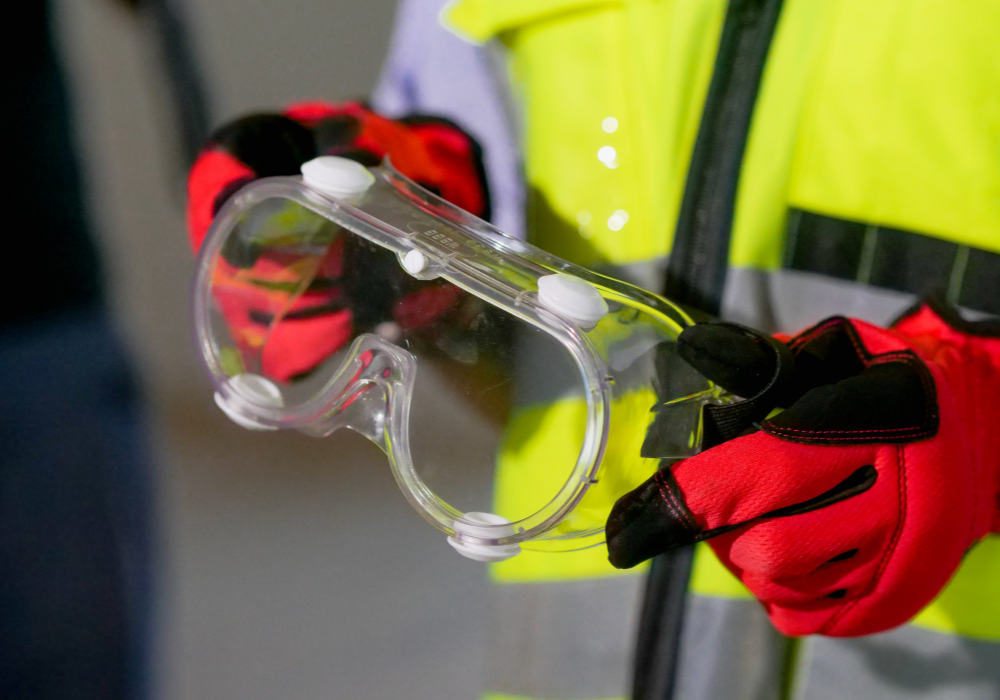
The treaty negotiations include proposals to ban or restrict thousands of chemicals used in plastic manufacturing that have never been properly tested for health effects. These chemicals, including phthalates, BPA, and various additives, can leach from plastic products into food, water, and air, potentially causing hormone disruption, cancer, and developmental problems.
Public health advocates want mandatory safety testing for all plastic additives before they can be used in consumer products, but chemical manufacturers argue this would be impossibly expensive and could ban useful chemicals based on insufficient evidence. Finding middle ground on chemical safety has proven to be one of the most challenging aspects of the negotiations.
7. Wealthy countries may be required to stop dumping their plastic waste on poorer nations.
For decades, rich countries have exported millions of tons of plastic waste to developing nations, often creating environmental disasters in communities that lack proper waste management infrastructure. Treaty negotiators are discussing provisions that would severely restrict or ban these waste exports, forcing wealthy countries to deal with their own plastic waste domestically.
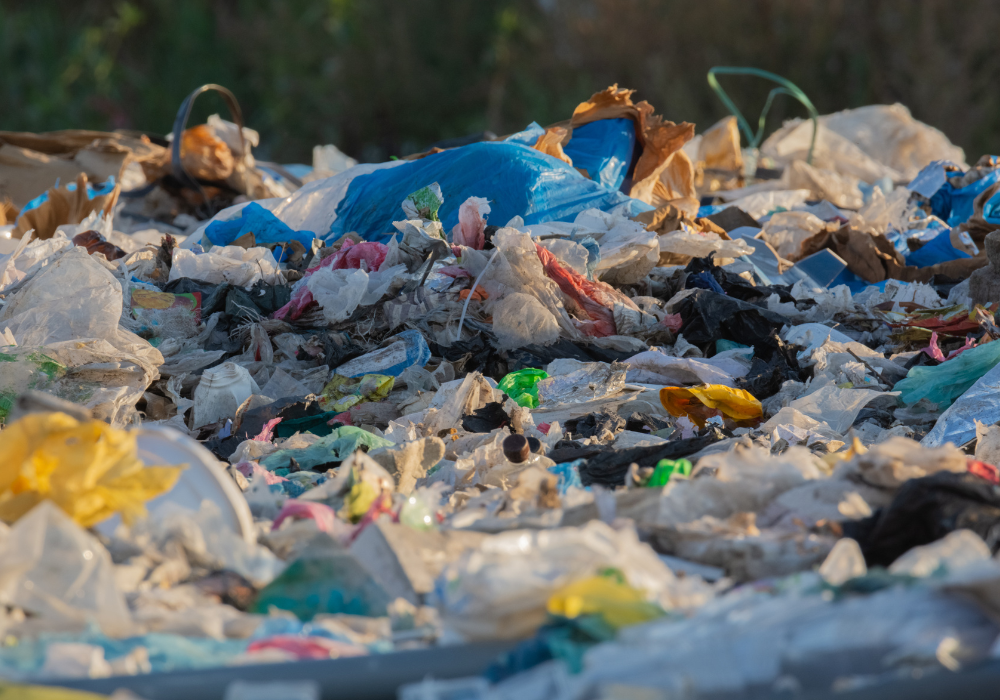
While this could reduce environmental injustice and force better waste management in rich countries, some nations worry about the cost and logistics of processing their waste locally. Developing countries are also concerned about losing income from waste processing industries, creating complex negotiations around equity and economic impacts.
8. Extended producer responsibility programs could make companies pay for plastic waste cleanup.
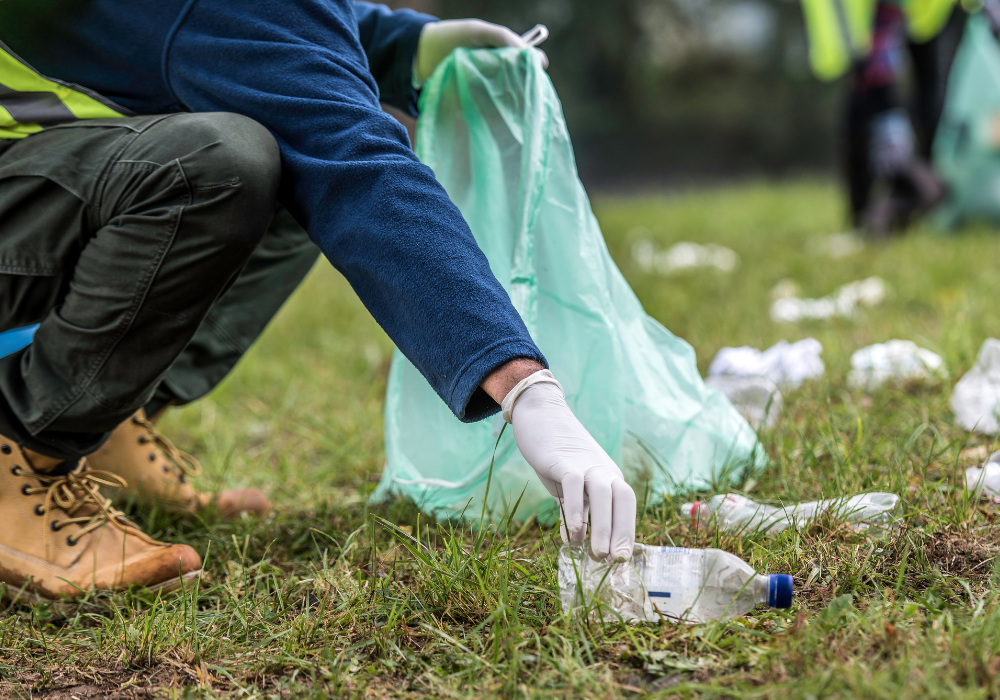
One of the more popular proposals in the treaty talks would require companies that manufacture plastic products to take financial responsibility for collecting, recycling, or disposing of those items after consumers discard them. This “extended producer responsibility” approach has been successful in some countries for electronics and batteries, creating incentives for companies to design products that are easier to recycle and last longer.
Implementing such programs globally would require complex new bureaucracies and could increase costs for businesses and consumers. Negotiators are debating whether to make these programs mandatory or simply encourage countries to adopt them voluntarily.
9. The plastic industry argues that innovation and recycling can solve the crisis without production limits.
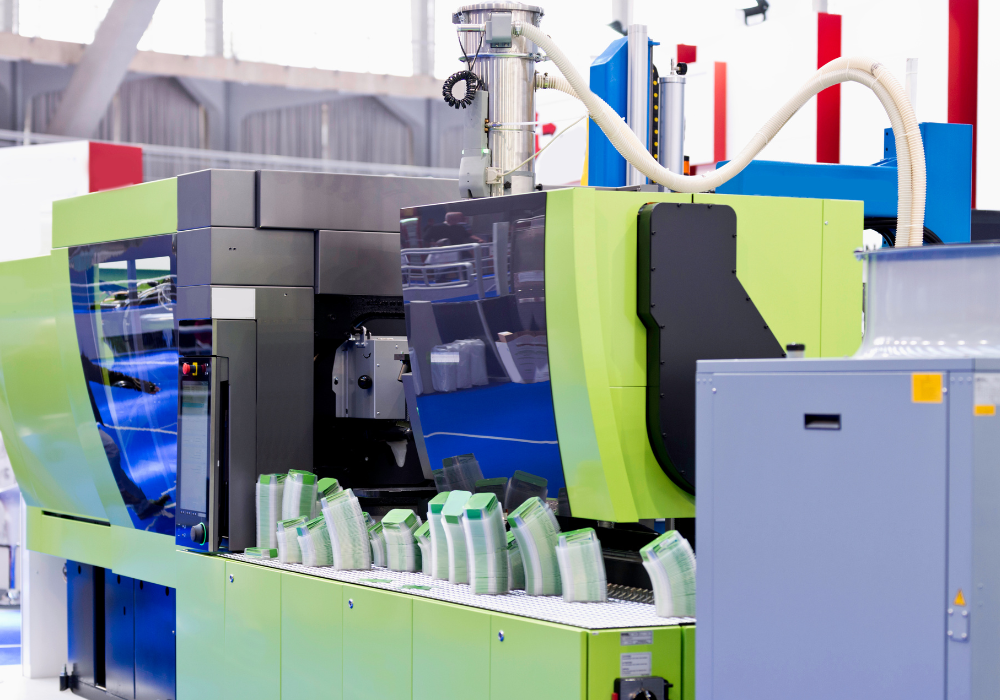
Industry representatives at the Geneva talks maintain that technological advances in recycling and the development of biodegradable alternatives can address plastic pollution without the need for production caps or bans. They point to emerging technologies that can break down plastic into its chemical components for reuse and new bio-based materials that could replace traditional plastics.
Environmental scientists counter that these technologies are still largely unproven at scale and that recycling rates have remained stubbornly low despite decades of efforts. The Lancet report specifically states that “the world cannot recycle its way out of the plastic pollution crisis,” setting up a fundamental disagreement about whether technological solutions alone are sufficient.
10. Monitoring and enforcement mechanisms could determine whether any treaty actually works.

Even if negotiators reach an agreement on treaty language, the deal’s effectiveness will depend on how well it’s monitored and enforced. Proposals include regular reporting requirements, international inspections, and potential trade sanctions for countries that don’t meet their commitments.
Many countries resist strong enforcement mechanisms that could infringe on their sovereignty or economic interests. Environmental groups worry that without robust monitoring and penalties, any treaty could become meaningless as countries simply ignore their commitments. The negotiations are struggling to balance the need for accountability with respect for national sovereignty.
11. A weak treaty could actually make the plastic crisis worse by creating false confidence.

Some environmental advocates worry that a watered-down treaty with voluntary targets and weak enforcement could be worse than no treaty at all because it might create public complacency about the plastic crisis. If countries can claim they’re addressing plastic pollution through an international agreement while continuing business as usual, it could reduce pressure for more meaningful action.
The Lancet report emphasizes that only “science-driven interventions” including strong laws and enforcement can control the plastic crisis, not voluntary measures or market-based solutions alone. This concern is driving some negotiators to insist on binding targets and mandatory measures, even if it means some countries refuse to sign the treaty.
12. Timeline pressures are forcing difficult compromises as negotiators try to reach any agreement.

With this being the final planned round of negotiations, diplomats are under intense pressure to produce some kind of agreement, even if it’s weaker than what health and environmental experts recommend. The talks have already been extended several times, and there’s growing concern that if negotiations fail completely, it could be years before another opportunity arises to address plastic pollution on a global scale.
This time pressure is leading to discussions about “placeholder” language that could be strengthened later, but critics worry that once a weak treaty is signed, there will be little incentive to improve it. The tension between achieving any agreement versus achieving a meaningful one is dominating the final days of negotiations.
13. The outcome of these talks will determine whether the world takes serious action on plastic pollution or not.
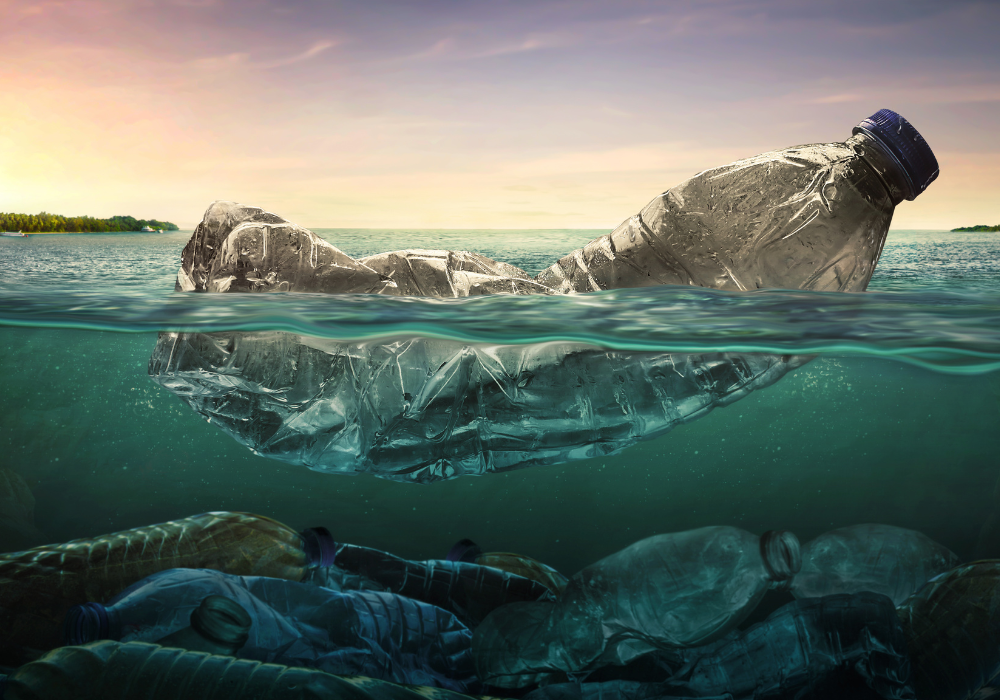
The stakes of the Geneva negotiations couldn’t be higher—success could lead to the first global effort to actually reduce plastic production and protect public health, while failure could set back meaningful action for years. With plastic production expected to triple by 2060 and health costs already reaching $1.5 trillion annually, experts warn that the window for effective action is rapidly closing.
The treaty talks represent either a historic turning point in humanity’s relationship with plastic or a missed opportunity that could condemn future generations to living in an increasingly plastic-polluted world. Whether negotiators can overcome industry resistance and national interests to prioritize global health will determine the treaty’s ultimate impact on consumers worldwide.