
Natural disasters leave lasting psychological wounds that can persist for years, but mental health support often disappears quickly.
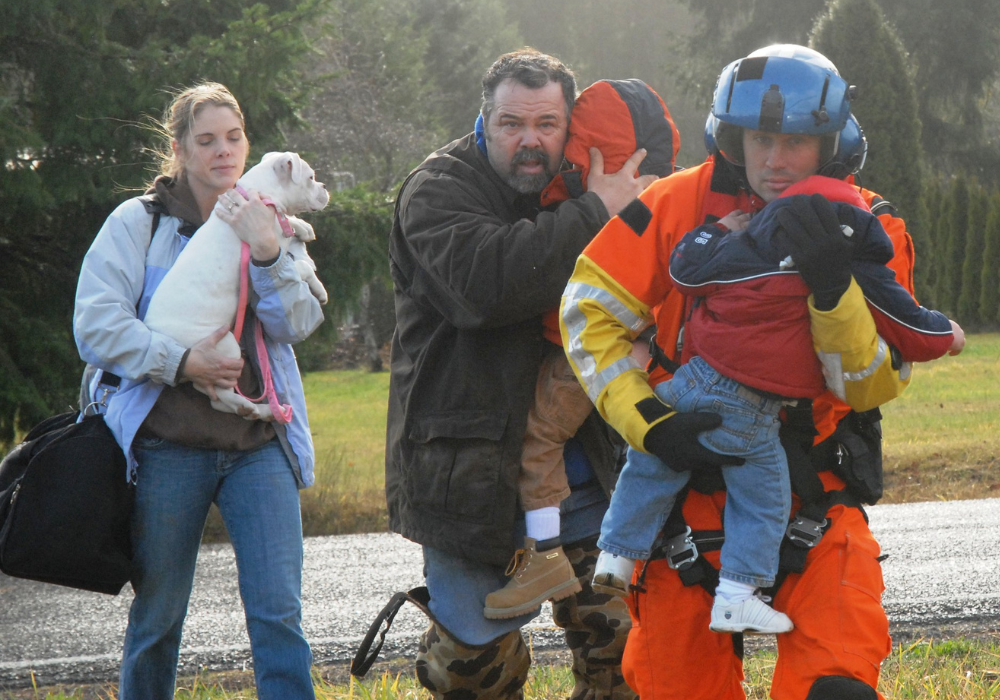
When the floodwaters recede and the cameras leave, flood survivors face an invisible battle that can last for years. While communities focus on rebuilding homes and businesses, many people struggle with anxiety, depression, and post-traumatic stress that develops long after the initial disaster.
Studies show that up to 40% of flood survivors develop serious mental health problems, but these psychological wounds often go untreated because the focus shifts to physical recovery. The trauma isn’t just about losing possessions—it’s about feeling helpless, unsafe, and fundamentally changed by an experience that turned life upside down in a matter of hours.
1. Floods trigger PTSD at much higher rates than most people realize

Flooding causes PTSD in about 16% of survivors, which is significantly higher than the general population rate of 3.5%. Unlike other natural disasters that strike quickly, floods often give people time to watch the water slowly rise, creating prolonged terror and helplessness. Many survivors report vivid flashbacks of watching their homes fill with water or being trapped as water levels climbed.
The experience of losing control while facing a life-threatening situation creates the perfect conditions for PTSD to develop. What makes it worse is that flood survivors often blame themselves for not evacuating sooner or not being better prepared, adding guilt and shame to their trauma.
2. Children who survive floods can struggle with fear and anxiety for years

Kids who experience flooding often develop intense fears that can affect their daily lives long after the water is gone. Many become terrified of rain, refusing to go outside during storms or having panic attacks when they hear thunder. Children may start wetting the bed again, have nightmares, or become clingy and afraid to leave their parents.
Their developing brains struggle to process the experience of seeing their safe world suddenly become dangerous and unpredictable. Teachers report that flood-affected children often have trouble concentrating in school and may act out or withdraw socially. Without proper support, these childhood fears can develop into lifelong anxiety disorders.
3. Losing your home creates a unique type of grief that’s hard to overcome
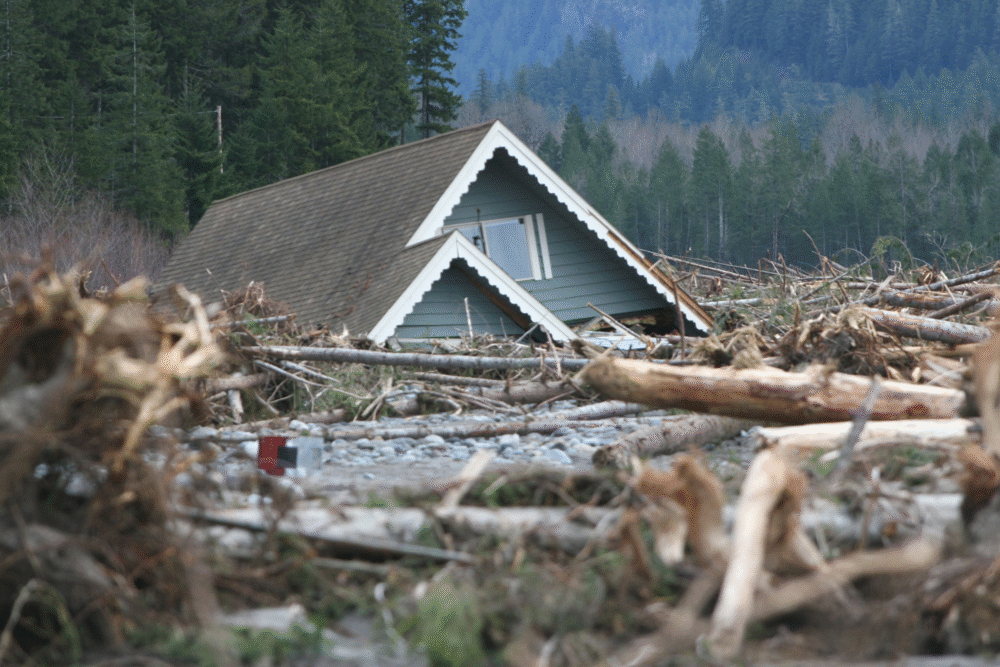
When floods destroy homes, survivors don’t just lose a building—they lose their sense of security, identity, and connection to their community. The grief from losing a home is similar to mourning a death, but society doesn’t always recognize it as legitimate loss. People lose family photos, heirlooms, and possessions that can never be replaced, creating a profound sense of disconnection from their past.
Many survivors describe feeling like they’re mourning not just their belongings, but their old life and sense of safety. This type of loss can trigger depression that lasts for months or years, especially when insurance battles and rebuilding delays prevent people from moving forward.
4. The stress of dealing with insurance and recovery can be worse than the flood itself

Many flood survivors say that fighting with insurance companies and navigating bureaucratic recovery processes causes more stress than the actual disaster. People spend months or years battling over claims, living in temporary housing, and dealing with contractors while trying to rebuild their lives. The constant uncertainty about money, housing, and timeline creates chronic stress that keeps people in survival mode long after the flood.
Insurance adjusters may dispute claims or offer settlements that don’t cover real replacement costs, forcing families to choose between going into debt or accepting substandard repairs. This prolonged stress often triggers anxiety disorders and depression in people who initially coped well with the flood itself.
5. Flood survivors often feel isolated because others can’t understand their experience

People who haven’t experienced flooding often struggle to understand why survivors can’t just “move on” after getting help to rebuild. Well-meaning friends and family may say things like “at least everyone survived” or “material things can be replaced,” which minimizes the real trauma and loss. Survivors frequently report feeling misunderstood and judged for their ongoing struggles, leading them to withdraw from social support systems.
The isolation is worse in communities where only some neighborhoods flooded, creating a divide between those who experienced the disaster and those who didn’t. This social isolation can deepen depression and prevent people from seeking the mental health support they need.
6. Many survivors develop an overwhelming fear of future weather events

After experiencing a flood, many people become hypervigilant about weather forecasts and develop intense anxiety about rain, storms, or flood warnings. Some check weather apps obsessively, stockpile emergency supplies, or refuse to travel during rainy seasons. Even normal rainfall can trigger panic attacks and flashbacks to the flood experience.
This weather-related anxiety can severely limit people’s daily activities and quality of life. Some survivors move away from flood-prone areas entirely, but the fear often follows them to new locations. The constant worry about “what if it happens again” keeps people in a state of chronic stress that can last for years.
7. Financial stress from flood damage often leads to serious mental health problems

The financial impact of flooding can be devastating, with many families facing years of debt from repairs, temporary housing, and replacing belongings. People who were financially stable before the flood may find themselves struggling to pay bills while dealing with insurance battles and contractor delays.
The stress of financial uncertainty can trigger or worsen depression and anxiety disorders. Many survivors are forced to make difficult choices between mental health care and other necessities, meaning they can’t afford therapy or medication when they need it most. The combination of trauma and financial stress creates a perfect storm for long-term mental health problems.
8. Recovery workers and first responders often struggle with their own trauma
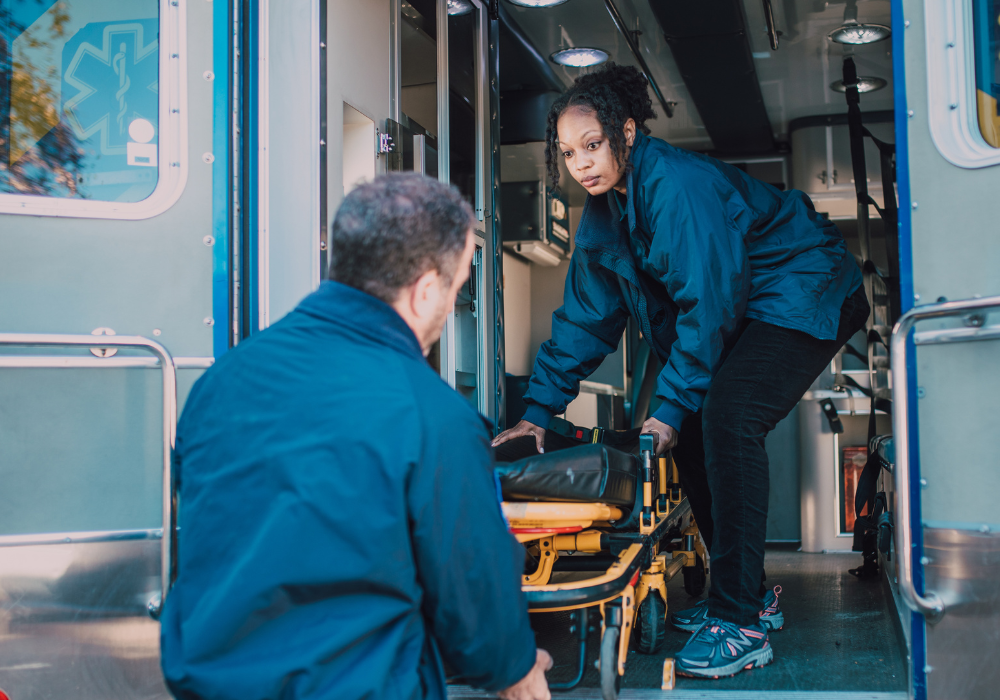
The people who help during floods—firefighters, police officers, social workers, and volunteers—are exposed to intense human suffering that can affect their own mental health. They witness people losing everything, see devastating damage to their own communities, and work long hours under stressful conditions while dealing with their own flood-related losses.
Many first responders feel pressure to stay strong and help others, ignoring their own trauma symptoms. Recovery workers may develop secondary trauma from repeatedly hearing flood survivors’ stories and witnessing ongoing suffering. These helpers often don’t receive adequate mental health support, leading to high rates of burnout, PTSD, and depression among disaster response teams.
9. Anniversary dates and flood-related triggers can bring back intense emotions
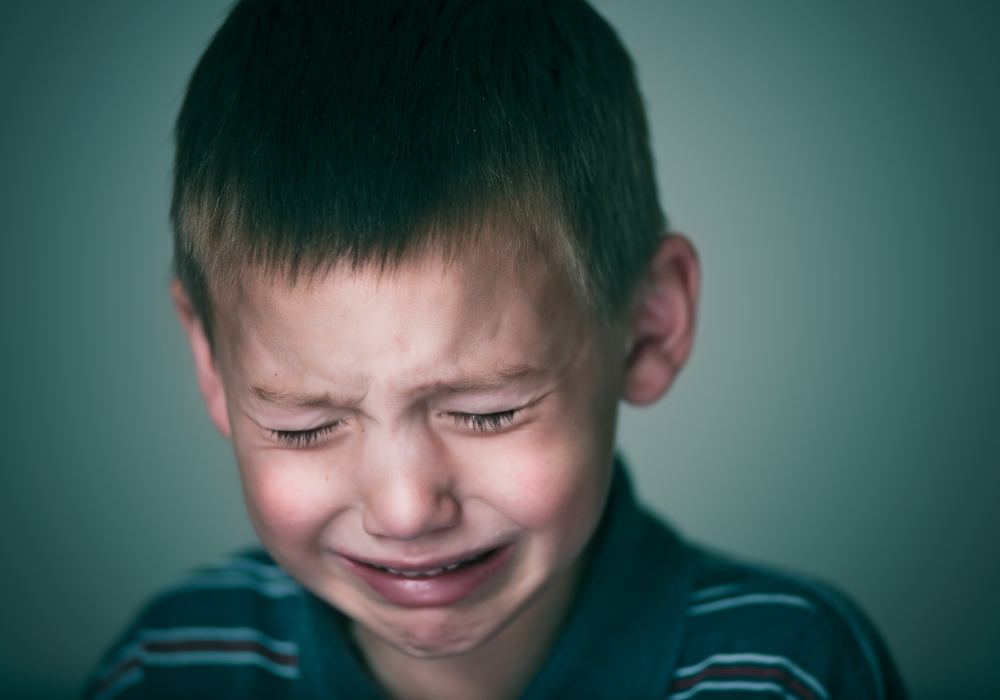
Many flood survivors experience “anniversary reactions” where they feel intense anxiety, sadness, or panic around the date of their flood or during similar weather conditions. The sound of rushing water, the smell of mold, or news coverage of other floods can trigger vivid memories and emotional responses years after their own experience.
These triggers are often unexpected and can catch people off guard, making them feel like they’re reliving the trauma all over again. Some survivors dread flood season each year, experiencing weeks or months of anticipatory anxiety as weather patterns shift. Learning to manage these triggers is a crucial part of long-term recovery that many people never receive help with.
10. Mental health resources often disappear just when survivors need them most

In the immediate aftermath of flooding, communities often provide crisis counseling and mental health support, but these resources typically disappear within a few months. However, many mental health problems don’t develop until 6-12 months after the flood, when the immediate crisis support is gone.
Survivors may not realize they need help until they’re struggling with depression, anxiety, or PTSD months later, only to find that flood-related mental health services are no longer available. Insurance coverage for mental health treatment may be limited, and local therapists might not have experience treating disaster-related trauma. This gap in long-term mental health support leaves many survivors to struggle alone with lasting psychological effects.
11. Certain groups face higher risks for developing long-term mental health problems
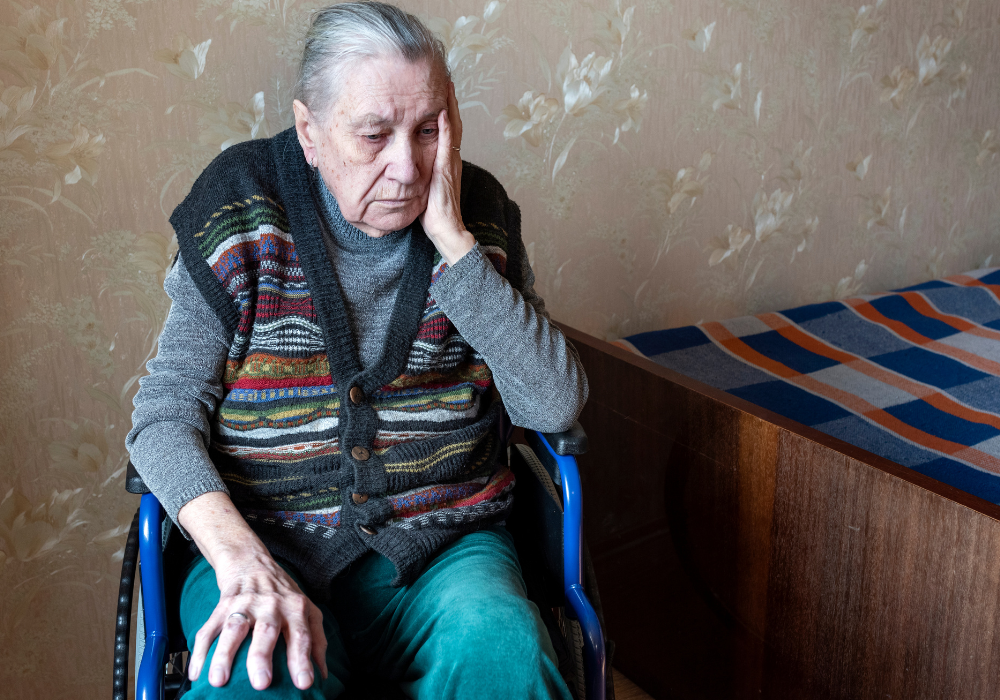
Elderly flood survivors often struggle more with recovery because they may have limited resources, mobility issues, or stronger emotional attachments to their homes and possessions. Low-income families face additional challenges because they have fewer resources for recovery and may live in areas with higher flood risk and slower rebuilding efforts. People with pre-existing mental health conditions may see their symptoms worsen significantly after experiencing flooding.
Single parents, especially women, face unique stresses trying to manage their own trauma while supporting their children through recovery. Renters often receive less assistance than homeowners but still experience significant trauma and displacement, putting them at higher risk for mental health problems.
12. Simple strategies can help survivors cope, but awareness and support are crucial

Mental health professionals emphasize that flood-related trauma is treatable, but early intervention and community support make a huge difference in outcomes. Talking to trained counselors, joining survivor support groups, and maintaining social connections can help prevent PTSD and depression from developing or worsening.
Simple coping strategies like maintaining routines, staying physically active, and limiting media coverage of other disasters can help manage anxiety and stress. However, survivors need to know that their mental health struggles are normal and valid, not signs of weakness. Communities can help by providing long-term mental health resources, training local counselors in disaster trauma, and creating ongoing support networks that don’t disappear when media attention fades.