
Unprecedented drought and climate shifts have caused a vital waterway to disappear, threatening ecosystems and communities.
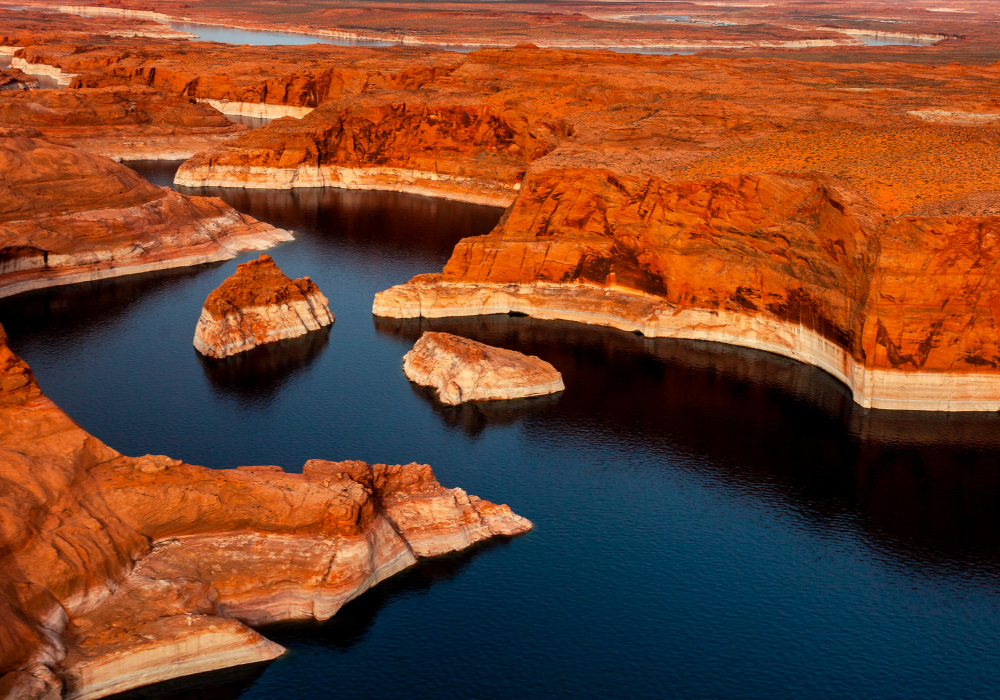
The Colorado River, a lifeline for 40 million Americans across seven states, has reached a historic tipping point. Lake Mead, the massive reservoir that feeds the river, has dropped to its lowest levels since the 1930s, causing sections of the waterway to stop flowing entirely.
This unprecedented crisis, driven by extreme drought and rising temperatures, threatens drinking water supplies, agricultural production, and hydroelectric power generation across the Southwest. The river’s decline serves as a stark warning about the accelerating impacts of climate change on America’s most vital water resources.
1. Lake Mead has dropped to dangerously low levels not seen in nearly a century
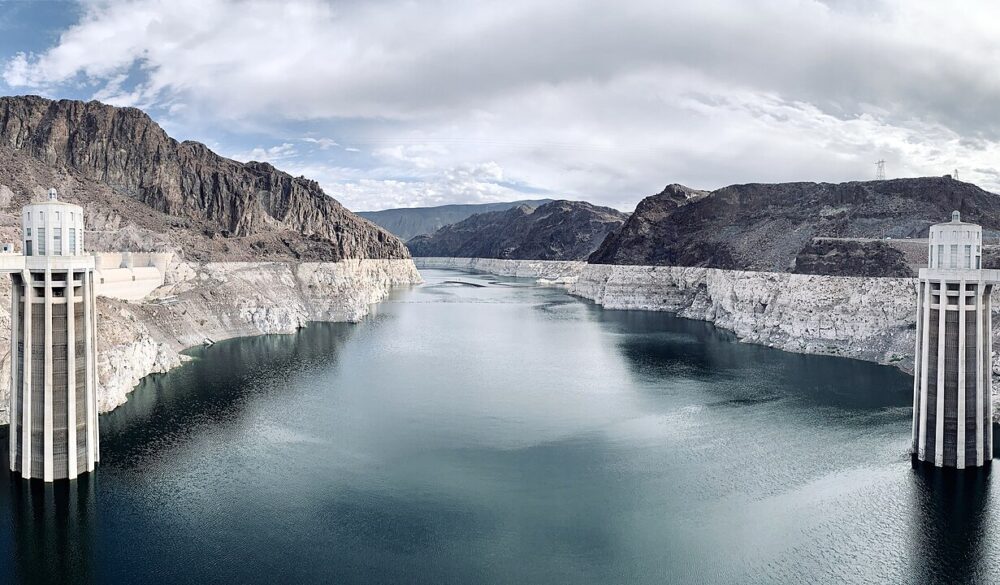
Lake Mead, the largest reservoir in the United States, has fallen to just 27% of its full capacity, exposing vast stretches of lakebed that haven’t seen sunlight in decades. The reservoir’s water level has dropped more than 170 feet since 2000, revealing old boat ramps, marina docks, and even human remains from decades past.
Water officials describe the situation as unprecedented in modern history. The dramatic decline has forced the closure of several boat launches and marinas, while the famous white “bathtub ring” around the lake’s edges continues to grow wider each month.
2. Extreme drought conditions have persisted across the Southwest for over two decades
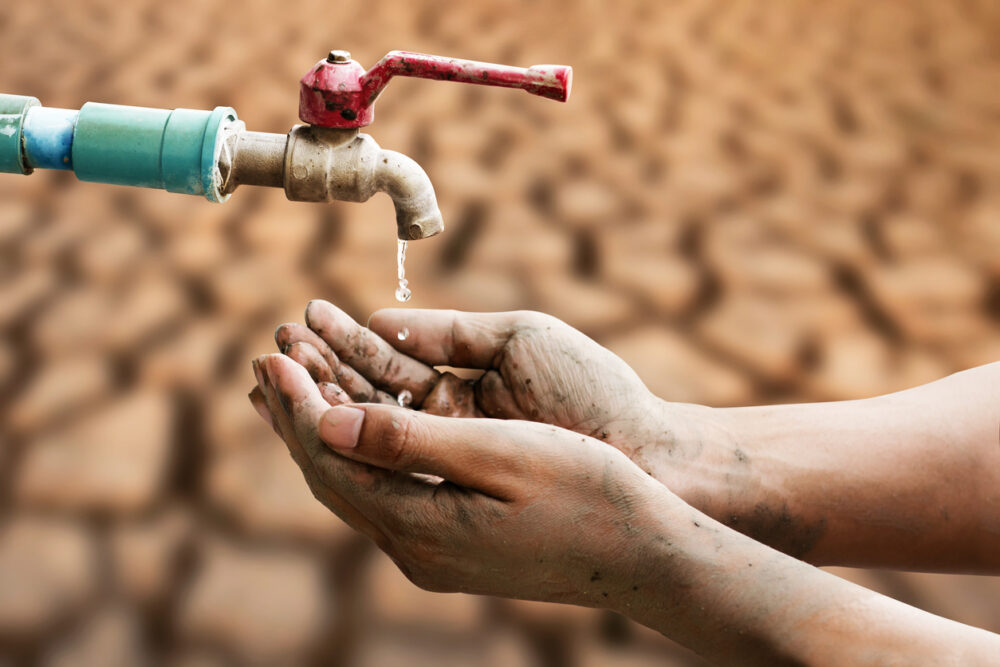
The Colorado River Basin is experiencing what scientists call a “megadrought”—the worst dry period in over 1,200 years. This isn’t just a few bad years of rainfall; it’s a fundamental shift in regional climate patterns that has lasted more than 20 years. Snowpack in the Rocky Mountains, which feeds the river system, has declined dramatically due to higher temperatures and reduced precipitation.
Weather stations across the region report record-breaking heat and below-average rainfall year after year. Scientists warn that this extreme drought represents the new normal rather than a temporary weather pattern.
3. Rising temperatures are accelerating water loss through increased evaporation rates
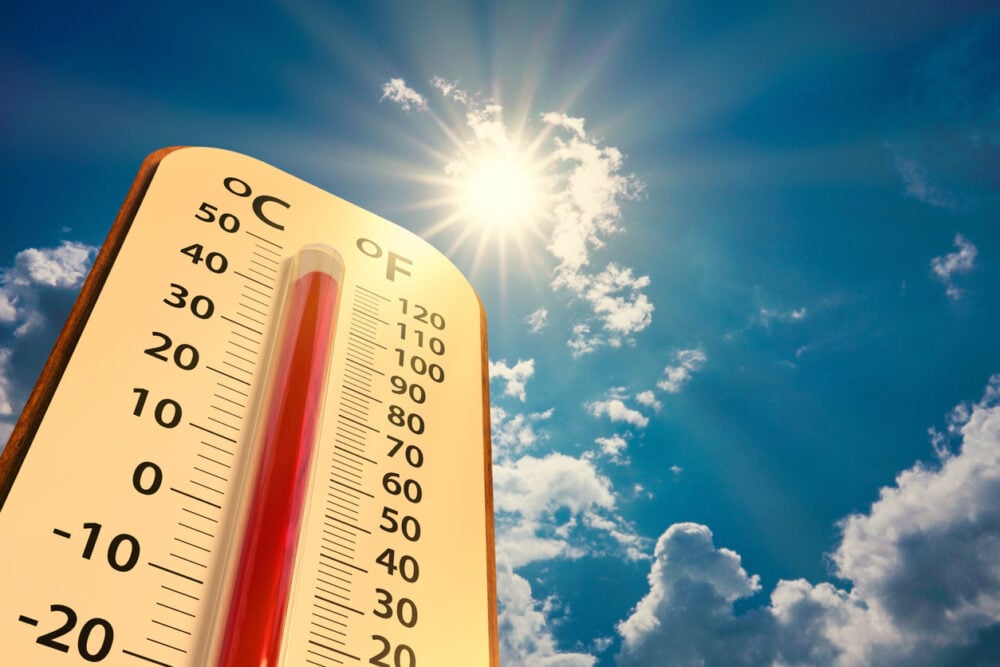
Climate change is causing temperatures across the Southwest to rise faster than the global average, creating a double problem for water supplies. Higher temperatures not only reduce snowfall in favor of rain, but they also dramatically increase evaporation from reservoirs and rivers.
Lake Mead alone loses approximately 860,000 acre-feet of water annually to evaporation—enough to supply several major cities. Scientists estimate that rising temperatures account for roughly half of the Colorado River’s declining flow, making this crisis about more than just reduced rainfall. The combination of heat and drought creates a vicious cycle that accelerates water loss.
4. Agricultural demands continue draining water faster than nature can replenish it
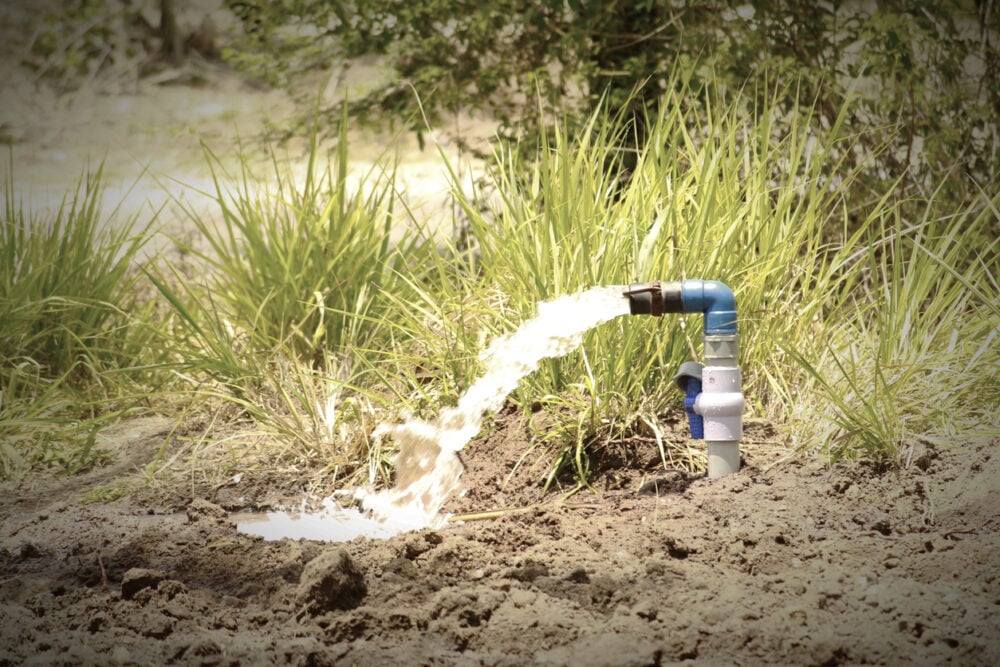
Agriculture consumes roughly 70% of the Colorado River’s water, supporting a massive agricultural industry worth billions of dollars annually. Farmers across Arizona, California, and Nevada rely on river water to irrigate crops that feed much of the nation, including lettuce, melons, and alfalfa hay.
However, many of these crops require enormous amounts of water in an already arid environment. Alfalfa alone, much of which gets exported overseas, consumes more Colorado River water than entire states use for all purposes. The agricultural system was designed during wetter decades and hasn’t adapted to current climate realities.
5. Major cities face unprecedented water restrictions and conservation mandates
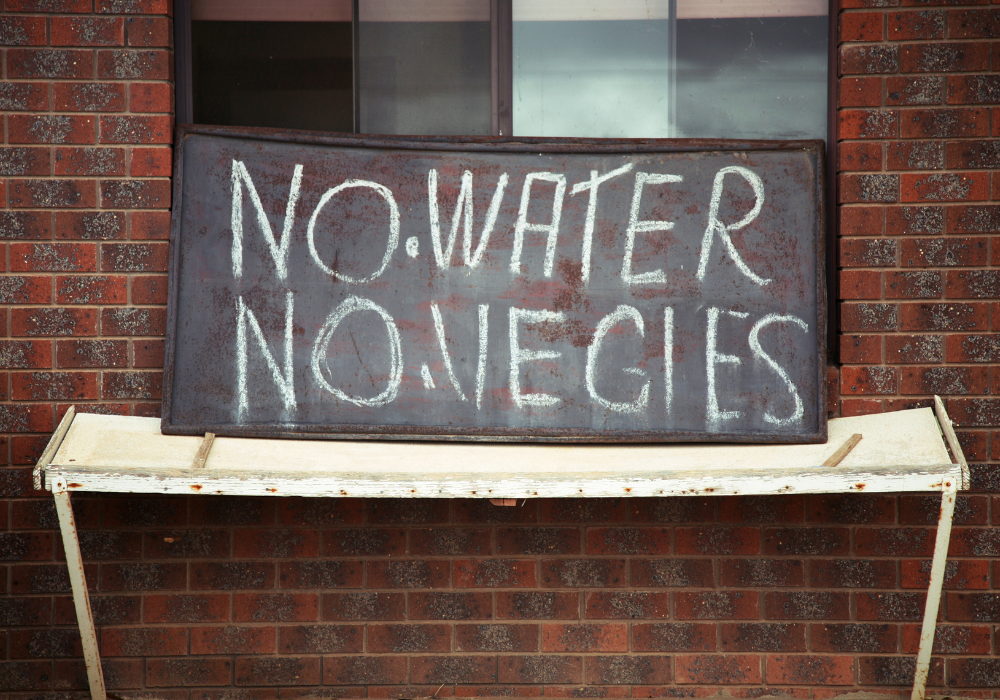
Metropolitan areas dependent on Colorado River water are implementing emergency conservation measures not seen since the system was built. Las Vegas has banned decorative grass, implemented strict watering schedules, and pays residents to remove lawns. Phoenix and Tucson have restricted new development that relies on river water.
Los Angeles is offering rebates for water-efficient appliances and drought-resistant landscaping. These cities are also investing billions in water recycling, desalination, and alternative supply projects. Despite these efforts, water managers warn that much more dramatic conservation may be necessary if conditions continue to worsen.
6. Hydroelectric power generation has plummeted as water levels continue falling
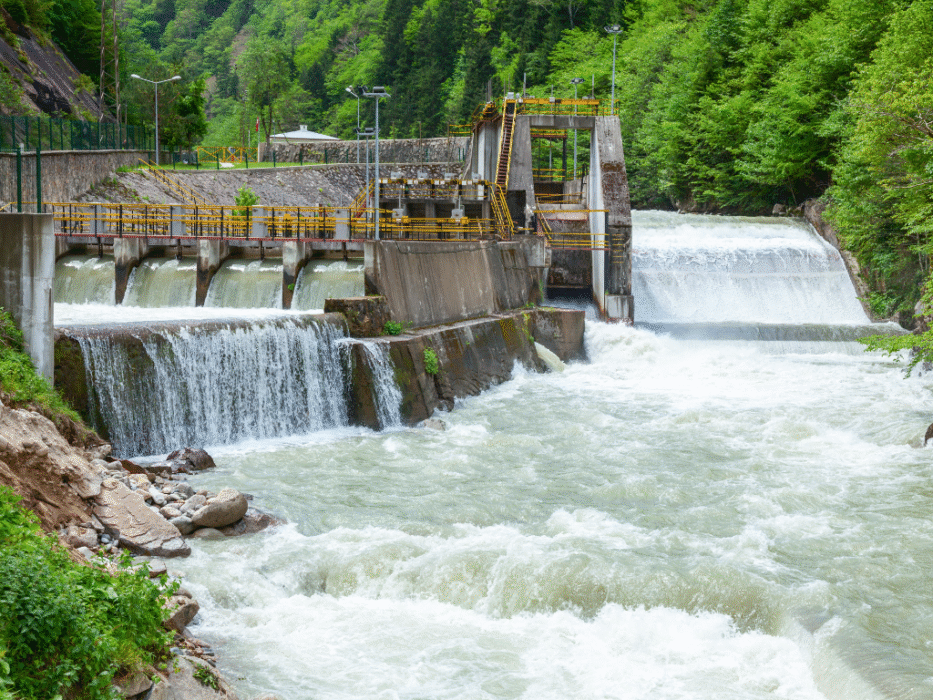
The Colorado River system generates electricity for millions of homes through massive dams like Hoover Dam and Glen Canyon Dam. However, dropping water levels have severely reduced power generation capacity at these facilities. Hoover Dam is now producing about 25% less electricity than normal, while Glen Canyon Dam recently came within 35 feet of being unable to generate power at all.
This lost renewable energy is being replaced by more expensive and polluting sources. Power grid operators worry about summer reliability when air conditioning demand peaks. The decline in hydroelectric generation also reduces revenue that funds dam maintenance and water management programs.
7. Native American tribes are losing access to water promised by federal treaties

Many Native American tribes hold some of the oldest and most senior water rights on the Colorado River, guaranteed by federal treaties dating back more than a century. However, the river’s decline is making it impossible to honor these legal commitments. Tribes like the Navajo Nation, which has significant water rights but limited infrastructure to access them, face particular challenges.
Some reservations are experiencing severe water shortages while water continues flowing to cities and farms. Federal officials acknowledge they cannot fulfill all treaty obligations under current conditions. This crisis is forcing difficult conversations about water justice and honoring historical commitments to tribal communities.
8. Environmental consequences extend far beyond the immediate river system
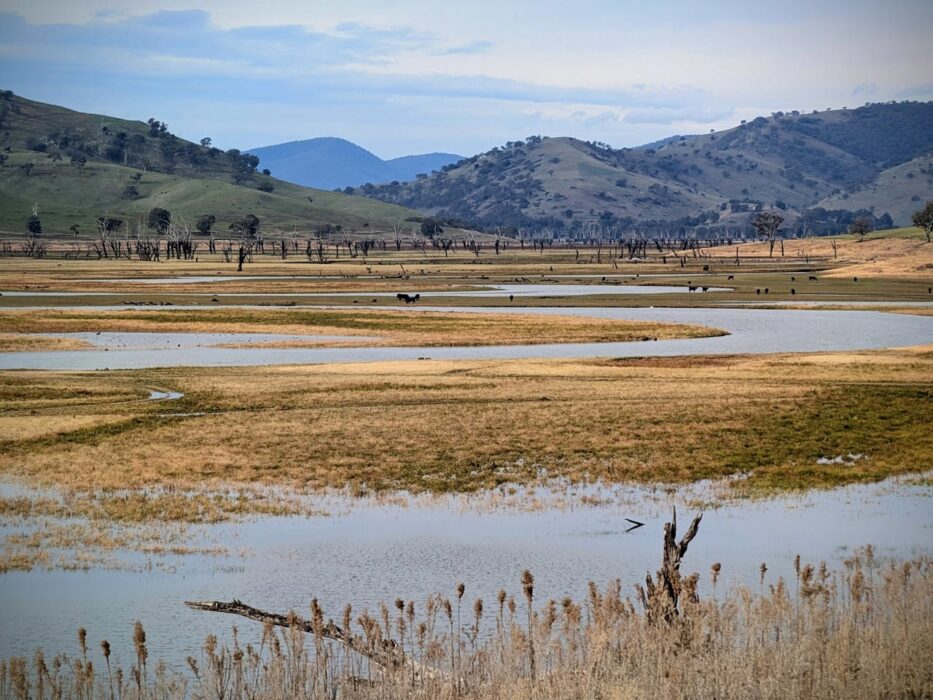
The Colorado River’s decline is triggering cascading environmental effects throughout the Southwest ecosystem. Wetlands and riparian forests that depend on river flow are dying, eliminating habitat for hundreds of bird species and other wildlife. The Colorado River Delta in Mexico, once a vast wetland, has almost completely disappeared.
Fish species like the Colorado pikeminnow and razorback sucker are facing extinction as their habitat shrinks. Dust storms from exposed lakebed are increasing air pollution in surrounding communities. Scientists warn that the loss of these ecosystems could be irreversible, even if water levels eventually recover.
9. Water managers are implementing emergency rationing protocols never used before
Federal water managers have declared the first-ever Tier 2 shortage on the Colorado River, triggering automatic water cuts to Arizona, Nevada, and Mexico. These cuts represent the most severe rationing in the river’s management history. Arizona will lose nearly 20% of its Colorado River allocation, while Nevada faces smaller but still significant reductions.
Mexico’s water deliveries will also be cut substantially. Water officials are already preparing for even deeper cuts if conditions don’t improve. These emergency protocols were designed as last resorts, and their activation signals that the crisis has moved beyond what normal management can handle.