
Climate adaptation will transform urban landscapes with floating buildings, underground districts, and vertical farms everywhere.
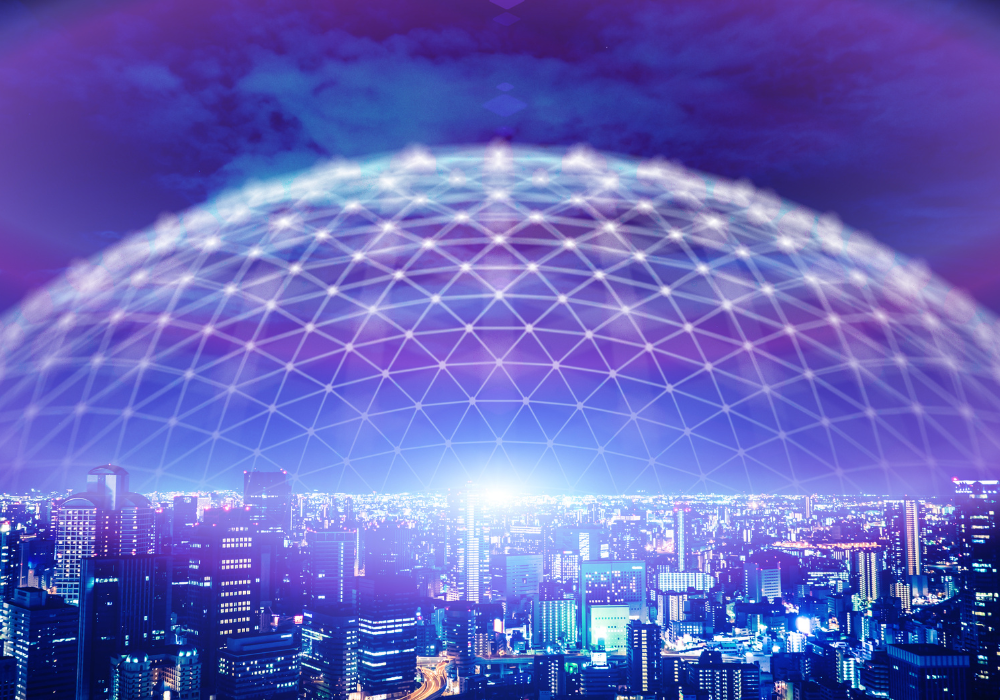
If you could travel forward to 2050 and walk through any major city, you’d barely recognize the place. The familiar urban landscape of concrete sidewalks, glass skyscrapers, and asphalt streets will have been completely reimagined to survive in a world of extreme heat, rising seas, and catastrophic storms.
What’s coming isn’t science fiction — it’s survival architecture being designed right now by urban planners who know that cities must fundamentally transform or face complete collapse. Urban resilience expert Dr. Kristina Hill from UC Berkeley has been working with cities worldwide to prepare for climate impacts, and her research shows that successful cities will look more like floating villages and underground forests than anything we recognize today.
1. Floating neighborhoods will replace traditional waterfront districts as seas rise permanently.
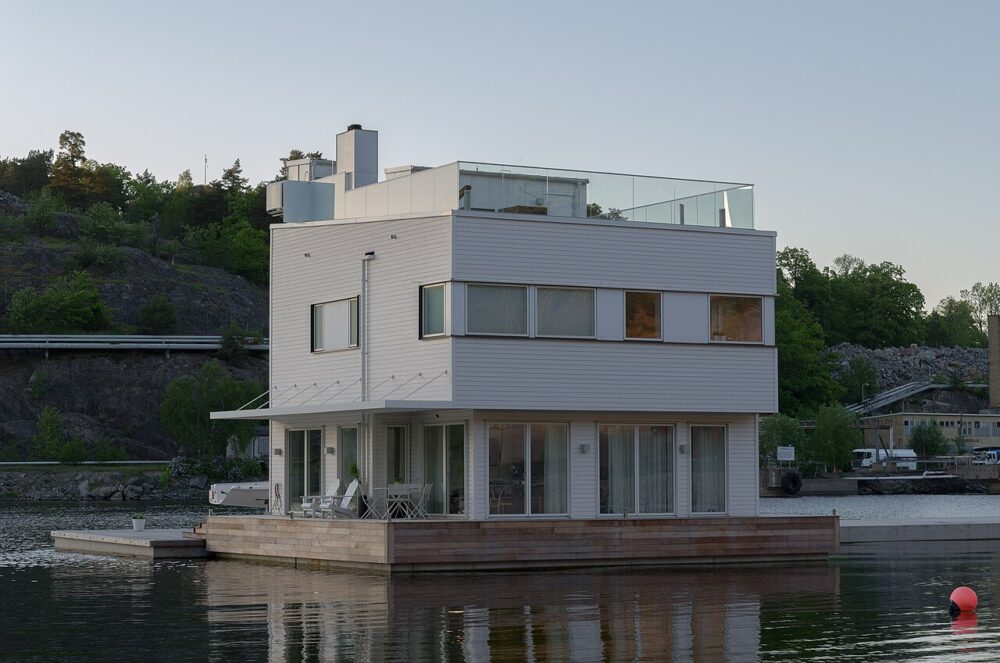
Entire city districts will literally float on the water, rising and falling with tides and storm surges instead of fighting them. These floating communities won’t just be emergency measures — they’ll be permanent neighborhoods with schools, shops, and parks built on flexible platforms that move with the water.
Amsterdam and Copenhagen are already testing floating districts that can house thousands of people while adapting to changing water levels. The buildings will be connected by flexible walkways and floating gardens, creating communities that work with water instead of against it. Traditional waterfront real estate will become worthless as floating districts prove safer and more valuable.
2. Underground cities will expand beneath street level to escape deadly surface heat.

As surface temperatures become too dangerous for human activity during summer months, entire underground districts will flourish below traditional cities. These subterranean neighborhoods will feature shopping centers, offices, schools, and residential areas connected by air-conditioned tunnel systems.
Montreal and Helsinki already have extensive underground networks that millions of people use daily, and these will expand dramatically as surface heat becomes unbearable. Underground cities will have natural lighting systems, hydroponic gardens, and sophisticated air filtration that makes them more comfortable than the scorching world above ground.
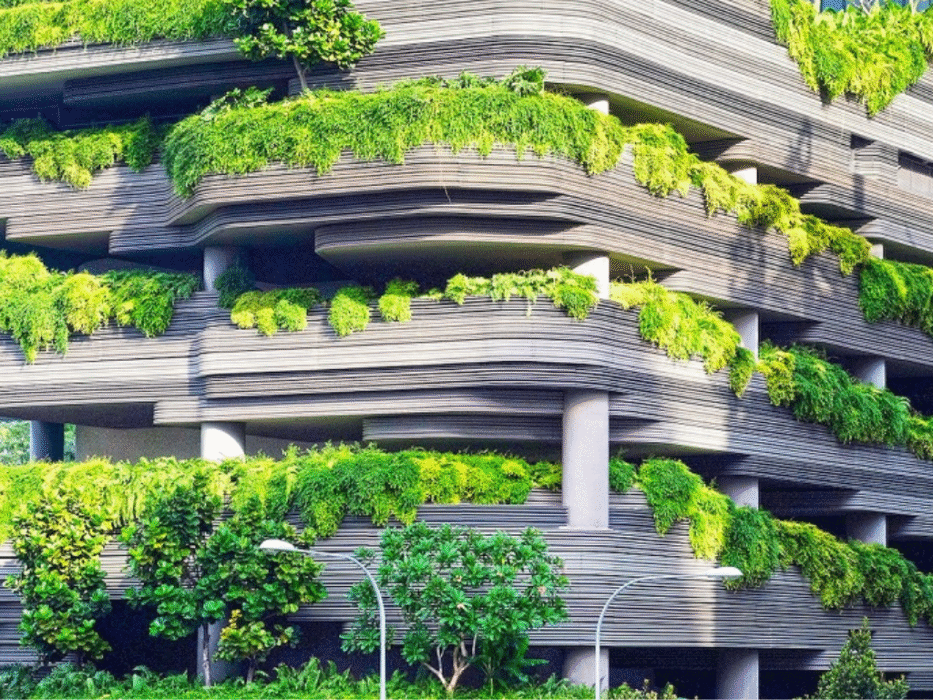
3. Massive tree canopies will cover entire city blocks like natural air conditioning systems.
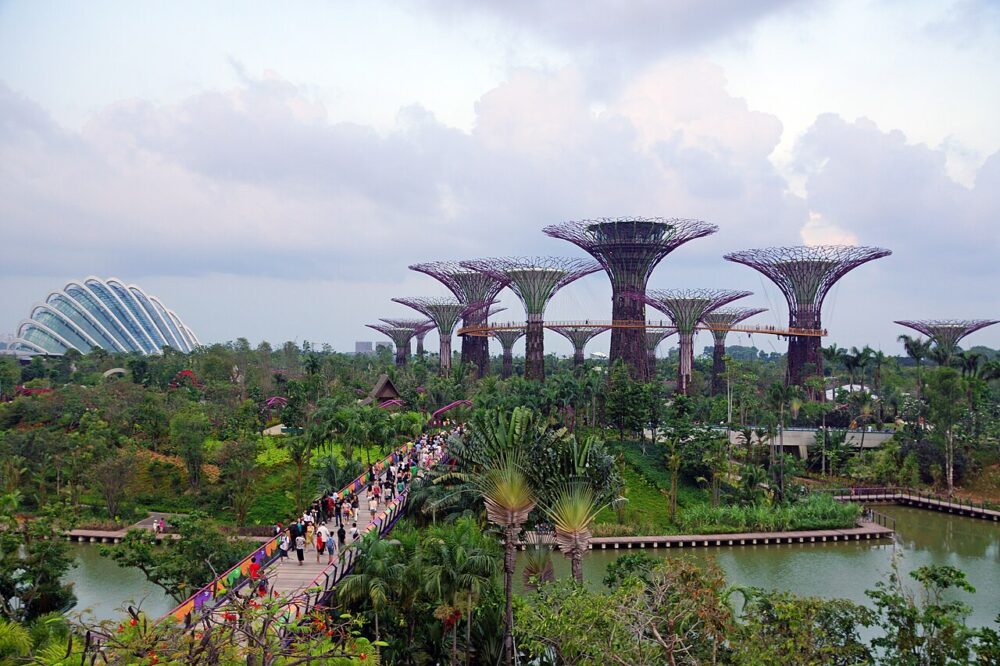
Cities will be transformed by enormous tree canopies and green roofs that create cooling microclimates and filter the air on a neighborhood scale. These aren’t just decorative plantings — they’re engineered ecosystems designed to reduce urban temperatures by 10-15 degrees Fahrenheit through evapotranspiration and shade.
Singapore is already pioneering these “city in a garden” designs where buildings disappear beneath layers of vegetation that provide natural climate control. Entire city blocks will be covered by continuous green canopies that create comfortable outdoor spaces even when surrounding areas are dangerously hot.
4. Buildings will be designed to move, bend, and reshape themselves during extreme weather events.
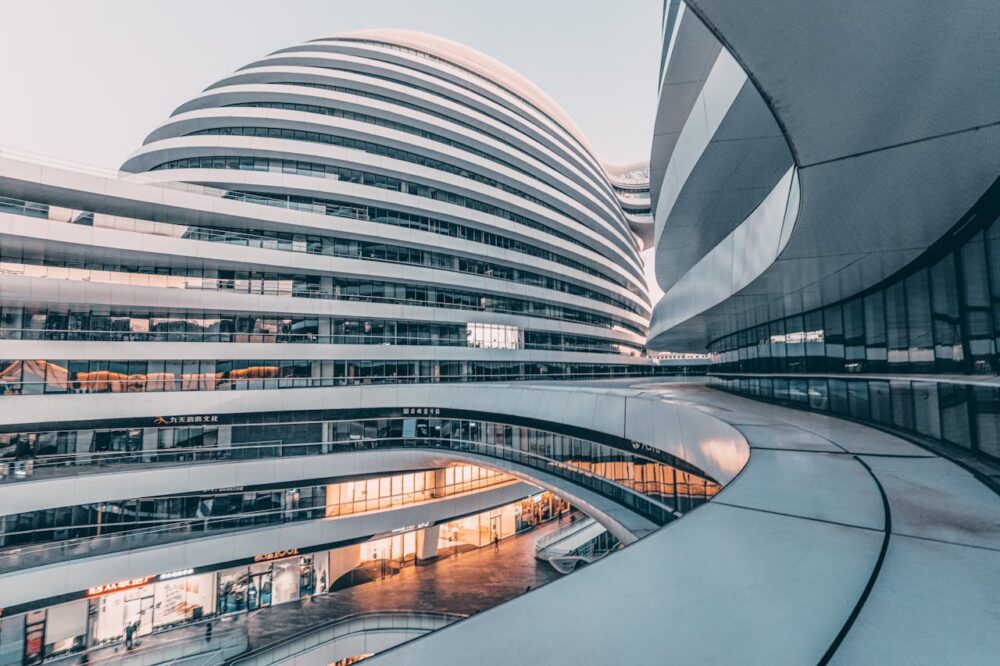
Future architecture will be alive and responsive, with buildings that can literally change shape to survive hurricanes, earthquakes, and extreme storms. These adaptive structures will have flexible joints, retractable sections, and movable parts that automatically respond to weather conditions.
Some buildings will be able to seal themselves completely during storms, while others will open up to allow wind and water to flow through safely. Japanese architects are already designing buildings that sway and bend like trees, using the storm’s energy to strengthen the structure rather than fighting against natural forces.
5. Vertical farms will replace traditional agriculture and cover the sides of every major building.
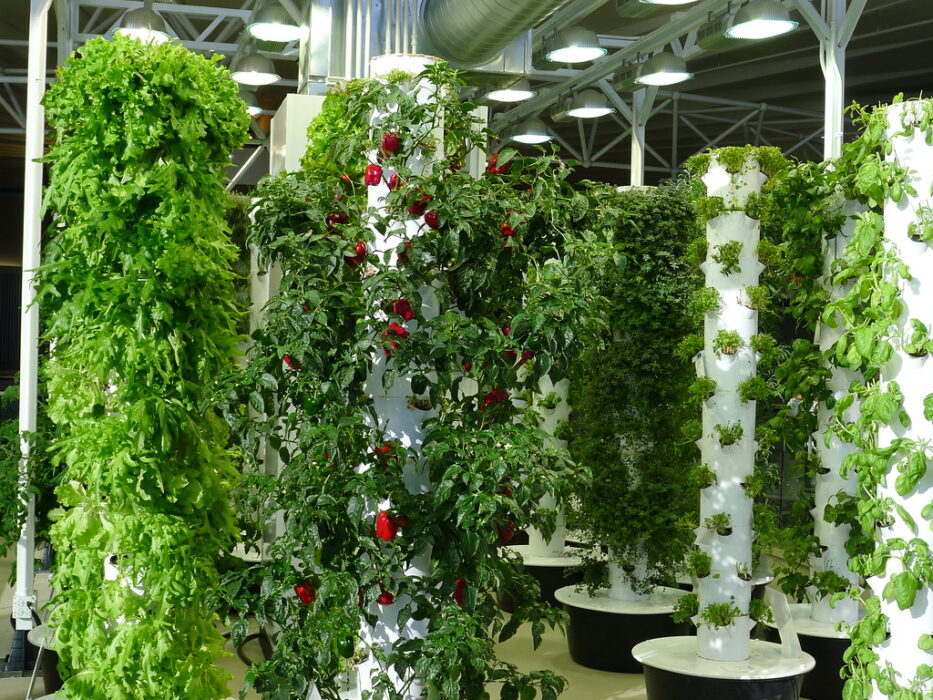
City walls will be transformed into productive agricultural surfaces, with vertical farms covering skyscrapers to provide fresh food while cooling buildings naturally. These aren’t small rooftop gardens — they’re industrial-scale food production systems that will feed entire neighborhoods from the sides of apartment buildings and office towers.
The plants will also serve as natural insulation and air filtration, reducing energy costs while producing food locally. Cities will become self-sufficient in fresh produce, with neighborhood-scale farming happening on every available vertical surface.
6. Smart materials will make buildings change color, temperature, and permeability automatically.
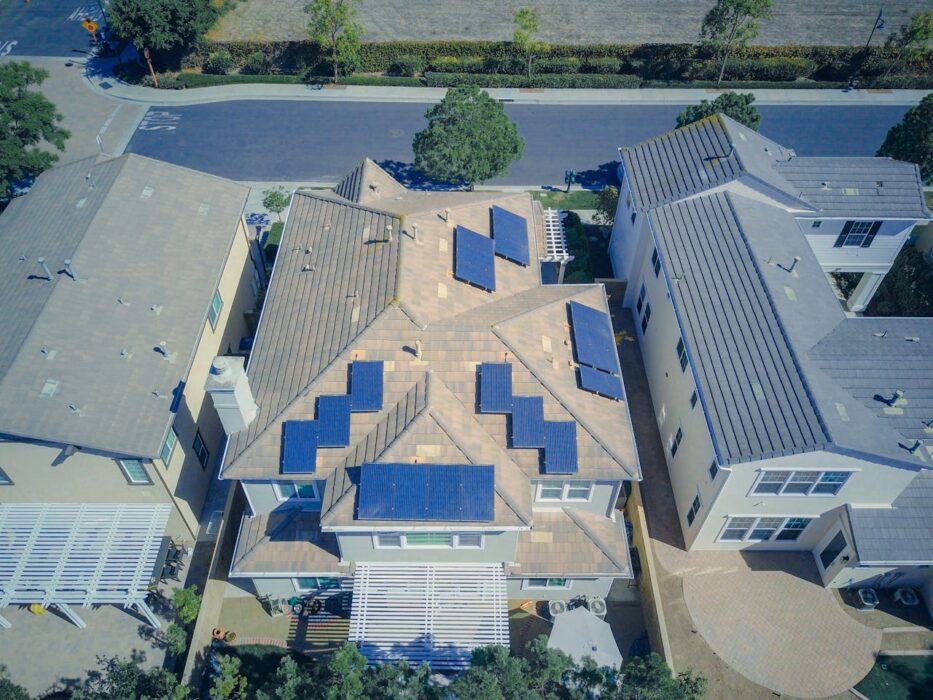
Building surfaces will be covered in responsive materials that automatically adapt to weather conditions, changing color to reflect heat, adjusting permeability to manage airflow, and altering insulation properties based on temperature. These smart facades will be like skin for buildings, breathing and responding to environmental conditions without human intervention.
Some materials will become transparent during pleasant weather to let in natural light, then turn opaque and reflective during heat waves to block solar radiation. Buildings will essentially become living organisms that automatically regulate their internal climate.
7. Water will flow through every neighborhood via visible canals, streams, and waterfalls integrated into city design.
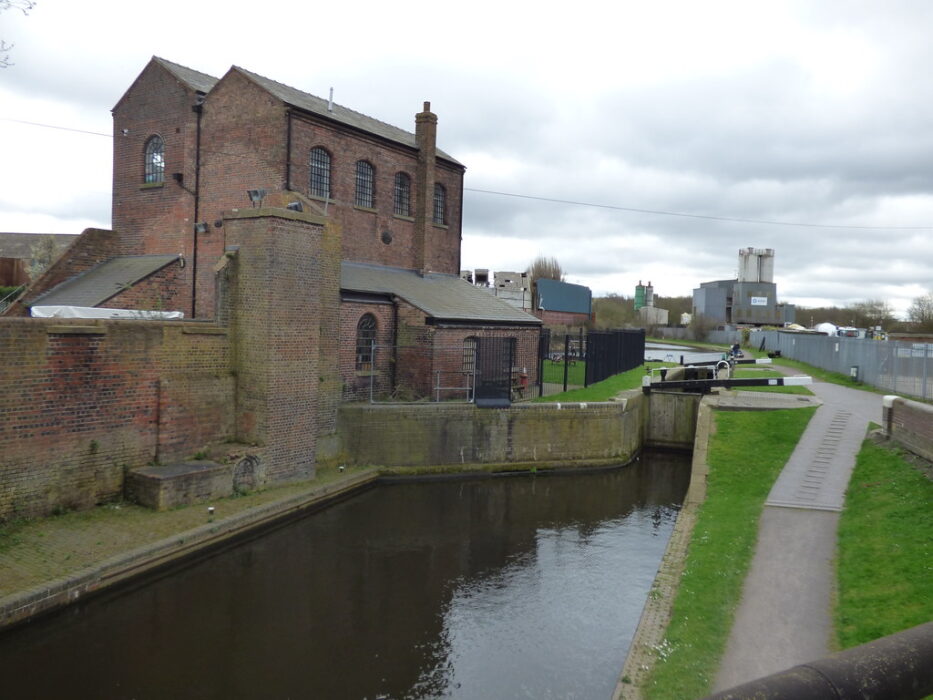
Instead of hiding water infrastructure underground, cities will celebrate water as a visible cooling and transportation system woven throughout urban neighborhoods. Canals will run down major streets, providing cooling, flood management, and even transportation via small boats during extreme weather.
These water features will be designed to handle both everyday cooling needs and emergency flood drainage, with neighborhoods built around flowing water as a central organizing principle. The sound and sight of moving water will make cities more livable while providing practical climate adaptation.
8. Transportation will happen primarily through elevated walkways and underground tunnels.
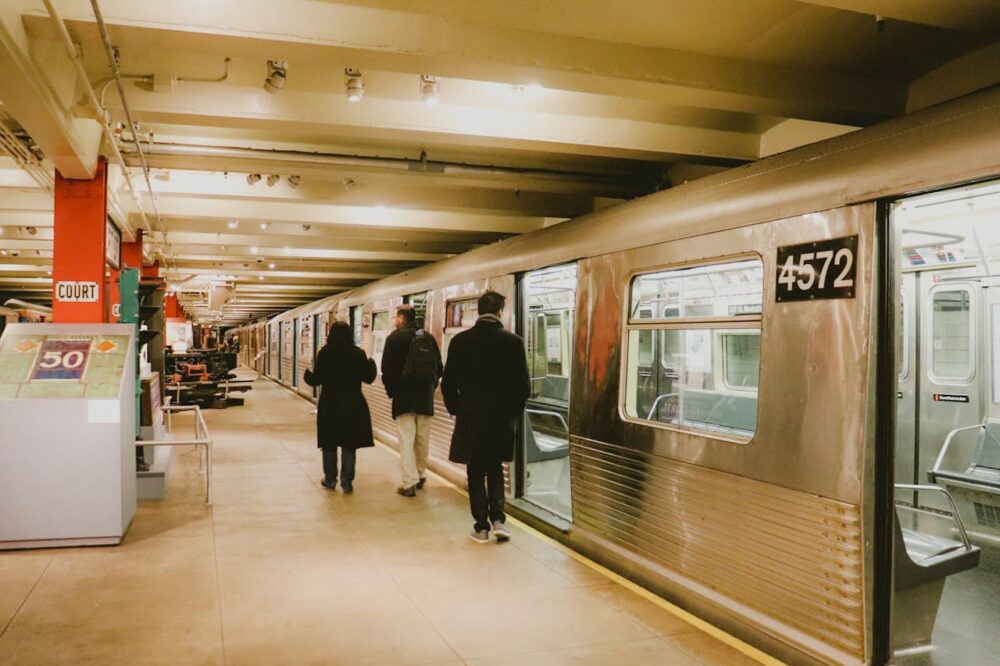
Street-level transportation will largely disappear as cities move human movement above and below the dangerous surface level where extreme heat, flooding, and storms make travel hazardous. Elevated walkways will connect buildings at the second and third story levels, creating climate-controlled pedestrian networks that bypass surface dangers.
Underground transit systems will expand dramatically, not just for trains but for walkways, bike paths, and automated transport pods that move people safely between climate-controlled environments. The street level will be reserved primarily for automated vehicles and emergency services.
9. Neighborhood-scale climate bubbles will create comfortable microclimates within hostile urban environments.
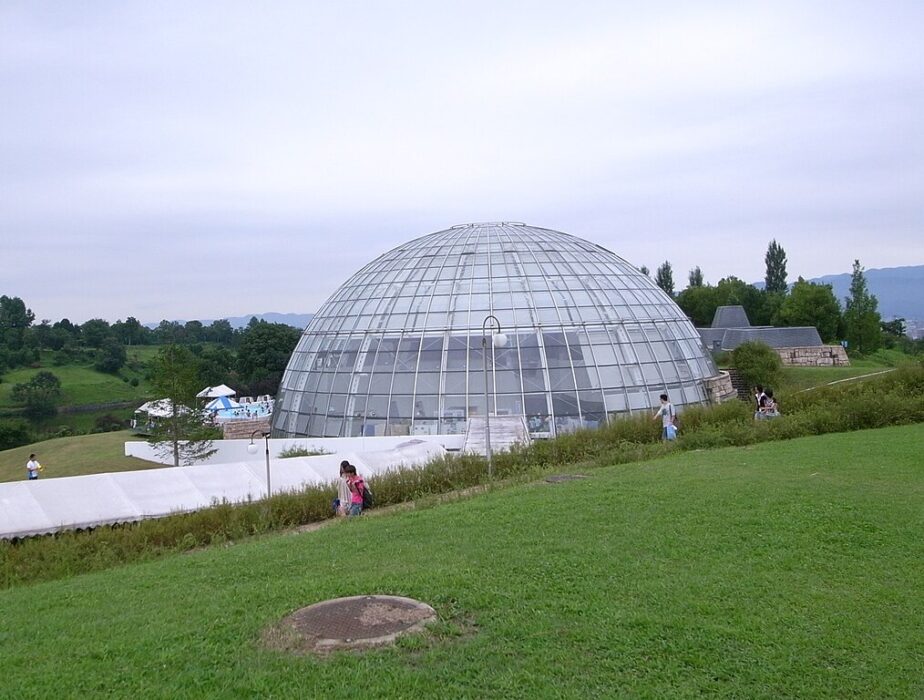
Entire city blocks will be enclosed in transparent domes or canopies that create controlled microclimates where people can live comfortably regardless of outside weather conditions. These climate bubbles will have their own weather systems, air filtration, and temperature control, essentially creating indoor neighborhoods that feel like pleasant outdoor spaces.
The enclosures will be designed to open and close based on external conditions, providing natural ventilation during comfortable weather and complete protection during extreme events. Living in these climate bubbles will feel like living in a terrarium designed for human habitation.
10. Modular buildings will be designed to disassemble and relocate when climate conditions change.
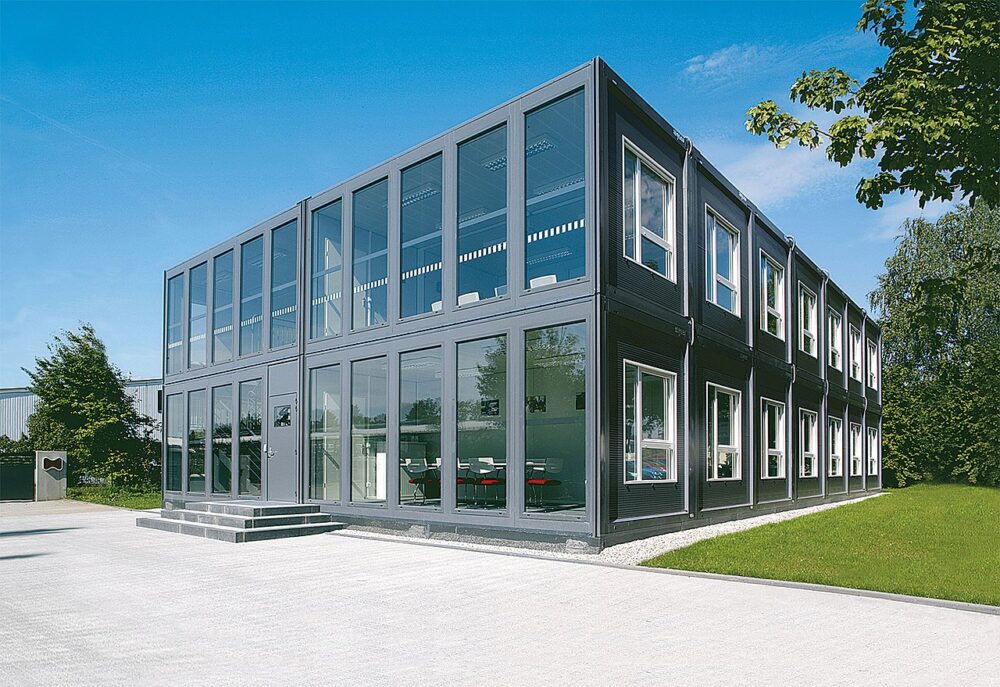
Architecture will become nomadic, with buildings designed to be quickly disassembled and moved to safer locations as climate conditions shift. These modular structures will use standardized components that can be rapidly reconfigured, allowing entire neighborhoods to relocate when sea levels rise or temperature patterns change.
The buildings will be designed like sophisticated Lego sets, with interchangeable parts that can create different configurations based on local climate needs. This flexibility will allow cities to adapt rapidly to changing conditions rather than being locked into permanent infrastructure that becomes obsolete.
11. Living buildings will grow, heal, and adapt using biological systems instead of traditional construction materials.
The most radical transformation will be buildings that are literally alive, using biological materials that grow, self-repair, and adapt to environmental conditions like living organisms. These bio-buildings will incorporate coral-like structures that grow stronger under stress, self-healing concrete that repairs cracks automatically, and walls made from engineered organisms that filter air and produce oxygen.
Some buildings will be grown rather than constructed, using guided biological processes to create structures that are perfectly adapted to local climate conditions. These living buildings will blur the line between architecture and ecology, creating urban environments that function more like natural ecosystems than traditional cities.