
Former coal mining communities are creating jobs, restoring ecosystems, and building sustainable futures from environmental devastation.
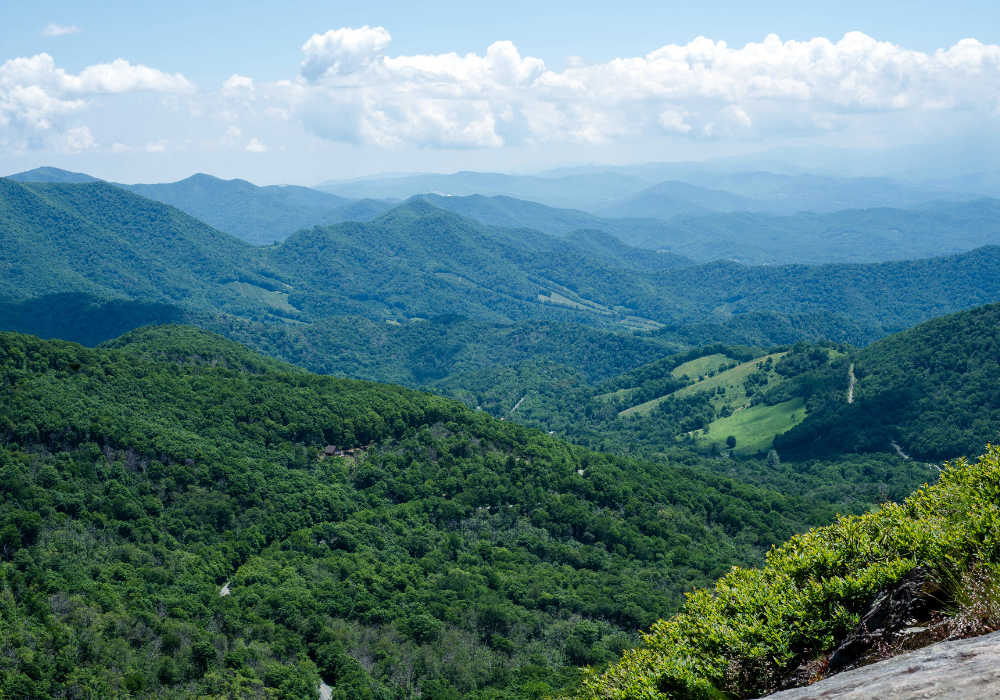
Drive through parts of Appalachia today and you’ll see something that would have seemed impossible just twenty years ago: lush green forests growing where strip mines once left behind moonscapes of toxic waste and barren rock. The transformation is so dramatic that it’s hard to believe these thriving ecosystems were once environmental disasters that poisoned water and air for generations.
This incredible recovery didn’t happen by accident — it’s the result of determined communities, innovative science, and programs like the Appalachian Regional Reforestation Initiative that have planted over 200 million trees on former mining sites. Forest ecologist Dr. Patrick Angel, who helped pioneer these restoration techniques, has watched dead mining sites transform into wildlife havens that are now more biodiverse than the original forests.
1. Scientists developed special tree-planting techniques that can grow forests on solid rock and toxic soil.

The biggest challenge in restoring strip-mined land wasn’t just planting trees — it was figuring out how to make anything grow on compacted earth that was harder than concrete and often contaminated with heavy metals. Researchers discovered that they needed to break up the compacted soil layers and add organic matter before trees could take root.
The breakthrough came when they started using specific combinations of native tree species that could tolerate harsh conditions and actually improve soil quality over time. Black locust trees, for example, fix nitrogen in the soil and create conditions that allow other species to thrive, essentially building healthy forest ecosystems from scratch.
2. Former coal miners are retraining as forest restoration specialists and finding new careers in environmental work.
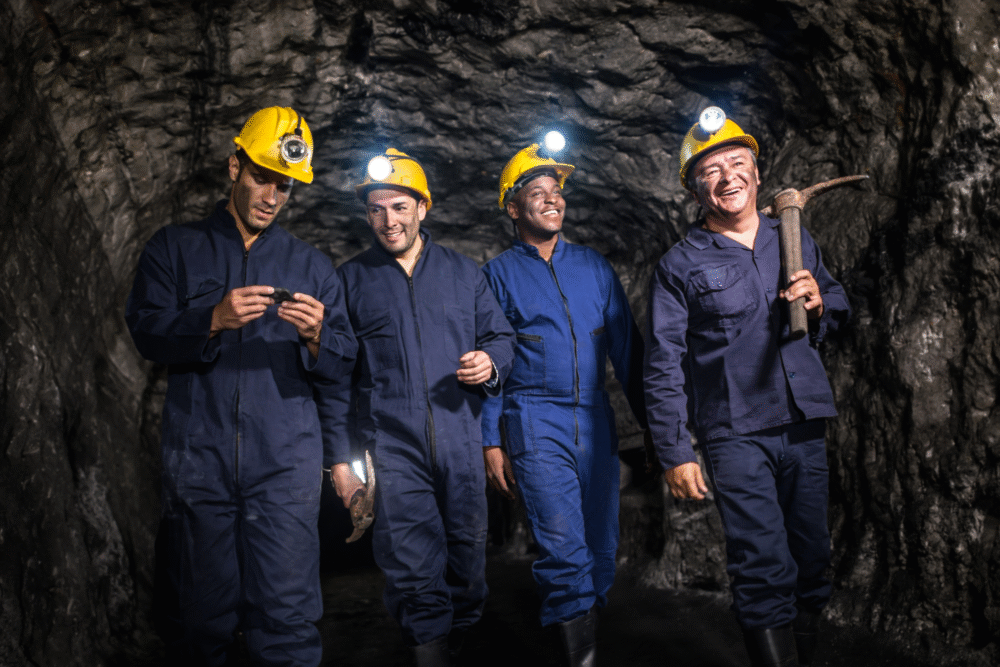
Men and women who spent decades extracting coal from the mountains are now using their knowledge of the land to heal it. Many former miners have become experts in forest restoration, using their understanding of local geology and weather patterns to choose the best locations and techniques for planting trees.
These green jobs often pay better than mining work and don’t carry the same health risks, creating economic opportunity while repairing environmental damage. Training programs have helped thousands of former mining workers transition to careers in forestry, environmental monitoring, and ecological restoration.
3. Restored mining sites are becoming wildlife sanctuaries that support more species than the original forests.
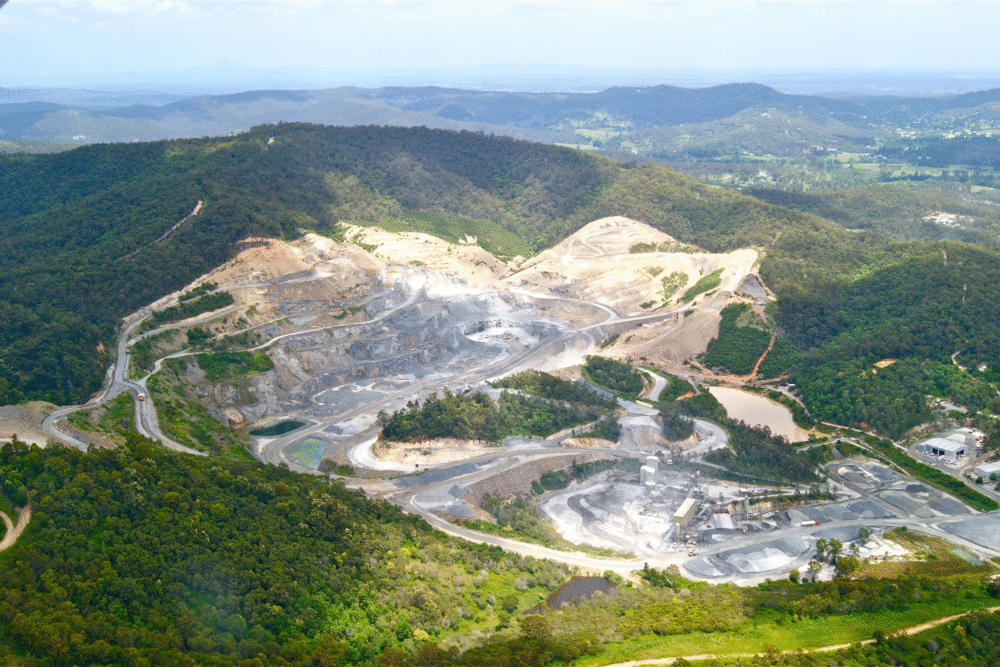
The most surprising discovery has been that some reclaimed mining sites now support more diverse wildlife populations than the forests that existed before mining began. These restored areas create a mosaic of different habitat types — grasslands, wetlands, and forests — that attract species that couldn’t thrive in the original dense forest cover.
Birds like grassland sparrows and bobolinks, which had virtually disappeared from the region, are returning to nest in reclaimed areas. Deer, turkey, and even black bears are using these restored lands, and some sites have become important stopover points for migrating birds.
4. Abandoned mining equipment is being transformed into renewable energy infrastructure.
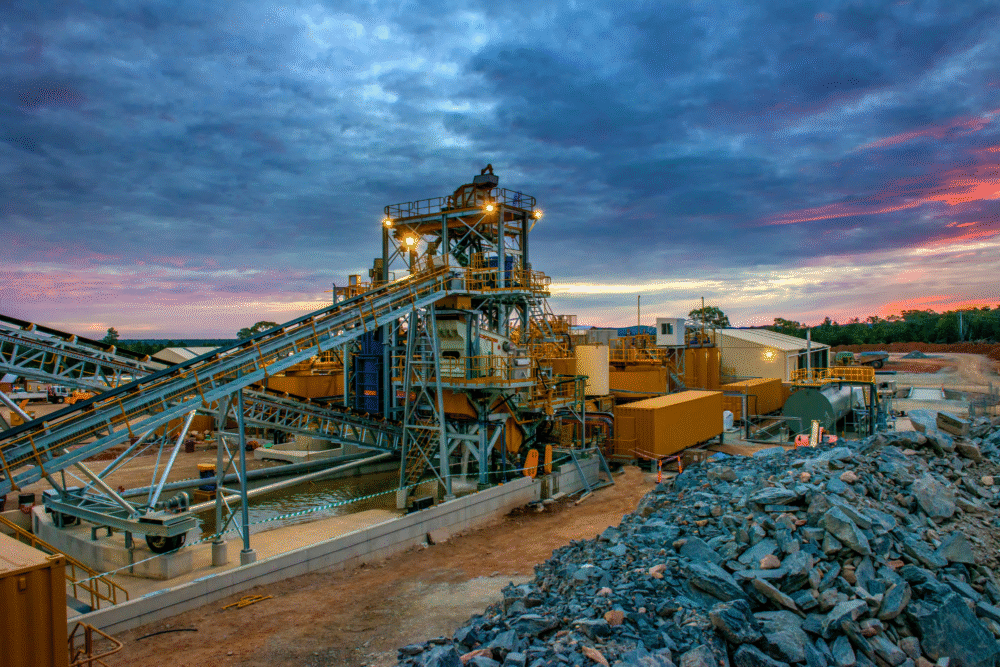
Instead of hauling away massive mining equipment when sites close, communities are finding creative ways to repurpose industrial infrastructure for clean energy production. Former coal processing buildings are being converted into solar panel manufacturing facilities, while old mining roads provide access routes for wind turbine installation and maintenance.
Some abandoned mining sites have ideal conditions for solar farms because they’re already cleared of trees and have existing electrical infrastructure. This approach saves money on cleanup costs while creating new energy jobs in communities that desperately need economic opportunities.
5. Tree roots are naturally cleaning up groundwater contaminated by decades of mining pollution.
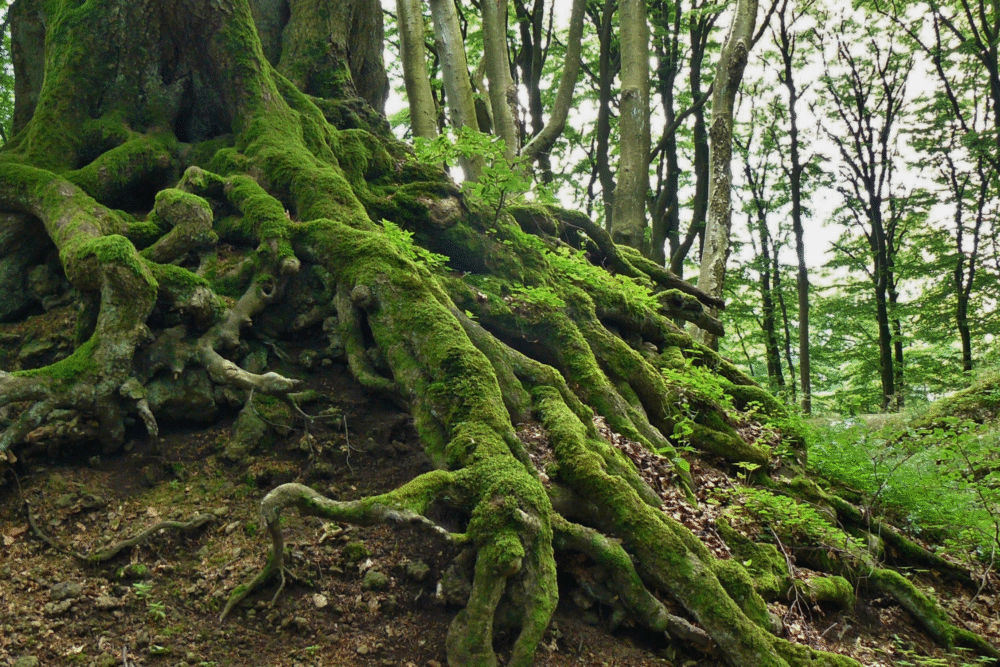
One of the most remarkable aspects of forest restoration is how trees naturally filter and clean contaminated water as they grow. Tree roots act like living water treatment systems, absorbing heavy metals and breaking down toxic compounds that have poisoned groundwater for generations.
Certain tree species, particularly willows and poplars, are especially effective at removing contaminants from soil and water. As these forests mature, they’re gradually restoring clean drinking water to communities that have relied on bottled water for decades, providing both environmental and economic benefits.
6. Restored forests are creating carbon storage that helps fight climate change on a massive scale.

The millions of trees planted on former mining sites are turning Appalachia into one of the most effective carbon capture regions in the United States. Young, fast-growing forests absorb carbon dioxide much more rapidly than mature forests, making these restored areas incredibly valuable for fighting climate change.
Scientists estimate that fully restored mining sites can sequester 200-300 tons of carbon per acre over 30 years, which is equivalent to removing hundreds of cars from the road permanently. This natural carbon storage is attracting investment from companies looking to offset their emissions while supporting rural economic development.
7. Local communities are developing ecotourism businesses around restored mining sites.

What used to be environmental eyesores that drove visitors away are now becoming tourist attractions that bring money into struggling rural communities. Restored mining sites offer hiking trails, bird watching opportunities, and educational tours that showcase the region’s environmental recovery story.
Some communities have built visitor centers, camping facilities, and guided tour businesses around their restoration success stories. These ecotourism ventures provide jobs for local residents while generating pride in communities that were previously known only for environmental destruction and economic decline.
8. New forests are preventing devastating floods that plagued mining communities for decades.
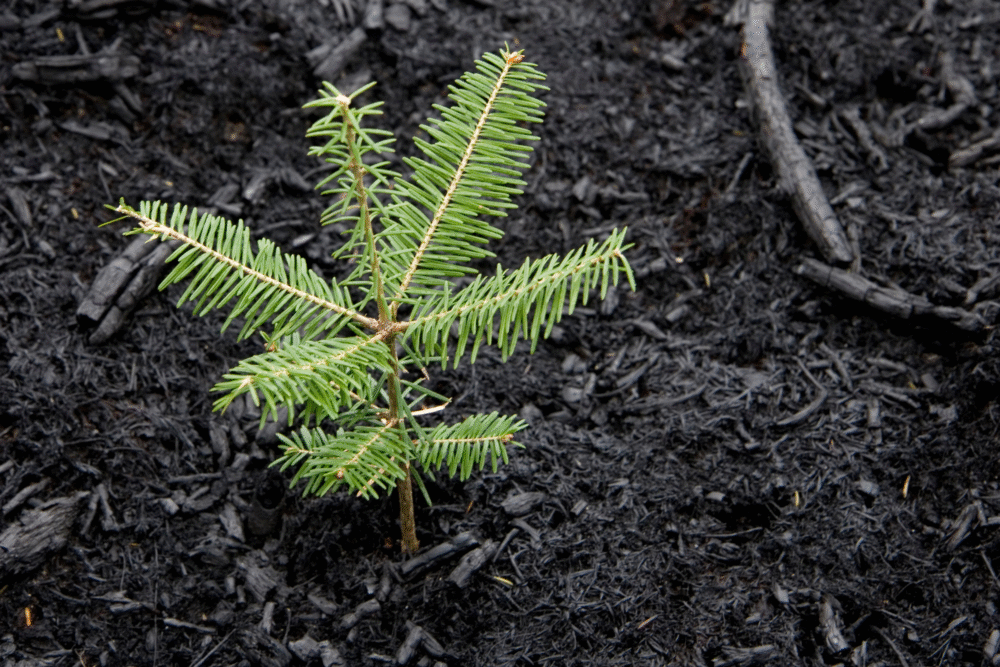
Strip mining removed the natural vegetation that used to absorb rainwater and prevent erosion, leading to frequent flooding that destroyed homes and businesses in downstream communities. The new forests are restoring the natural water cycle, with tree roots and forest soil absorbing rainfall that would otherwise rush down bare mountainsides.
Communities that experienced regular flood damage are now seeing dramatic improvements in water management, with fewer emergency evacuations and less property damage during heavy storms. The flood protection benefits alone save communities millions of dollars in damage prevention and emergency response costs.
9. Partnerships between universities and local communities are advancing restoration science through hands-on research.

Appalachian restoration sites have become living laboratories where university researchers work directly with local communities to test and improve forest restoration techniques. Students and faculty from forestry, environmental science, and engineering programs spend months in the field, developing new approaches to soil remediation, tree species selection, and ecosystem restoration.
This collaboration benefits everyone — communities get access to cutting-edge research and technical expertise, while universities get real-world testing grounds for restoration methods that are being applied worldwide. The knowledge developed in Appalachia is now being used to restore damaged landscapes globally.
10. Native plant nurseries run by local residents are supplying restoration projects across the region.
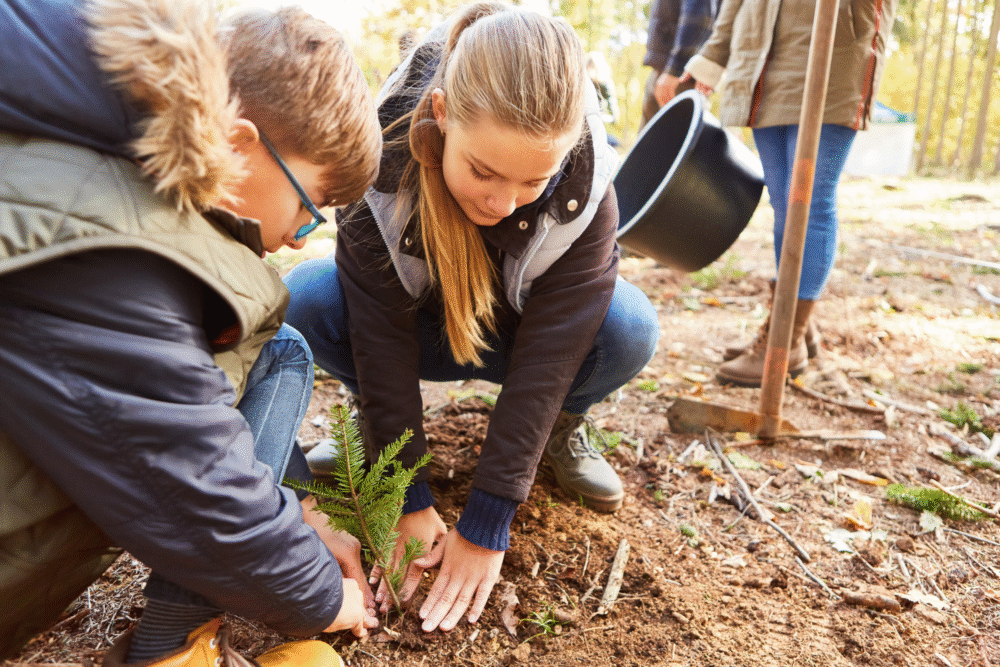
Instead of importing trees and plants from distant commercial nurseries, many communities have established their own native plant growing operations that provide seeds and seedlings specifically adapted to local conditions. These community-run nurseries create jobs while ensuring that restoration projects use plants that are genetically suited to survive in the harsh conditions of reclaimed mining sites.
Local residents have become experts in propagating native species, collecting seeds from healthy forest remnants, and growing the millions of plants needed for large-scale restoration projects. This approach keeps restoration money in local communities while improving the success rate of reforestation efforts.
11. Restored sites are becoming outdoor classrooms that educate children about environmental stewardship.

Schools throughout Appalachia are using restored mining sites as outdoor learning environments where students can see firsthand how environmental damage can be reversed through science and community action.
Children who grew up seeing nothing but environmental destruction are now learning about ecology, forest biology, and environmental restoration in forests that didn’t exist when their parents were young. These educational programs are inspiring a new generation of environmental stewards while giving young people hope that they can make a positive difference in their communities’ future.
12. The restoration movement is attracting national investment and creating a model for environmental recovery worldwide.

Appalachia’s success in turning environmental disasters into thriving ecosystems has caught the attention of investors, government agencies, and environmental organizations around the world. Federal and private funding is flowing into the region to support expanded restoration efforts, creating more jobs and accelerating the pace of environmental recovery.
The techniques developed in Appalachia are now being adapted for use in other mining regions, industrial sites, and degraded landscapes globally. What started as a desperate attempt to heal local environmental damage has become a internationally recognized model for how communities can recover from environmental destruction while building sustainable economic futures.