
These marine mammals capture massive amounts of carbon and cool ocean temperatures in ways scientists are just discovering.
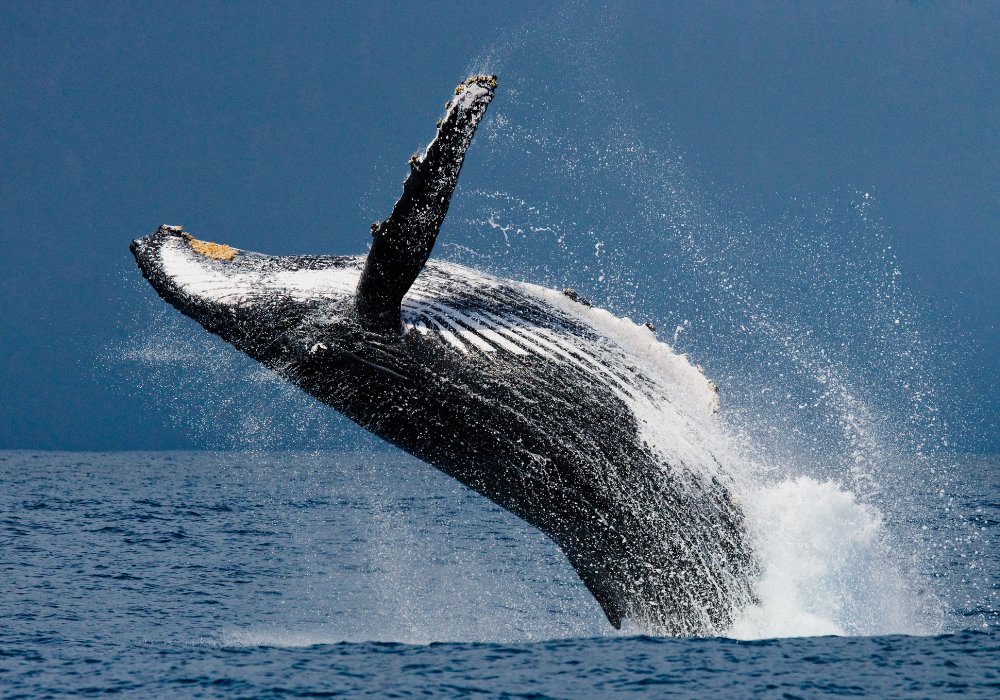
When you think about fighting climate change, whales probably don’t come to mind. Solar panels, wind turbines, electric cars — sure. But massive marine mammals swimming around the ocean? It turns out that whales are some of the most powerful climate warriors on the planet, and we’re only just beginning to understand how crucial they are to keeping our world cool.
Marine biologist Dr. Roman Joe at the University of Vermont has spent years studying what he calls “whale carbon services,” and his research reveals that these ocean giants are doing more to fight climate change than most countries. And they’ve been doing it for millions of years, completely for free.
1. A single large whale stores as much carbon as 1,000 trees throughout its entire lifetime.

The numbers are absolutely staggering when you realize what’s swimming around in our oceans. A great whale’s massive body is essentially a living carbon storage unit, accumulating tons of carbon over its 60-90 year lifespan.
Unlike trees that release their stored carbon when they die and decompose, whales take their carbon to the deep ocean floor when they pass away, locking it away for centuries. Scientists estimate that the world’s whale populations store about 33 tons of carbon per whale — that’s equivalent to removing thousands of cars from the road for an entire year.
2. Whale waste creates massive ocean forests that absorb millions of tons of carbon dioxide.

This might sound gross, but whale waste is actually one of nature’s most effective climate solutions. When whales surface to breathe, they release enormous plumes of nutrient-rich waste that fertilize tiny ocean plants called phytoplankton.
These microscopic organisms form the base of the ocean food chain and absorb massive amounts of carbon dioxide from the atmosphere. A single whale can fertilize phytoplankton across thousands of square miles of ocean, creating underwater forests that capture carbon more efficiently than most land-based plants.
3. Migrating whales transport nutrients across oceans like living conveyor belts for marine ecosystems.
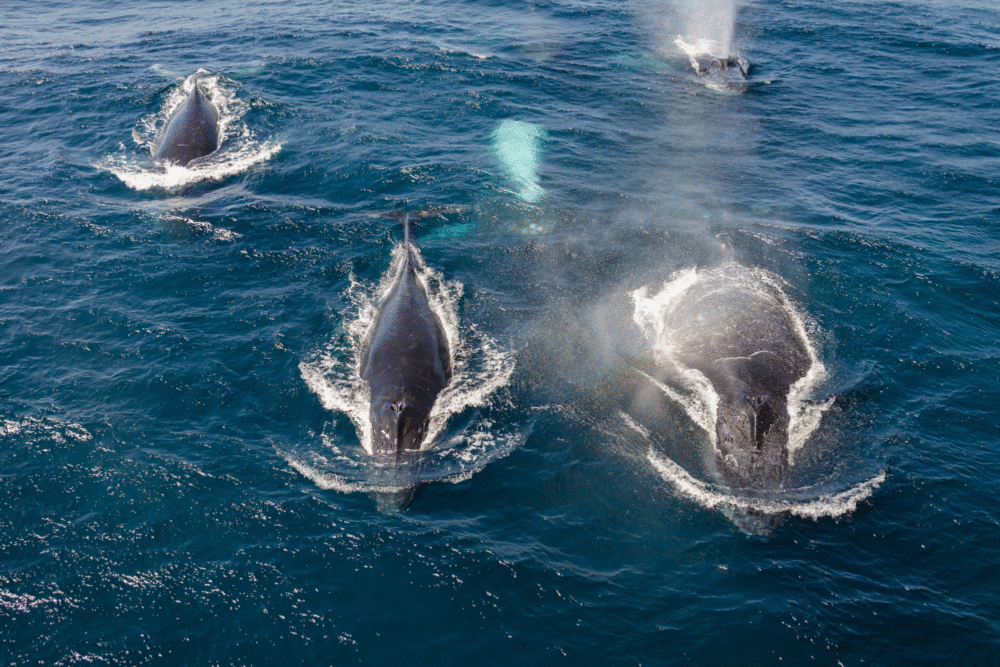
Whales don’t just swim around randomly — they’re constantly moving nutrients from deep, cold waters to warm, shallow areas where marine life thrives. During their epic migrations, whales feed in nutrient-rich polar waters and then travel to warmer regions where they release those nutrients through waste and feeding activities.
This natural conveyor belt system helps maintain healthy ocean ecosystems that are crucial for carbon absorption. Without whales moving nutrients around, vast areas of ocean would become biological deserts incapable of supporting carbon-absorbing marine life.
4. Historic whaling killed off 90% of large whale populations and severely damaged ocean carbon systems.

The industrial whaling era wasn’t just an ecological disaster — it was a climate catastrophe that we’re still dealing with today. Before commercial whaling began, an estimated 4-5 million large whales roamed the oceans. Today, only about 1.3 million remain.
Scientists calculate that this massive population loss eliminated roughly 6.6 million tons of carbon storage capacity from ocean ecosystems. The missing whales also mean dramatically less natural ocean fertilization, reducing the ocean’s ability to absorb atmospheric carbon dioxide by an estimated 2 million tons annually.
5. Whale songs help scientists track ocean temperature changes and climate patterns.

Whales are essentially living climate monitoring stations that have been collecting data for millions of years. Their songs travel differently through water depending on temperature, salinity, and other environmental conditions, giving scientists valuable information about climate change impacts on ocean systems.
Researchers can analyze whale vocalizations to track how ocean temperatures are changing over time and how marine ecosystems are responding to climate shifts. Some whale species are changing their migration patterns and singing behaviors in response to warming waters, providing early warning signs of ecosystem disruption.
6. Dead whales create deep-sea carbon sinks that store climate pollution for centuries.
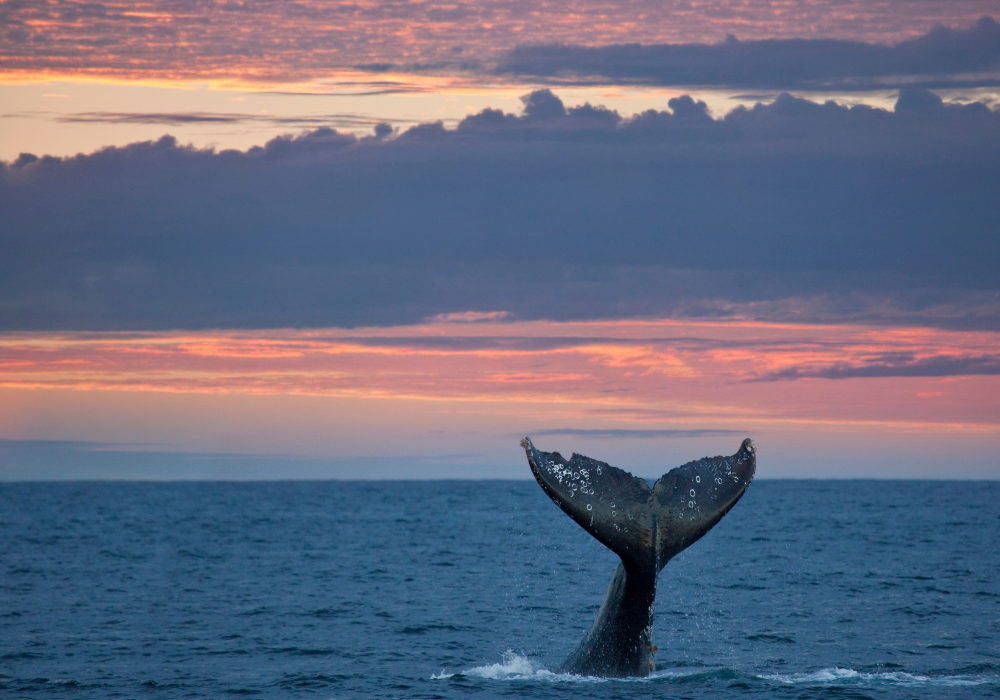
When a whale dies, its massive carcass sinks to the ocean floor and becomes what scientists call a “whale fall” — essentially a carbon time capsule that locks away decades of accumulated carbon. These whale falls support unique deep-sea ecosystems for decades, slowly decomposing and sequestering carbon in ocean sediments where it can remain trapped for hundreds or thousands of years.
A single whale fall can sequester 33 tons of carbon that would otherwise contribute to atmospheric warming, making whale cemeteries some of the ocean’s most effective long-term carbon storage facilities.
7. Baleen whales filter millions of tiny organisms that help regulate ocean chemistry.
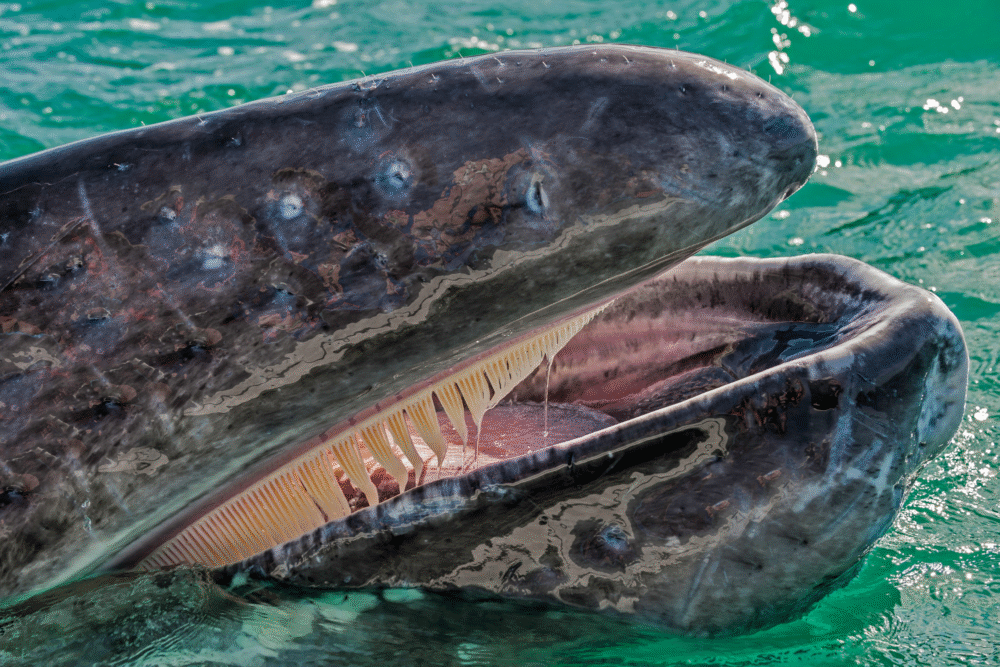
The feeding behavior of filter-feeding whales like blue whales and humpbacks does much more than just provide them with food — it actively helps regulate ocean chemistry in ways that benefit climate stability. When these massive whales gulp enormous amounts of seawater and filter out tiny organisms, they’re essentially acting as biological ocean processors that help maintain the delicate chemical balance needed for healthy marine ecosystems.
Their feeding activities help distribute nutrients and maintain water chemistry conditions that support carbon-absorbing phytoplankton populations across vast ocean areas.
8. Whale diving patterns bring deep-ocean nutrients to surface waters where plants can use them.
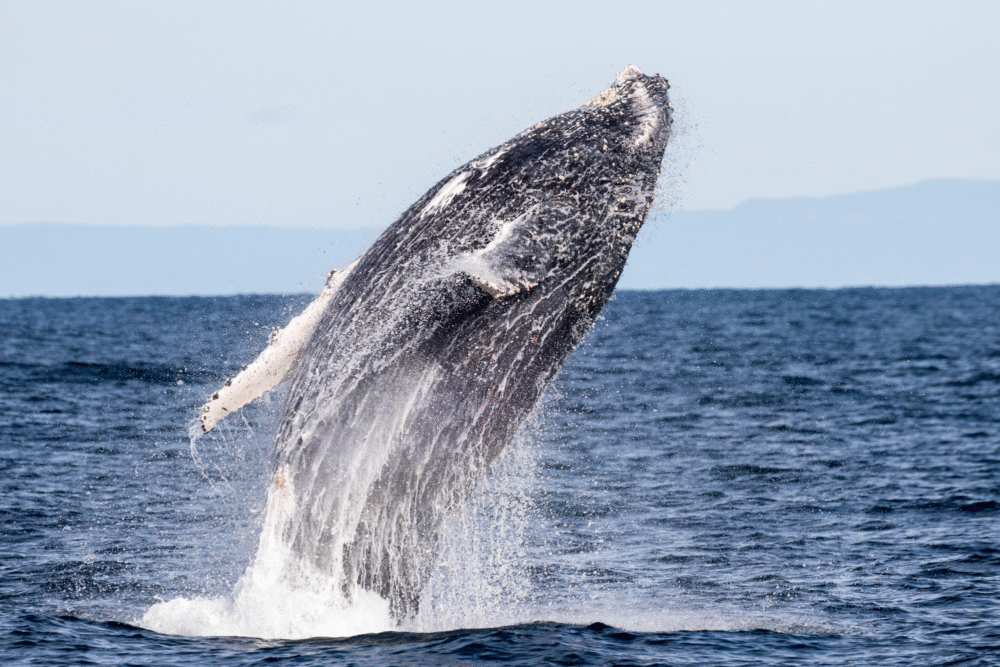
Every time a whale dives deep and returns to the surface, it’s essentially operating as a biological pump that moves nutrients from the dark depths to sunlit surface waters where photosynthesis can occur.
Deep ocean waters are rich in nutrients but too dark for plant growth, while surface waters have plenty of sunlight but often lack essential nutrients. Whales bridge this gap by feeding in deep waters and releasing nutrients near the surface, creating conditions that support massive blooms of carbon-absorbing marine plants that help cool the planet.
9. Protecting whale populations could be one of the fastest ways to increase ocean carbon absorption.

Here’s the amazing part: unlike technological climate solutions that take decades to develop and implement, whale conservation can start working immediately. Allowing whale populations to recover to historic levels could restore millions of tons of natural carbon storage capacity within just a few generations.
Scientists estimate that returning whale populations to pre-whaling levels could enhance ocean carbon absorption by 1.7 billion tons over the next century. That’s equivalent to taking 35 million cars off the road permanently, and it only requires protecting whales that already exist.
10. Whales may be essential for ocean ecosystems to survive future climate changes.
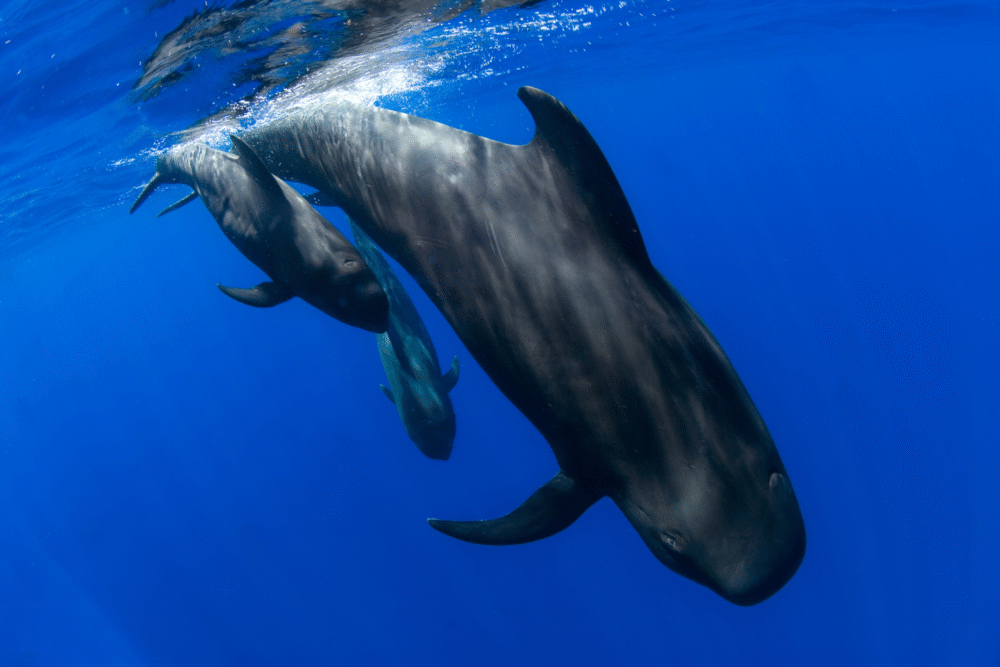
As climate change intensifies and ocean conditions become more extreme, whales could become even more crucial for maintaining stable marine ecosystems. Their role in distributing nutrients, supporting phytoplankton populations, and maintaining ocean chemistry may be essential for helping marine life adapt to warming waters and changing ocean conditions.
Scientists worry that losing more whale populations could trigger cascading ecosystem collapses that would eliminate the ocean’s ability to absorb carbon dioxide, accelerating climate change beyond our ability to control it through human technology alone.