
Wealthy neighborhoods consume massive water resources and chemicals while contributing more to climate change than you think.
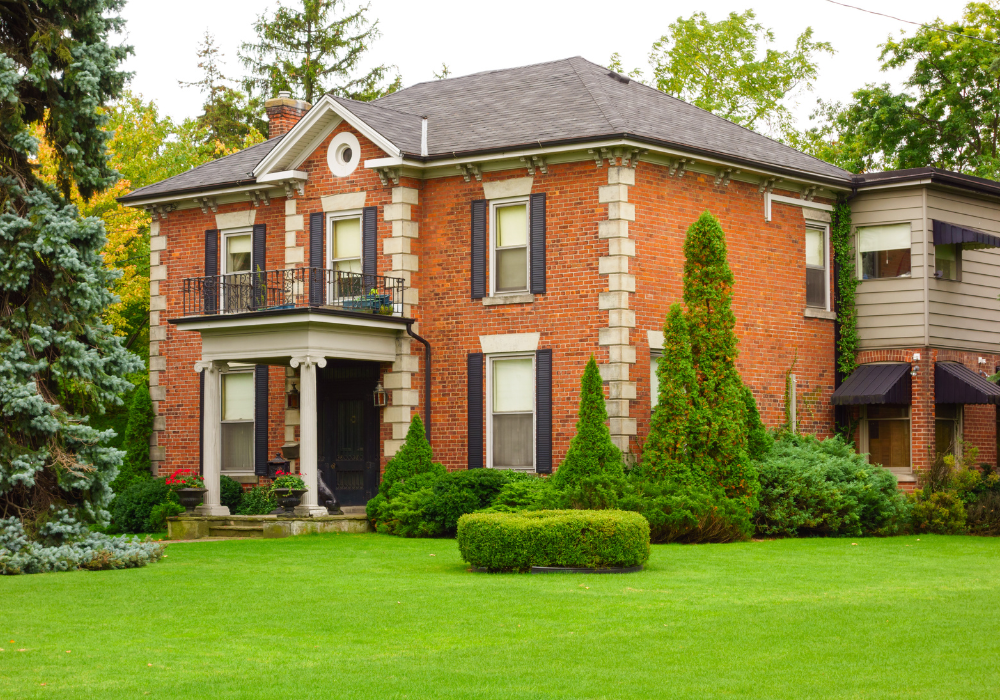
Drive through any wealthy neighborhood and you’ll see them everywhere: perfect, emerald-green lawns that look like they belong on a golf course. These pristine patches of grass might seem harmless, but they’re actually environmental disasters hiding in plain sight. The resources required to maintain these perfect lawns are staggering, and the environmental cost is something most people never think about.
Dr. Paul Robbins, author of “Lawn People” and professor at the University of Wisconsin-Madison, says that American lawns consume more water, fertilizer, and pesticides than most agricultural crops, while providing zero food value. The obsession with perfect grass in affluent communities represents one of the most wasteful uses of natural resources in modern society.
1. Wealthy lawns consume more water than entire small towns combined.
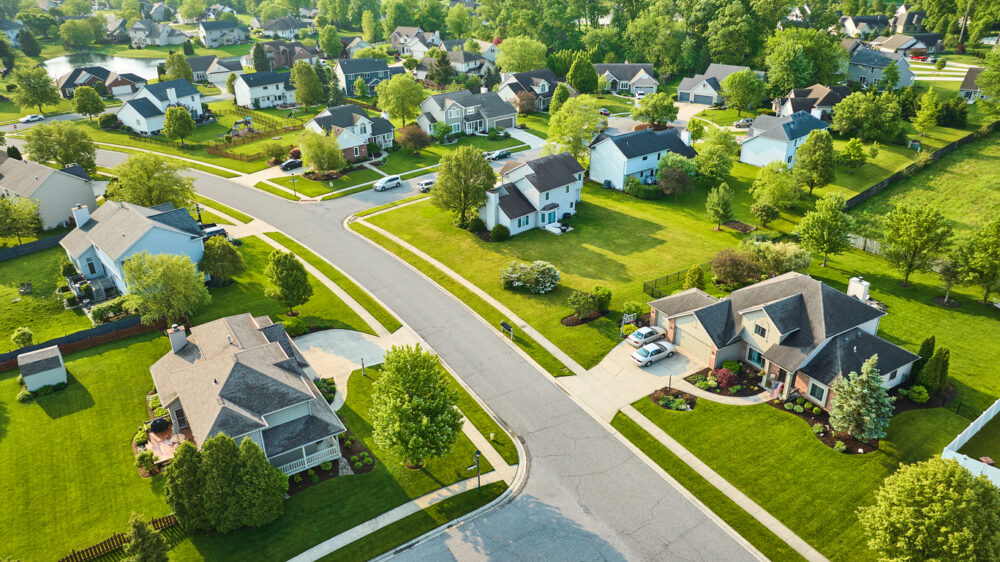
Rich neighborhoods use absolutely mind-boggling amounts of water just to keep grass green, and the numbers will shock you. A typical affluent household with a large lawn can use over 100,000 gallons of water annually just for irrigation. Beverly Hills uses more water per capita than any other city in California, with most going to lawn maintenance, according to The Guardian.
During droughts, wealthy areas often ignore water restrictions while lower-income neighborhoods face penalties. Some luxury properties consume as much water in a month as average families use in an entire year, all for the sake of perfect grass.
2. The fertilizer runoff from rich lawns is poisoning waterways across America.

Wealthy homeowners dump massive amounts of nitrogen-rich fertilizers on their lawns to achieve that perfect green color, but most of it doesn’t stay put. Rain and sprinkler systems wash these chemicals directly into storm drains, rivers, and eventually the ocean, creating toxic algae blooms that kill fish and destroy marine ecosystems, as mentioned by Princeton University.
The Gulf of Mexico’s massive dead zone is partly fed by lawn fertilizer runoff from affluent suburbs hundreds of miles away. Lake Erie’s toxic algae problems can be traced directly to excessive fertilizer use in wealthy lakefront communities.
3. Pesticides from luxury lawn care are killing bees and butterflies at alarming rates.

Perfect lawns require chemical warfare against any plant or insect that dares to interrupt the monoculture of grass. Wealthy neighborhoods use industrial-strength pesticides that are banned in many countries but perfectly legal for American homeowners.
These chemicals don’t just kill weeds and bugs on contact — they persist in the environment for months, creating toxic zones where pollinators can’t survive. Professional lawn care companies servicing rich areas spray more pesticides per square foot than most commercial farms, turning suburban neighborhoods into chemical wastelands, as shared by Oxfam.
4. Gas-powered lawn equipment in affluent areas produces massive carbon emissions.
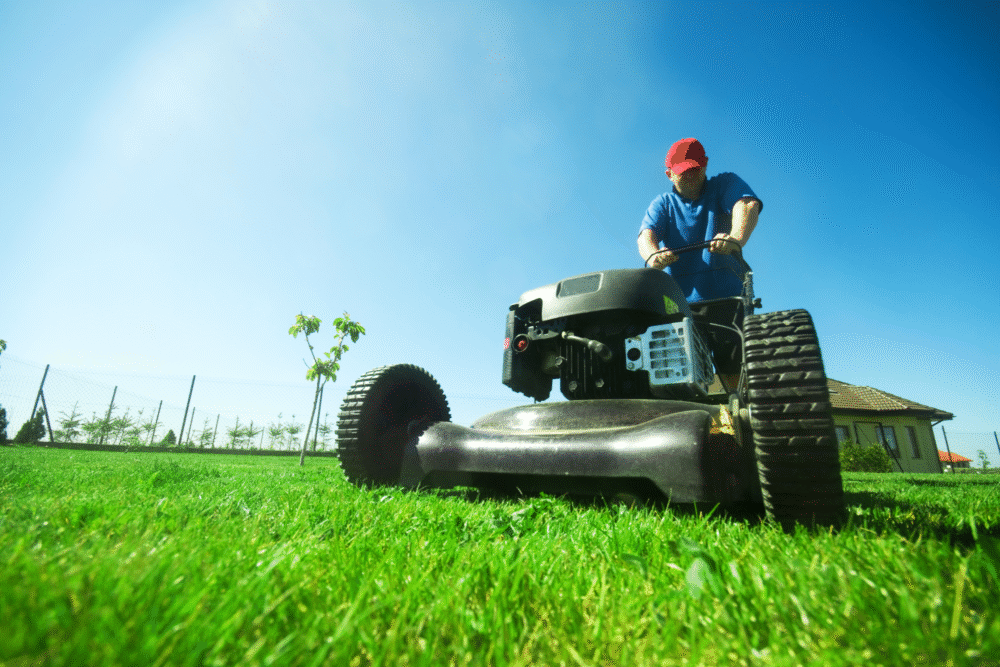
The constant maintenance required for perfect lawns means wealthy neighborhoods are filled with gas-powered mowers, leaf blowers, and trimmers running almost daily. A single gas-powered leaf blower produces more emissions in one hour than driving a car 1,100 miles.
Affluent communities often have professional landscape crews using multiple pieces of equipment on every property, creating pollution levels that rival small industrial facilities. The carbon footprint from maintaining wealthy lawns exceeds the emissions from heating and cooling many homes.
5. Rich lawns require constant reseeding and sod replacement, wasting enormous resources.

Wealthy homeowners don’t just water and fertilize their grass — they completely replace it whenever it’s not absolutely perfect. Sod farms that supply luxury neighborhoods consume thousands of acres of agricultural land that could be growing food instead of ornamental grass.
The transportation of fresh sod to wealthy areas burns massive amounts of fossil fuels, often shipping grass hundreds of miles for installation. Many rich properties replace their entire lawn multiple times per year, treating living grass like disposable carpet.
6. The obsession with non-native grass species destroys local ecosystems completely.
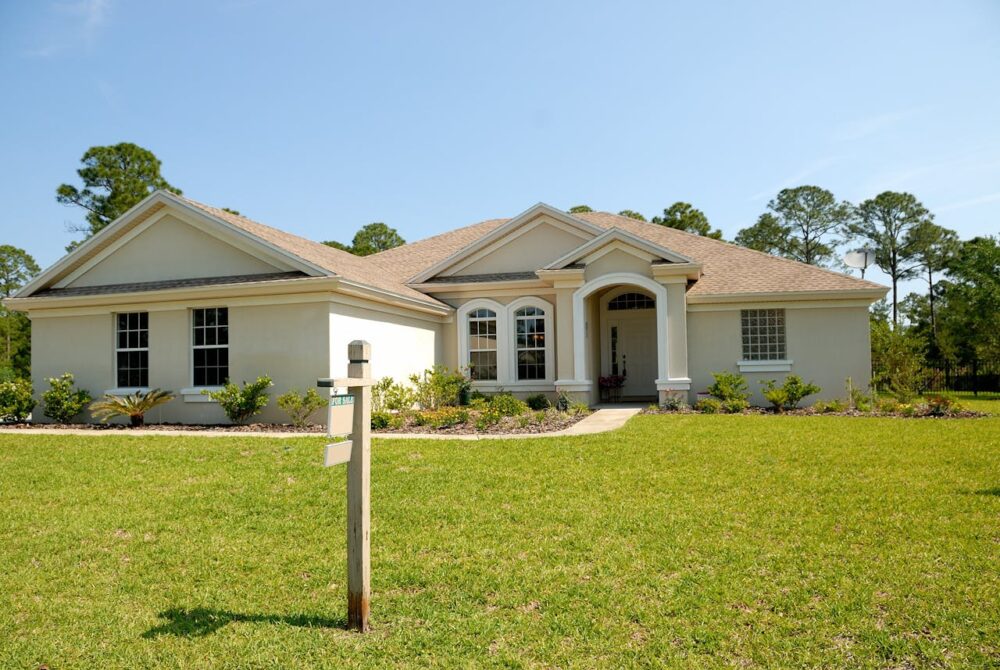
Wealthy neighborhoods typically feature exotic grass varieties that look perfect but require constant artificial life support to survive in climates where they don’t belong. Kentucky bluegrass in Arizona deserts, tropical varieties in northern climates, and European species throughout American suburbs create biological dead zones that native wildlife can’t use.
These non-native grasses crowd out indigenous plants that local birds, insects, and small animals depend on for survival. The result is wealthy neighborhoods that are essentially green deserts with no ecological value.
7. Luxury lawn irrigation systems waste water through inefficient design and overuse.
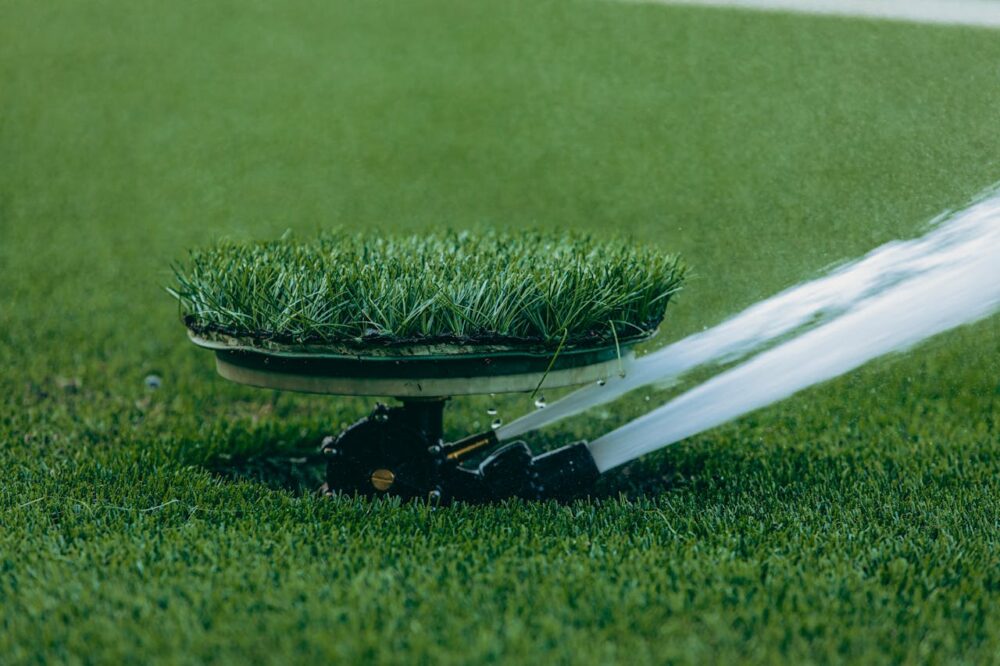
Rich homeowners install elaborate sprinkler systems that water their lawns whether they need it or not, often running during rainstorms or in the middle of the day when most water evaporates. These automated systems frequently malfunction, flooding lawns with thousands of gallons while homeowners are traveling or simply not paying attention.
Underground irrigation pipes in wealthy neighborhoods leak constantly, wasting millions of gallons that seep into the ground without reaching plants. The systems are designed for convenience rather than conservation, prioritizing perfect appearance over environmental responsibility.
8. The chemical treatments used on wealthy lawns are contaminating groundwater supplies.
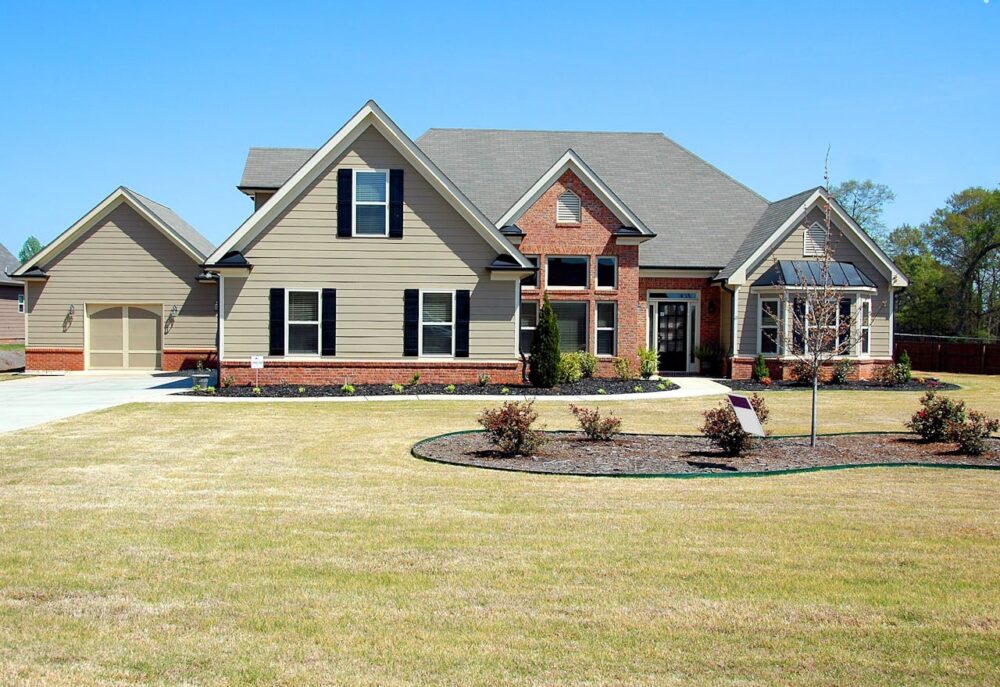
The toxic cocktail of fertilizers, pesticides, and herbicides used to maintain perfect lawns doesn’t just wash away — much of it seeps down into underground water supplies that entire communities depend on for drinking water.
Wealthy neighborhoods built over aquifers are essentially poisoning the wells that supply water to surrounding areas, including lower-income communities that can’t afford bottled water alternatives. Studies have found lawn chemicals in groundwater supplies miles away from where they were originally applied, creating widespread contamination that can last for decades.
9. Professional lawn care companies serving rich areas use industrial-level chemical applications.
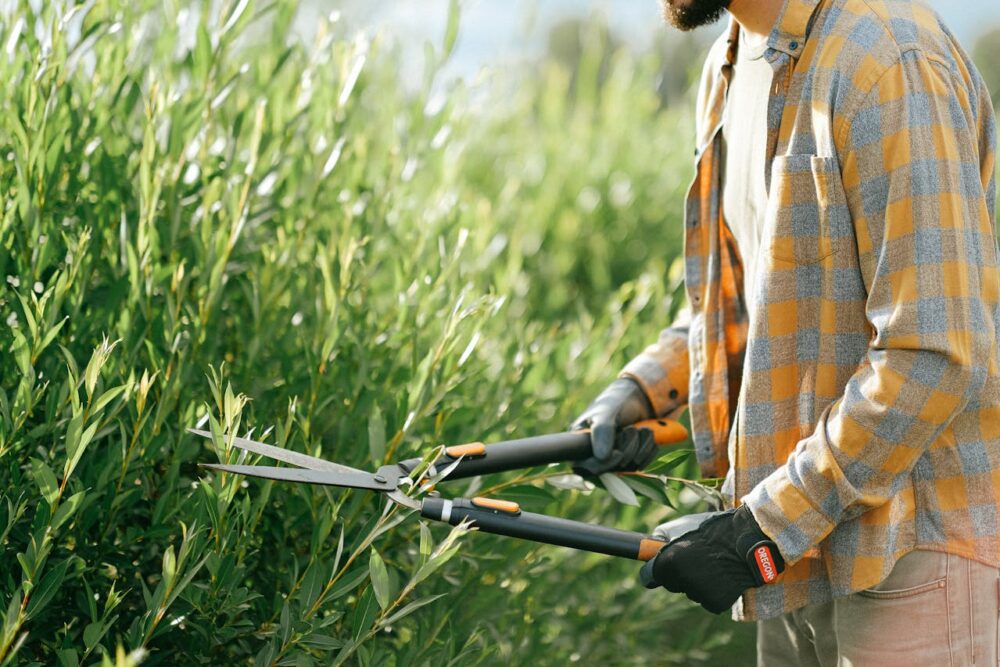
Wealthy homeowners hire professional landscape services that use commercial-grade chemicals far more potent than anything available to regular consumers. These companies treat residential lawns like industrial facilities, applying pesticides and fertilizers at concentrations that would be illegal in many agricultural settings.
The workers applying these chemicals often lack proper safety training and equipment, creating health risks for both the applicators and anyone who walks on the treated grass. Children playing on chemically-treated wealthy lawns are exposed to toxin levels that exceed safety guidelines.
10. The carbon footprint of maintaining wealthy lawns rivals that of small countries.
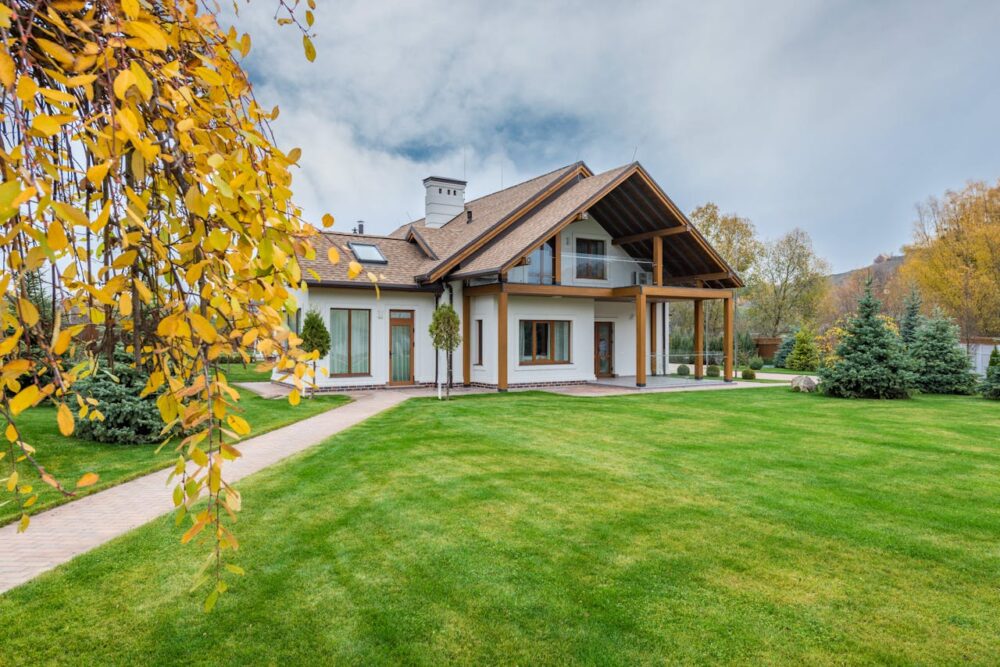
When you add up all the resources involved in maintaining perfect lawns in affluent areas — water treatment and delivery, fertilizer production and transportation, pesticide manufacturing, gas-powered equipment operation, and constant replanting — the total carbon emissions are staggering.
Some estimates suggest that lawn maintenance in wealthy American suburbs produces more greenhouse gases annually than entire developing nations. The energy required to pump, treat, and deliver water for lawn irrigation alone consumes enough electricity to power hundreds of thousands of homes.
11. Wealthy lawn culture encourages wasteful consumption patterns throughout entire neighborhoods.
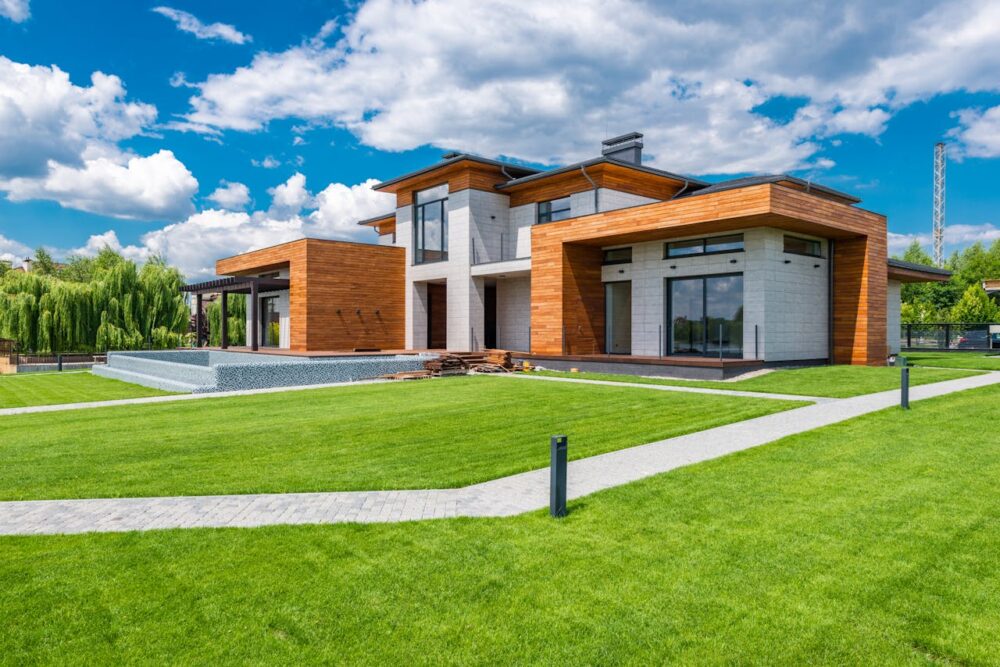
The pressure to maintain perfect lawns in affluent communities creates a competitive dynamic where neighbors constantly try to outdo each other’s landscaping, leading to escalating resource consumption and environmental destruction.
Property values in wealthy areas are often tied to lawn appearance, forcing even environmentally conscious homeowners to waste resources to protect their investments. This culture of lawn perfectionism spreads to middle-class neighborhoods trying to emulate wealthy areas, multiplying the environmental damage across entire regions and creating unrealistic standards for what residential landscapes should look like.