
New research reveals alarming climate discoveries frozen in Greenland’s ice sheet that could change everything we know.
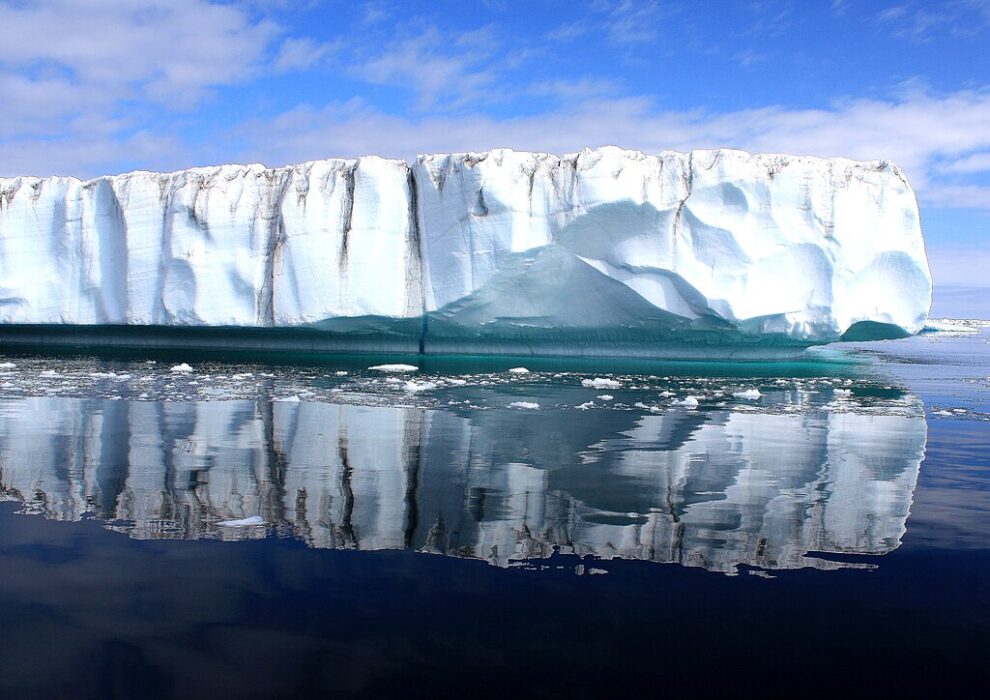
We’ve all seen the scary headlines about melting ice caps, but what scientists are actually finding inside Greenland’s ancient ice is far more alarming than anyone expected. For decades, researchers have been drilling deep into Greenland’s massive ice sheet, extracting cores that contain thousands of years of climate history.
What they’re discovering isn’t just data about the past — it’s a terrifying preview of what’s coming. According to glaciologists at the National Science Foundation, these ice cores are revealing climate changes happening faster and more dramatically than any computer model predicted.
1. Ancient air bubbles reveal carbon dioxide levels that break all historical records.
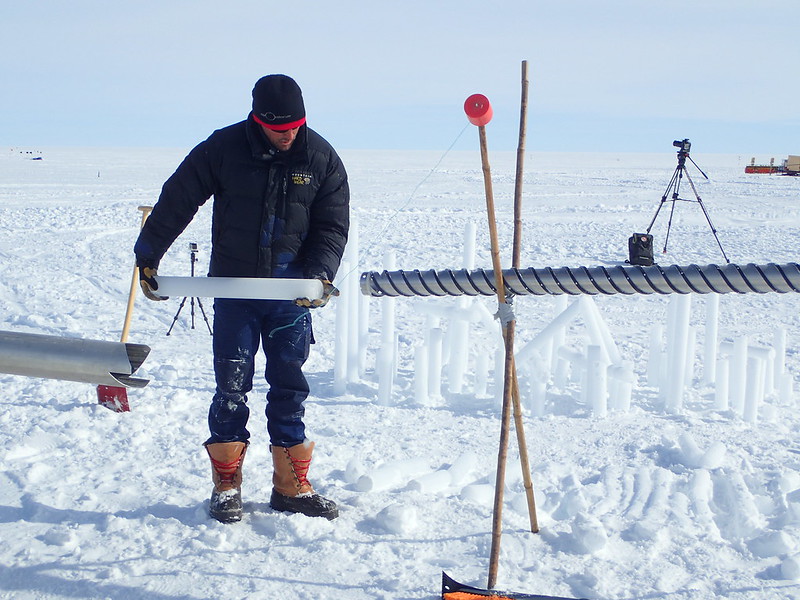
Scientists drilling into Greenland’s ice have discovered air bubbles trapped for thousands of years, and the story they tell is shocking. These tiny time capsules show exactly what Earth’s atmosphere looked like throughout history, and recent samples are breaking every record:
- Current CO2 levels are 50% higher than anything seen in the past 800,000 years
- Atmospheric changes that once took millennia are now happening in mere decades
- Pre-industrial CO2 levels of 280 parts per million have skyrocketed to over 420 today
- The rate of increase is accelerating faster than scientists thought physically possible
2. Ice layers show Greenland lost massive amounts of ice during past warm periods.
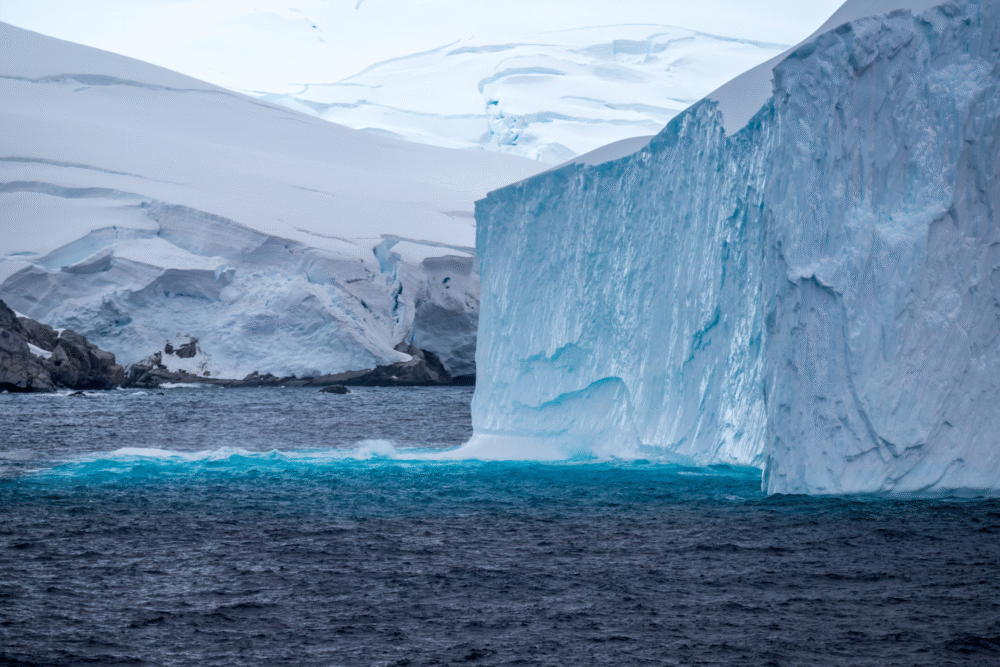
The ice cores reveal that during previous warm periods in Earth’s history, Greenland’s ice sheet melted far more extensively than climate models suggested possible. These ancient melt events happened when global temperatures were only slightly warmer than today, suggesting that current ice loss could accelerate dramatically.
Experts found evidence of massive ice sheet collapse events that raised global sea levels by several meters within just a few centuries, not millennia as previously thought.
3. Mysterious dark patches in the ice reveal accelerating pollution from wildfires worldwide.
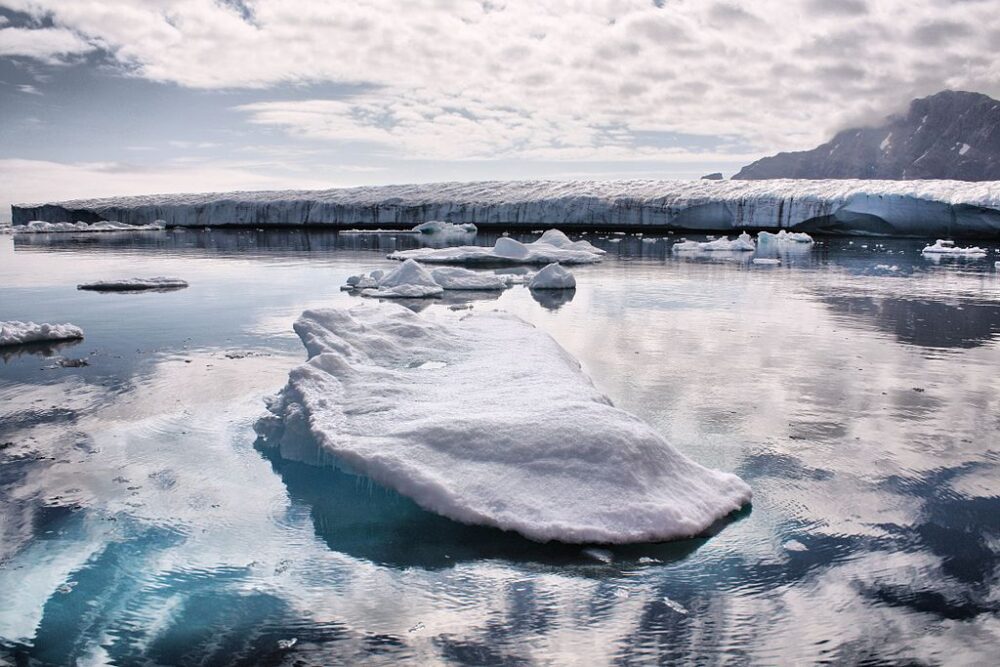
Deep within Greenland’s pristine white ice, scientists are finding increasingly dark layers that tell a disturbing story about our planet’s health. These dark bands contain soot and particles from global wildfires, and they’re getting thicker every year:
- Wildfire ash deposits have tripled in frequency over the past 50 years compared to historical averages
- Amazon rainforest fires are leaving detectable traces in Greenland ice cores
- Australian bushfire soot traveled over 10,000 miles to reach Greenland’s ice sheet
- The dark particles are actually making the ice melt faster by absorbing more heat from sunlight
4. Temperature records frozen in ice show rapid warming unlike anything in human history.
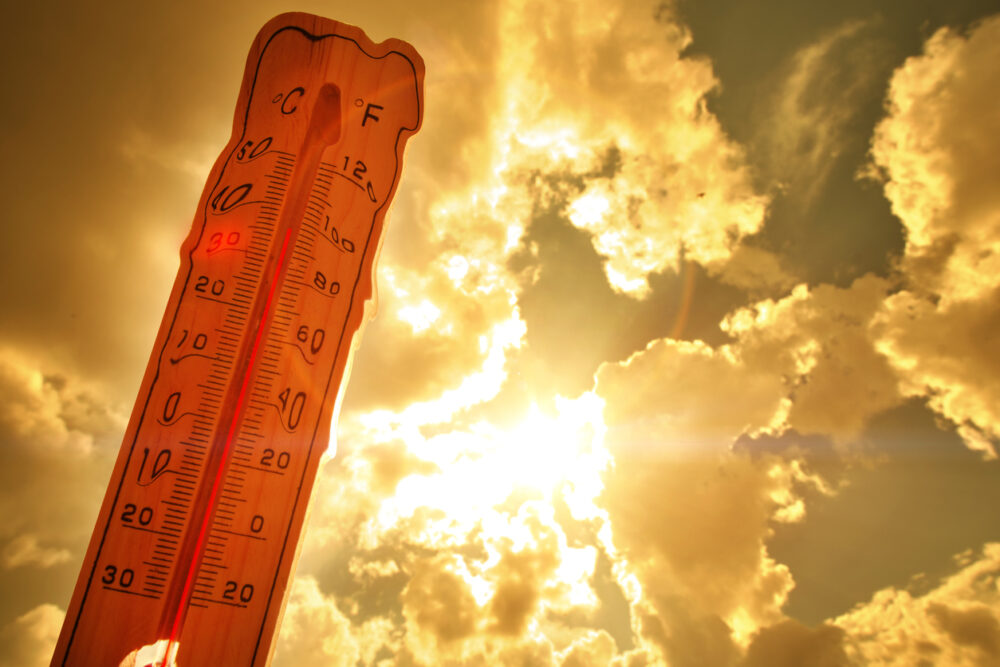
Ice core temperature data reveals that Arctic warming is happening at a pace that’s genuinely unprecedented in recorded climate history. The temperature increases locked in recent ice layers show changes that dwarf natural climate variations:
- Arctic temperatures have risen 4 degrees Fahrenheit in just the past 40 years
- This warming rate is 10 times faster than the global average temperature increase
- Previous natural climate shifts took thousands of years to reach similar temperature changes
- The warming pattern matches exactly what scientists predicted from greenhouse gas increases
5. Ancient bacteria and viruses are awakening as the ice melts away.
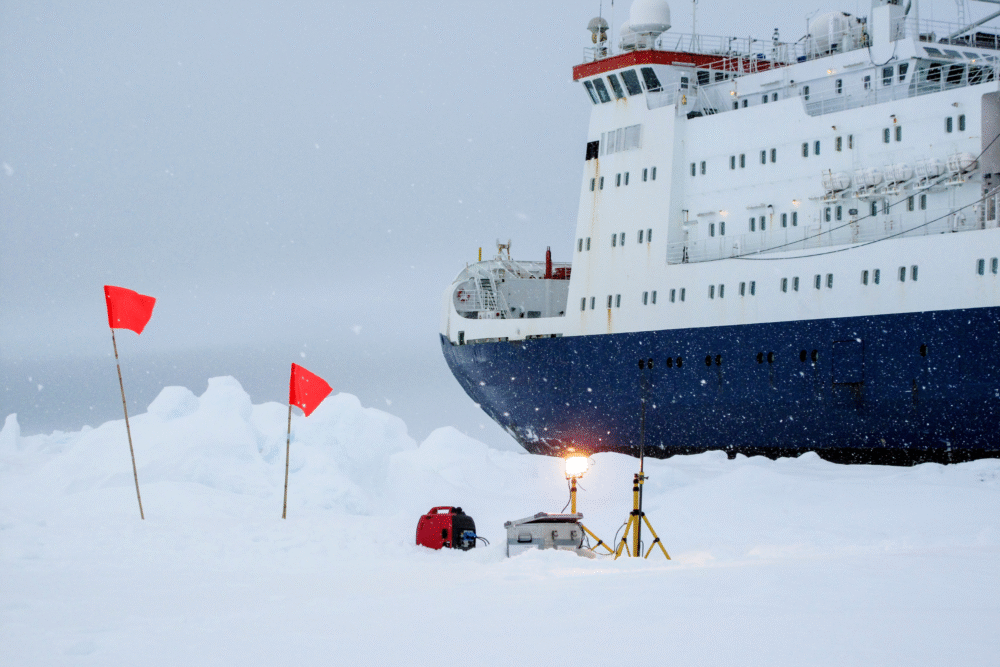
As Greenland’s ice sheet melts, scientists are discovering that ancient microorganisms trapped for thousands of years are coming back to life. These prehistoric bacteria and viruses represent completely unknown biological threats that modern ecosystems have never encountered.
Research teams have found viable microorganisms in ice cores dating back over 50,000 years, and many of these ancient life forms are unlike anything currently known to science. The implications for public health remain largely unknown as these organisms enter modern environments.
6. Chemical signatures prove industrial pollution has reached the most remote places on Earth.
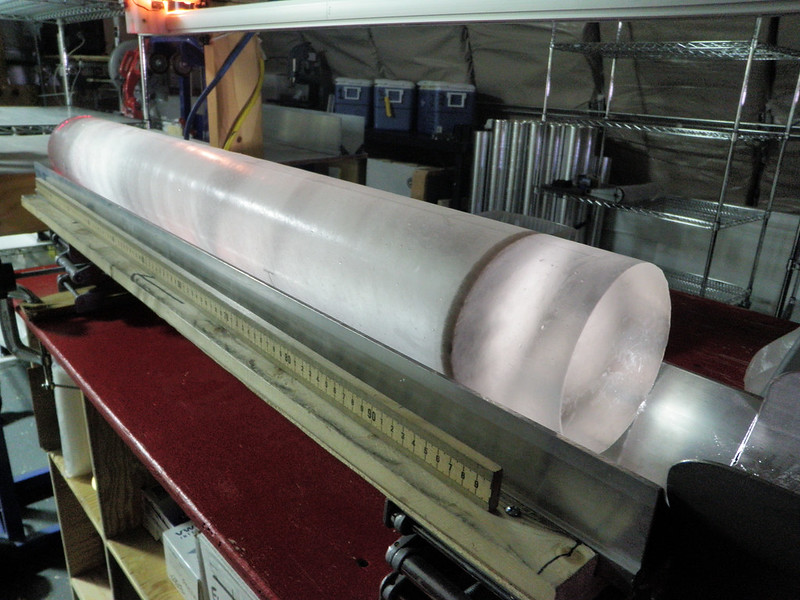
Even in Greenland’s most isolated regions, ice cores show clear evidence of human industrial activity dating back to the 1800s. Heavy metals, pesticides, and industrial chemicals that were released thousands of miles away have been transported through the atmosphere and preserved in Greenland’s ice.
Scientists can literally see the exact year when leaded gasoline was introduced, when nuclear weapons testing began, and when various industrial chemicals were first mass-produced. This proves that no place on Earth remains untouched by human activity.
7. Massive cracks and holes are appearing throughout the ice sheet’s interior.
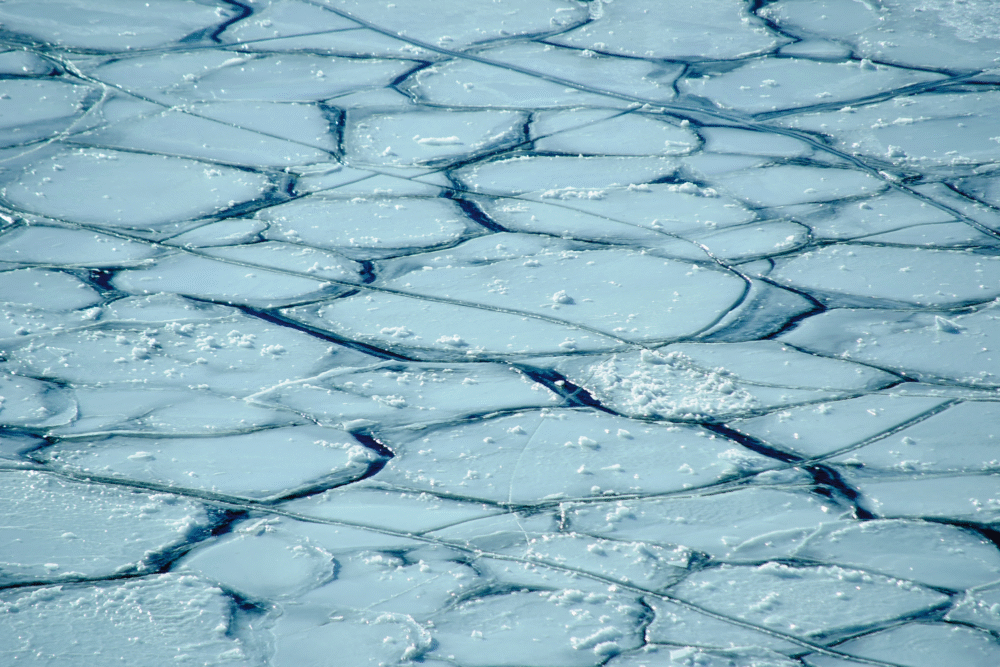
Satellite imagery and ground-penetrating radar reveal that Greenland’s ice sheet is developing structural problems that could lead to catastrophic collapse. These discoveries show the ice sheet is far more unstable than anyone realized:
- Hidden crevasses stretch for miles beneath the surface, weakening the entire ice structure
- Meltwater is creating underground river systems that lubricate the ice sheet from below
- Massive sinkholes are appearing in areas that were previously considered stable
- Some cracks extend completely through the ice sheet, reaching bedrock over a mile below the surface
8. Ocean water is infiltrating beneath the ice faster than models predicted possible.
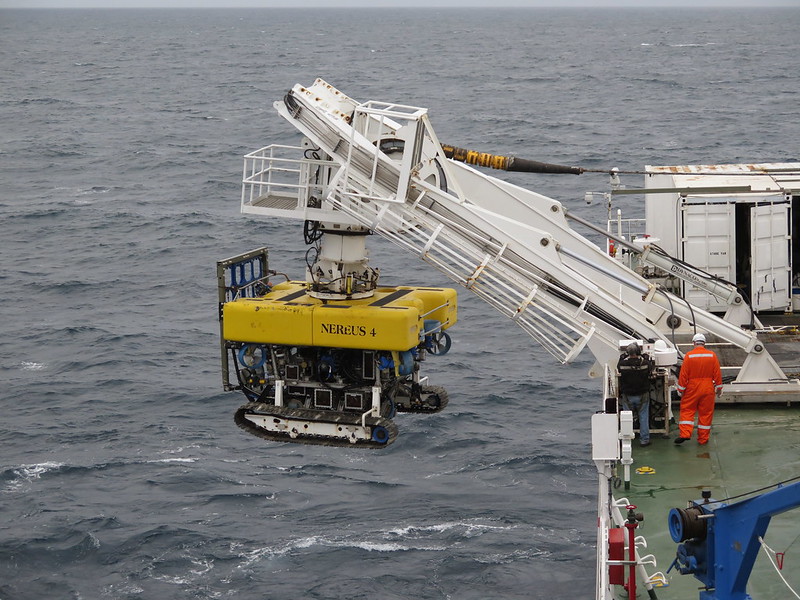
Scientists using underwater robots have discovered that warm ocean water is penetrating much further under Greenland’s ice sheet than climate models suggested. This underwater melting is happening at the foundation of the ice sheet, destabilizing massive glaciers from below.
The process creates a feedback loop where melting ice allows more warm water to reach previously protected areas, accelerating the entire collapse process. Current measurements show this underwater melting is happening three times faster than surface melting.
9. Weather patterns preserved in ice show increasingly extreme climate swings.
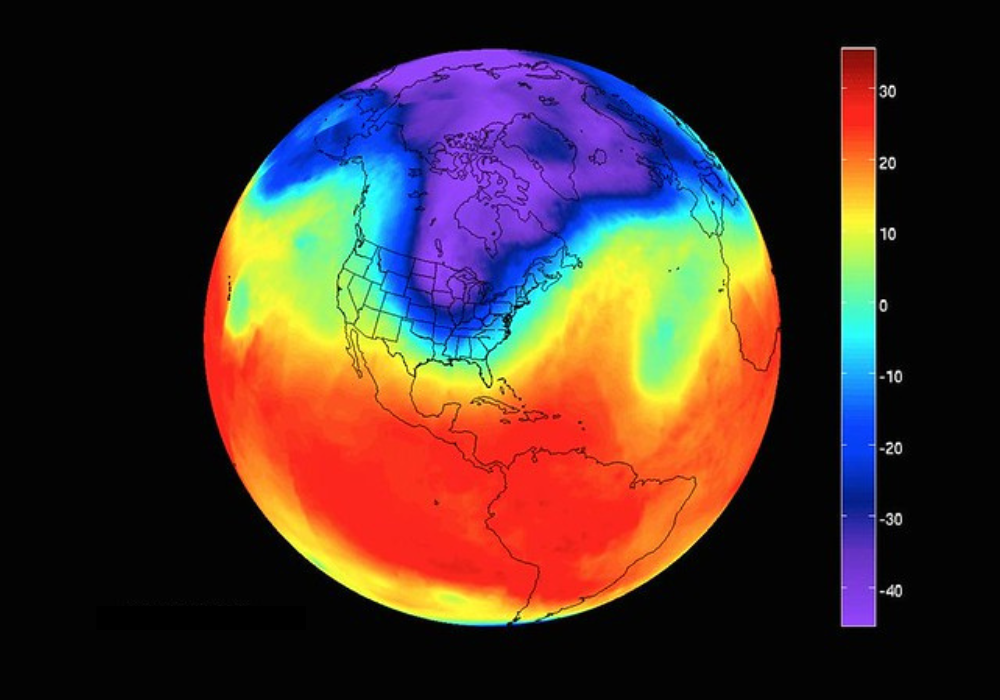
Ice core analysis reveals that recent weather patterns are becoming more extreme and unpredictable compared to thousands of years of historical climate data. The ice preserves evidence of precipitation patterns, storm intensity, and seasonal variations that show how dramatically weather systems are changing.
Scientists can see that the Arctic is experiencing weather extremes that have no precedent in the geological record, with temperature swings and storm patterns that would have been impossible under natural climate conditions.
10. Radioactive particles from nuclear accidents are permanently recorded in the ice.
Greenland’s ice cores contain a disturbing radioactive timeline of every major nuclear incident in human history. These contamination signatures provide an unalterable record of how nuclear disasters spread around the globe:
- Chernobyl radioactive fallout reached Greenland within days of the 1986 disaster
- Fukushima radiation signatures appeared in Greenland ice samples collected months after the 2011 accident
- Nuclear weapons testing from the 1950s and 60s left permanent radioactive markers throughout the ice
- Even small nuclear incidents thousands of miles away leave detectable traces in Greenland’s pristine environment
11. Accelerating ice loss is revealing bedrock that hasn’t seen sunlight for millions of years.
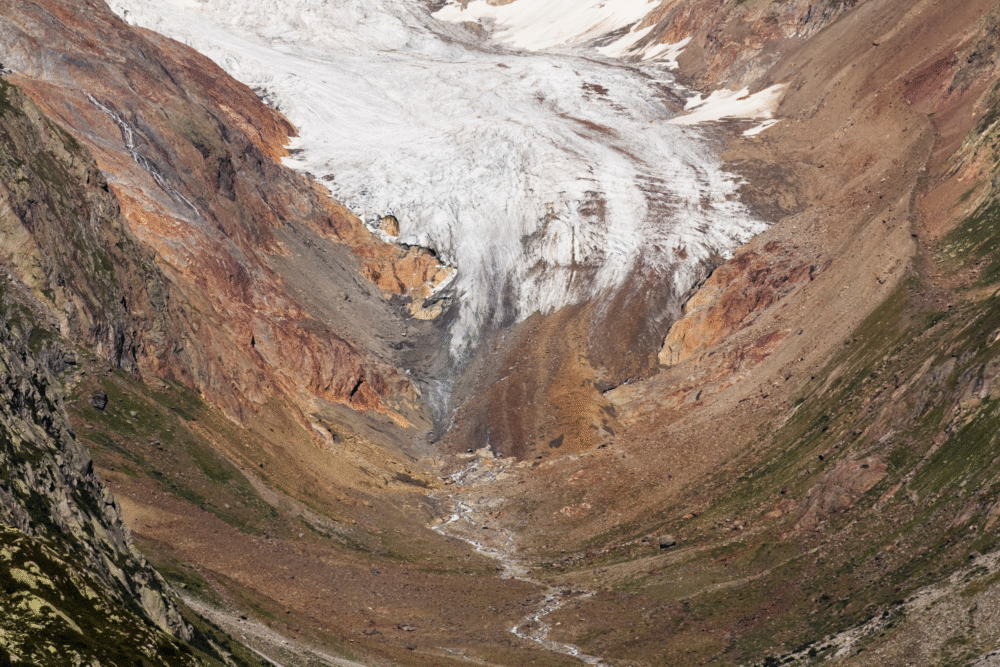
As Greenland’s ice sheet retreats, it’s exposing ancient bedrock and landscapes that have been frozen for millions of years. These newly exposed areas reveal that the ice sheet has been much smaller in the past, but they also show how quickly massive ice formations can disappear completely.
Scientists are finding plant fossils and organic material beneath the ice that prove Greenland was once green and ice-free. This discovery suggests that complete ice sheet loss is not only possible but has happened before in Earth’s history.
12. Computer models consistently underestimate the speed of changes happening in Greenland.

Perhaps most terrifying of all, scientists are discovering that their sophisticated climate computer models have been too conservative in predicting Greenland’s ice loss. Every major climate model used by governments and international organizations has underestimated the speed and severity of changes actually occurring.
Real-world measurements consistently show ice melting, temperature increases, and structural changes happening decades ahead of scientific predictions. This suggests that official climate change timelines may be dangerously optimistic, and the impacts could arrive much sooner than anyone is prepared for.