
Brain scans show hoarding disorder triggers physical pain pathways, explaining why decluttering hurts and how new therapies help.
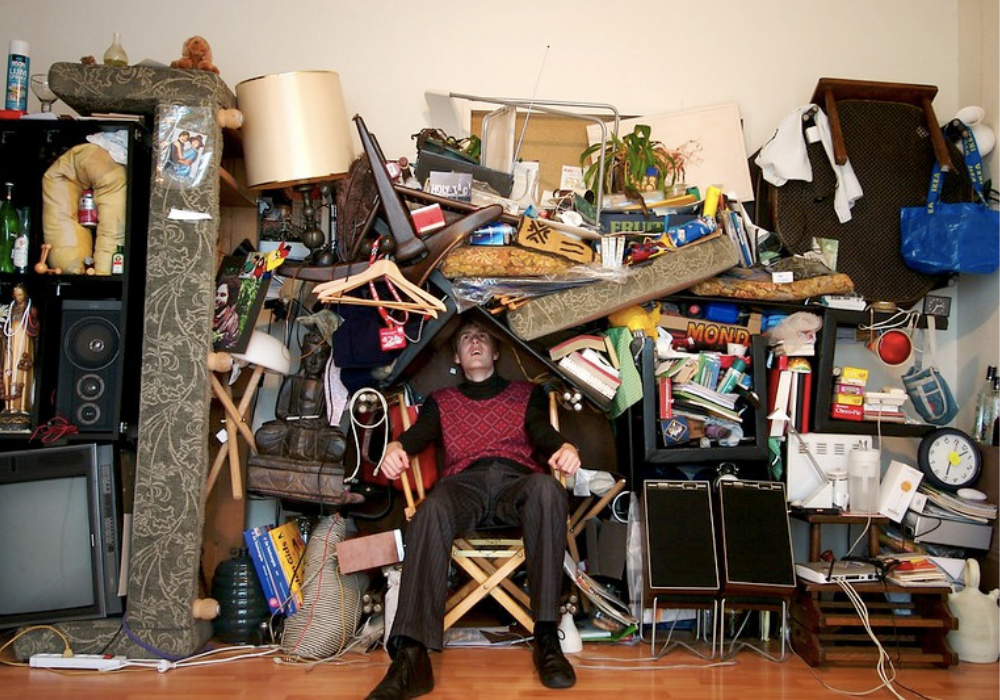
When researchers put people with hoarding disorder into brain scanners, they discovered something shocking: throwing away possessions literally activates the same neural pathways as physical injury. Dr. David Tolin from Yale University found that the anterior cingulate cortex and insula—brain regions that process emotional pain—go into overdrive when hoarders decide whether to keep or discard their own items.
This isn’t just attachment or sentimentality; it’s actual neurological distress equivalent to being hurt. The brain scans reveal that for someone with hoarding disorder, tossing a piece of junk mail triggers the same alarm systems as touching a hot stove. Understanding this biological reality is revolutionizing how therapists approach treatment, shifting from “just throw it away” to addressing the genuine physical pain that decluttering causes.
1. NIH-funded brain scans show hoarders experience genuine physical pain when discarding possessions.

Yale University researchers using functional MRI discovered that people with hoarding disorder have hyperactive anterior cingulate cortex and insula regions when making decisions about their own possessions. These are the exact brain areas that activate when you touch something hot or experience physical injury.
Dr. David Tolin’s study found that hoarders showed intense emotional distress, anxiety, and sadness during decluttering tasks—reactions that correlated directly with increased activity in pain-processing brain centers. This means the phrase “it hurts to throw things away” is neurologically accurate for people with hoarding disorder.
2. The pain is selective—hoarders’ brains react normally to other people’s possessions.

The most revealing finding came when researchers tested hoarders’ reactions to both their own items and identical objects belonging to others. When deciding about someone else’s junk mail, hoarders’ brain scans looked completely normal with no pain pathway activation. But the moment they evaluated their own possessions—even worthless junk—the pain centers lit up dramatically.
This selective response proves that hoarding disorder involves genuine neurological attachment, not general decision-making problems. The brain literally treats personal possessions as extensions of the self, making disposal feel like self-harm.
3. Hoarding brains lose the ability to make relative judgments about value.

Brain imaging reveals that the neural networks responsible for assessing an object’s worth become overwhelmed in people with hoarding disorder. Dr. Tolin explains that hoarders “lose the ability to make relative judgments, so the decision becomes absolutely overwhelming and aversive to them.” The ventromedial prefrontal cortex, which normally helps assign appropriate emotional significance to objects, shows altered activation patterns.
This means a broken appliance triggers the same intense attachment response as a family heirloom. The brain’s value-assessment system treats everything as equally precious, making every discard decision feel catastrophic.
4. The physical symptoms hoarders describe are real neurological responses.

When hoarders report physical symptoms during decluttering, they’re describing legitimate physiological reactions to brain activity. The insula, one of the hyperactive regions identified in brain scans, processes bodily sensations and connects physical feelings to emotional experiences.
Common physical symptoms include: nausea and dizziness when forced to make discard decisions; chest pain and difficulty breathing during cleanup sessions; increased heart rate and sweating similar to panic attacks; and physical exhaustion from the mental effort of decision-making. These reactions occur because the brain interprets discarding possessions as genuine danger to survival, triggering full stress response systems.
5. Brain differences explain why traditional organizing advice fails catastrophically for hoarders.

Popular decluttering methods like “just keep what sparks joy” or “if you haven’t used it in a year, toss it” actually torture people with hoarding disorder by forcing rapid-fire decisions that overload their pain processing centers. Brain scans show that hoarders need significantly more time to make discard decisions and experience mounting distress with each choice.
The anterior cingulate cortex, which helps resolve decision conflicts, becomes increasingly activated and overwhelmed. Standard organizing advice unknowingly creates a neurological perfect storm that explains why hoarders often shut down or become aggressive during traditional cleanup attempts.
6. New brain-based treatments target the pain response instead of just behavior.

Understanding the neurological basis of hoarding has led to revolutionary treatment approaches that address brain function rather than just symptoms. Cognitive behavioral therapy now incorporates techniques to calm the anterior cingulate cortex and insula before making discard decisions.
These include progressive muscle relaxation to reduce physical pain responses, mindfulness meditation to quiet overactive emotion-processing regions, graduated exposure therapy that slowly desensitizes pain pathways, and cognitive reframing exercises that help the brain reassess object significance. Therapists report much better outcomes when they validate the physical pain experience instead of dismissing it as “just emotional attachment.”
7. The brain changes explain why perfectionism drives hoarding behaviors.

Brain imaging studies reveal that people with hoarding disorder show heightened activity in regions associated with error detection and uncertainty processing. The anterior cingulate cortex becomes hypervigilant about making “wrong” decisions, creating paralysis around discarding anything that might be needed later. This neurological perfectionism means the brain treats every discard decision as potentially catastrophic.
Research shows hoarders often have above-average intelligence and creativity, but their brains become trapped in endless loops of “what if” thinking that makes decision-making genuinely painful and exhausting.
8. Medications can now target the specific brain pathways involved in hoarding pain.

Pharmaceutical researchers are developing treatments that specifically address the hyperactive neural circuits identified in brain scans. Unlike traditional antidepressants that broadly affect serotonin, these targeted medications aim to reduce activity in the anterior cingulate cortex and insula during decision-making tasks.
Early studies show that when the pain response is pharmacologically reduced, people with hoarding disorder can make discard decisions with significantly less distress. This neurological approach treats hoarding as a brain dysfunction rather than a character flaw, leading to more effective and compassionate treatment outcomes.
9. Understanding the brain science reduces shame and improves family relationships.

When families finally understand what’s actually happening in a hoarder’s brain, everything changes. Instead of getting frustrated and angry, they start to feel genuine compassion. Learning that their loved one is experiencing real, physical pain when trying to throw things away completely shifts how they approach the situation.
Suddenly it makes sense why tough love never worked and why their relative seemed so “impossible” to deal with. Families realize they’re not dealing with someone who’s lazy or stubborn—they’re dealing with someone whose brain is literally wired differently. This means they need to offer the same kind of patient, medical support they’d give someone recovering from a stroke, not the harsh ultimatums that usually just make everything worse.