
Explore the Stunning Diversity of Butterfly Species Facing Extinction as Climate Change Accelerates Global Threats
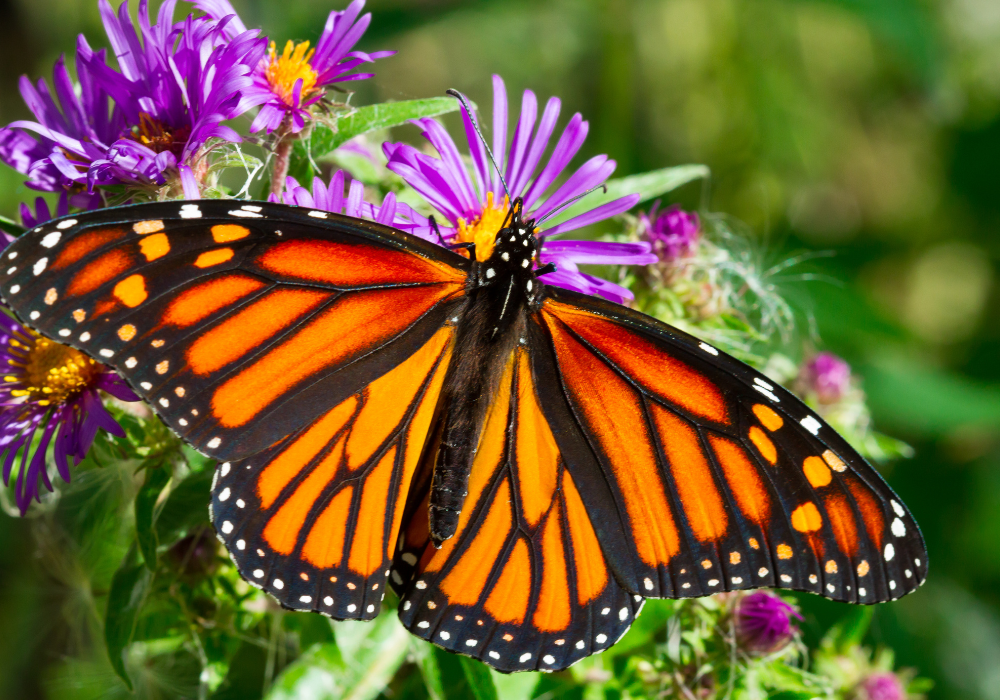
Butterflies are more than just beautiful—they’re essential pollinators and indicators of ecosystem health. But climate change is pushing many species to the brink. Shifting temperatures, severe weather, and disappearing habitats are placing overwhelming stress on butterflies across the globe. Scientists say these dramatic declines aren’t just sad—they’re urgent warnings.
When butterfly populations drop, it signals that broader biodiversity is unraveling. From mountaintops to coastlines, these delicate insects are struggling to adapt to a fast-changing world. The climate crisis isn’t coming for them—it’s already here. And these 13 breathtaking butterfly species may be some of its earliest casualties.
1. The Monarch Butterfly’s epic migration is collapsing under climate pressure
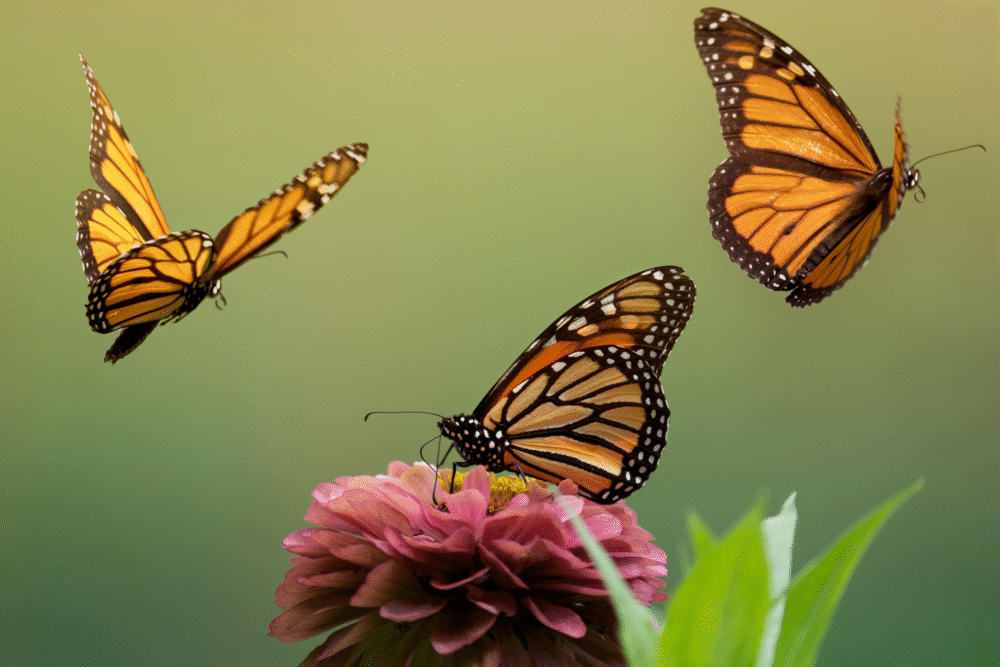
This iconic North American pollinator is famous for its 3,000-mile migration. But extreme weather and loss of milkweed from herbicides and habitat destruction have slashed populations. Climate change throws off breeding cycles and migratory timing, making the journey even more dangerous. Despite conservation efforts, Monarch numbers are down over 80% in some areas. As one of the most recognizable endangered butterfly species, its struggle is symbolic—if we can’t save the Monarch, what does that say about our chances of saving less-known pollinators?
2. Queen Alexandra’s Birdwing is losing its rainforest home to climate change

Native to Papua New Guinea, this massive butterfly—the world’s largest—depends on a narrow strip of rainforest that’s quickly vanishing. Logging, deforestation, and stronger storms have carved up its already small habitat. Because it’s so large and needs specific host plants, even minor climate disruptions can spell disaster. With rising global temperatures and increased extreme weather, its survival hangs by a thread.
3. The Apollo Butterfly is being driven up the Alps with nowhere left to go

This cold-loving butterfly thrives in Europe’s high-altitude regions. But as global temperatures climb, its habitat shifts upward—until eventually, there’s no higher elevation left. Development adds further pressure, fragmenting the alpine meadows it needs to survive. The Apollo’s decline shows how even remote mountain ecosystems aren’t safe from climate-driven biodiversity loss.
4. The Miami Blue Butterfly is disappearing as sea levels rise
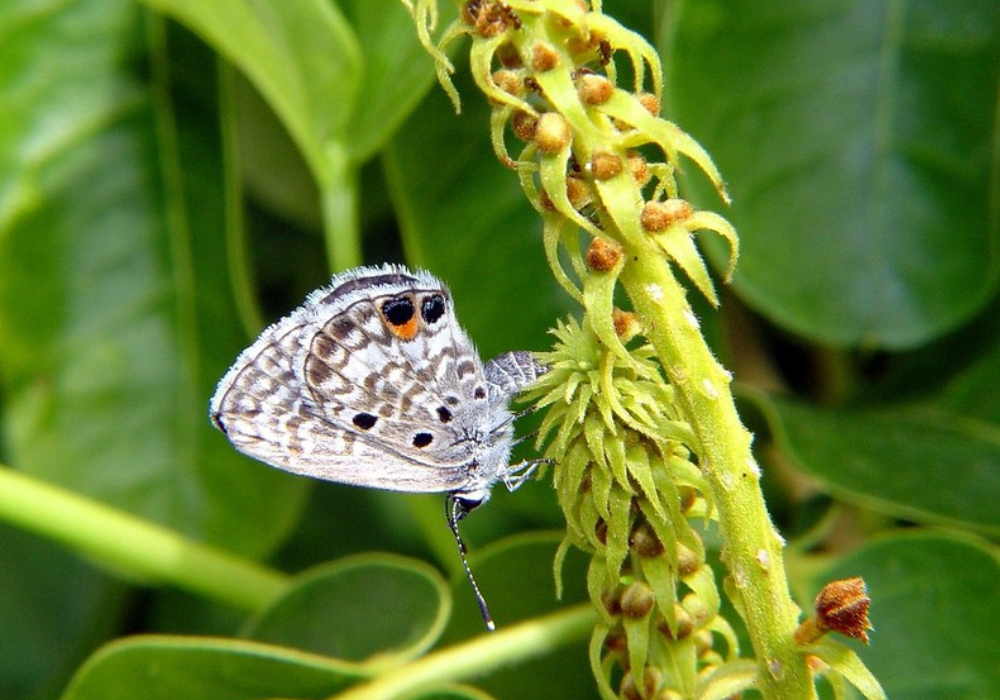
This tiny butterfly was once common along Florida’s coast, but it’s now critically endangered. Rising seas, coastal development, and frequent hurricanes have devastated its habitat. What’s left is fragmented and vulnerable. Climate change is a multiplier of threats for coastal species like this one. Without aggressive restoration, the Miami Blue could disappear for good.
5. Schaus’ Swallowtail is losing the Florida Keys one storm at a time
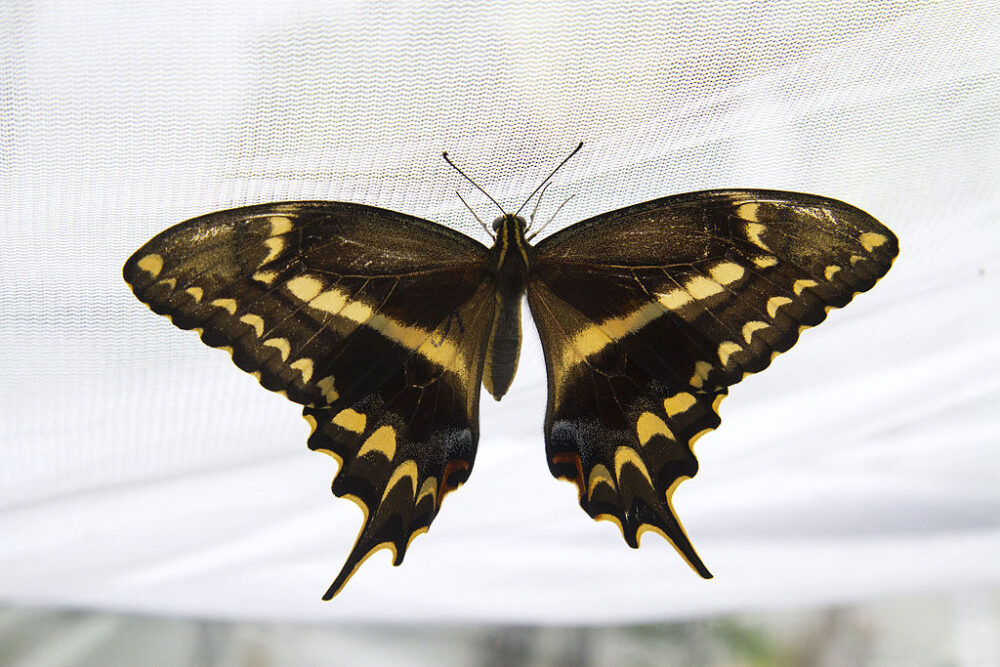
Another Florida native, the Schaus’ Swallowtail is highly specialized—and highly vulnerable. It depends on particular host plants that are themselves sensitive to saltwater and heat. Stronger hurricanes and storm surges fueled by climate change wash away both the butterfly and its food. Even with human intervention, this rare insect’s future is uncertain.
6. The Zebra Swallowtail’s food source is falling behind its shifting range

This striking black-and-white butterfly depends on the pawpaw tree for survival. But as its range moves north due to warming, it often outpaces the spread of its host plant. This climate mismatch makes reproduction difficult and threatens the long-term stability of its population. It’s a textbook example of how warming can break ecological relationships.
7. The Palos Verdes Blue is teetering on extinction in a warming California

Once believed extinct, this tiny butterfly was rediscovered in southern California. It now survives on a sliver of habitat in the Palos Verdes Peninsula. Wildfires, drought, and heat waves—worsened by climate change—threaten to wipe out what little remains. Conservationists are racing the clock to keep this ultra-rare species from vanishing again.
8. The Large Blue Butterfly’s survival hinges on a fragile climate chain reaction

Found in parts of Europe, the Large Blue has a bizarre but fascinating life cycle involving a specific ant species. This delicate chain of interactions unravels quickly when climate change disrupts timing, temperature, or food availability. Even a slight shift in weather patterns can crash entire populations. It’s a prime example of how interconnected species suffer under ecological stress.
9. The Oregon Silverspot is running out of coastal refuges

This shimmering butterfly once flourished along the Pacific Northwest coast. Today, habitat loss, changing fog patterns, and drought have made it one of the region’s most endangered pollinators. With fewer coastal meadows and nectar sources surviving the climate shifts, the Silverspot is struggling to reproduce and feed. Its decline mirrors the disappearance of other fragile coastal ecosystems.
10. The Karner Blue Butterfly is vanishing as its lupine host plant disappears
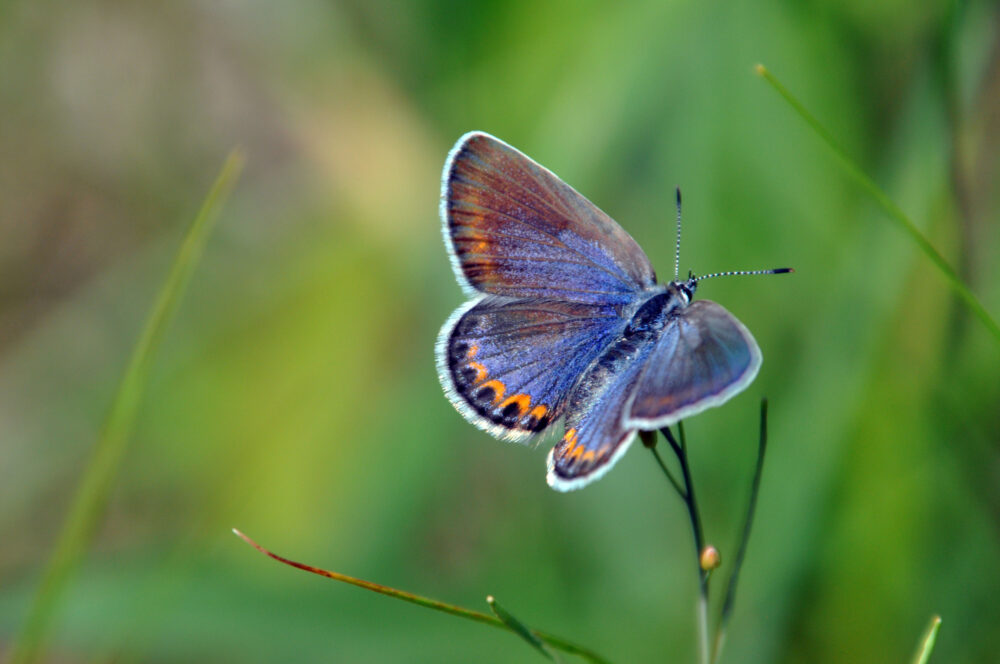
Native to the Great Lakes and Northeast U.S., this bright blue butterfly depends on wild lupine, a plant also suffering under heatwaves and land development. Karner Blues can’t survive without it, making the butterfly’s fate tightly tied to climate patterns. Conservation areas are helping, but rising temperatures still put the species on the defensive.
11. The Jamaican Giant Swallowtail is stuck in a warming island trap

This Caribbean native is one of the largest butterflies in the Western Hemisphere. Island species like this one are particularly at risk because they can’t migrate easily. Sea-level rise, hurricanes, and habitat loss from warming trends mean the Jamaican Giant has fewer and fewer places to go. Its size and uniqueness make it an irreplaceable gem in the region’s biodiversity.
12. The Swamp Metalmark is drying out as wetlands vanish in the heat

This U.S. native is a wetland specialist—but climate change is drying out the bogs and marshes it needs to thrive. As water sources dwindle and invasive species move in, the Swamp Metalmark’s numbers are dropping fast. Wetland loss is a double blow: it harms this butterfly and the many other creatures that depend on these ecosystems.
13. The Bay Checkerspot is a climate refugee in its own backyard

Found in the San Francisco Bay Area, the Bay Checkerspot once thrived on local grasslands. Now, rising temperatures and invasive grasses are pushing it to higher ground. But suburban sprawl and development limit its options. Conservation groups are relocating some populations to cooler microclimates, but the long-term outlook remains uncertain without serious climate action.