
Uncover the Warning Signs, Causes, and Patterns Behind History’s Greatest Societal Collapses—And What They Mean for Us Today
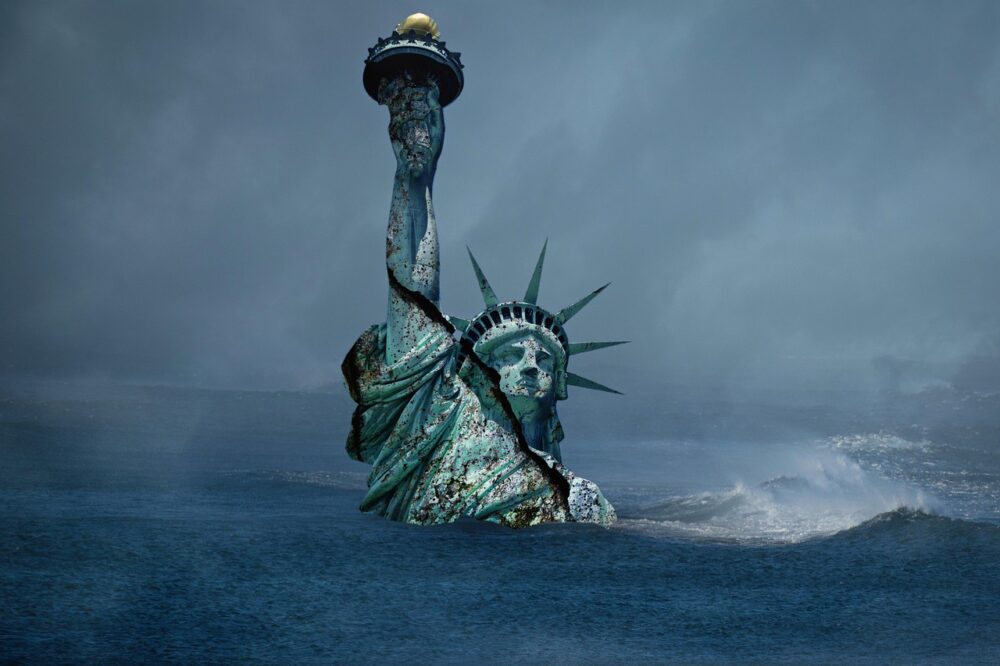
History doesn’t just repeat—it warns. From the Maya to the Romans, once-mighty civilizations collapsed under the weight of their own decisions. While natural disasters and invasions played a role, many of these societies triggered their own downfall through what experts call self-termination. Whether it was environmental destruction, political gridlock, or social inequality, their mistakes weren’t accidents—they were patterns.
Today, the signs are unsettlingly familiar. As we face climate change, widening economic gaps, and broken political systems, historians and scientists are sounding the alarm. The stories of ancient civilizations aren’t just about the past—they’re flashing red lights for our future.
1. The Roman Empire collapsed under the weight of internal division
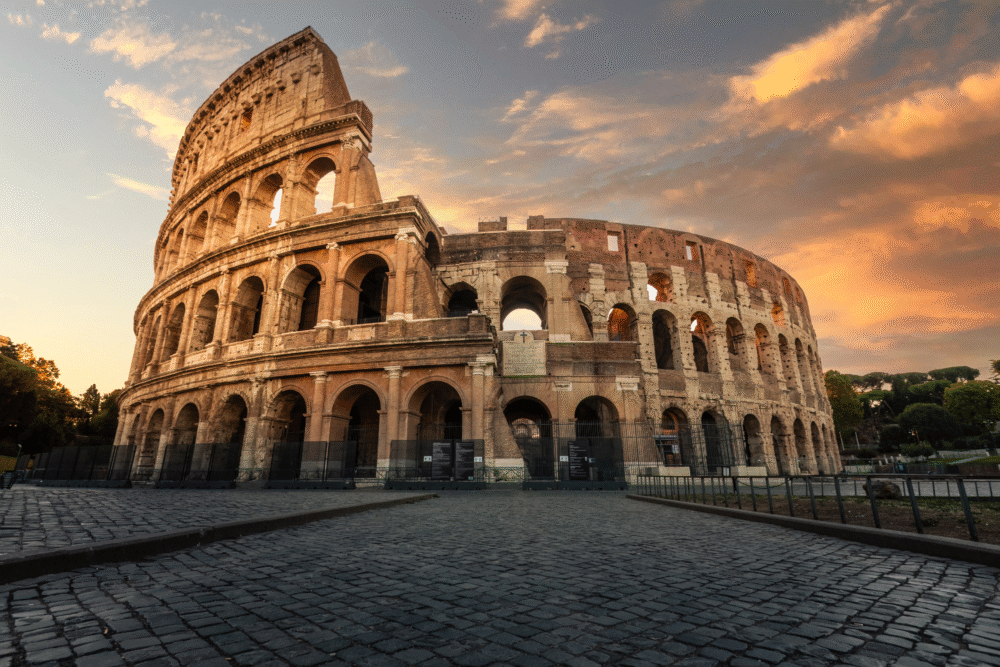
Rome’s downfall wasn’t caused by a single enemy, but by decades of political corruption, elite greed, and a fractured society. As civil wars and power grabs weakened the empire, it couldn’t respond to economic strain or outside threats. Many modern governments face similar dysfunction—polarized politics, growing inequality, and public distrust. Civilizational collapse doesn’t require an outside invader.
When leaders put power above progress and citizens lose faith in institutions, stability erodes from within. Rome teaches us that neglecting the social fabric is just as dangerous as any foreign attack—and that no empire, no matter how mighty, is immune.
2. The Maya overexploited their environment and triggered their own fall
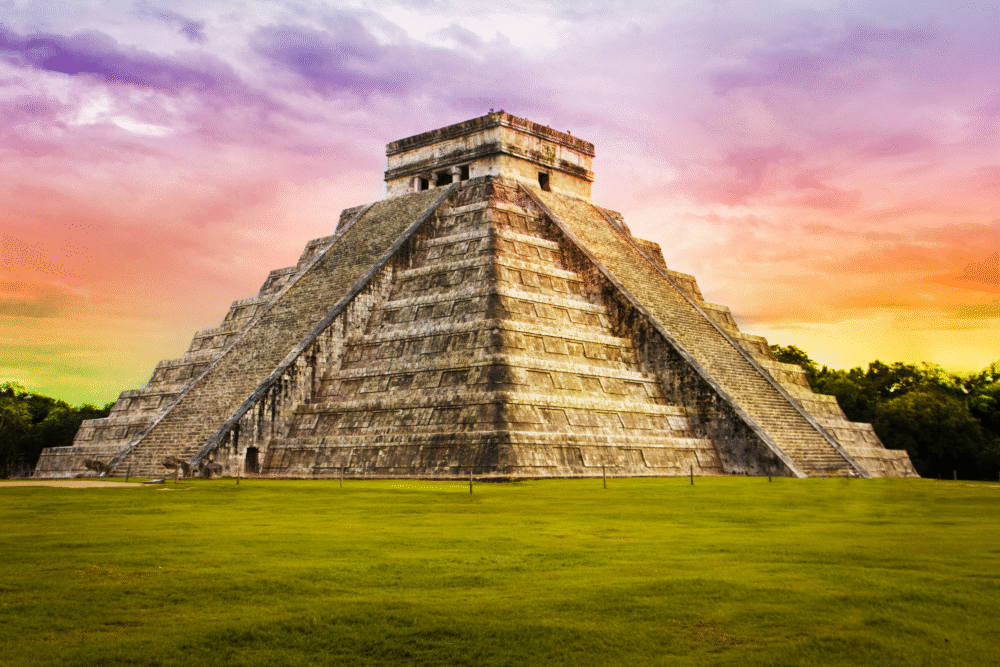
The Maya were brilliant astronomers, architects, and engineers. But their collapse came not from invasion—but from environmental overreach. Deforestation, soil exhaustion, and water mismanagement turned thriving cities into ghost towns. Combined with a devastating drought, the civilization unraveled. This ancient history mirrors today’s climate crisis: rising temperatures, vanishing forests, and shrinking freshwater reserves.
Like the Maya, we’re pushing ecological boundaries, hoping technology will save us. But the lesson is clear—nature sets limits. Civilizations that ignore environmental warnings eventually face the consequences. Sustainability isn’t just smart policy—it’s survival.
3. Easter Island’s society self-destructed by cutting down every tree
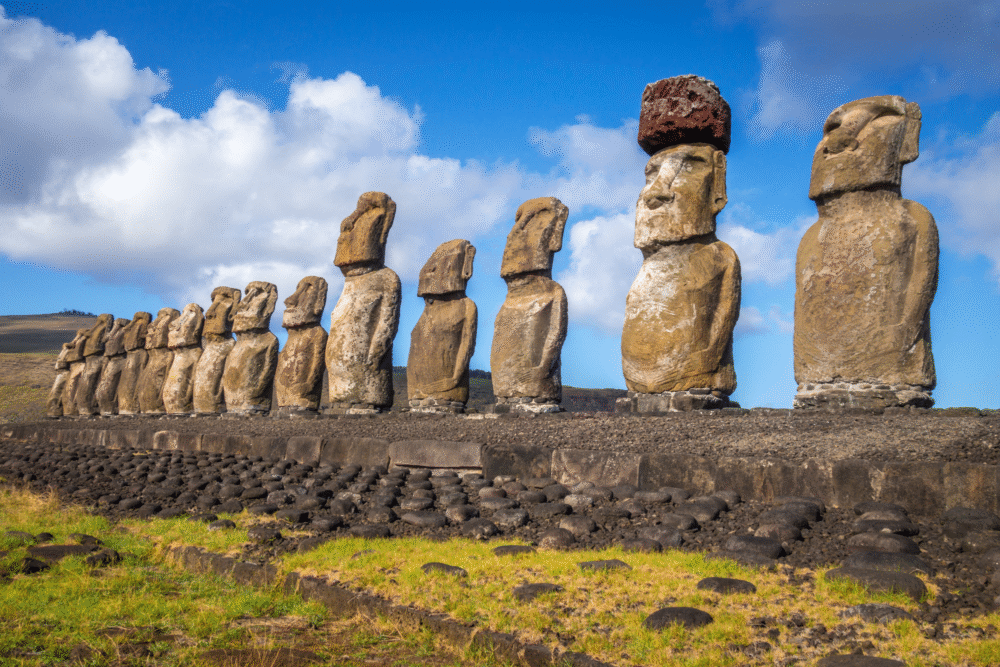
Rapa Nui, or Easter Island, is often cited as the ultimate cautionary tale in self-termination. The islanders felled every tree to transport their iconic stone statues, unintentionally destroying their ecosystem. With no wood for boats, farming tools, or fuel, society collapsed into famine and conflict. It’s a grim metaphor for modern times—prioritizing cultural or economic symbols over sustainability.
Environmental decline doesn’t always feel urgent—until it’s irreversible. Easter Island reminds us that short-term achievements can have long-term consequences. When we sacrifice resources for status or tradition, we risk repeating one of history’s most devastating collapses.
4. Mesopotamia fell due to soil salinization and bad irrigation practices
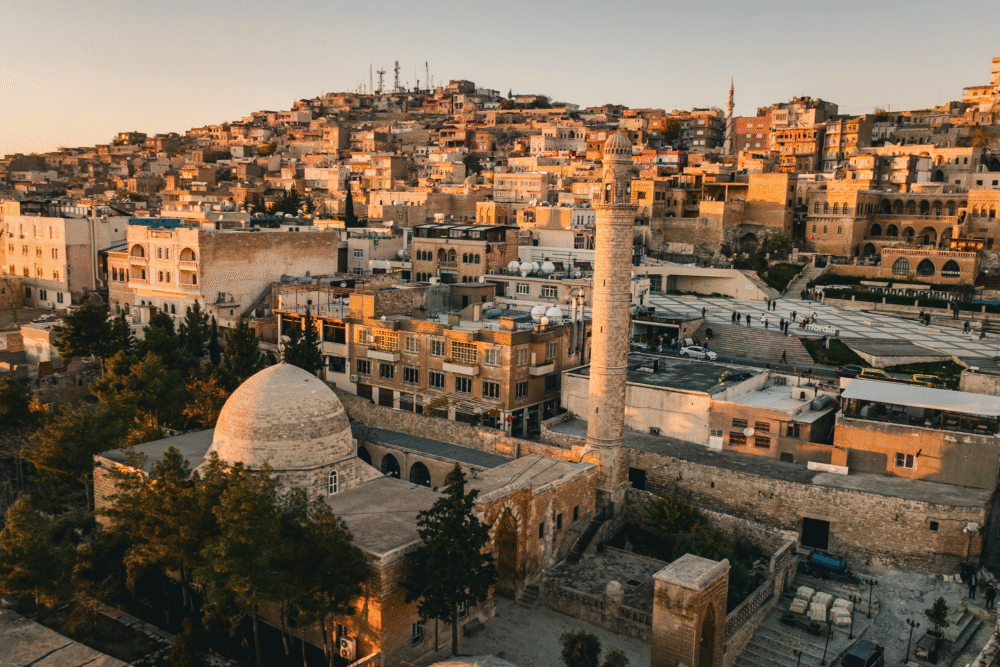
Ancient Mesopotamia, the “cradle of civilization,” was undone by its own agricultural practices. Over-irrigation and poor drainage caused salt to build up in the soil, killing crops and undermining food security. As harvests declined, so did population and political order. Today, industrial agriculture faces similar issues: soil depletion, aquifer exhaustion, and chemical overuse.
Civilizations that ignore the land’s limits plant the seeds of their own collapse. Mesopotamia teaches that technological advancement must be paired with ecological wisdom—or progress becomes destruction in disguise.
5. The Indus Valley civilization collapsed after losing water sources
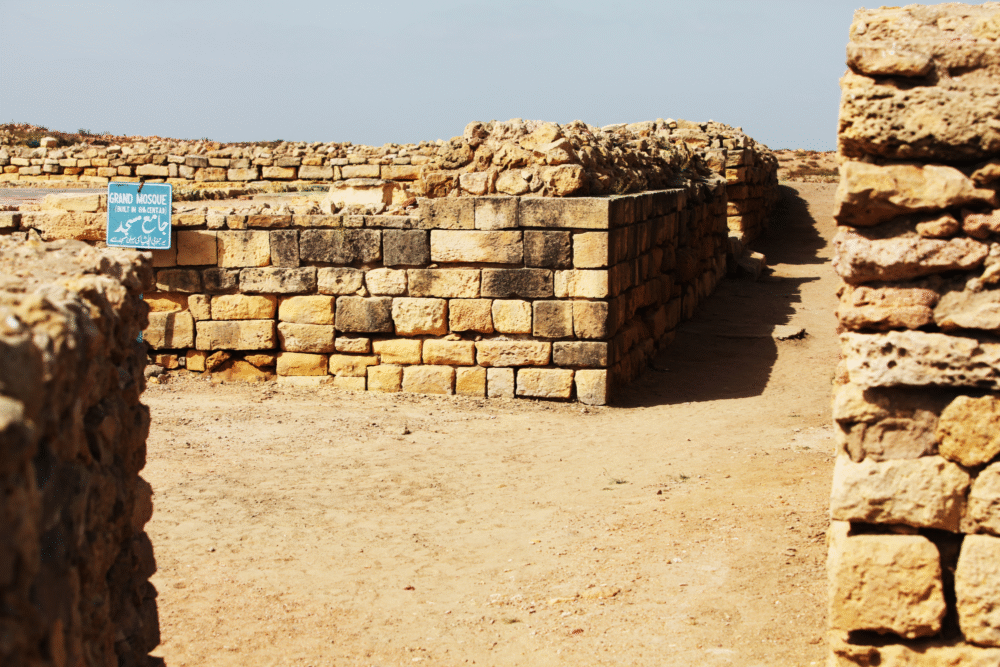
One of the most advanced societies of its time, the Indus Valley civilization had indoor plumbing, urban planning, and a vast trade network. But when the monsoon patterns shifted and rivers dried up, their cities became unsustainable. Climate change likely played a role, but it was the civilization’s reliance on a single water system that made it vulnerable.
Today, as major cities depend on shrinking rivers and melting glaciers, the lesson hits hard: water security is civilization security. Ignoring environmental instability can turn innovation into dust.
6. The Ancestral Puebloans abandoned their cities amid prolonged drought
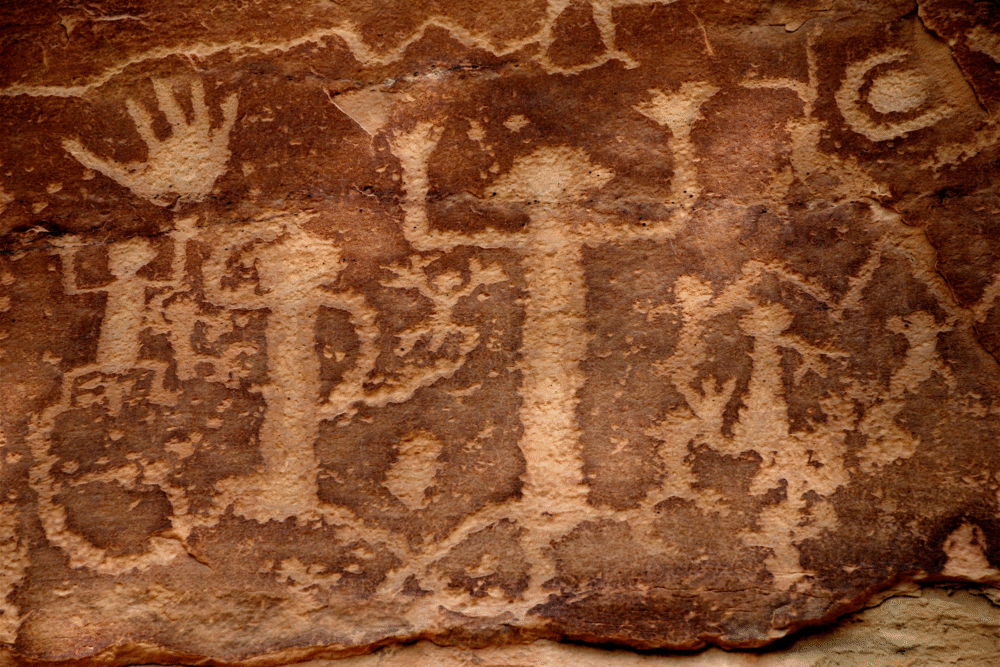
The Ancestral Puebloans of the American Southwest built vast cliff dwellings and thriving towns, but a long-term drought around the 13th century led to crop failure and community collapse. Archaeologists believe they also faced internal tension and violence during the migration away from their ancestral lands.
This case of civilizational decline is tied directly to climate resilience—or lack thereof. As we face increasing droughts in the American West today, the Puebloans remind us that even the most resourceful societies can be undone when the climate changes faster than we can adapt.
7. The Greenland Norse failed by refusing to adapt to a changing world
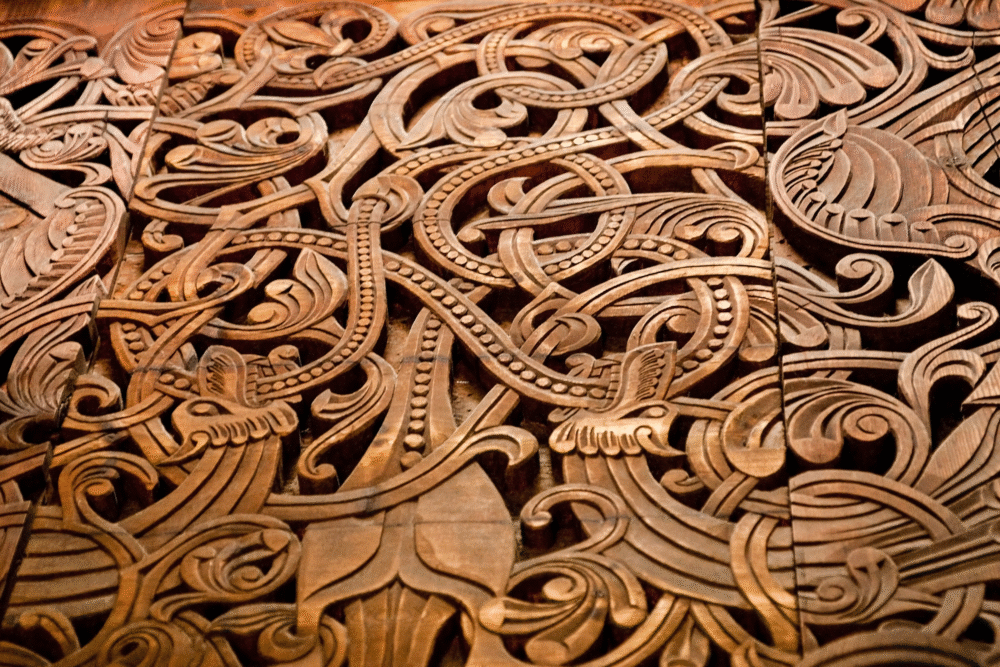
The Norse settlers in Greenland clung to their European lifestyle for centuries, even when it no longer fit their icy surroundings. They refused to adopt Inuit survival techniques like seal hunting or building igloos, and they kept raising cattle in harsh, declining conditions. Eventually, their colony disappeared.
The collapse of this isolated community highlights a key civilizational collapse factor: rigidity. Societies that can’t—or won’t—adapt are vulnerable to even small shifts. In today’s fast-changing world, from climate to technology, flexibility may be the single most important survival skill.
8. The Khmer Empire declined after massive infrastructure backfired
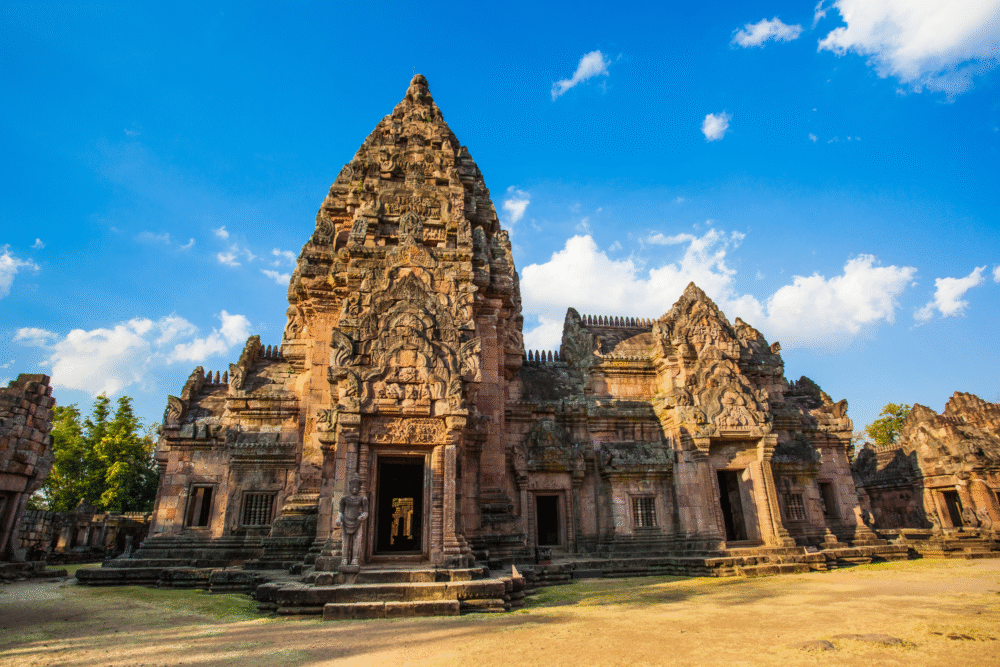
Centered at Angkor Wat, the Khmer Empire relied on an enormous water management system to thrive in Cambodia’s monsoon climate. But when rainfall patterns changed, the very infrastructure they built became a liability—flooding or drying out at the worst times. Their inability to redesign or scale back ultimately weakened their urban centers and trade.
Modern infrastructure—from aging power grids to fragile supply chains—faces similar risks. When complexity turns brittle, collapse can come from stress rather than disaster. The Khmer teach us that overengineering without resilience can be civilization’s undoing.
9. The Hohokam vanished after exhausting their desert irrigation system
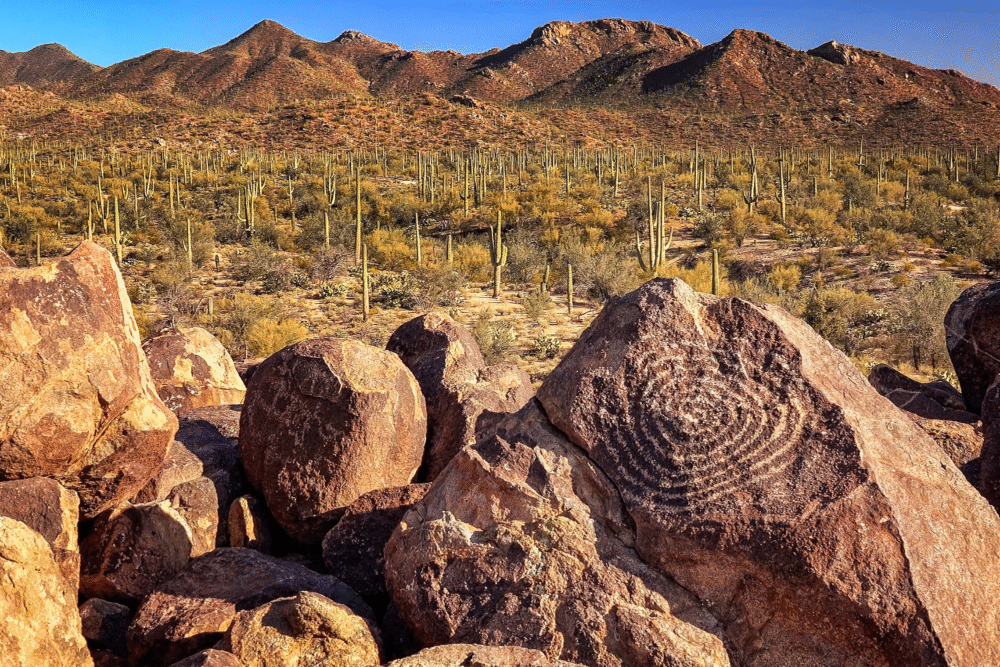
In what is now Arizona, the Hohokam built a vast network of irrigation canals that supported large cities and agriculture in an arid climate. But overuse and sediment buildup made the system unworkable. Combined with prolonged drought and social stress, the system collapsed—and so did their society.
This ancient collapse is particularly relevant in today’s American Southwest, where water rights, drought, and overdevelopment threaten sustainability. The Hohokam warn that even the most impressive technology has limits—and ignoring those limits risks regional disaster.
10. The Han Dynasty fell due to rebellion fueled by inequality
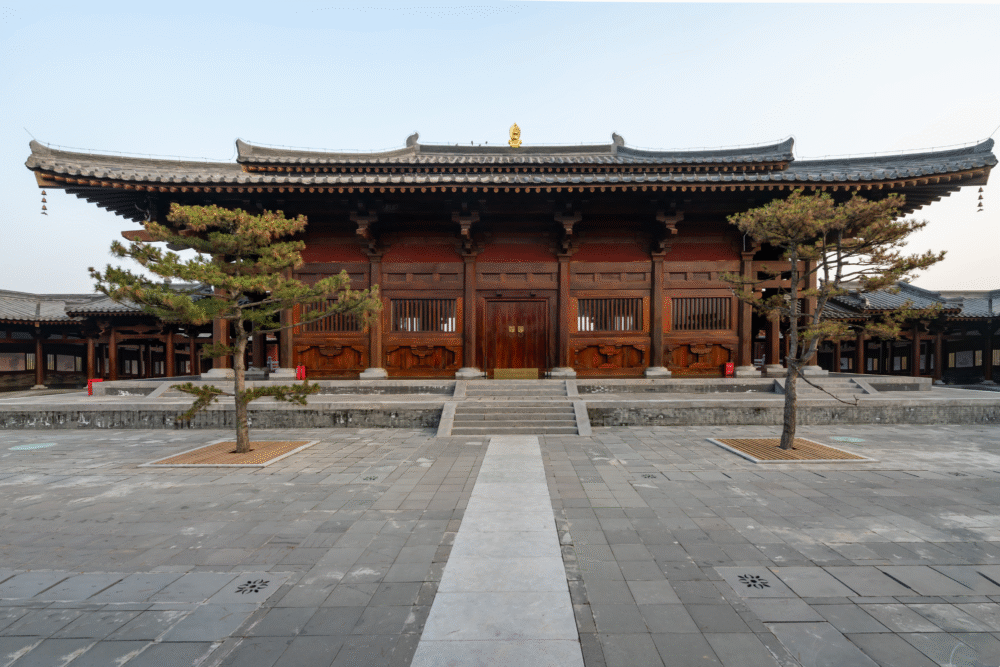
While natural disasters and invasions hurt the Han Dynasty, internal rebellion—driven by wealth inequality and famine—played a major role in its fall. The Yellow Turban Rebellion, a populist uprising, reflected deep unrest over how resources were distributed.
Societal decline often begins not with war, but with injustice. As modern nations face rising inequality, unstable economies, and housing crises, the Han’s fate is a reminder that social cohesion depends on fairness. When too many people feel left behind, the entire system becomes fragile.
11. The Western Roman Empire ignored climate shifts and crop failure
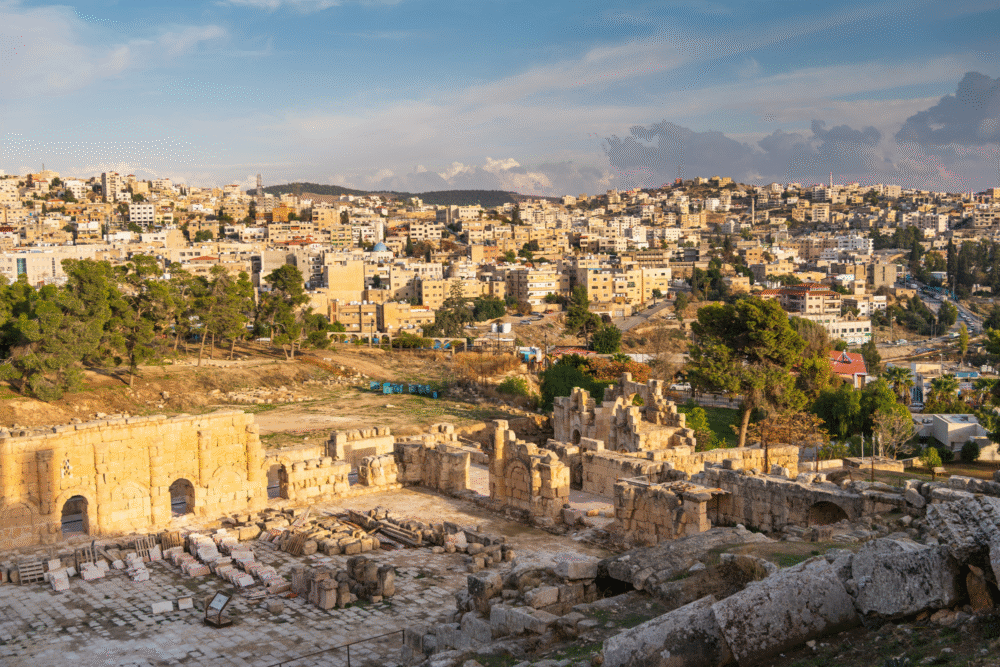
Long before climate science existed, civilizations still had to cope with changing weather. The Western Roman Empire experienced a period of cooling and crop failure during the Late Antique Little Ice Age, contributing to food shortages and instability. But instead of adapting their food systems or logistics, they doubled down on costly wars and political expansion.
Ignoring climate signals while draining national resources is a pattern that still exists today. As climate change worsens food security worldwide, Rome’s fall reminds us that nature always has the final say.
12. The Soviet Union collapsed from economic stagnation and loss of trust

Though not ancient, the Soviet Union’s 1991 collapse offers a modern example of how civilizational structures fail. Central planning led to inefficiency, while suppression of dissent and environmental neglect corroded public trust.
By the end, the system couldn’t sustain itself—even without war. It’s a sobering lesson: civilizational collapse doesn’t always look like fire and rubble. Sometimes it’s a slow erosion of confidence, innovation, and adaptability. In a world facing authoritarian drift and ecological crisis, the Soviet Union’s fall reminds us that brittle systems don’t break slowly—they shatter.
13. Today’s global civilization shows signs of repeating the same fatal patterns

When you look at the big picture, the parallels are hard to ignore. From deforestation and climate change to social inequality, political dysfunction, and unsustainable resource use, our modern global society is hitting many of the same pressure points that led ancient civilizations to collapse. The scale is different—but the patterns are hauntingly similar.
Experts like Jared Diamond, author of Collapse, argue that environmental mismanagement and elite inaction are red flags for self-termination. Unlike past empires, we’re interconnected and interdependent—so collapse in one region can ripple globally.
The biggest lesson? Collapse isn’t inevitable, but neither is survival. It depends on whether we’re willing to learn from history, act collectively, and put long-term sustainability ahead of short-term gain. If we don’t, we may not just be the 13th—there may be no 14th.