
How climate denial is creeping into policy decisions and weakening U.S. environmental protections.
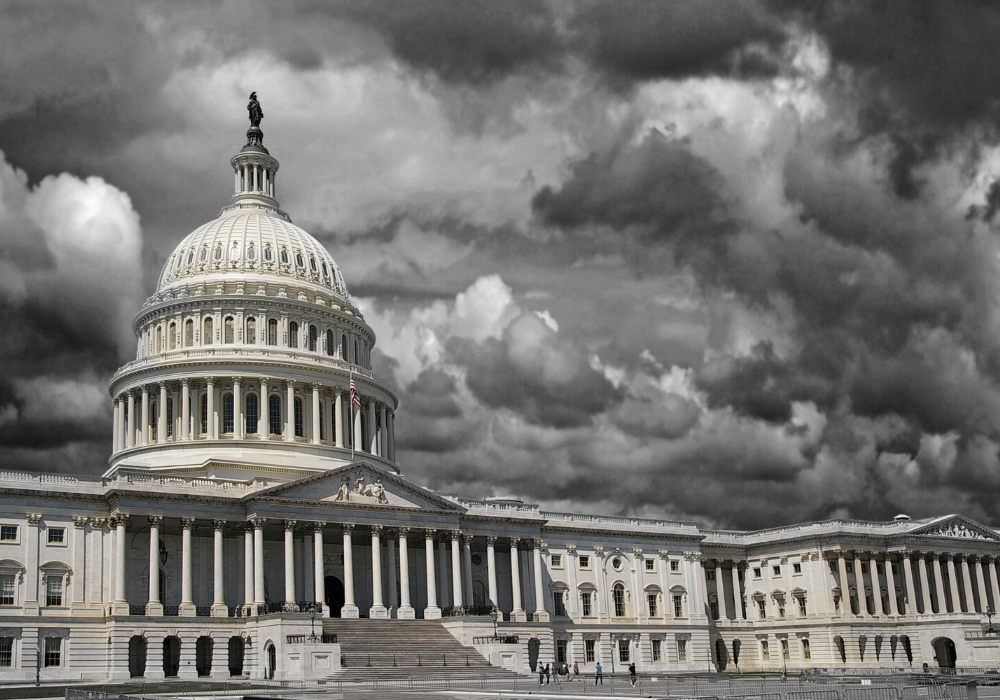
In recent months, scientists and policy experts have warned of a troubling shift in how the U.S. government handles climate change. Harvard-affiliated policy expert Robert Aldy described the current approach as a “low-information” model—one that sidelines climate data, weakens regulatory power, and minimizes environmental oversight.
These changes, critics argue, go beyond neglect; they represent an intentional undermining of scientific integrity and climate preparedness. As key agencies lose funding, staffing, and authority, America’s ability to address climate risks is quickly eroding. The result is a growing concern that climate science is being sidelined at a time when clear, data-driven policy is more critical than ever.
1. Hundreds of scientists were dismissed from key federal climate reports

Nearly 400 scientists who were working on the National Climate Assessment were abruptly removed, halting a critical report used to assess U.S. climate impacts. This annual assessment guides disaster response, infrastructure planning, and public health strategies. Without it, officials lose a vital tool to prepare for rising sea levels, extreme heat, and shifting agriculture zones.
Critics argue this mass dismissal wasn’t just a budget decision—it was a political move to suppress the facts. The absence of scientific voices at the federal level creates an information vacuum that weakens the nation’s climate readiness.
2. The EPA is attempting to rescind its legal authority to regulate greenhouse emissions

The Environmental Protection Agency has proposed repealing its “endangerment finding”—the legal basis for regulating greenhouse gases under the Clean Air Act. Removing this designation would strip the EPA of its authority to address emissions from vehicles, power plants, and industrial sources.
Legal scholars and environmental groups warn that this move is both unprecedented and deeply dangerous. If successful, it would unravel decades of climate policy and delay emissions reductions when they are needed most. It also signals a government retreat from climate leadership at a time when global cooperation is essential.
3. Significant funding cuts are dismantling climate research programs

Budget cuts to federal science programs have gutted long-term research projects, eliminated grants, and shuttered entire labs. Agencies like NOAA and the National Science Foundation have scaled back climate monitoring, satellite observations, and ecosystem studies. These programs form the backbone of U.S. climate intelligence, supporting wildfire forecasting, drought modeling, and ocean warming research.
As funds dry up, many scientists are leaving public service or abandoning projects. The long-term cost of lost data and missed insights may be incalculable—especially as extreme weather intensifies across the country.
4. Data platforms and science sites have been quietly deleted

Several government-run websites that once housed climate data and educational resources have been altered or taken offline. Public access to past climate assessments, emissions inventories, and resilience tools has been severely restricted. While some archived versions exist, they’re harder to find and lack updates.
Critics say this tactic of “quiet deletion” prevents citizens, journalists, and local officials from accessing information they need to understand and prepare for climate risks. In effect, it buries science by erasing it from public view—without public debate or accountability.
5. Agencies are shrinking scientific capacity via mass staff changes

Since 2023, multiple agencies have reassigned or dismissed experienced climate scientists, often replacing them with non-specialists or political appointees. The EPA, NOAA, and Department of Energy have seen waves of departures, resulting in lost institutional memory and project delays. This attrition weakens agencies’ ability to respond to emerging threats or craft evidence-based policies.
It also sends a chilling message to younger scientists about the value of climate research in public service. Many say this hollowing out of expertise is no accident—it’s a calculated way to silence informed dissent from within.
6. Reports from conservative “skeptic” scientists are being elevated over peer-reviewed science

Recent climate briefings for lawmakers have featured authors known for disputing mainstream climate science. Their findings are now used to justify regulatory rollbacks and cast doubt on the scientific consensus around human-caused warming. These reports often omit peer-reviewed sources and rely on outdated or discredited models.
Scientists warn that elevating fringe voices undermines public understanding and delays urgent action. By giving a platform to skeptics, the government lends credibility to denial, even as communities face intensifying climate-related disasters.
7. Key climate indicators are being downplayed or ignored

Internal memos and public reports show that terms like “climate change,” “global warming,” and “carbon emissions” are being scrubbed from official communications. This semantic shift is more than cosmetic—it changes how agencies talk about risks and frame priorities.
When key indicators are omitted, it becomes harder to justify funding, implement reforms, or educate the public. Scientists say this amounts to institutional gaslighting, designed to make the crisis less visible and less politically urgent. It also hampers collaboration across agencies and with international partners.
8. Regulatory rollbacks actively weaken climate protections

The government has reversed or weakened dozens of rules aimed at reducing carbon emissions and promoting clean energy. Methane leak regulations, vehicle emissions standards, and public land drilling restrictions have all been scaled back or eliminated.
These changes benefit fossil fuel industries but leave communities more vulnerable to pollution, extreme weather, and health impacts. Environmental groups argue the rollbacks are not based on new evidence but on political loyalty. The result is a regulatory landscape that favors short-term profit over long-term climate resilience.
9. Government is reducing its own climate data collection capabilities

Vital programs that monitor air quality, ocean temperature, Arctic ice loss, and atmospheric CO₂ have been downsized or defunded. Some satellite missions have been canceled, and others face uncertain futures due to stalled budgets. These programs provide the raw data used by meteorologists, researchers, and emergency planners.
Without it, forecasting becomes less accurate, and global climate models suffer. By cutting its own eyes and ears, the government weakens both domestic response capabilities and international credibility in the fight against climate change.
10. Institutional trackers warn of intentional suppression of climate science

Independent watchdog groups have documented hundreds of incidents in which federal scientists were muzzled, reassigned, or pressured to alter their findings. These include canceled climate briefings, redacted public reports, and blocked testimony.
Many experts believe these actions are part of a broader campaign to delegitimize climate science and reduce its role in policymaking. The suppression doesn’t just affect scientists—it affects the public’s right to know. When truth is sidelined, democratic accountability and effective governance suffer.