
The secret to getting off-menu vegan meals is knowing exactly what to ask.

Eating out as a plant-based eater can feel like navigating a minefield of unexpected dairy, sneaky meat broths, and uninspired side salads. While some restaurants are vegan-friendly havens, others barely acknowledge that vegetables can be the main event. The good news? Most kitchens are far more flexible than their menus suggest—you just need the right words to unlock better options.
With the right phrasing, a meat-heavy dish can become a satisfying, plant-based meal without making things difficult for the kitchen or your server. Whether you’re at a steakhouse, a sushi bar, or a fast-food chain, these 11 magic phrases will help you uncover creative, off-menu vegan options that most diners never even know exist.
1. “Do you have any plant-based substitutions for this dish?”

Many restaurants offer meat-free swaps but don’t always advertise them. Chefs are used to accommodating dietary needs, and a simple question like this signals that you’re open to adjustments rather than demanding a whole new dish. Instead of scanning the menu for something labeled vegan, this phrase invites your server to suggest options you might not have considered.
At places where vegetarian meals aren’t obvious, this request often leads to unexpected but delicious surprises. For instance, according to PETA, many chain restaurants across America offer vegan options that are not prominently advertised, such as plant-based burgers or dairy-free desserts. Some kitchens stock vegan cheese, dairy-free sauces, or plant-based proteins but don’t list them on the menu. Even at a burger joint, they might have veggie patties, and at a Mexican restaurant, jackfruit or mushrooms could replace meat. You won’t know unless you ask.
2. “Could the chef prepare a vegetable-forward dish with what’s available?”

Some of the best plant-based meals never make it onto the menu—they’re created on the spot. Chefs often appreciate the chance to improvise, especially when the request respects their creativity rather than treating plant-based eating as an inconvenience.
Asking for a vegetable-forward dish encourages a thoughtful, balanced plate rather than a bland collection of side vegetables. Vegconomist reports that plant-based alternatives have increased by 62% in the last decade, with nearly half of U.S. restaurants now offering plant-based options, reflecting a significant shift in culinary trends.
This approach works well in farm-to-table restaurants and places that emphasize fresh ingredients. When kitchens have a variety of seasonal produce on hand, they’re more likely to create something flavorful and unique. Diners who show trust in the chef’s skills often end up with meals that go beyond what the restaurant typically offers.
3. “Can this be made dairy-free or with olive oil instead of butter?”

Dairy sneaks into soups, sauces, and even bread more often than you’d expect. The Cleveland Clinic notes that common foods such as canned tuna, bread, hot dogs, and chocolate may contain hidden dairy ingredients, making it even trickier to avoid. Asking if something is “vegan” can sometimes confuse staff who aren’t familiar with the term, but requesting dairy-free modifications makes the request more straightforward. Most kitchens can easily swap butter for olive oil or leave out cheese without much hassle.
There’s a chance your restaurant even stock dairy-free cheese or vegan butter, but they don’t always mention it. Making a simple request rather than asking for a complete recipe overhaul increases the likelihood of getting a “yes” from your server. Even in restaurants without dedicated vegan options, many dishes can be tweaked to fit a dairy-free diet.
4. “Would it be possible to replace the meat with extra vegetables or beans?”
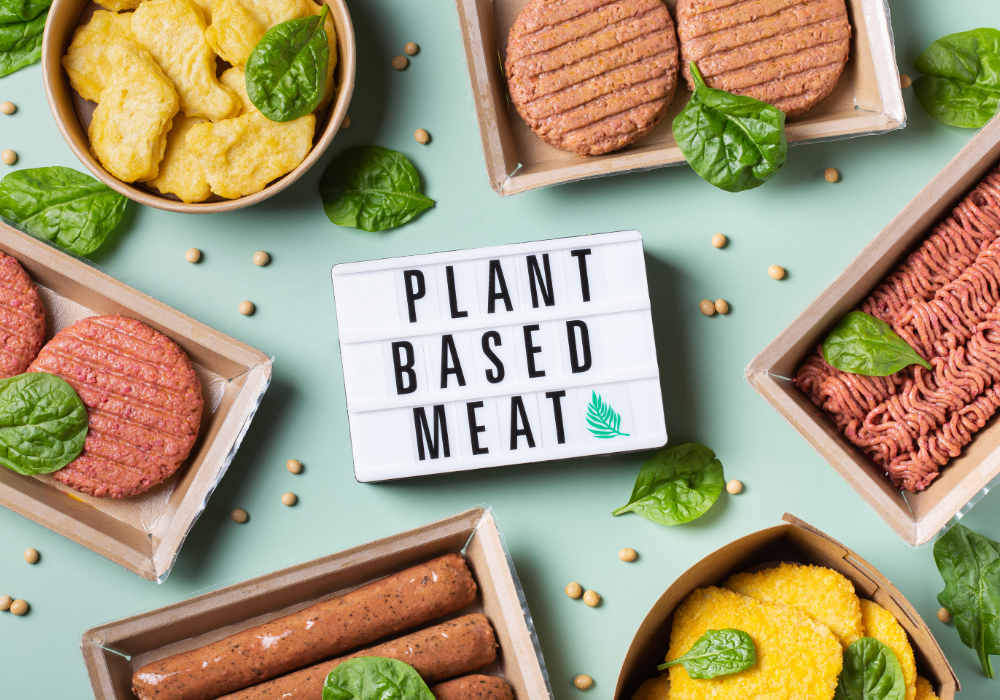
A lack of plant-based proteins doesn’t mean you have to settle for a bland meal. Many kitchens will gladly bulk up a dish with extra vegetables, beans, lentils, or grains if asked. This works particularly well in Mexican restaurants, where black beans or fajita veggies can easily replace meat in tacos, burritos, or bowls.
Plant-based diners often end up paying full price for a dish missing its main protein. Rather than just removing meat, requesting extra veggies or beans ensures the meal is substantial and satisfying. This also signals to the kitchen that you’re looking for a well-rounded entrée, not just a modified side item.
5. “Could I mix and match some of your side dishes for a meal?”

When the main menu doesn’t offer anything plant-based, side dishes can be a lifesaver. Many restaurants serve roasted vegetables, grains, salads, and legumes as sides, and combining a few can create a filling, well-balanced plate.
Phrasing this as a mix-and-match request makes it sound intentional rather than like an afterthought. This strategy works well at steakhouses, diners, and traditional restaurants where plant-based entrées are limited.
Servers are usually happy to accommodate, and the final meal might be more interesting than anything on the menu. A combination of roasted Brussels sprouts, sautéed mushrooms, and a baked potato? That’s a satisfying meal.
6. “Could I have the sauce on the side?”

Even when a dish is mostly plant-based, the sauce can be a hidden issue. Many creamy sauces contain dairy, and some dressings include animal-based ingredients like honey or fish sauce. Requesting the sauce on the side allows you to control what goes on your plate while making the request feel low-maintenance.
Asian and Mediterranean restaurants often rely heavily on sauces for flavor, so this question ensures that the dish remains plant-based while still allowing you to enjoy it. If you’re uncertain about the sauce’s ingredients, this approach gives you the flexibility to adjust accordingly.
7. “Does your bread contain any dairy or eggs?”
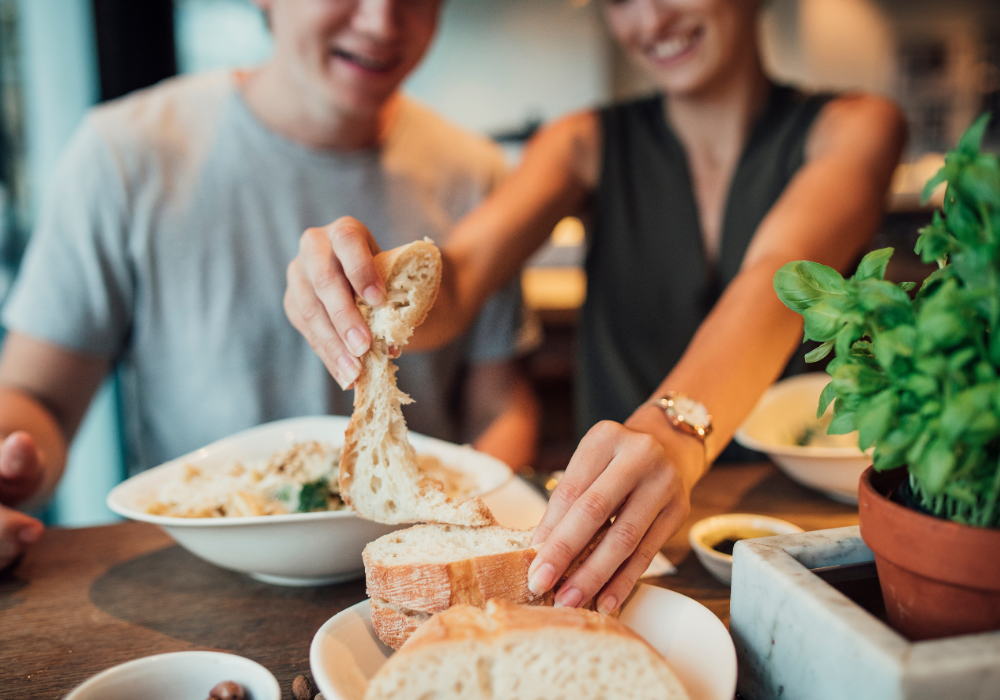
Not all bread is as simple as flour, water, and yeast. Many loaves contain milk, butter, or eggs, while some even have honey or lard. Even something that looks plant-based—like a burger bun or a wrap—might have dairy baked in. Asking this question helps you avoid an easy-to-miss ingredient that could throw off your entire meal.
If the restaurant bakes its own bread, the kitchen should be able to confirm the ingredients. If they source it from a supplier, they may need to check, but it’s worth the extra step. Quite a few offer naturally plant-based options like sourdough, ciabatta, or pita, even if they don’t label them as such. If no options work, you can always ask about a lettuce wrap or another creative substitution that keeps your meal dairy- and egg-free.
8. “Do you have any plant-based broth for soups or risotto?”
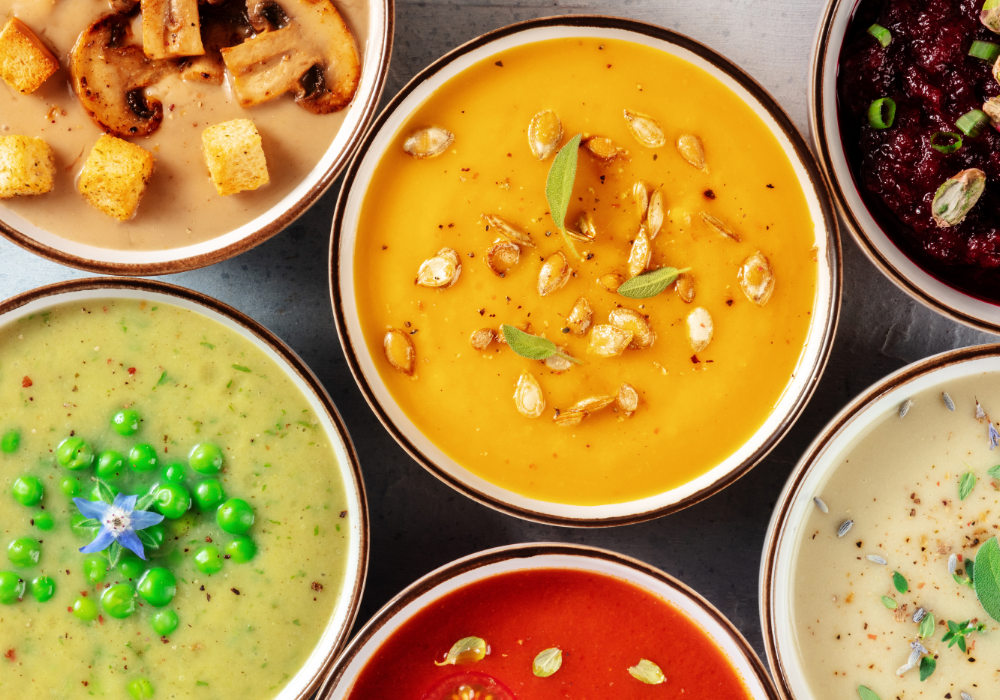
A dish might look entirely plant-based, but the broth can tell a different story. Many restaurants use chicken or beef stock as a base for soups, stews, and even risotto, even when the dish is packed with vegetables.
Since menus rarely specify what kind of broth is used, a quick question can help you avoid an animal-based surprise. Many kitchens have vegetable broth on hand and can easily swap it in if requested. Others might be able to make a fresh batch using water or another plant-based liquid. If that’s not possible, they may suggest a different dish that fits your needs. Asking about broth doesn’t just help you—it also signals to restaurants that customers care about plant-based options, which could encourage them to expand their menu in the future.
9. “Are your beans and rice cooked with any animal products?”
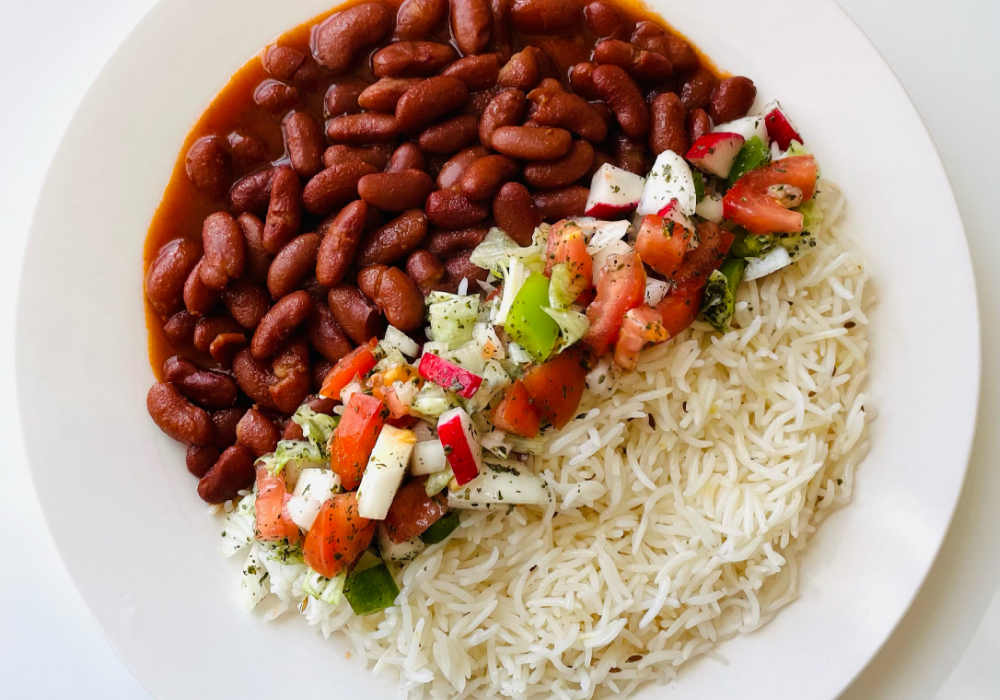
Beans and rice seem like safe, plant-based staples, but they’re often cooked in ways that introduce hidden animal ingredients. Mexican-style beans are sometimes simmered with lard, and Cajun or Southern-style rice might be flavored with chicken broth or butter. Because these details are rarely listed on menus, it’s easy to assume a dish is vegan when it’s not. Asking upfront ensures you don’t accidentally end up with a meal that doesn’t fit your diet.
Restaurants usually prepare their beans and rice separately, meaning they may have a plain version available. Others may be able to adjust the dish for you if they know in advance. If neither is an option, consider swapping for steamed rice or another grain like quinoa. A quick question can be the difference between a fully plant-based meal and one that unknowingly contains animal products.
10. “Can you make a simple avocado or veggie roll?”

Sushi menus are usually seafood-heavy, but that doesn’t mean plant-based eaters are out of luck. Most sushi chefs are happy to prepare a simple avocado or vegetable roll upon request, even if it’s not listed on the menu. Since sushi restaurants always have fresh produce like cucumber, avocado, carrots, and pickled radish on hand, putting together a basic roll is an easy accommodation.
When you’re looking for something more filling, try asking if they have additional plant-based ingredients, like tofu, seaweed salad, or tempura vegetables. They may even have unlisted vegan-friendly sauces, like ponzu or sesame dressing, that can add extra flavor. Even at seafood-focused restaurants, a quick request can turn a simple meal into something fresh and satisfying without feeling like you’re missing out.
11. “Do you have any vegan desserts that aren’t listed on the menu?”

Desserts can be tricky for plant-based eaters since most traditional sweets rely on butter, cream, or eggs. However, many restaurants have vegan-friendly options that aren’t advertised. Dairy-free sorbets, coconut-based ice creams, and simple fruit-based treats are often available but may not be listed on the menu.
Ask your server if they offer dark chocolate-based options or nut-based treats that happen to be plant-based. Even if there’s no fully vegan dessert, small modifications—like leaving off whipped cream or swapping dairy-free ice cream—might make a dish work for you.
Since some chefs enjoy experimenting with plant-based sweets, asking this question might even get you a special off-menu treat. If you don’t ask, you might never know what’s possible.
12. “Do you have any off-menu plant-based options?”
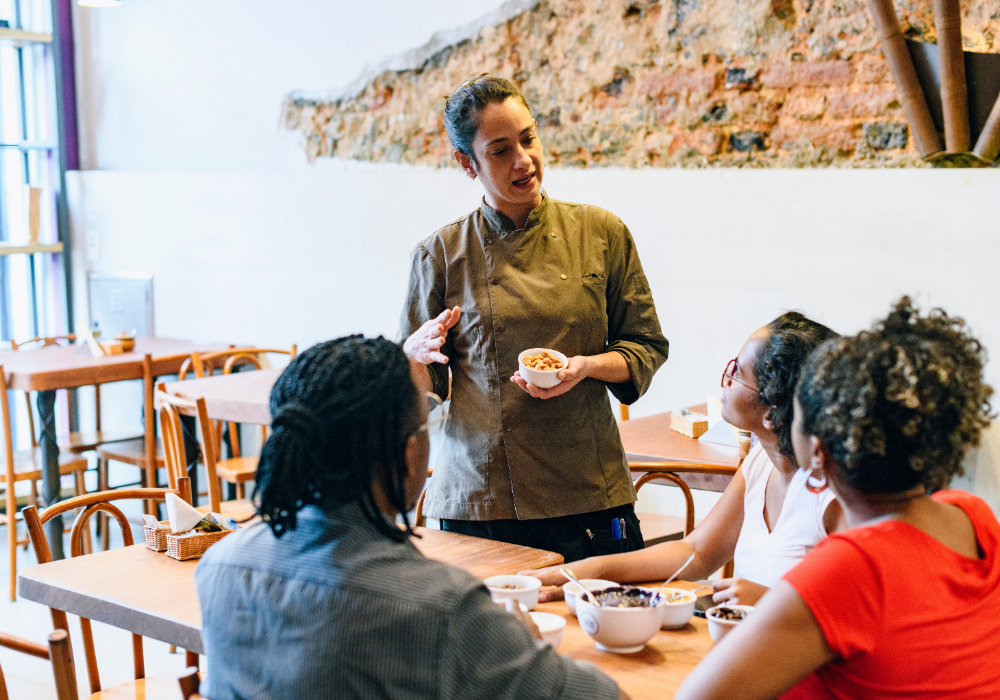
Usually, the best plant-based meals never make it onto the menu. Restaurants often test new dishes or keep plant-based ingredients on hand for diners who ask. Since most customers don’t think to inquire, many restaurants won’t advertise these options unless you bring it up.
A simple question could lead to an unexpected but delicious meal. Restaurants often stock tofu, vegan cheese, or dairy-free sauces but don’t include them in standard dishes. Others may be able to tweak an entrée or create something special just for you. This is especially useful at chef-driven restaurants where the kitchen enjoys crafting unique meals based on seasonal ingredients. Even casual spots sometimes have plant-based proteins or alternative ingredients that aren’t widely known. The only way to find out? Ask.