
How frugality and necessity shaped lower-impact daily living.

Long before single-use everything took over, people lived in ways that naturally aligned with what we now call sustainability. They weren’t trying to be eco-friendly—they just made do with what they had, wasted as little as possible, and stretched every resource out of necessity.
The habits that once seemed ordinary now feel radical in today’s throwaway culture. Fixing things instead of tossing them, growing food close to home, and reusing materials in creative ways weren’t environmental statements—they were just common sense. But as climate concerns grow, these old-school practices are making a comeback.
Looking back at how past generations lived gives us a clear, no-nonsense blueprint for reducing waste and living more sustainably—without waiting on new technology or complicated solutions.
Click through to learn how past generations lived sustainably by necessity.
1. Scratch cooking slashed waste before “zero waste” was cool.

Before microwaves and takeout, families made the most of simple ingredients, turning them into filling meals without extra packaging, preservatives, or emissions from long-distance shipping. Kitchens ran with almost no waste—vegetable scraps became soup stock, stale bread turned into pudding, and leftover bones were simmered into broths.
These weren’t zero-waste hacks; they were just common sense ways to stretch ingredients and avoid throwing food away. The United Nations Environment Programme reports that approximately 931 million tons of food waste were generated globally in 2022, amounting to 132 kilograms per capita and nearly one-fifth of all food available to consumers.
Follow us and access great exclusive content every day
2. Victory gardens saved more than just grocery money.

Backyard vegetable patches weren’t trendy side projects—they were essential sources of food that helped stretch grocery budgets through the growing season. Kitchen scraps turned into compost, beneficial bugs kept pests in check, and people ate what was in season because that’s what was available.
These home gardens did more than just put food on the table. They created tiny ecosystems that supported pollinators, enriched soil, and even helped absorb carbon. Even without a backyard, small-scale growing, whether it’s herbs on a windowsill or tomatoes on a balcony, offers the same benefits, cutting reliance on industrial food systems while making homegrown meals that much more satisfying.
3. “Make do and mend” trumps our throwaway obsession.
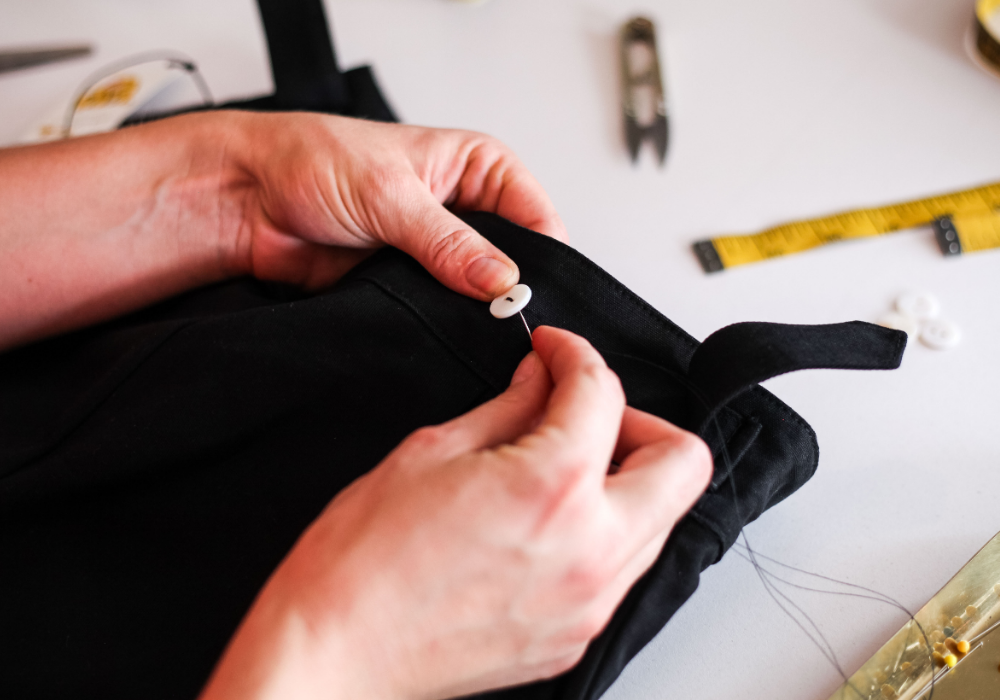
Back in the day, broken things got fixed, not tossed. Clothes were patched, appliances were repaired, and every home had a stash of sewing supplies, tools, and spare parts—not because people were trying to be sustainable, but because replacing things was expensive and wasteful. Taking care of what you owned just made sense.
We live in an era of throwaway culture where products seem designed to break and be replaced. United Nations University reports that electronic waste alone has soared to 53.6 million metric tons globally, with little effort to repair or recycle it. Bringing back the repair mindset keeps valuable materials in use longer, cuts down on waste, and keeps practical skills alive for future generations.
Follow us and access great exclusive content every day
4. People stayed cool before AC devoured the power grid.
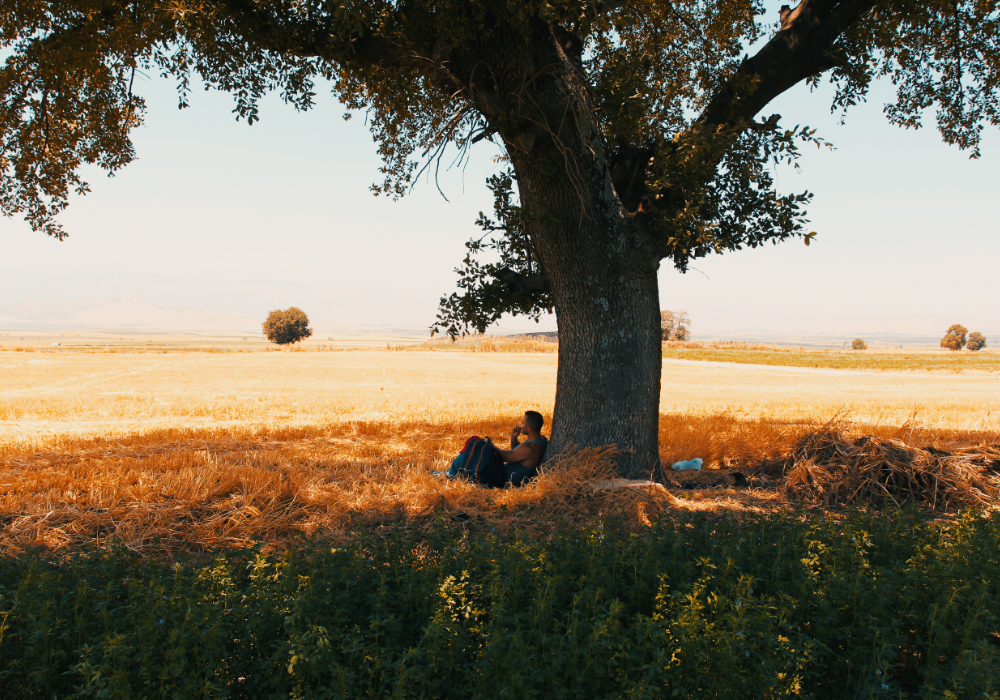
Staying comfortable at home used to be more about smart design than cranking up the AC or heat. People relied on cross-breezes, shade from trees, and well-placed windows to keep cool in summer, while thick curtains and strategic insulation helped trap warmth in winter.
Instead of forcing homes to stay at the same temperature year-round, families adapted to the seasons with simple, effective tricks. Cold weather called for gathering in central rooms, sealing drafts with door snakes, and bundling up instead of overheating the entire house. These old-school habits, combined with modern energy-efficient technology, could put a serious dent in the 40% of household energy that goes to heating and cooling.
5. Feet and streetcars beat car culture at its own game.

Getting around used to be a lot simpler: people walked, biked, or took public transit because neighborhoods were designed for it. Schools, stores, and workplaces were close by, and you didn’t need a car for every little trip. Streets were built for people first, not endless parking lots and highways.
These days, transportation accounts for nearly 30% of greenhouse gas emissions in developed countries. While we can’t always turn back the clock, small shifts, like walking for short trips, grouping errands to drive less, or using public transit when it makes sense, can cut our carbon footprint.
6. Mason jars outsmarted refrigerators long before electricity bills.

Stocking up on home-preserved foods used to be a basic survival skill, not a niche hobby. When fruits and vegetables were in season, people canned, fermented, dried, or stored them in root cellars to make sure they had food all year. There was no relying on global supply chains to deliver strawberries in winter—just smart planning and a little effort.
Additionally, these old-school methods cut down on waste, skipped the need for extra packaging, and didn’t depend on constant refrigeration. Today, fridges and freezers make up about 7% of household energy use, and their coolants can be major climate offenders.
Bringing back even small-scale food preservation, like freezing extra produce, drying herbs, or making a simple batch of pickles, reduces energy use while keeping flavors fresh in a way store-bought options just don’t match.
Follow us and access great exclusive content every day
7. Empty jars sparked creativity, not trips to recycling bins.
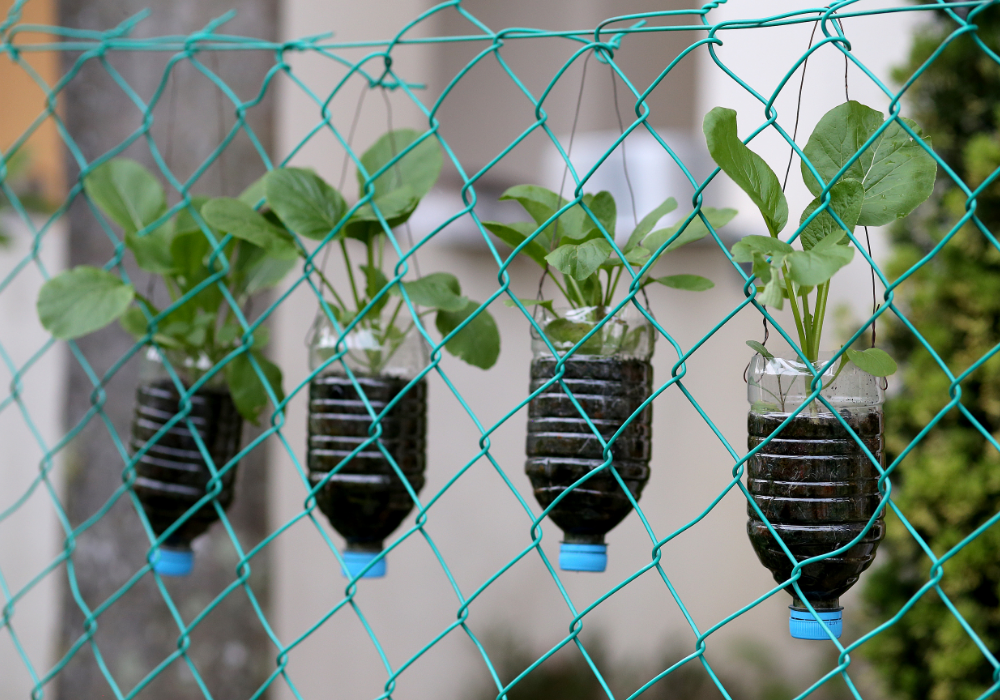
Previous generations didn’t see containers as single-use—they saw them as useful. Glass jars held leftovers, paper bags got reused for shopping, and boxes were saved for storage. Instead of tossing things out, people found ways to make them last, cutting down on waste without even thinking about it.
Now, we churn out about 300 million tons of plastic waste every year, and despite all the recycling bins, only about 9% of it actually gets recycled. The old-school way of reusing things was even better than recycling because it prevented waste from being created in the first place.
8. Clotheslines harnessed solar power before panels were invented.
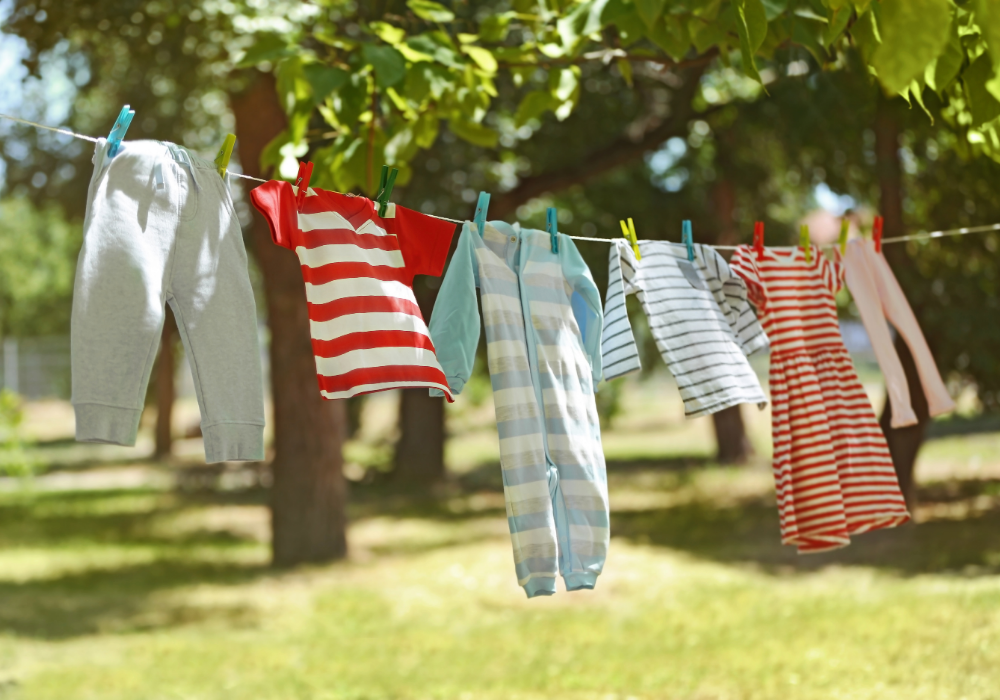
Clotheslines used to be a standard sight in backyards, not some eco-friendly statement. Instead of relying on energy-guzzling dryers, families let the sun and fresh air do the work for free. Now, as more people look for ways to cut energy use, this simple habit is making a comeback, and for good reason: dryers account for about 6% of household electricity use.
Beyond saving power, air-drying clothes has other perks. Fabrics last longer without the heat and tumbling, whites naturally brighten in the sun, and clothes hold their shape better without shrinking.
9. Buying less stuff outperforms recycling every single time.

People used to buy less, keep things longer, and make the most of what they had—not because they were trying to be eco-friendly, but because it was just how life worked. Things were made to last, and replacing them wasn’t the first option. That mindset naturally led to less waste, fewer resources being used up, and a slower, more thoughtful approach to consumption.
Today, the average American throws away nearly five pounds of trash a day—almost double what it was in 1960. It’s not just because there are more people, but because we buy more and toss things faster. Taking a step back and asking whether we really need something, if it will last, or if we could borrow it instead, brings us closer to the way previous generations lived.