
What used to be predictions for 2100 are happening right now in your lifetime.

You’ve probably noticed the seasons feel off, the storms are stronger, and news of climate disasters seems nonstop. That’s not your imagination—it’s reality speeding up. Earth’s transformation isn’t happening slowly over centuries like scientists once predicted. It’s unfolding right now, and faster than most of us can mentally keep up with.
Ice sheets are collapsing decades ahead of schedule. Coral reefs are vanishing before our eyes. Heat records are being smashed so often they barely shock us anymore. This isn’t a future problem—it’s today’s crisis, and pretending it’s still far off won’t cut it.
While the planet shifts into overdrive, the majority of people are still going about their lives as if everything’s normal. If you haven’t started paying attention, it’s time. These stunning changes prove Earth is spiraling faster than anyone predicted—and they affect all of us.
1. Arctic ice isn’t just melting—it’s vanishing at a terrifying rate.
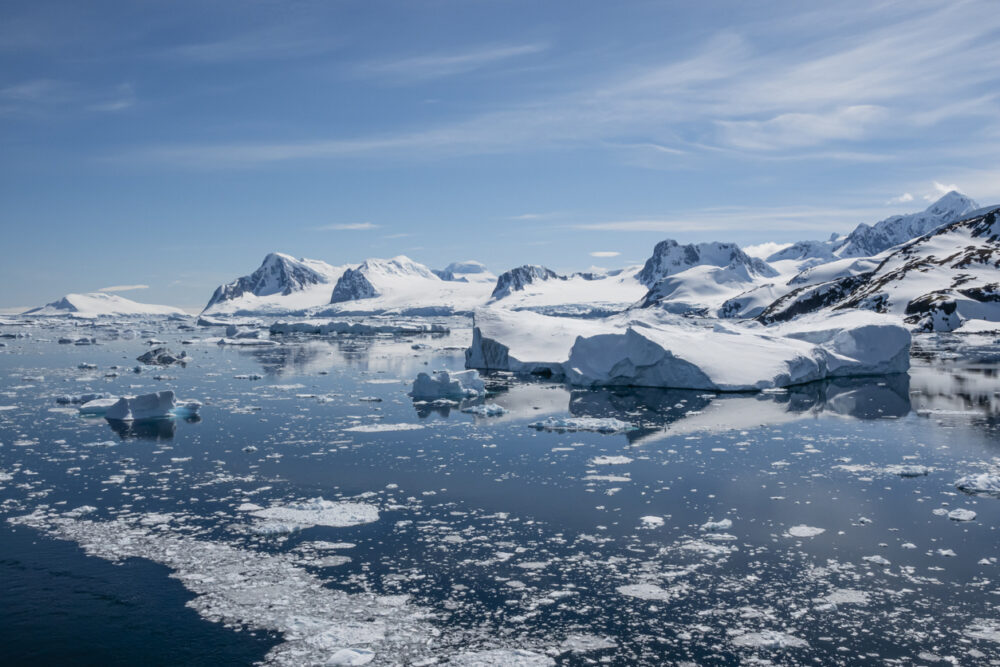
Satellite data shows the Arctic is losing sea ice faster than models predicted even a decade ago. Each year, summer ice shrinks further, exposing dark ocean water that absorbs more heat and accelerates warming. This feedback loop is pushing the Arctic toward an ice-free summer as early as the 2030s—a milestone once thought to be a century away.
The consequences go far beyond polar bears. Melting sea ice affects global weather patterns, causing extreme winters, deadly heatwaves, and shifting storm tracks around the world. Coastal cities face rising seas, while indigenous communities lose their way of life.
Scientists say we’ve already entered uncharted territory. And once this ice is gone, it won’t come back in our lifetime. It’s not just a symbol of climate change—it’s a flashing red warning light that the planet’s balance is unraveling.
2. Ocean heatwaves are boiling marine life alive in record time.
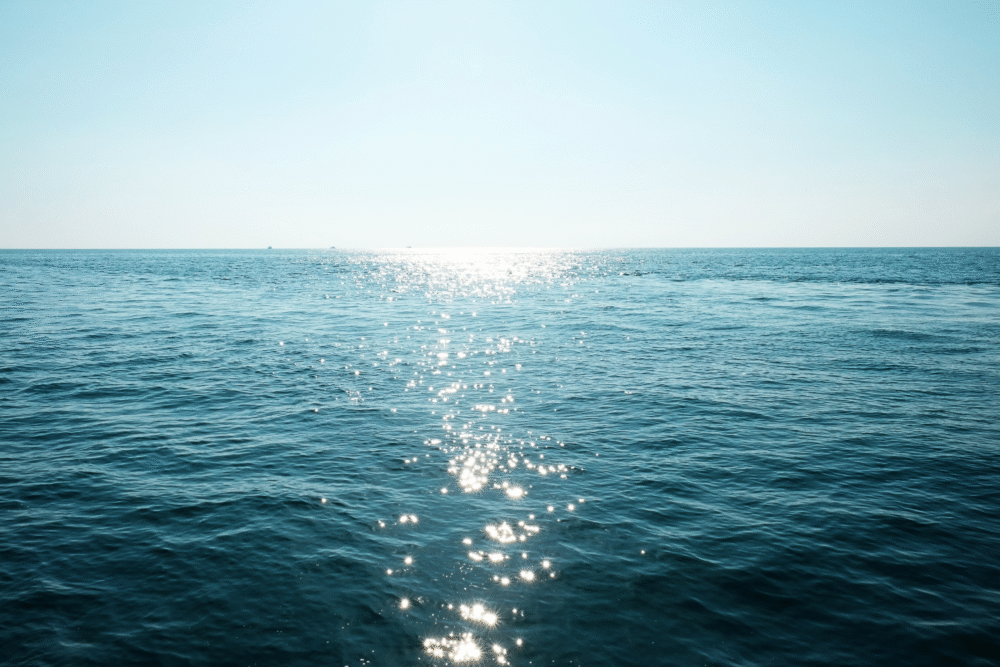
Our oceans are absorbing more than 90% of the excess heat trapped by greenhouse gases—and they’re reaching temperatures never seen before. In recent years, marine heatwaves have killed coral reefs, triggered mass fish die-offs, and disrupted entire food chains. Just one week of extreme heat can wipe out decades of coral growth.
Off the coast of Florida and in parts of the Pacific, water temperatures have soared past 100°F—conditions that many marine species simply can’t survive. This isn’t a rare anomaly anymore; it’s becoming the norm. And with warmer oceans come stronger hurricanes, faster ice melt, and declining oxygen levels.
As oceans heat up, they’re turning from life-giving ecosystems into hostile environments. The pace of this change is stunning scientists—and leaving marine life with nowhere to hide.
3. Glaciers are disappearing so fast, maps can’t keep up.
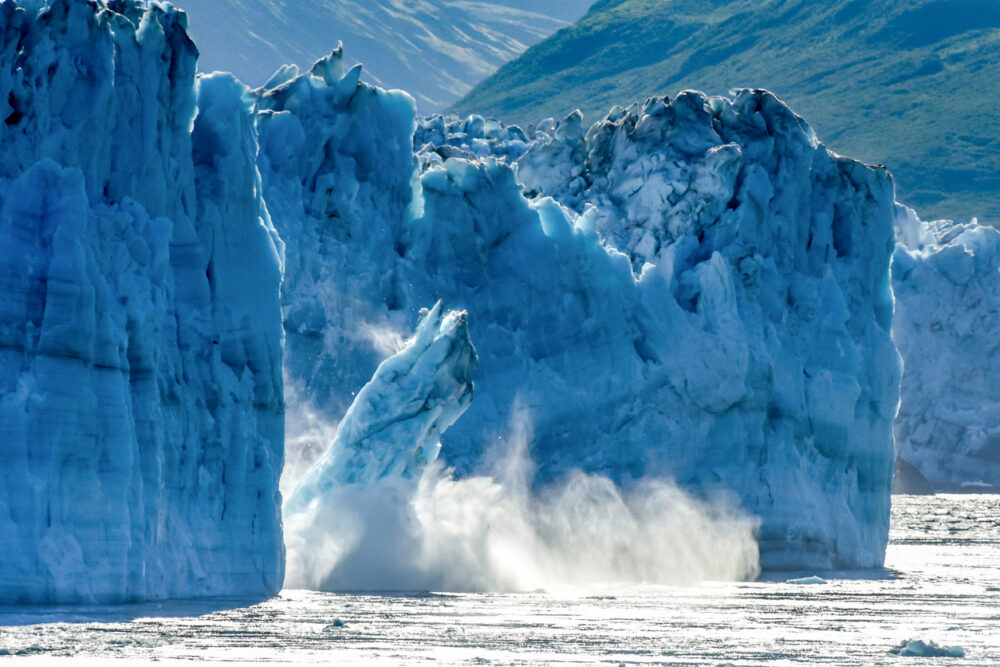
All over the world, glaciers are retreating—and not just inch by inch. Some are losing hundreds of feet per year. In the Alps, Andes, and Himalayas, what used to be frozen giants are now thinning ribbons of ice. The Columbia Glacier in Alaska alone has retreated more than 12 miles since the 1980s.
Many glaciers are expected to vanish entirely within the next two decades, including those that feed major rivers like the Ganges and Mekong. That means billions of people face water shortages and destabilized agriculture. Tourism industries are collapsing, and entire ecosystems are disappearing with the ice.
Scientists used to think we had until the end of the century to prepare for this—now they’re scrambling to rewrite timelines. This isn’t slow erosion. It’s glacial collapse at breakneck speed.
4. Wildfires are no longer seasonal—they’re nonstop and more intense.

What used to be fire “seasons” are now fire years. Mega-fires in California, Canada, Australia, and parts of Europe have become bigger, hotter, and harder to control. Climate change has created a perfect storm: hotter temperatures, drier landscapes, and more lightning strikes.
In Canada, wildfires burned more land in 2023 than the previous 10 years combined. Fires are moving faster, jumping rivers, and creating their own weather systems, including fire tornadoes. Even places that rarely burned before—like the Arctic tundra—are catching fire.
Smoke from these blazes now travels thousands of miles, choking cities in fine particulate pollution that affects heart and lung health. And unlike before, these fires often return to the same places again and again. The old rules of fire behavior no longer apply—and firefighters are struggling to keep up.
5. Coral reefs are dying before your next vacation can reach them.

If you’re dreaming of snorkeling a vibrant coral reef, you might be running out of time. Bleaching events—caused by rising sea temperatures—are happening more frequently and more severely than ever before. Coral reefs around the world, including the Great Barrier Reef, have suffered mass die-offs multiple years in a row.
These reefs aren’t just pretty—they’re essential to ocean life, supporting 25% of all marine species. They also protect coastlines, support tourism, and provide food for millions. Yet scientists now warn that over 90% of the world’s coral is at risk of disappearing if current trends continue.
And some reefs are dying so fast that by the time research teams arrive to study them, they’re already gone. The timeline has drastically shifted—and so has the window for saving what’s left.
6. The jet stream is wobbling and twisting in ways that upend our weather.
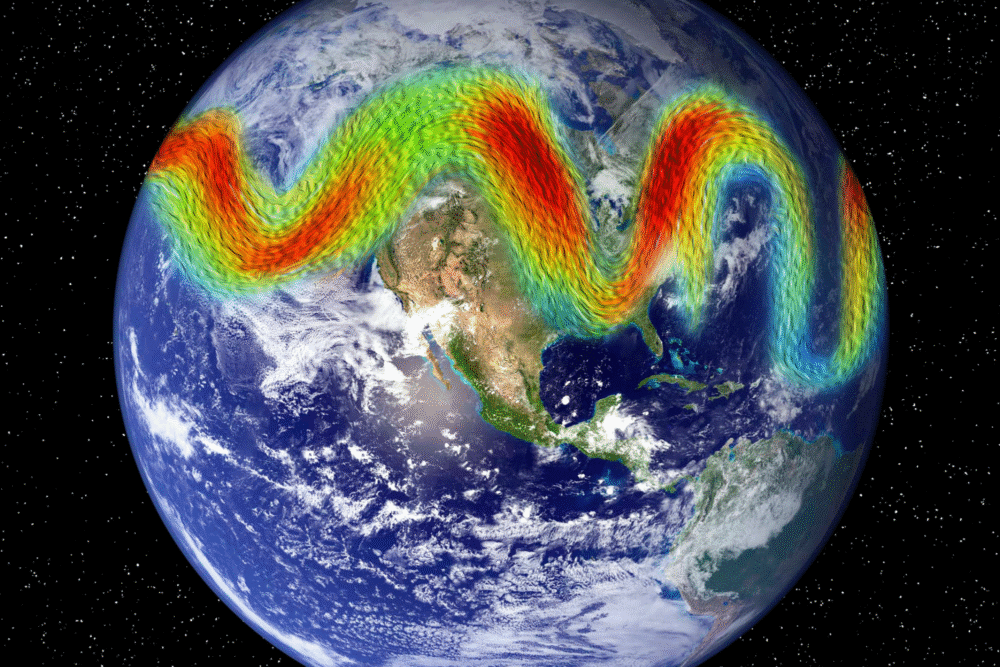
You’ve probably heard about the polar vortex or freak storms hitting places that rarely see them. That’s the jet stream—the high-altitude wind current steering our weather—acting unpredictably. As the Arctic warms faster than the rest of the planet, the jet stream is weakening and becoming more erratic.
It now dips lower, stalls longer, and sends storms or heatwaves to places they usually don’t hit. That’s why Texas gets ice storms and Europe gets Sahara-level heat. These weather extremes used to be rare, but they’re becoming standard fare.
The science is still evolving, but one thing’s clear: climate change is bending the atmosphere’s steering wheel. And what follows isn’t just discomfort—it’s agricultural collapse, blackouts, and infrastructure failure. The atmosphere is off-kilter, and we’re all feeling the effects.
7. Permafrost is thawing—and it’s releasing ancient carbon and diseases.
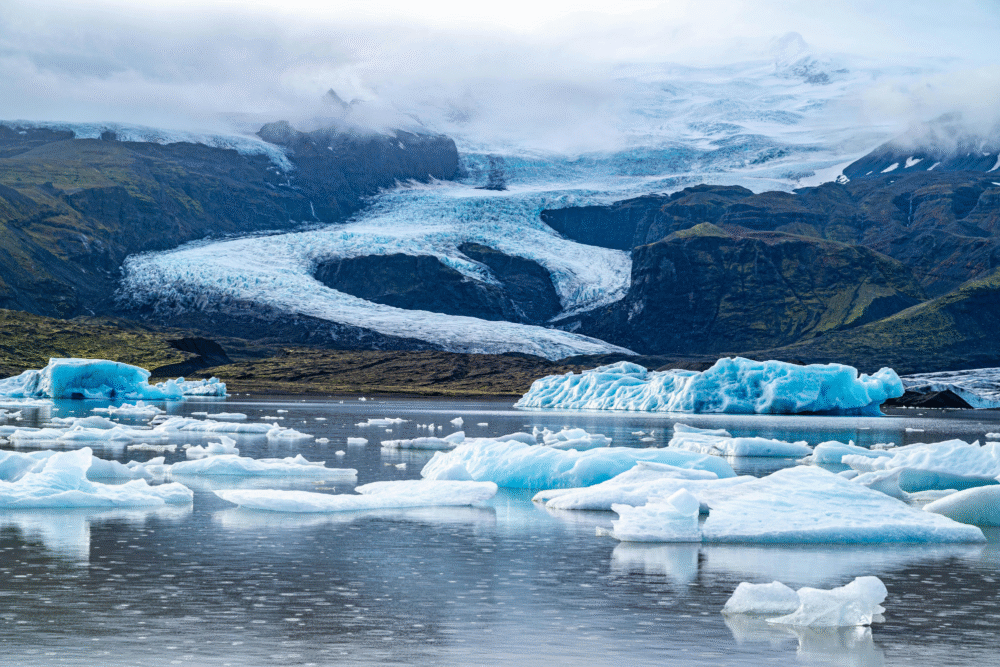
Deep beneath the Arctic lies frozen soil called permafrost, which holds billions of tons of carbon and even prehistoric microbes. But now, it’s starting to thaw. As it does, it releases methane and carbon dioxide—greenhouse gases that are much more potent than CO₂ from cars or factories.
This creates a vicious cycle: warming melts permafrost, which releases gases, which causes more warming. Some areas are collapsing into sinkholes or turning into swamps. Even more eerie, scientists have found ancient viruses and bacteria preserved in the ice, sparking concerns about long-dormant pathogens reemerging.
What once seemed like the planet’s freezer is now a ticking time bomb. And the thaw is happening faster than expected—turning climate models upside down and creating feedback loops we still don’t fully understand.
8. Rain is getting stronger, faster, and way more dangerous.

It’s not just that it’s raining more—it’s how it’s raining. Instead of gentle showers, many places are getting short, violent downpours that overwhelm infrastructure and trigger deadly flash floods. Climate change is supercharging the water cycle.
Warmer air holds more moisture, meaning storms dump more water in less time. Cities like New York and Seoul have seen subway systems flood in minutes. Entire towns have been washed away in Germany, Libya, and China after once-in-a-century storms hit multiple times in a decade.
This isn’t normal variability—it’s a new pattern. Stormwater systems weren’t built for this kind of rainfall, and communities can’t adapt fast enough. The floods are catching people off guard, not just in low-lying areas, but in places that rarely dealt with water disasters before.
9. Animals are on the move—and ecosystems are falling apart.
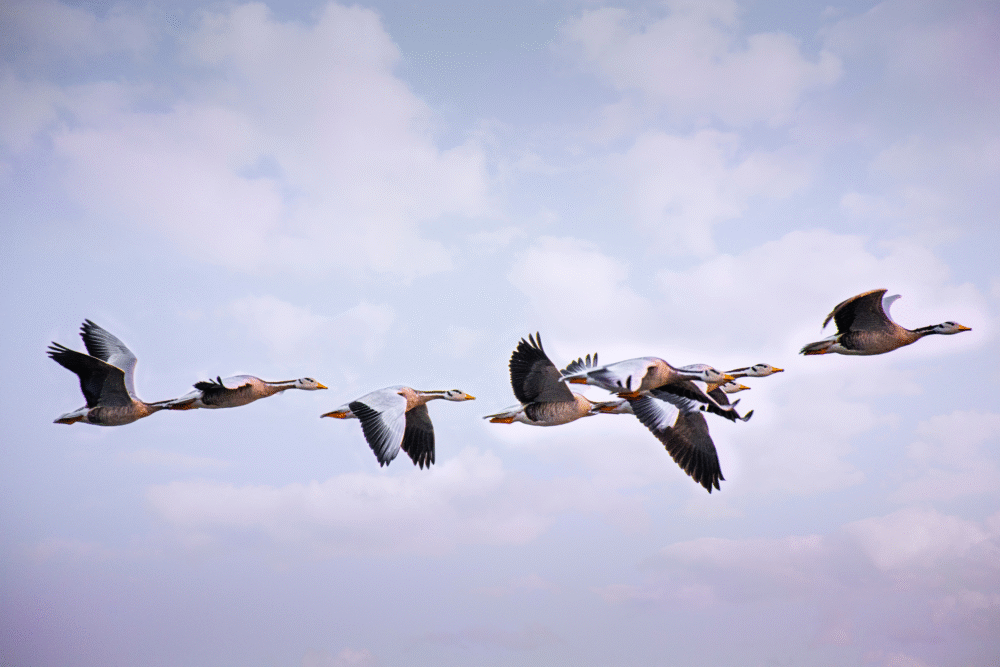
Species are migrating toward the poles or higher elevations in search of cooler climates. Birds, fish, insects, and mammals are showing up in places they’ve never been recorded before. This mass migration is disrupting food chains, introducing diseases, and sometimes creating new invasive species problems.
In the oceans, fish populations are shifting so quickly that fishermen are struggling to follow them. On land, pollinators and plants are falling out of sync, threatening agriculture and biodiversity. Entire ecosystems are unraveling because their members are no longer in the same place at the same time.
This reshuffling isn’t theoretical—it’s already happening. And the faster the planet warms, the more scrambled everything becomes. It’s not just about saving species—it’s about saving the systems we all depend on for food, water, and stability.
10. Sea levels are rising faster than coastal cities can plan for.

Sea level rise used to be measured in millimeters per year. Now it’s accelerating. Some areas, like the U.S. Gulf Coast, are sinking while the oceans rise—creating a double threat. Places like Miami, Jakarta, and parts of New York are already experiencing frequent flooding even on sunny days.
Saltwater is seeping into freshwater supplies, eroding foundations, and forcing communities to retreat. Coastal defenses like levees and seawalls are being overwhelmed or are too expensive to expand.
And new satellite data shows ice loss in Antarctica and Greenland is picking up speed, threatening a worst-case scenario that could put entire nations underwater. This isn’t something your great-grandchildren will deal with—it’s happening now, and many cities are already behind the curve in responding.
11. Climate tipping points are being triggered faster than predicted.
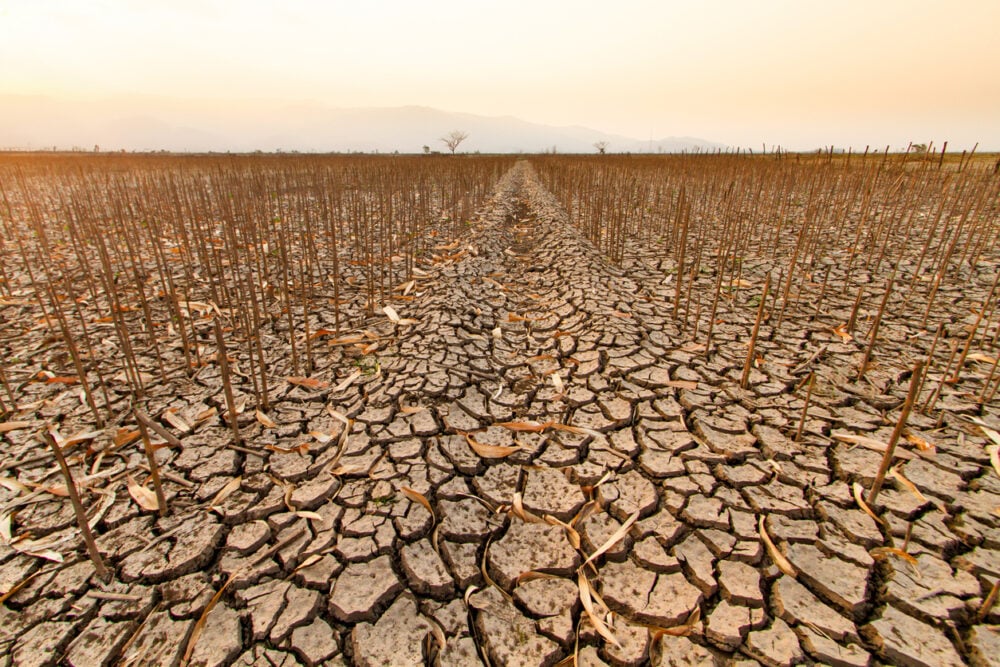
Tipping points are thresholds that, once crossed, set off irreversible changes. Think: the collapse of major ice sheets, dieback of the Amazon rainforest, or loss of coral reefs. Scientists once believed we had decades before these were at risk—but now many believe we’re on the edge or past several of them.
These systems interact, meaning one tipping point can trigger another. For example, Arctic ice melt accelerates warming, which dries out the Amazon, which releases more carbon, and so on. The web of climate stability is unraveling faster than models had accounted for, and we’re now in a race to slow the chain reaction.
Once these dominoes fall, there’s no going back. That’s why climate scientists are ringing alarm bells louder than ever.
12. People are suffering—and the inequality gap is widening.

The effects of climate change aren’t hitting everyone equally. Low-income communities, developing countries, and vulnerable populations are bearing the brunt of heatwaves, floods, and food shortages. At the same time, wealthier nations contribute the most emissions while having the resources to shield themselves.
Climate-driven migration is rising, with millions displaced by disasters and drought. Health systems are overwhelmed, and basic survival—like finding clean water or stable shelter—is becoming harder for millions. The faster the planet changes, the more these inequalities grow. This isn’t just an environmental crisis—it’s a human one.
Climate change is exposing and accelerating the injustices baked into our global systems. And if we don’t address both the causes and the consequences, the future will be even more brutal than the science alone suggests.