
A new global study reveals how climate fears are reshaping teenagers’ views of parenthood.

The future is feeling less certain for the next generation—and they’re making life-altering decisions because of it. In a 2022 Harris Poll, 1 in 4 U.S. teens said they may never have children due to fears about climate change. That’s not just hesitation—it’s a profound shift in how young people view their place in the world.
For many, the decision isn’t just personal; it’s ethical, practical, and emotional. They’re weighing the risks of bringing children into a world of rising seas, burning forests, and extreme weather. It’s a form of protest, but also of heartbreak. And while some dismiss it as dramatic, these choices are rooted in real data, deep anxiety, and moral reckoning.
1. They fear the planet will be uninhabitable by the time their kids grow up.

This isn’t sci-fi speculation—it’s a real fear grounded in accelerating climate trends. From devastating droughts to unbreathable air quality, teens are absorbing daily reports that paint a grim picture of the future. They imagine their children facing food shortages, mass migrations, and unlivable heat. That kind of imagery sticks. For many, it’s not about lacking love or hope—it’s about not wanting to watch a child suffer through a collapsing world.
Choosing not to have kids becomes an act of mercy, not selfishness. They’re not giving up—they’re responding to a crisis that adults too often ignore. And when you don’t believe your child will have clean air, stable housing, or access to water, how do you move forward with optimism?
2. They don’t trust global leaders to solve the climate crisis.
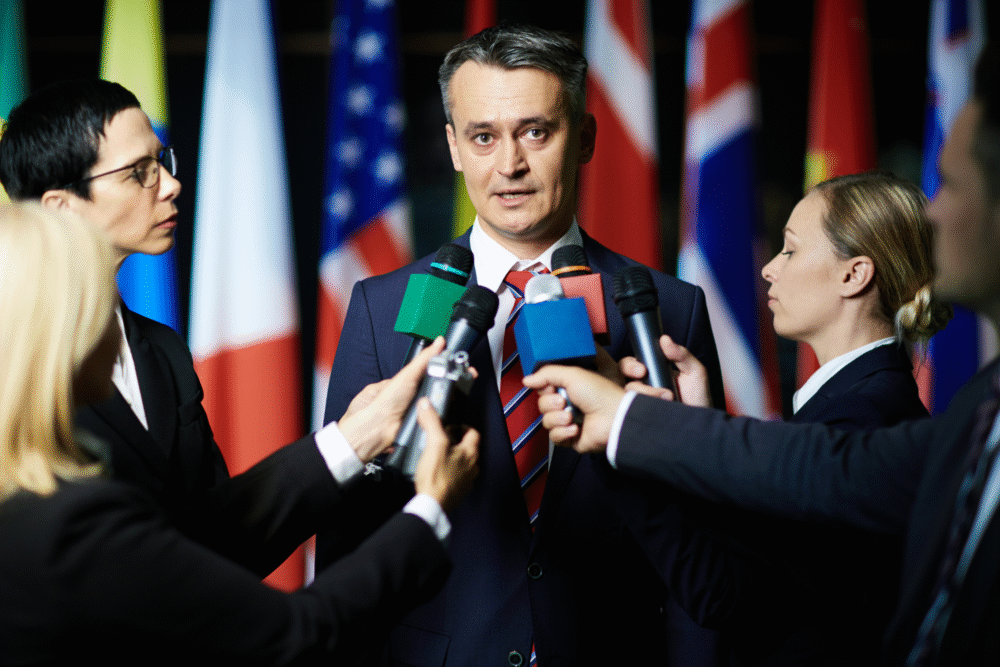
Cynicism isn’t born overnight—it grows from broken promises. Young people have watched decades of climate conferences, pledges, and photo ops deliver little actual change. As CO₂ levels spike and fossil fuel subsidies persist, teens are left with one message: leadership is failing. They don’t believe the powerful are prioritizing the planet’s future—so why should they plan for their own future generations?
When global inaction becomes the norm, despair replaces faith. The decision to forgo children, in this light, isn’t just about fear—it’s about protest. Many teens say they won’t reproduce in a system that can’t protect life. And unless they see action, they’re unwilling to contribute more lives to the fallout.
3. They see climate change as a form of generational betrayal.

The climate crisis didn’t start with Gen Z—but they’re inheriting the worst of it. From melting glaciers to burning forests, many teens see the consequences of decades of inaction and overconsumption. And they’re angry. Their childhoods have been shaped by fear and frustration, and now, they feel betrayed by the adults who were supposed to protect them.
Choosing not to have children becomes a statement: “We won’t repeat the same mistakes.” It’s not a lack of love for kids—it’s a refusal to perpetuate a system that puts profit over protection. This emotional undercurrent of generational tension is real—and it’s fueling tough choices that would have been unthinkable 20 years ago.
4. The emotional toll of climate anxiety makes parenthood feel overwhelming.

Climate change isn’t just a physical threat—it’s a psychological one. “Eco-anxiety” is now a recognized condition, and it hits young people the hardest. The idea of bringing a child into an uncertain, volatile world doesn’t bring joy—it triggers panic. Teens are already carrying the weight of the planet’s decline. Adding the responsibility of raising a child under those conditions feels unbearable.
Some even say they couldn’t handle the guilt if their child suffered because of worsening climate disasters. Parenthood is no longer just about diapers and daycare—it’s about preparing someone for an unstable planet. For many, the emotional cost feels too high.
5. They believe having fewer children reduces their personal carbon footprint.

For climate-conscious teens, every action counts—including reproduction. Studies have shown that having one fewer child significantly lowers an individual’s lifetime carbon footprint. This data has sparked an ethical debate—should you bring more people into a high-consumption society if the planet is already in crisis? Many teens say no. It’s not about hating humanity—it’s about protecting it.
Choosing not to have children becomes the ultimate form of environmental activism. They’re willing to sacrifice their own dreams of family life in hopes of slowing planetary damage. To critics, it may seem extreme. But for these teens, it’s a rational, moral response to an overwhelming problem.
6. Economic instability tied to climate makes raising a family seem impossible.

The climate crisis is already disrupting economies—through wildfires, hurricanes, and crop failures. As disasters grow, so do insurance costs, housing insecurity, and job instability. Teens are connecting the dots. They’re not just afraid of floods—they’re afraid of the financial ruin that comes with them. With college debt looming and job markets shifting, many already doubt they’ll be able to afford stable lives for themselves.
Add climate chaos to the mix, and raising a child feels financially reckless. This isn’t about pessimism—it’s about hard math. When survival is uncertain and resources are shrinking, building a family starts to feel like a luxury few can afford.
7. They’ve internalized stories of children suffering in climate disasters.
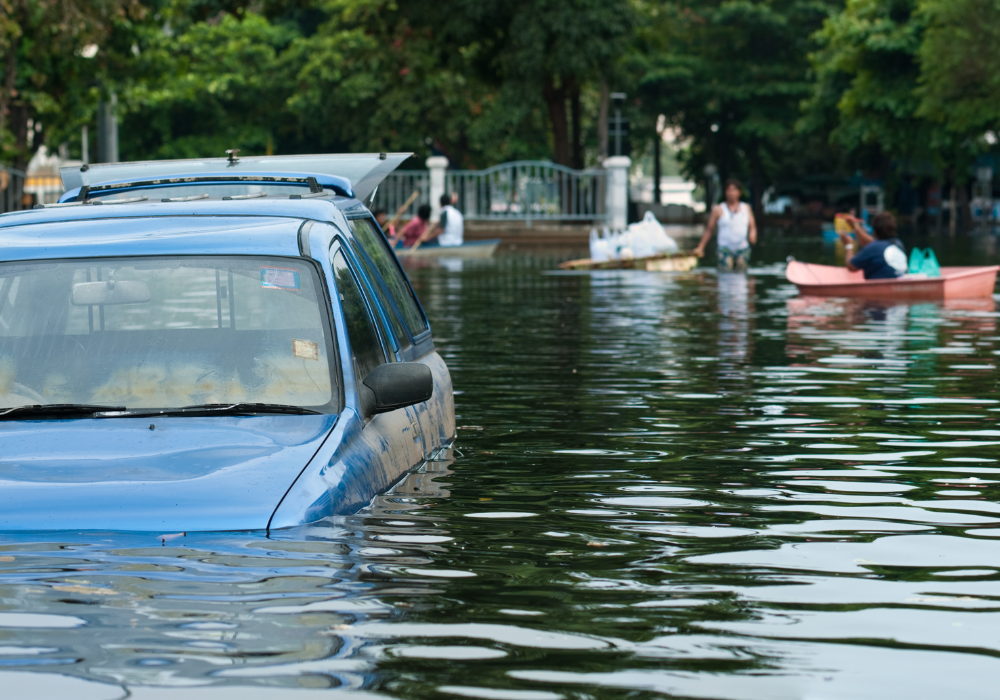
Teens are growing up with vivid, terrifying imagery: children fleeing wildfires in California, wading through floodwaters in Pakistan, choking on smog in Delhi. These stories hit differently when you imagine your own child in them. For many teens, witnessing these real-life events—even through a screen—leaves a mark.
The idea of exposing a future child to that level of danger and uncertainty is unbearable. These are not hypothetical scenarios—they’re happening now, and teens know it. It shifts the parenting question from “Do I want kids?” to “Can I protect them?” And for some, the honest answer is no. So they say no before the pain ever begins.
8. They see parenting as incompatible with activism in a crisis world.
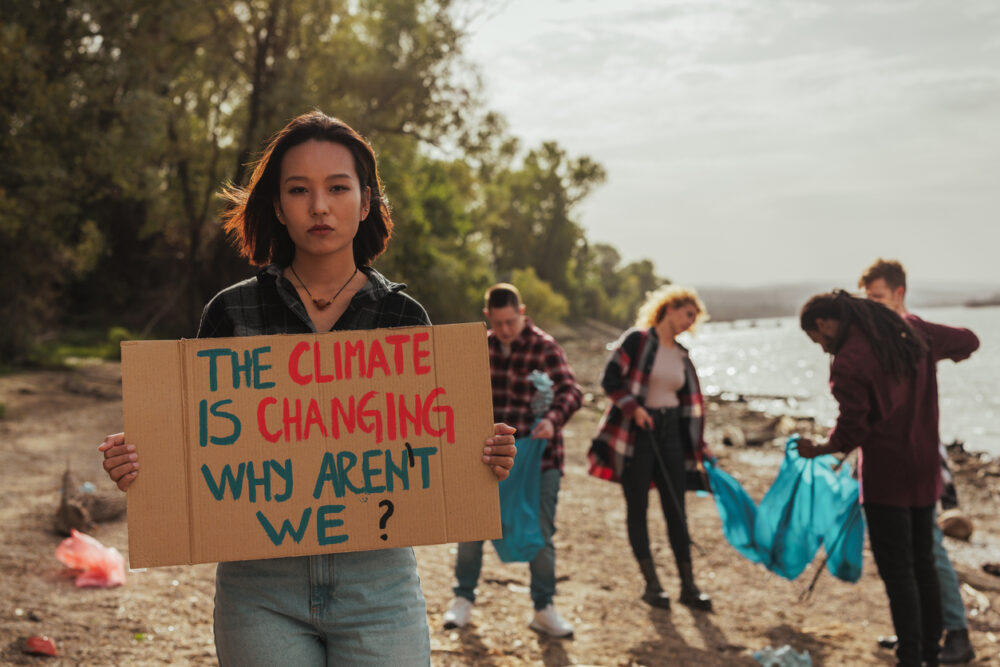
For some teens, the urgency of the climate crisis demands total focus—and they don’t see how parenting fits in. They view having children as a commitment that might dilute their ability to fight for justice, push for policy change, or live sustainably. In their eyes, parenting and activism aren’t enemies—but they are competing priorities. Some even question whether having a child in this moment is a form of distraction from the larger planetary emergency.
This view might sound harsh to older generations, but for Gen Z, the climate fight feels like their life’s mission. Sacrificing parenthood for purpose is their way of saying: the future of all children matters more than my desire to have one.
9. They don’t want to pass on trauma or existential dread.

Many teens today are deeply aware of the trauma that climate change has already inflicted—and they fear passing that burden on. If you grew up with fire drills for wildfires and storm prep for hurricanes, you internalize that chaos as normal.
But for many teens, it’s not normal—it’s traumatic. They worry that parenting would mean explaining these disasters to a child, trying to comfort them in the middle of a crisis they never asked to inherit. That sense of helplessness is enough to make some decide they’d rather not become parents at all. It’s not a rejection of children—it’s a rejection of pain they feel powerless to prevent.
10. They feel isolated for making a choice older generations don’t understand.

Perhaps the most painful part for many teens is feeling dismissed. When they express climate fears or question parenthood, they’re often told they’re “too young” to understand or “too dramatic” to be taken seriously. But these decisions aren’t made lightly. They come from lived experience, observation, and conviction. Many teens feel abandoned—not just by governments, but by the adults closest to them.
Choosing not to have children, then, becomes both personal and political. It’s a way to reclaim agency in a world where they often feel powerless. And while their choice might confuse or frustrate older generations, it deserves to be heard—not mocked.