
The shocking ways forest destruction is pushing wildlife to the edge.

Forests are disappearing at an alarming rate, and most people don’t realize how badly this hurts wildlife. Every minute, we lose forest land equal to 27 soccer fields, destroying homes for countless animals. From tiny insects to large predators, all these creatures need these forests to survive. As humans cut down trees for profit, animals struggle to adapt. Those that survive the initial destruction often end up in forest patches too small for them to find food, migrate, or raise their young.
The consequences of deforestation go far beyond just losing trees. Entire food webs collapse when forests vanish. Animals that spent millions of years evolving to perfectly fit forest life suddenly find themselves without shelter, food sources, or safe places to raise their young.
Many species can only survive in specific forest types, making it impossible for them to simply relocate when their homes are destroyed. While large animals like tigers and elephants make headlines when their populations drop, thousands of lesser-known species are silently disappearing before scientists even have a chance to discover them.
1. Forests are disappearing faster than ever, and the consequences are devastating.
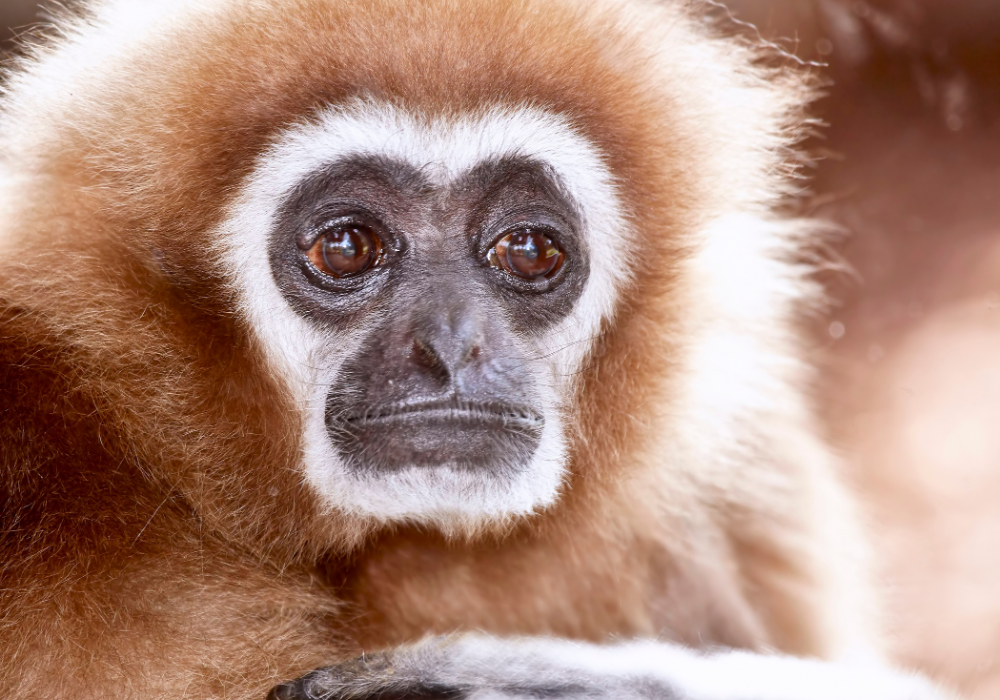
The daily loss of forests creates a terrible crisis for wildlife. These aren’t just trees disappearing – they’re entire living systems that give animals food, shelter, and places to raise their young. When forests vanish, animals can’t simply move somewhere else. They face starvation, predators, and dangerous encounters with humans.
Species like orangutans need specific types of forest to survive. Researchers at the World Wildlife Fund have found that their numbers have dropped by more than half in recent decades because their homes are disappearing. Many smaller, less-known animals face the same fate, often before scientists even have a chance to discover them.
2. When trees fall, entire species vanish along with them.
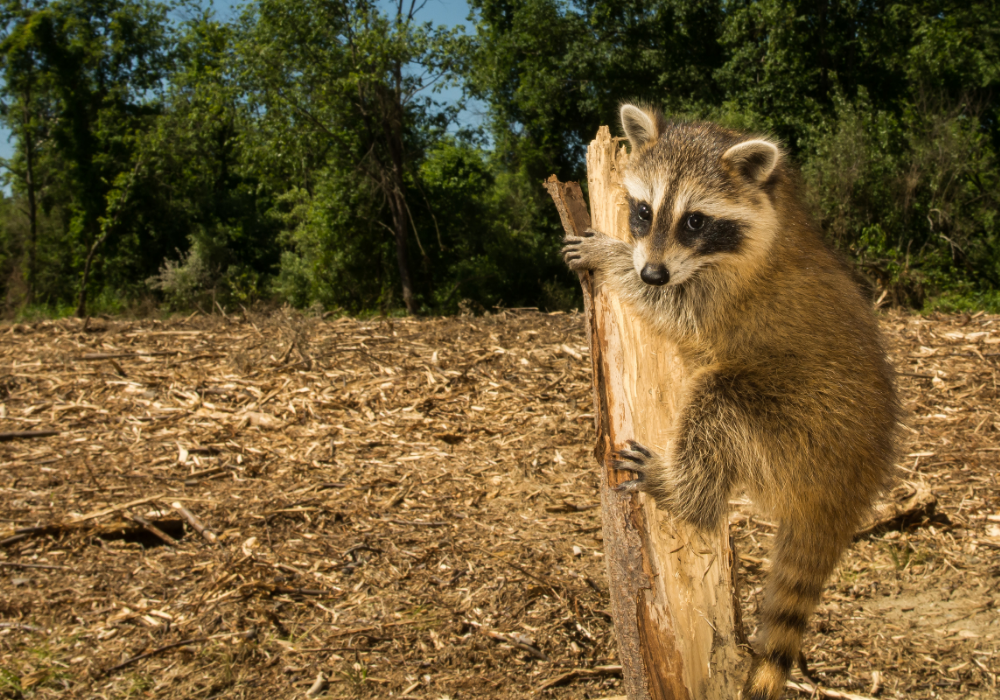
These beautiful forests aren’t just home to wildlife—they’re the foundation of entire ecosystems. Yet, according to data from Stand for Trees, scientists have found that habitat loss, primarily from deforestation, is responsible for over 80% of land animal extinctions. When these ancient forests disappear, the species that have relied on them for millions of years have nowhere to go.
The ripple effects are staggering. When top predators like jaguars vanish, entire ecosystems shift in unpredictable ways. But it’s not just the animals we recognize—countless undiscovered species, from rare insects to fungi with potential medical benefits, may be wiped out before we even know they exist.
3. A forest without wildlife is just a graveyard of trees.

Forests may cover just 30% of Earth’s land, but they shelter an incredible 70% of all land species, based on research from the United Nations. These dense, living networks support thousands of animals and plants, each playing a role in keeping ecosystems balanced and thriving.
In just one square mile of rainforest, there can be more species of birds, frogs, and insects than in entire temperate countries. Scientists still uncover new species on jungle expeditions, some with potential breakthroughs for medicine, agriculture, and science. But when forests vanish, it’s not just familiar animals we lose—countless undiscovered species disappear before we even know what they could offer.
4. Your snack might be killing orangutans.

The relentless expansion of palm oil plantations in Southeast Asia has pushed orangutans to the brink of extinction, wiping out more than 90% of their habitat in just two decades. Once thriving in lush rainforests, these intelligent apes are now clinging to survival in fragmented patches of land across Indonesia and Malaysia, their homes replaced by endless rows of oil palm trees.
With forests disappearing, starving orangutans often wander into plantations in search of food—only to be met with violence from workers who see them as pests. Meanwhile, roads carved through the remaining jungle isolate small orangutan groups, making it nearly impossible for them to sustain healthy populations. The harsh reality is that palm oil—found in nearly half of all packaged grocery store products—fuels this crisis. Every bottle of shampoo, jar of peanut butter, or snack cake made with unsustainable palm oil comes at a devastating cost to these endangered animals.
5. Forest elephants may not survive much longer—and humans are to blame.

Elephants who call the forest home are disappearing fast—their population has plummeted by 86%. Unlike their savanna relatives, these elephants are built for life in dense jungles, and once the forests go, so do they.
It’s not just elephants at risk. These “giant gardeners” shape the entire ecosystem, clearing paths for other animals and spreading tree seeds as they roam—sometimes carrying them up to 30 miles. When they disappear, the forests start changing, and not for the better. Within decades, entire landscapes shift, proving that losing just one species can throw everything out of balance.
6. One tree can hold hundreds of creatures—until the chainsaws arrive.
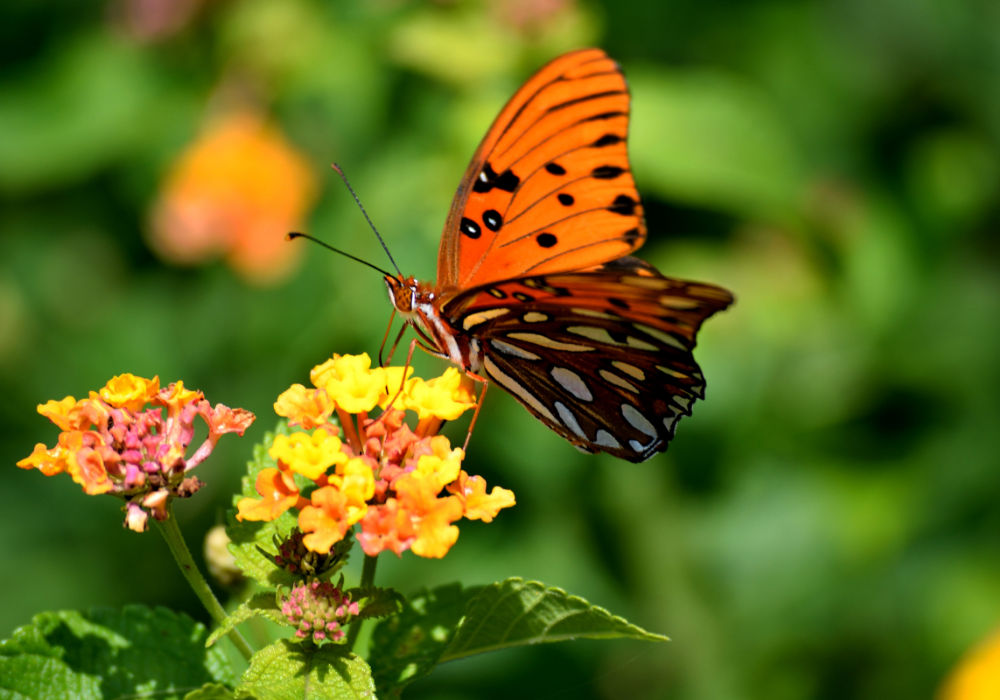
In the Amazon, a single tree can be home to over 400 different insect species—many that exist nowhere else on Earth. These towering giants aren’t just trees; they’re entire worlds, where animals and plants have evolved together over millions of years in a delicate balance.
When loggers cut down even a few of these ancient trees, they’re not just harvesting wood—they’re destroying entire ecosystems. Some of these trees have stood for centuries, feeding and sheltering countless creatures. Lose one, and dozens of species can go with it, unraveling a system that took nature millions of years to build.
7. The forests are going quiet as bird populations plummet.
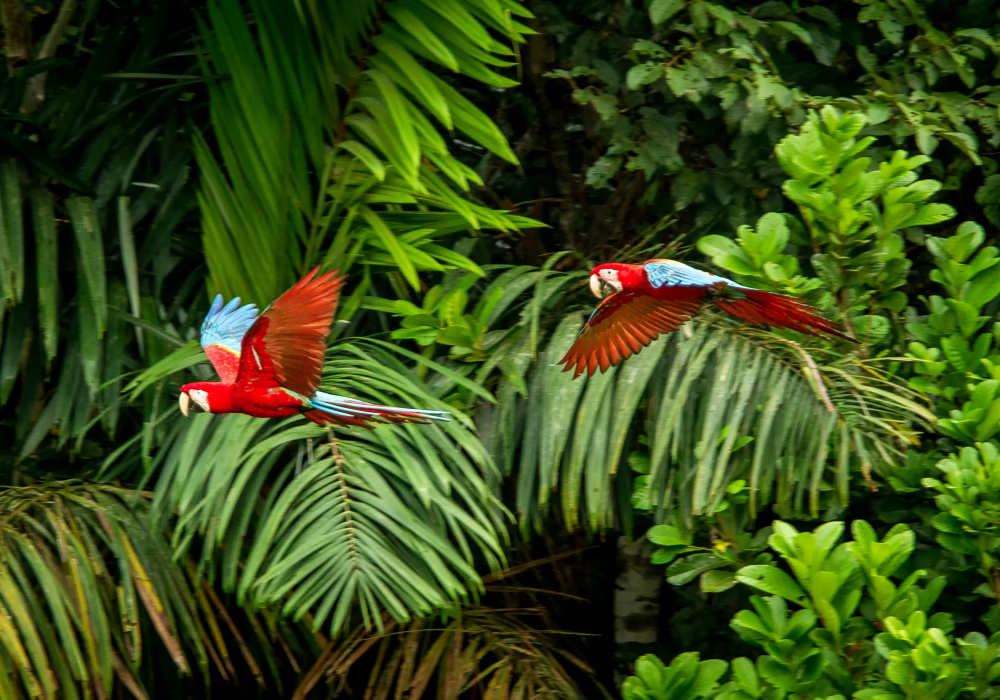
More than half of all forest-dwelling birds are now at risk of extinction, and it all comes down to one thing—losing their homes. These birds don’t just need trees, they need the right trees, the right food, and the right nesting spots. Even when only parts of a forest are cut down, their world starts falling apart.
Some, like antbirds and manakins, stick to the dim, quiet spaces under the canopy and can’t handle even small gaps between trees. Once their habitat gets chopped up, they’re stranded, and their numbers start to dwindle. But it’s not just about them—these birds keep forests alive, scattering seeds, keeping insect populations in check, and pollinating plants. Lose them, and the whole system suffers.
8. Loggers are carving up the Amazon, and wildlife is paying the price.
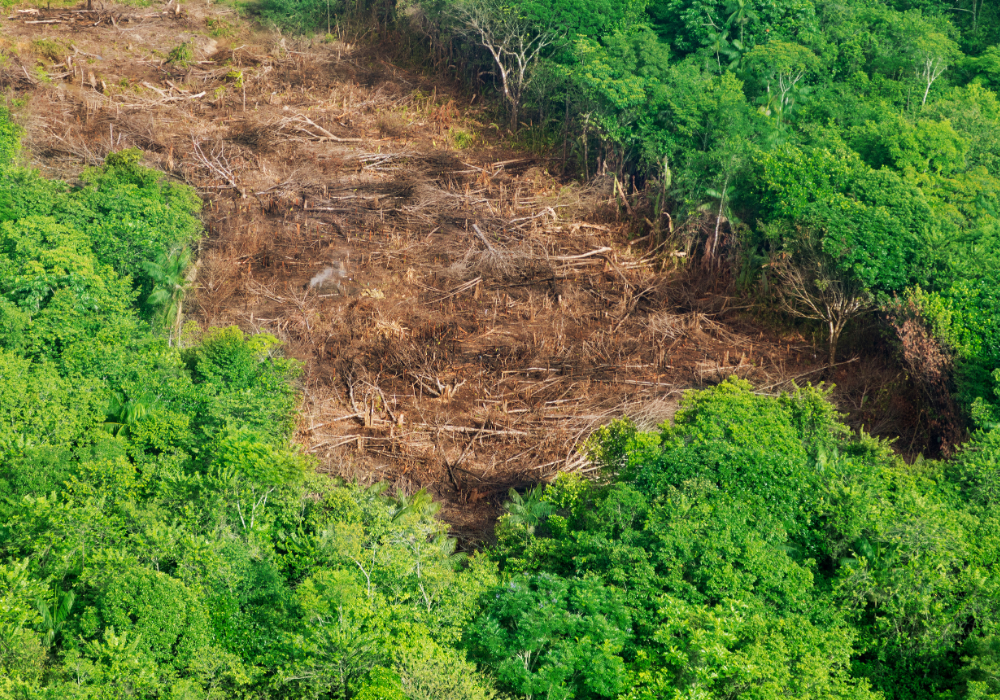
Every year, logging companies slice more than 20,000 miles of roads through the Amazon—enough to circle the entire planet. These roads don’t just cut through trees; they break up the forest into smaller, disconnected patches, leaving many animals stranded in shrinking habitats they can’t or won’t cross.
The damage doesn’t stop there. Roads invite trouble—hunters reach once-untouched areas, fires spread more easily, and the biggest threat of all is farming expansion. Studies show that 90% of Amazon deforestation happens within just three miles of a road. What starts as a logging path quickly turns into a highway for settlers, pushing deeper into the rainforest and wiping out even more wildlife.
9. Amphibians are disappearing before we even have a chance to discover them.
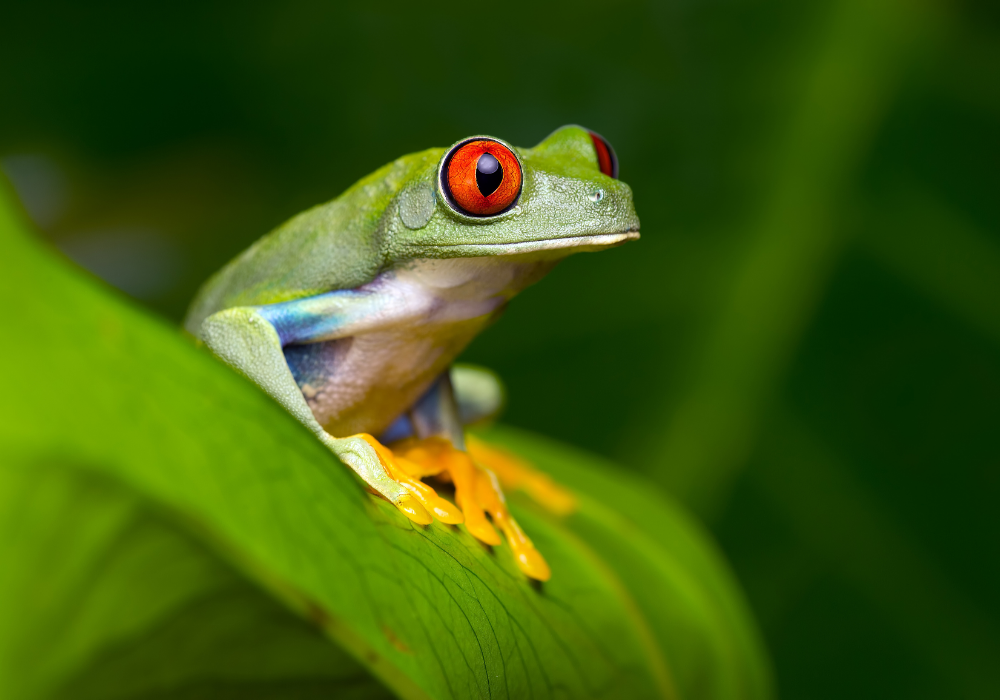
Frogs, toads, and salamanders are in serious trouble—almost a third of them are staring down extinction, mostly because their homes are getting wiped out. These little guys aren’t just cute; they’re incredibly sensitive, relying on just the right mix of temperature, humidity, and clean water to survive.
Lose the forest, and you lose them too. Amphibians keep insect populations in check and serve as snacks for birds, reptiles, and mammals. Even their skin is special—scientists study it for potential medicines. But without forests, the heat rises, the ground dries up, and suddenly, there’s nowhere left for them to thrive.
10. Big cats are running out of space, and there’s nowhere left to hide.
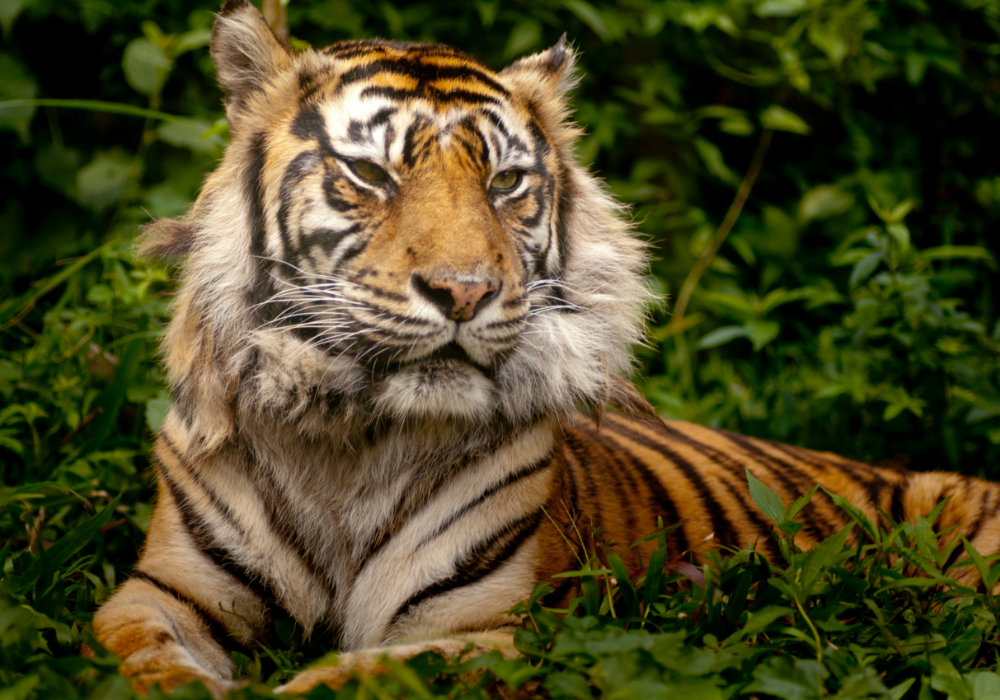
Big cats like jaguars, tigers, and leopards once ruled vast stretches of forest, but now they’re clinging to just scraps of their former territories. Habitat destruction has wiped out more than 85% of their space, and since these top predators need room to roam, shrinking forests put them at serious risk.
Without big cats keeping things in check, prey animals multiply, stripping vegetation and throwing the whole ecosystem off balance. Even protected areas aren’t big enough—young cats looking for new turf often wander too close to humans, where they face poachers, farmers, and roads that weren’t part of nature’s original design.
11. Thousands of species are vanishing each year, yet the destruction continues.
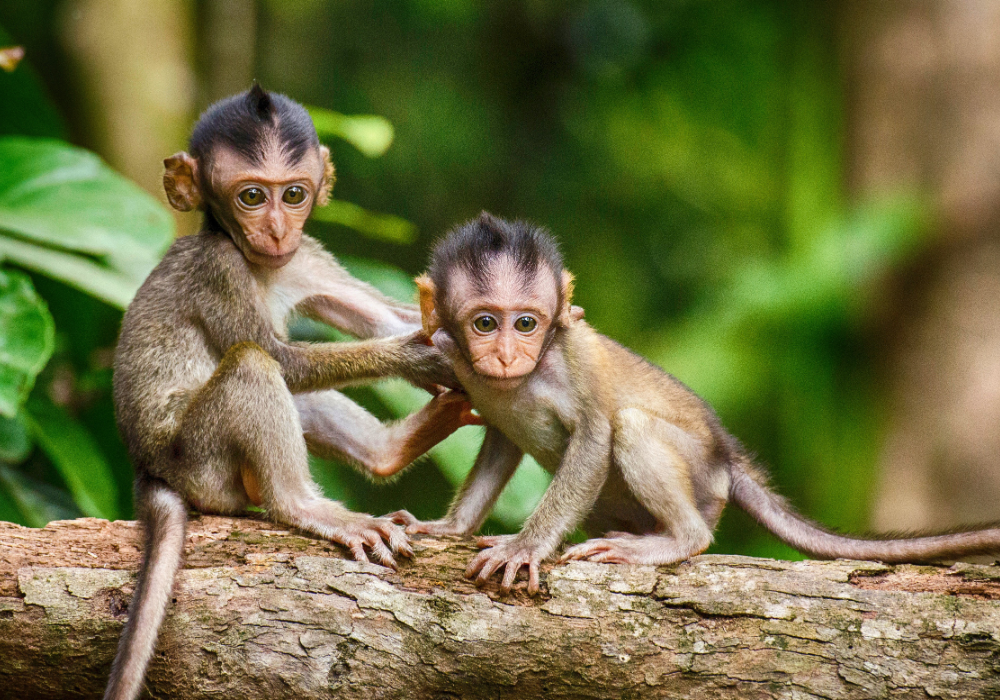
Each coming year, deforestation pushes thousands of species closer to extinction. Scientists can’t pinpoint exact numbers, but they do know this—species are disappearing 100 to 1,000 times faster than they should be, thanks to human activity. And once they’re gone, they’re gone for good.
Each lost species takes millions of years of evolution with it, along with potential medical breakthroughs we’ll never get back. About a quarter of today’s medicines came from rainforest plants and animals, yet we’ve barely scratched the surface—less than 1% of tropical species have been studied for their medical potential. A handful of people profit from deforestation, but the cost? A loss for the entire planet.