
War doesn’t just destroy cities—it leaves behind lasting scars on the planet’s most fragile ecosystems.
Most of us never think about how military operations affect the environment. Sure, we know about the human costs of war, but what about the land, water, and animals left behind? The American military operates worldwide, and their activities leave lasting marks on nature that rarely make the news.
From training grounds to old war zones, military presence changes landscapes in ways that stick around long after soldiers leave. The damage spreads through water, soil, and wildlife – often close to where people live. These environmental costs aren’t talked about much, but they’re part of the real price of keeping a global military presence.
1. Depleted uranium sticks around for basically forever.

When the military fires depleted uranium weapons, the damage lasts practically forever. These super-dense bullets and shells leave behind radioactive dust that gets into soil and stays there. According to Dahr Jamail for Al Jazeera, in Iraq, doctors have noticed more birth defects and cancers in places where these weapons were heavily used during both Gulf Wars. The scary part? This uranium has a half-life of 4.5 billion years – basically it’s there for good.
Rain washes uranium particles into groundwater, which farmers use for crops and people drink. Plants soak it up, animals eat those plants, and the poison climbs up the food chain. Even decades after fighting stops, this invisible killer keeps causing harm.
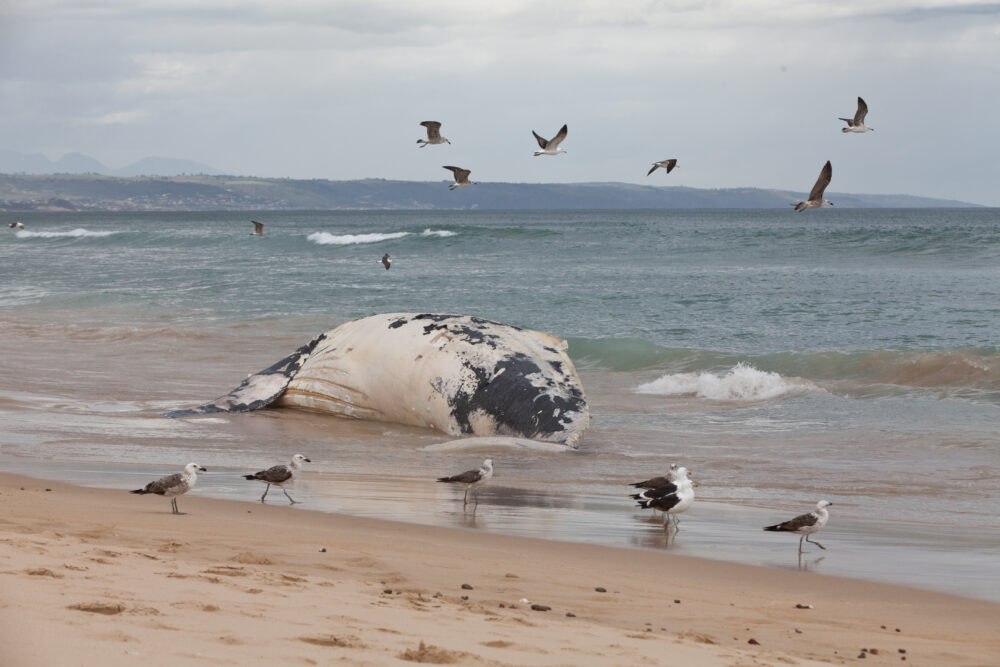
2. Navy sonar makes whales beach themselves in panic.

Navy sonar is so incredibly loud it literally hurts whales’ brains. These underwater sound blasts can reach 235 decibels – way louder than a rock concert or even a rocket launch. When whales and dolphins get caught in these sound waves, it messes with their ability to find food, mate, and navigate. Based on Rachel Ehrenberg’s article for Science News, scientists who examine beached whales often find bleeding around their brains and ears.
Sound travels about four times faster underwater than in air. After Navy exercises near the Bahamas in 2000, sixteen whales from four different species beached themselves and died. Similar mass strandings happened near Greece, the Canary Islands, and Madagascar – all right after naval exercises.
3. Old bombs and mines turn huge areas into no-go zones.
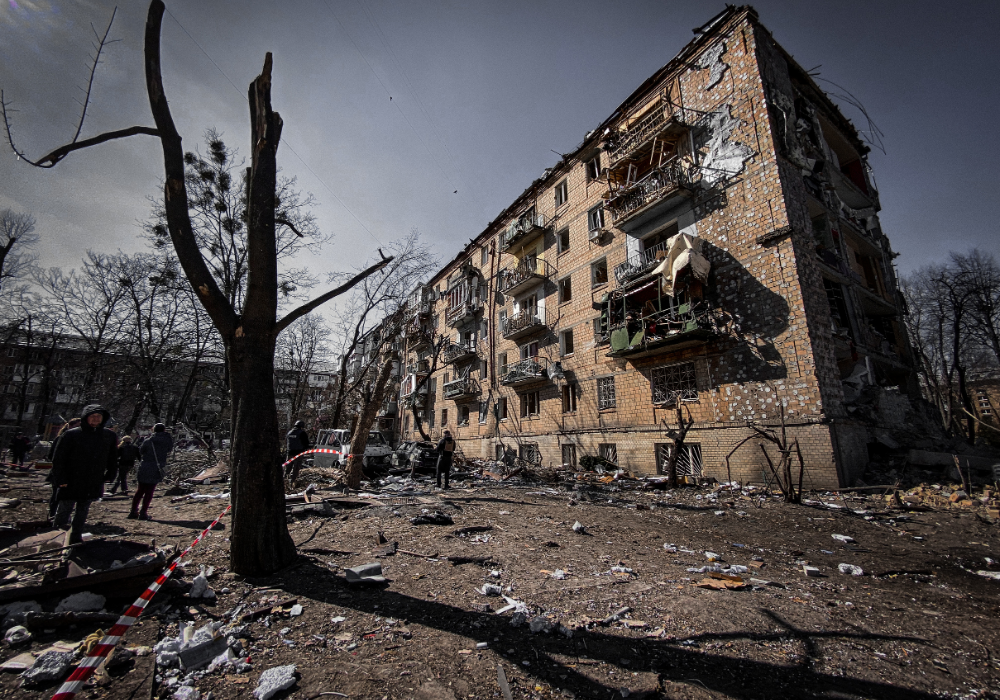
Ever wonder why there are huge areas you’re not allowed to enter decades after wars end? As noted by Andrea Mazzarino for The Nation, about 10% of bombs, landmines, and shells never explode when they’re supposed to. The Pentagon admits there are millions of these dangerous duds scattered across more than 2,000 current and former military sites, turning what could be wildlife habitat into no-go zones.
As these old munitions rust, they leak nasty chemicals like TNT and heavy metals into soil and groundwater. These toxins stick around for decades, poisoning plants and animals. Ironically, some dangerous areas have accidentally become wildlife sanctuaries since humans can’t develop them – rare birds now live among unexploded bombs.
4. Burning military trash creates toxic clouds that kill local wildlife.
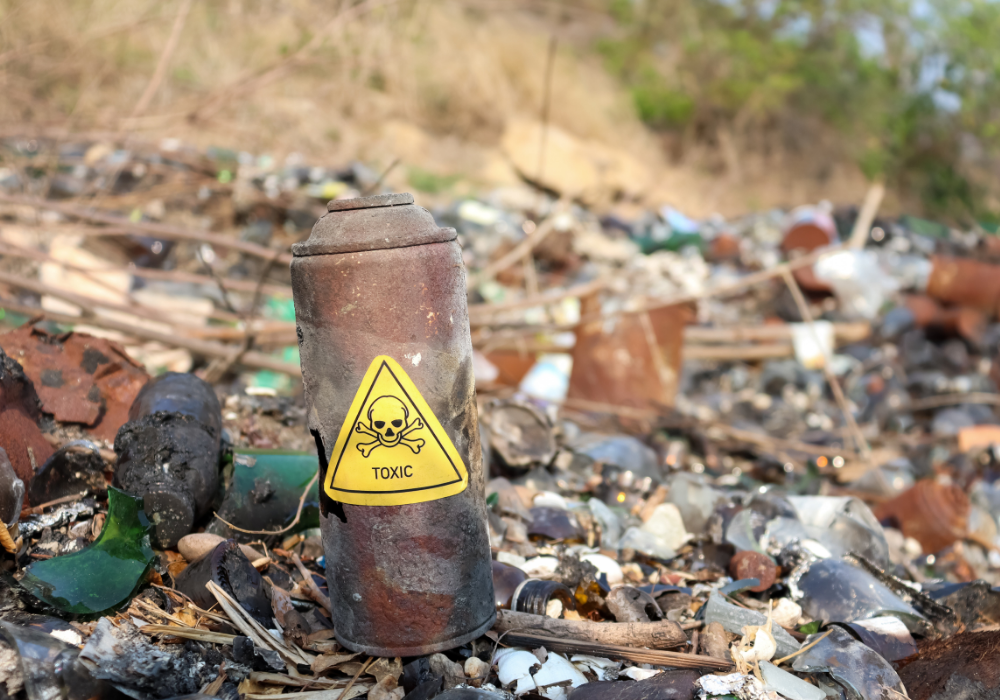
Remember those massive burn pits in Iraq and Afghanistan that made soldiers sick? They’re just as devastating for wildlife. The military used these giant open-air trash fires to dispose of everything – medical waste, electronics, vehicles, ammunition – you name it. These fires released a toxic cocktail of chemicals that settle on soil and plants for miles around.
Scientists found shocking effects on local environments. Bug populations – the ones that pollinate plants and feed birds – drop dramatically up to fifteen miles from large burn pits. Plants downwind show DNA damage and have trouble growing. The worst part? Many of these chemicals stay in the environment for decades after the military leaves.
5. Jet noise scares animals so badly they abandon their babies.

Have you ever been startled by a fighter jet roaring overhead? Now imagine being a nesting bird or a pregnant deer when that happens regularly. Military jets create noise that easily exceeds 120 decibels – painful to human ears and absolutely terrifying to wildlife. This isn’t just a momentary scare; it fundamentally disrupts animal behavior.
Researchers have found birds often abandon their nests and eggs during heavy military flight training. In Alaska, studies showed caribou having trouble reproducing when military exercises happened during calving season. Frogs and toads, already disappearing worldwide, get confused during mating season and stop their calling behavior when constantly interrupted by aircraft noise.
6. “Forever chemicals” from firefighting foam poison entire watersheds.

You might have heard about “forever chemicals” in non-stick pans. Well, military bases might be the biggest source of these in our environment. For decades, the Defense Department required using firefighting foam containing PFAS during training. Every major airfield has sprayed thousands of gallons directly into the ground. These chemicals never break down naturally and move easily through groundwater far beyond base boundaries.
The damage to wildlife is severe. Fish exposed to PFAS develop liver damage and can’t reproduce normally. Predators that eat these fish get even higher concentrations. At Michigan’s former Wurtsmith Air Force Base, contamination remains extreme decades later. The Pentagon has identified over 700 military sites with PFAS contamination, but cleanup might be impossible.
7. Military ships pulverize coral reefs during training exercises.

Those beautiful coral reefs in Hawaii and across the Pacific? Military training exercises are crushing them to bits. When warships and landing craft approach shorelines during amphibious assault training, their propellers and anchoring systems literally pulverize coral formations that took hundreds of years to grow. Training operations have destroyed acres of reef, wiping out homes for thousands of fish and marine creatures.
The damage goes beyond just the immediate impact zone. Coral reefs act like underwater nurseries where countless fish species reproduce and grow. The sediment stirred up during these operations smothers nearby corals, blocking sunlight and triggering bleaching. The military often underestimates how long recovery takes – most damaged reefs grow back extremely slowly, if at all.
8. Nuclear test sites create mutant wildlife for generations.

America’s nuclear testing program created real-life mutant wildlife that’s still affected today. At Nevada’s Nuclear Test Site, where the military detonated over 900 nuclear devices, scientists have found desert rodents with mutation rates 3-4 times higher than normal populations. These genetic abnormalities continue showing up in new generations born decades after the last bomb test.
The radioactive fallout spreads through the entire ecosystem. Plants absorb plutonium from the soil, animals eat those plants, and the radiation moves up the food chain. In the Marshall Islands, where dozens of hydrogen bombs were tested, coral reefs still contain radioactive sediments. Marine animals in these areas show higher cancer rates and struggle to reproduce successfully despite decades of recovery time.
9. Fuel leaks from old bases create toxic underground rivers.

Military bases need massive amounts of fuel, and the tanks storing it leak… a lot. When bases close, they leave behind an invisible toxic legacy that keeps spreading underground for decades. The Pentagon operated huge fuel storage systems at virtually every major installation, and aging tanks have created underground rivers of petroleum. At California’s former George Air Force Base, fuel contamination has spread more than four miles, poisoning nearby drinking wells and farmland.
These fuel plumes kill everything in their path. The tiny microorganisms in soil that plants depend on can’t survive in petroleum-soaked ground. When contamination reaches streams and ponds, it forms oily films that suffocate fish and other aquatic life.
10. Heavy metals from target practice poison the entire food chain.

Those military bombing ranges are poisoning much more than just the obvious craters they leave behind. Every bomb, artillery shell, and bullet fired spreads tiny particles of lead, copper, and other toxic metals across huge areas. These metals don’t stay on the surface – they sink into soil and gradually work their way through the entire ecosystem. Studies have found lead levels way beyond what’s considered safe for any living thing.
The poisoning moves up the food chain in a way that gets more concentrated at each step. Earthworms absorb these metals from soil, then birds eat the worms and get an even bigger dose. Researchers have found alarming evidence of predator populations showing signs of heavy metal poisoning after eating contaminated prey.