
Trump’s immigration raids could leave fruits, vegetables, and meat boxes bare—and prices soaring.
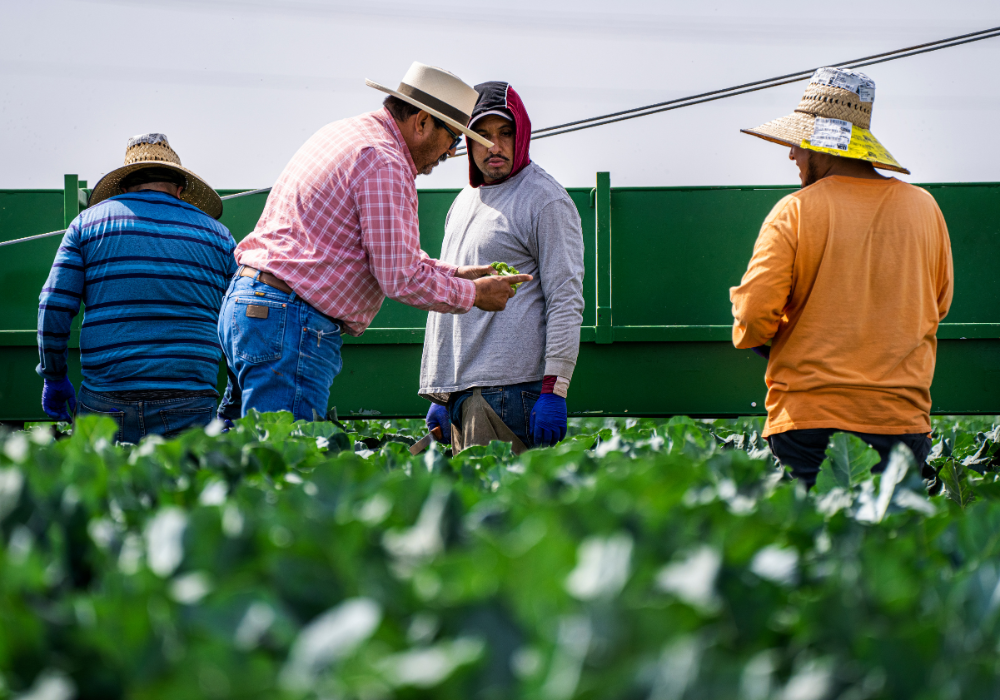
As Donald Trump revives promises of sweeping immigration crackdowns, America’s food supply may be heading toward a full-blown crisis. Immigrant labor—much of it undocumented—is the backbone of the U.S. agricultural system, handling everything from planting and harvesting to processing and packaging. Without these workers, farms can’t function, supply chains falter, and grocery store shelves begin to thin out. The fallout won’t just be empty bins in the produce section—it could mean skyrocketing food prices, spoiled crops, and economic turmoil for rural communities.
1. Deporting farmworkers will leave crops rotting in the fields.
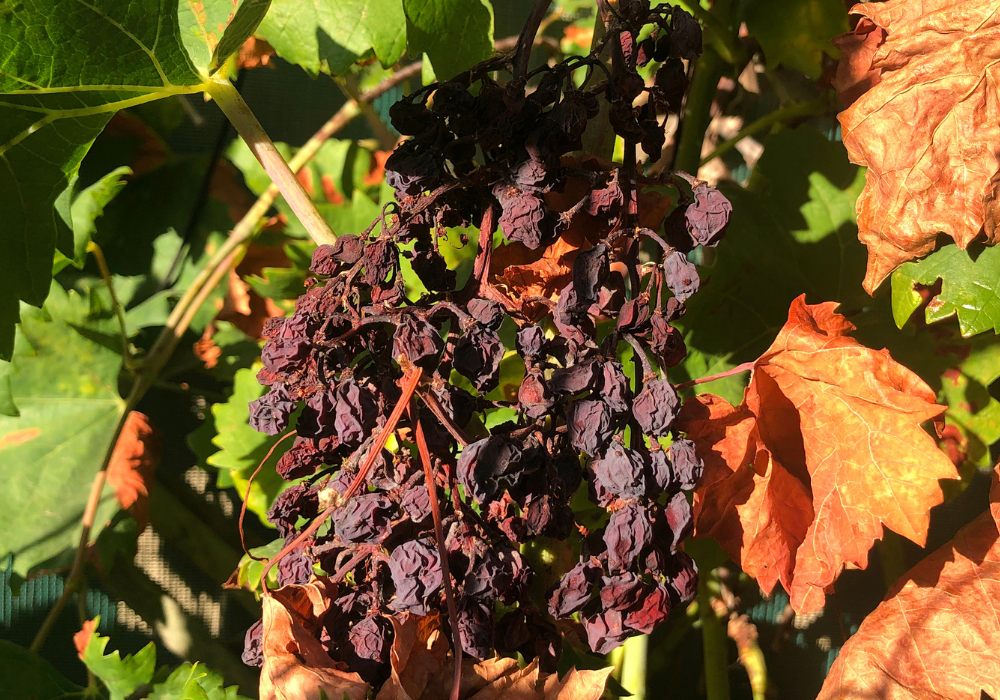
The vast majority of U.S. farm laborers are immigrants, and a large portion of them are undocumented. They perform grueling work—picking produce, pruning trees, harvesting vegetables—that most American citizens avoid. Without them, there simply aren’t enough hands to bring food from farm to table.
If deportations surge or fear drives workers away, crops will go unharvested. Farmers are already warning of labor shortages, and a widespread crackdown could turn that warning into reality. When produce goes unpicked, it’s not just a farm problem—it’s a food supply crisis that will hit your local grocery store fast and hard.
2. Food processing plants rely on immigrants to keep products moving.

After farmworkers, the next step in the supply chain is processing—turning livestock, grains, and produce into consumer-ready goods. Immigrants make up a significant part of this workforce too, often working long shifts in meatpacking plants and food factories. Without them, production slows or halts entirely.
A shortage of processing labor means fewer packaged goods, reduced shipments, and increased spoilage. That ripple effect hits retailers quickly, creating noticeable gaps in store inventory. With a labor force in crisis, shelves may empty faster than they can be restocked. Immigration crackdowns don’t just cut labor—they disrupt the entire food production machine.
3. Fewer delivery drivers and warehouse workers will jam supply chains.

Many immigrants also fill roles in food warehousing and transportation—jobs essential for keeping goods moving from farms and factories to stores. Crackdowns that reduce this labor force will clog an already fragile supply chain. Delays in moving perishable goods mean more spoilage, higher prices, and unpredictable inventory at your neighborhood market. Even a short-term disruption can cascade into empty shelves and consumer panic.
As recent supply shocks have shown, grocery systems are tightly wound. Losing the people who load trucks, stock pallets, and drive freight across the country creates a bottleneck that no automation can quickly fix.
4. Grocery prices will spike as supply falls and demand stays high.

When fewer workers harvest crops, process meat, or move goods, food becomes scarcer—and scarcer means more expensive. Basic economics kicks in: supply drops, but demand doesn’t. That price surge hits consumers at every level, especially lower-income families already struggling to afford groceries. Expect sticker shock not just on fresh produce, but also on staples like eggs, dairy, and bread.
Immigration policy may seem disconnected from your grocery bill, but they’re deeply intertwined. Trump’s crackdown could create a market shift where even middle-class families feel the squeeze in the checkout line. The cost of food could soon skyrocket.
5. Small and mid-sized farms will collapse without an immigrant workforce.

Big agriculture may find temporary solutions, but small family-run and mid-sized farms depend heavily on immigrant labor to survive. These operations don’t have the resources to automate or import expensive labor replacements. If immigration crackdowns gut their workforce, they’ll shut down—many for good. That doesn’t just mean lost jobs or local economic pain.
It also means a shrinking food supply, fewer local options, and more dependence on imported goods. These farms are part of the backbone of regional food networks. If they vanish, your grocery options will narrow, and prices will rise even further as availability dwindles.
6. Fear of deportation will drive essential workers underground or out of the country.

Even before raids begin, fear alone can empty job sites. Undocumented workers often flee areas where crackdowns are expected, leaving critical vacancies behind. Others go underground, avoiding public spaces or refusing to work in visible roles. That chilling effect leads to sudden labor shortages and production gaps.
It also creates instability for employers who can’t plan ahead. A functioning food system needs predictability—but fear makes everything volatile. By driving out the very people who make the system work, harsh immigration policies don’t just enforce laws—they destabilize entire industries. Fear, in this case, is enough to spark a crisis.
7. Restaurants and retailers will face shrinking inventories and higher costs.

It’s not just farms and processors feeling the strain—grocery stores, restaurants, and food distributors all suffer when upstream supply chains falter. If less food is available, retailers must compete for limited stock, often paying higher wholesale prices. Those costs get passed down to customers, resulting in pricier meals and leaner shelves. Independent grocers and restaurants are hit especially hard, lacking the buying power to compete with big chains.
This imbalance could wipe out small businesses and change the food landscape entirely. A crackdown on immigration doesn’t stay in the fields—it impacts the corner café and neighborhood store alike.
8. The loss of immigrant labor will worsen inflation across the food sector.

Food inflation is already a concern for American households, and immigration crackdowns threaten to make it worse. Without enough workers to keep farms, plants, and deliveries running smoothly, supply tightens and prices inflate. This isn’t speculation—it’s a pattern observed in past immigration enforcement waves. Every bottleneck in the food system adds costs that ripple outward.
Eggs, meat, vegetables—all affected. Inflation doesn’t need much fuel, and a shrinking labor force provides plenty. With consumers already feeling pressure at the register, Trump’s proposed immigration policies could light the match on another round of grocery store price hikes.
9. Labor shortages will derail harvest schedules and cause mass food waste.

Harvesting isn’t just about picking crops—it’s about timing. If fields aren’t harvested within a narrow window, produce spoils. Without enough labor, farmers must choose what to save and what to abandon. That leads to massive food waste and lost income. Perfectly good food is left to rot while grocery stores struggle to keep products on shelves.
This paradox—plenty of food, but no one to pick it—has already emerged during past labor disruptions. Immigration crackdowns could make it permanent. It’s not just wasteful; it’s deeply inefficient and economically damaging to both growers and consumers across the country.
10. Long-term labor gaps will make U.S. agriculture less competitive globally.
America relies on immigrant labor not just to survive—but to compete. Other nations with more stable agricultural systems and labor laws may step in to meet global demand if U.S. productivity drops. That means the U.S. could lose both domestic market share and export opportunities. Once lost, those markets are hard to regain.
This erosion of competitiveness can have lasting economic impacts, weakening rural economies and pushing food prices even higher. Trump’s immigration crackdown could do more than destabilize grocery shelves—it could permanently damage America’s standing in the global food economy and make imports a long-term necessity.
11. The food system’s dependency on immigrant labor can no longer be ignored.

For decades, politicians have sidestepped the uncomfortable truth: America’s food system runs on the backs of immigrants—many undocumented. These workers aren’t just laborers; they’re essential to every link in the supply chain. Trump’s crackdown threatens to expose that vulnerability in the harshest way possible. As policies tighten, the cracks will become chasms, leading to chaos in stores and strain on families.
Rather than deny the reality, it’s time to confront it: our grocery stores, our prices, and our meals depend on people immigration policy often overlooks. Ignoring that truth could come with a steep and immediate cost.