
America’s climate goals just got harder to reach with these policy pullbacks.

The EPA’s recent proposal to ease emissions limits for fossil fuel power plants marks a pivotal moment for U.S. climate action. It’s the kind of policy change that doesn’t just make headlines—it makes you stop and wonder what future we’re steering toward. Maybe you thought we’d passed the point of rolling back environmental protections, or at least slowed that trend.
But just when it seemed like progress had a foothold, the rules around power plant emissions got a major rewrite. You deserve to know what’s really going on behind the political spin and what this means for the climate conversation moving forward. Because this isn’t just policy—it’s personal.
1. Rollbacks Ease Pollution Limits on Power Plants
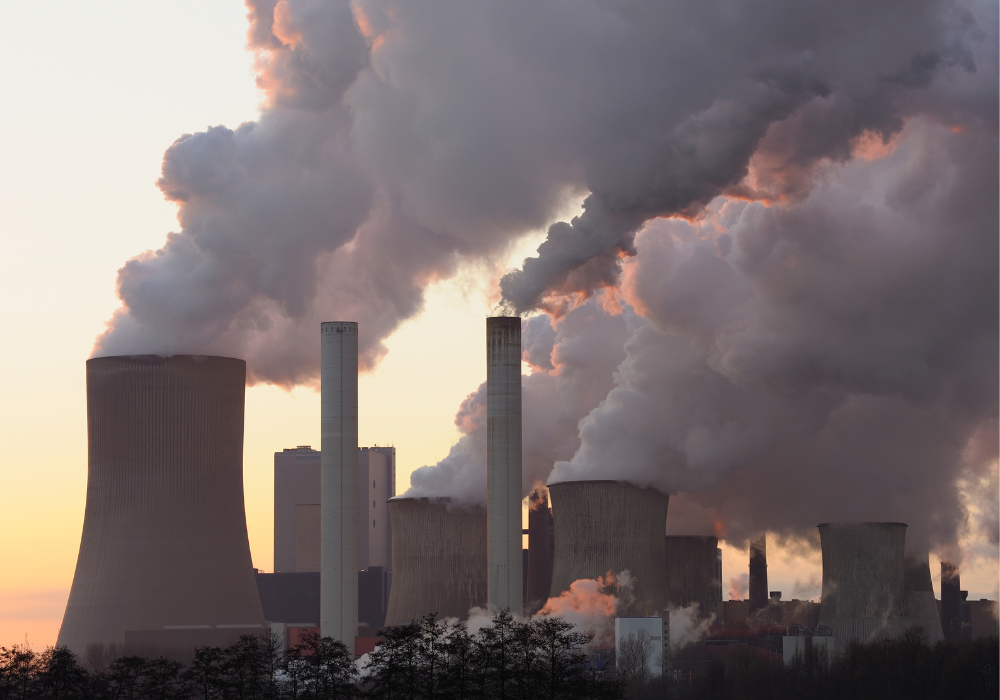
The EPA’s proposed rollback means coal and natural gas power plants could operate under less stringent emissions controls, reversing years of progress toward cleaner air. These facilities are among the largest sources of greenhouse gases and toxic pollutants like sulfur dioxide, mercury, and particulate matter.
Lifting or relaxing strict emissions caps could extend the working lives of older, dirtier plants, resulting in more pollution released into local air and water systems. This move doesn’t just affect CO₂ emissions; it also directly impacts public health and regional air quality for millions of Americans.
Communities near these plants are likely to feel the effects first, in the form of increased smog and respiratory problems.
2. The U.S. Climate Targets Face Increased Risk

Weakening power plant regulations directly challenges the United States’ ability to meet its climate pledges. Under the Paris Agreement and updated national plans, the U.S. committed to dramatic emissions cuts in the coming years—a goal reliant on reductions from the power sector.
Easing these restrictions could result in higher overall carbon emissions, pushing America further from these targets. This makes the gap between where the nation is, and where it must be, even harder to close.
As scientists warn about the shrinking timeline to act on climate change, such federal rollbacks risk reversing momentum gained through renewable energy growth and prior policy gains, jeopardizing critical deadlines for emissions reductions.
3. Responsibility Shifts More to States

With federal oversight scaled back, the onus now falls to individual states to uphold or strengthen pollution limits. Progressive states with established clean energy goals may choose to implement their own strict regulations.
However, states with fewer resources or less political will might not bridge the gap, resulting in uneven protections nationwide. This patchwork approach creates inequity; some communities benefit from ambitious climate action while others are left vulnerable to higher emissions and poorer health outcomes.
The rollback amplifies differences in state leadership, environmental investment, and clean energy adoption, making local elections and advocacy even more influential in shaping regional climate outcomes.
4. Uncertainty May Slow Clean Energy Investments
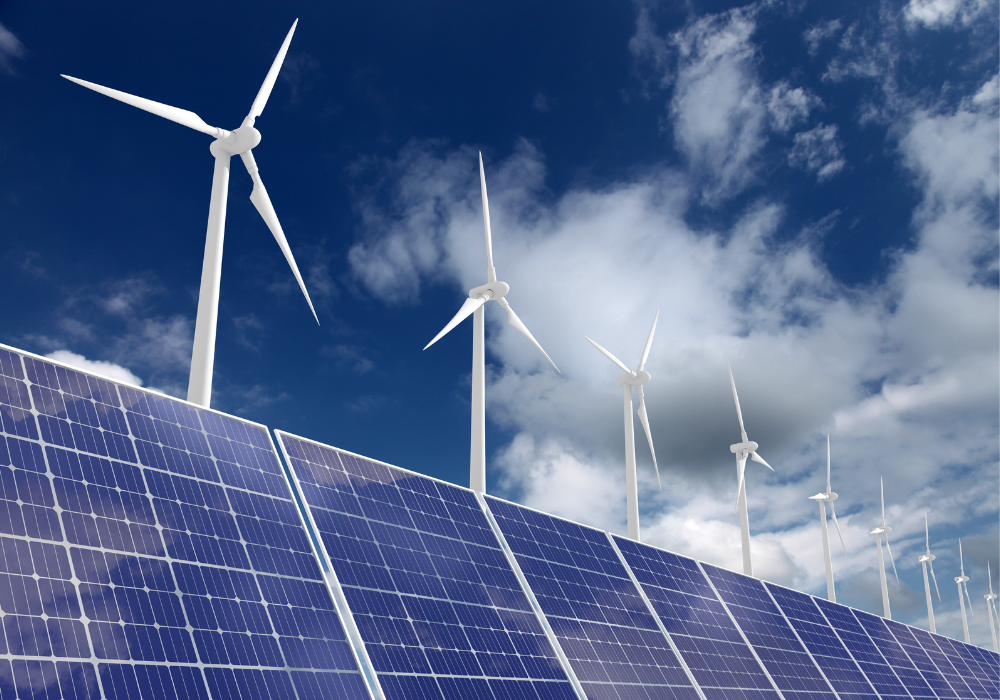
Stable, predictable policies are crucial for investors and developers to plan new wind, solar, and storage projects. When federal regulations swing dramatically, they introduce risk and uncertainty into the clean energy market.
This can lead to delayed decisions, canceled projects, or reallocated funding toward less ambitious ventures. Such instability undermines confidence in the long-term growth of renewables and may prop up aging fossil fuel infrastructure.
Manufacturers, utilities, and technology companies look for signals from government to guide investments; regulatory rollbacks tell the market there’s less urgency to innovate, potentially slowing the pace of the clean energy transition that is vital for future climate stability.
5. Local Public Health Could Be Compromised

Power plants don’t just emit greenhouse gases; they release pollutants tied to asthma, heart disease, and other serious health conditions. Looser emissions rules can mean that more particulate matter, nitrogen oxides, and hazardous air pollutants end up in the air—especially in communities situated closest to power plants.
These areas are often home to low-income families and communities of color already bearing a disproportionate environmental burden. The rollback could worsen existing public health inequities, leading to more emergency room visits, school absences, and healthcare costs.
Strong national standards are key to protecting vulnerable populations and ensuring everyone benefits from cleaner, safer air.
6. U.S. Risks Losing Global Climate Leadership
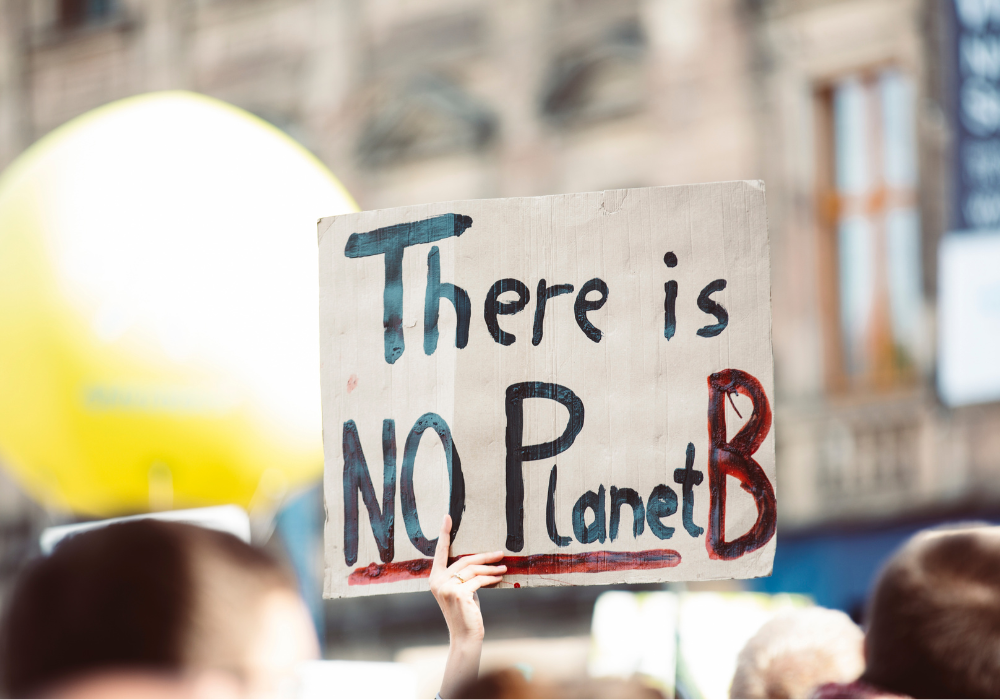
America has historically been a leader in international climate initiatives, often pushing for stronger global agreements. Rolling back domestic climate regulations sends mixed messages to the world, reducing trust and potentially weakening global resolve to address the climate crisis.
Other countries may hesitate to strengthen their own commitments if the U.S. appears to retreat on environmental stewardship. Maintaining global leadership requires consistency; regulatory u-turns can make it harder to advocate for higher standards abroad.
This policy shift not only affects the environment domestically but also undermines America’s credibility and negotiating power in future climate talks and cooperative efforts.
7. Political Polarization Grows Around Climate Action
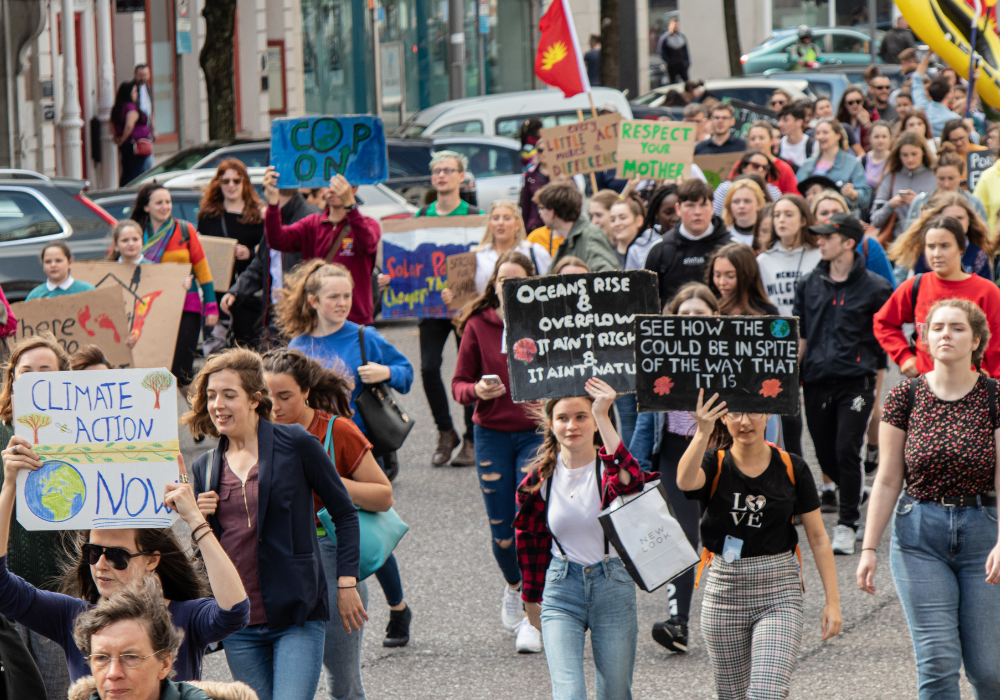
Climate policy has increasingly become a battleground for political ideologies. The EPA’s rollback of power plant rules is likely to intensify existing divisions between those advocating rapid climate action and those prioritizing energy industry interests.
Such polarization makes bipartisan solutions more difficult and can slow practical progress. It also raises the stakes in federal and state elections, as candidates’ stances on energy and environmental policy become even more defining.
Instead of fostering common-ground action, these moves can deepen distrust, drive misinformation, and keep urgently needed climate and health solutions gridlocked in legislative stalemates.
8. Energy Producers Face Policy Uncertainty

Frequent shifts in regulatory direction lead to confusion in the energy sector. Utilities and power producers often make investments that last decades, so unclear future standards make it harder to justify retiring coal plants or investing in clean infrastructure.
This uncertainty can result in delayed modernization, maintenance of older, more polluting systems, and cautious approaches to grid upgrades or innovation. Reliable long-term regulation is essential for transforming the energy sector; ongoing whiplash creates financial and operational risks that slow progress.
Clear policy direction empowers companies to commit to big clean energy projects and workforce training for the future.
9. There Are Actions Communities Can Take

Despite this federal setback, communities and individuals can still drive climate action. Advocating for stronger state and local clean energy standards is vital, as is participating in EPA public comment periods to push for health-protective regulations.
Homeowners, businesses, and local governments can accelerate the shift to renewables by investing in solar, wind, and energy efficiency upgrades. Public awareness campaigns, partnerships with local organizations, and engagement with policymakers help keep environmental justice and public health at the forefront.
By working together, communities can build momentum for sustainable change and help bridge gaps left by rollbacks at the national level.