
Your morning coffee and that cargo ship could be pushing animals to the brink.
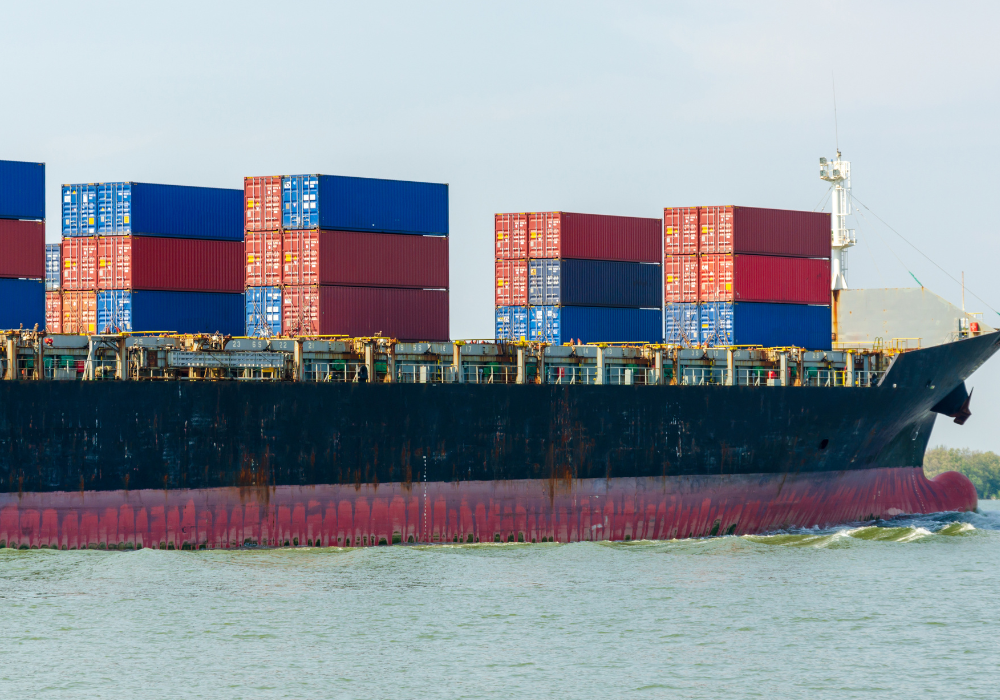
You probably don’t notice it, but the world is getting quieter—literally. Frogs, birds, bees, and thousands of other creatures are vanishing, and it’s not always because of bulldozers or poachers. The real culprits? A warming planet and the relentless pace of global trade. What you buy, how it’s shipped, and where it’s grown all play a part in pushing species closer to the edge.
This isn’t just about “saving the whales”—it’s about the slow collapse of ecosystems we all depend on. The saddest part? It’s happening in plain sight, and most people have no clue. These 11 hidden drivers of extinction are linked to our everyday climate and trade habits—and once you see them, you can’t unsee them.
1. Global shipping lanes are turning oceans into danger zones for marine life.
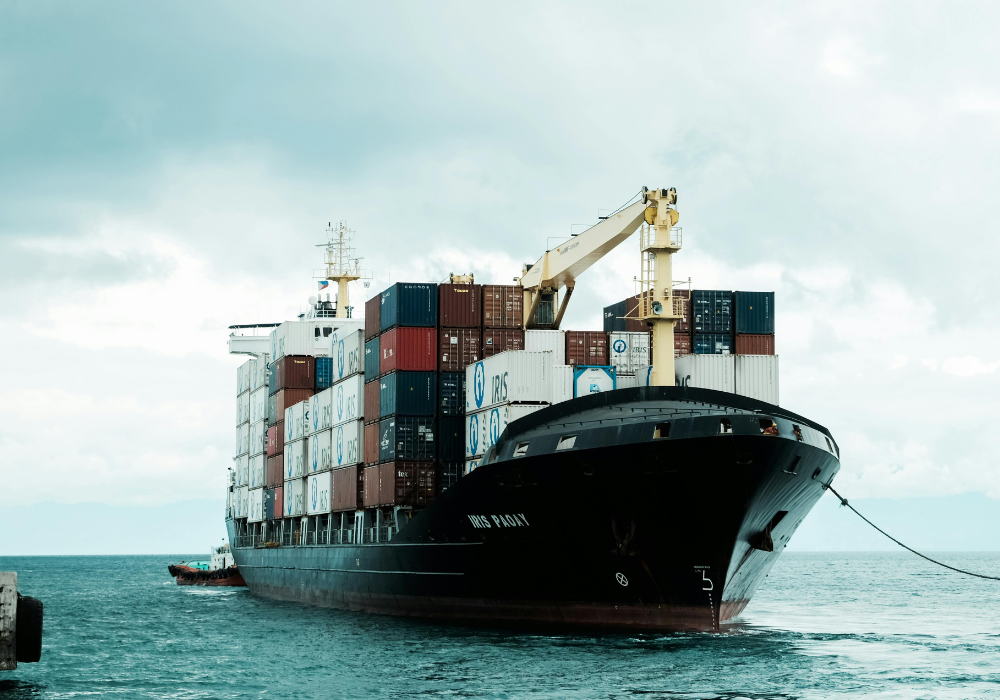
You might not think twice about that cargo ship carrying your sneakers from Asia, but marine life sure does. The world’s busiest shipping routes cut straight through critical habitats for whales, dolphins, and sea turtles. The underwater noise pollution messes with animal communication, while collisions with massive ships kill thousands of large sea creatures each year.
Add in oil leaks and ballast water dumping that spreads invasive species, and you’ve got a slow-moving ecological disaster. Trade routes weren’t designed with nature in mind, but their impact is anything but invisible. Our oceans are being treated like highways, and the traffic is deadly.
2. Deforestation for global commodities is wiping out key habitats.
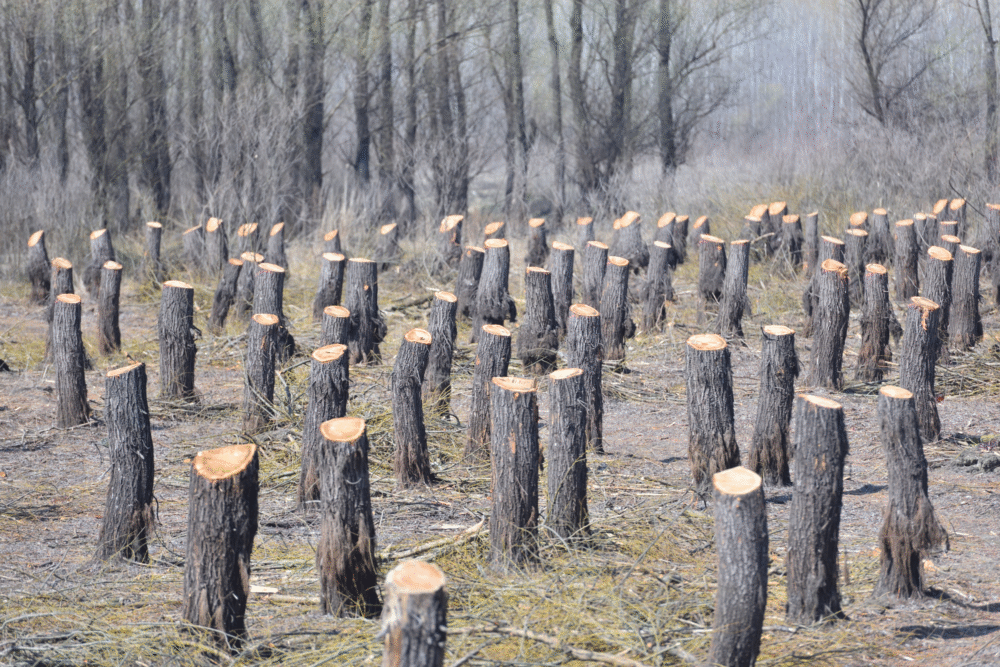
Your morning coffee, burger, or chocolate bar might be fueling deforestation thousands of miles away. Rainforests are being cleared at alarming rates to make room for soy, palm oil, and cattle farming—most of which is destined for international markets. This doesn’t just reduce green space; it destroys the only home countless species have ever known. Orangutans, jaguars, and exotic birds don’t just “move somewhere else”—they often die trying.
Even small-scale farmers get pushed out by giant agribusinesses. And once that ecosystem is gone, it’s gone for good. We’re trading biodiversity for short-term profit—and it’s a losing deal for life on Earth.
3. Climate change is making once-safe habitats completely unlivable.
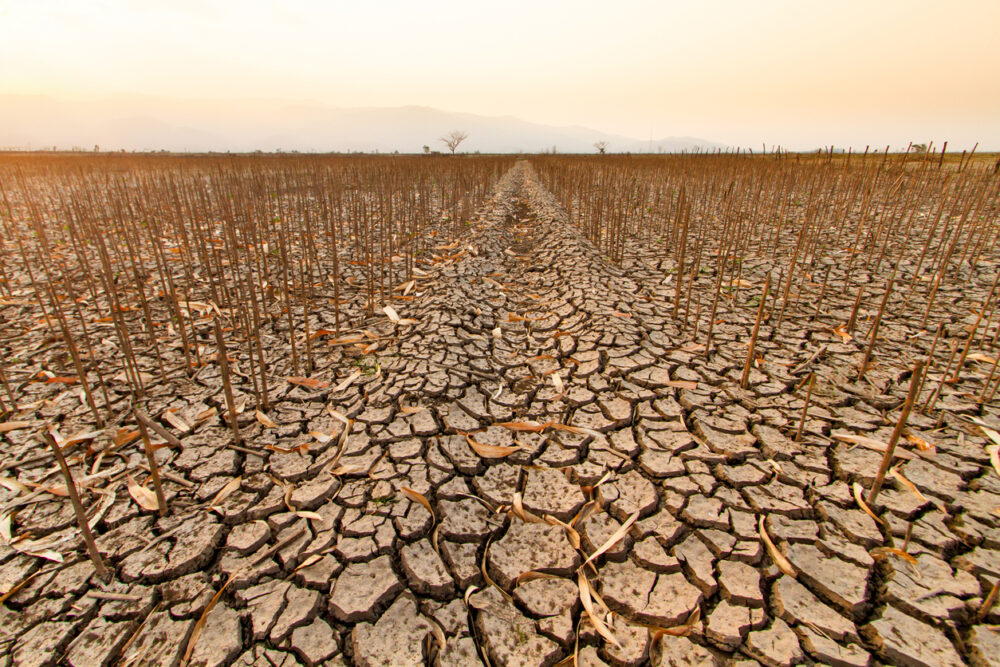
Imagine if your cozy home suddenly became a furnace or a freezer. That’s exactly what’s happening to animals as rising global temperatures push ecosystems beyond their limits. Alpine species are running out of “uphill” to escape the heat. Coral reefs are bleaching out. Amphibians can’t survive dried-up wetlands. And it’s not just about the heat—it’s about timing.
Pollinators and flowering plants are falling out of sync, breaking food chains in the process. Climate change doesn’t just raise temperatures—it scrambles the conditions species depend on. For millions of animals and plants, it’s becoming impossible to adapt fast enough to survive.
4. Pesticide use tied to industrial farming is killing vital insects.
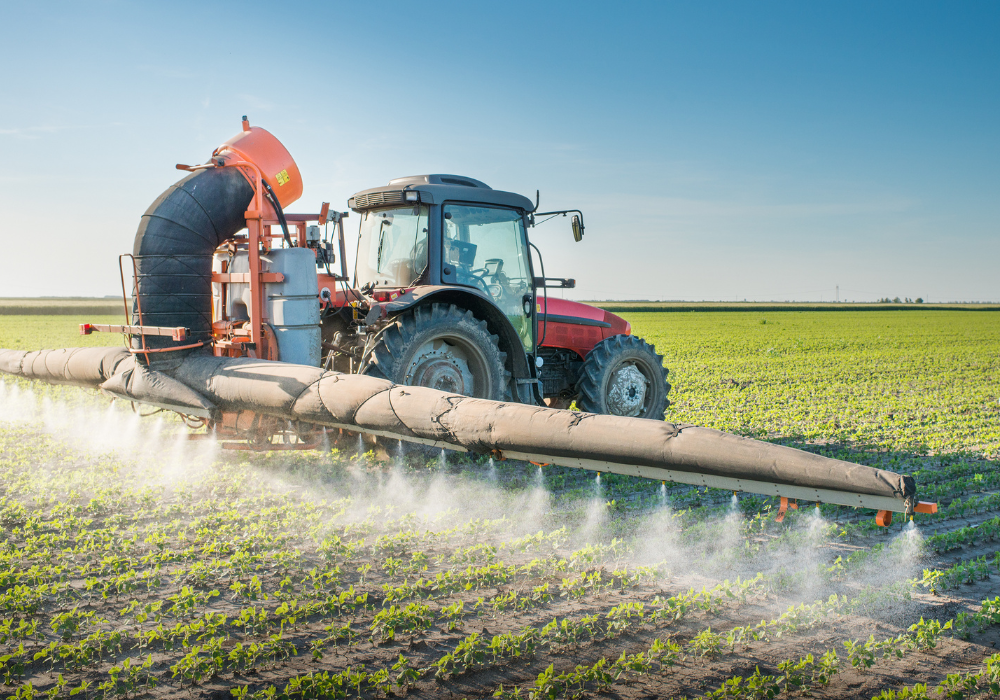
You’d be shocked how much your diet relies on bugs. But industrial farming, driven by global food demand, uses pesticides that wipe out more than just pests. Bees, butterflies, and other pollinators are dropping in numbers worldwide—many on the brink of extinction. These chemicals also poison soil and water, taking out earthworms and aquatic insects vital to food chains. The irony? We’re destroying the very species that keep crops alive in the first place.
It’s all part of a system that prioritizes mass yield and international shipping over ecosystem health. Fewer bugs might sound nice—until you realize they’re the foundation of life.
5. Climate-driven wildfires are erasing entire ecosystems overnight.
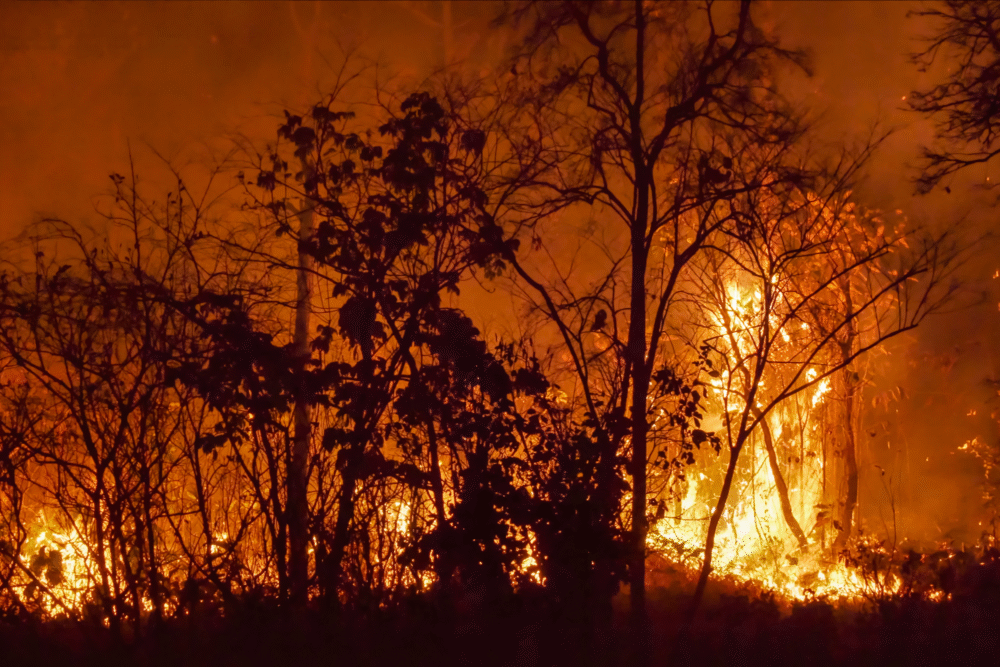
Wildfires have always existed, but climate change is turning them into monsters. Hotter temperatures, drier air, and more frequent lightning strikes create the perfect storm. And when they hit, they don’t just burn trees—they erase entire habitats.
Koalas, owls, and countless small mammals can’t outrun the flames. Some forests don’t regenerate for decades—if at all. What’s worse, these fires release even more carbon, creating a vicious feedback loop. And while many of these blazes start locally, the changing global climate is what’s fueling their ferocity. It’s not just bad luck. It’s a new normal—and many species simply won’t survive it.
6. International wildlife trade is spreading deadly new diseases.
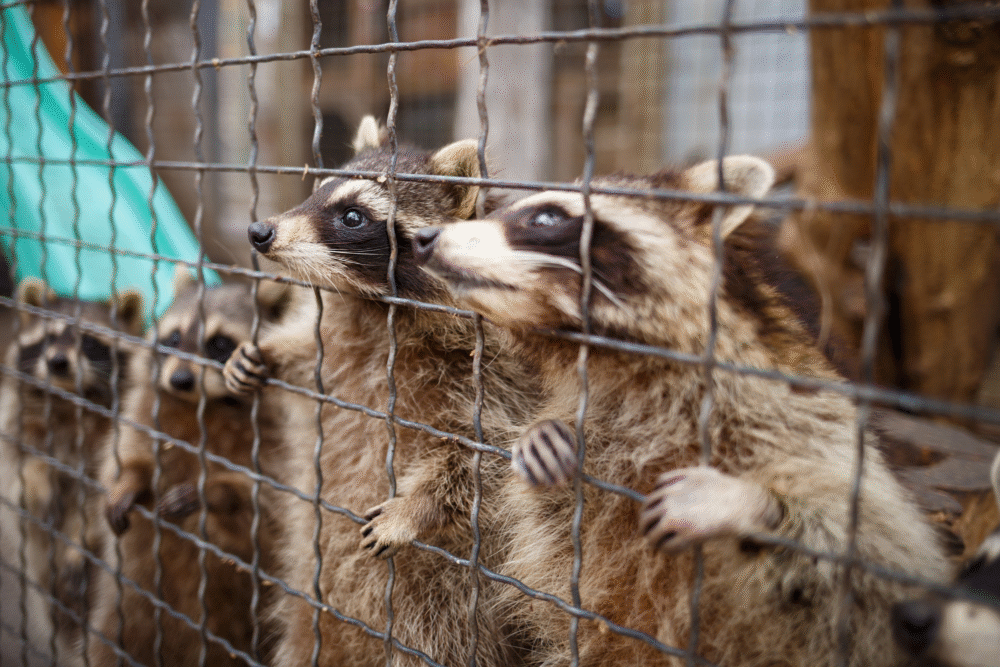
It’s not just the illegal pet trade or exotic souvenirs causing harm—the global movement of animals spreads dangerous pathogens, too. Species that were never meant to cross paths suddenly do, often in crowded markets or cramped shipping containers. These interactions introduce new viruses and bacteria into wild populations, devastating animals that have no immunity. Amphibians around the world are being wiped out by chytrid fungus.
Birds are battling avian flu strains. All of it traces back to human handling, transport, and demand. And as trade grows, so does the risk. What starts as a souvenir purchase can spark an extinction event.
7. Ocean warming is collapsing entire marine food webs.
You’ve probably heard about coral bleaching, but the bigger crisis is the chain reaction it sets off. Warmer oceans change the behavior and location of plankton, which are the base of the marine food chain. When plankton shift, fish populations crash. That affects seabirds, seals, whales, and ultimately humans who depend on the sea for protein.
It’s like pulling out a Jenga block from the bottom row—everything above it gets wobbly. And this isn’t just happening near the equator. Fisheries in colder regions are seeing sudden drops in catch. The ocean is being cooked from the bottom up, and no one’s prepared.
8. Invasive species are hitching rides through global trade routes.
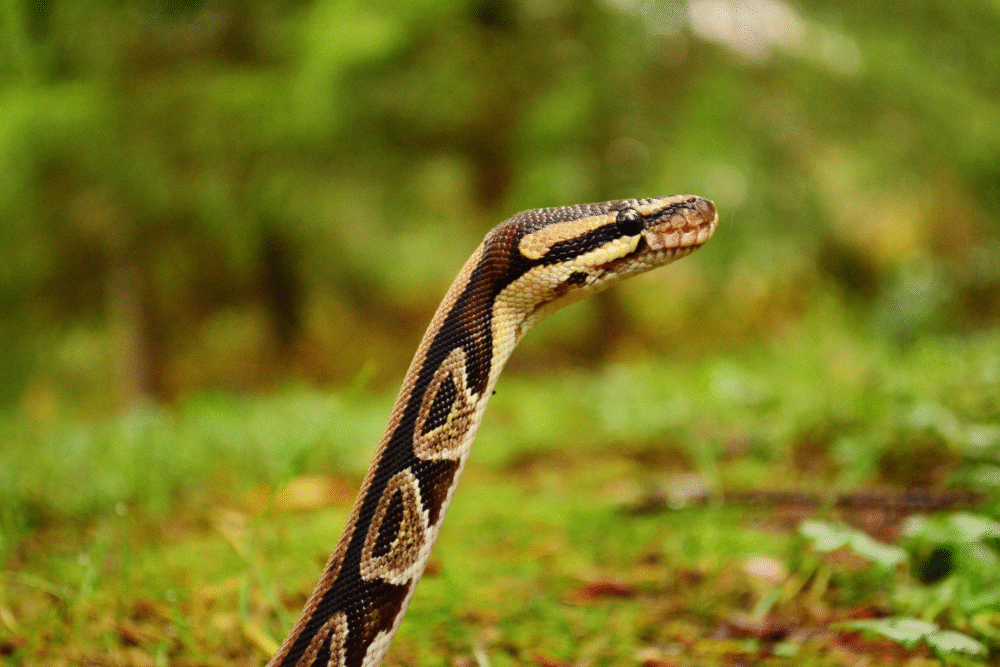
It used to take centuries for species to move across continents. Now it takes days. Thanks to global shipping, invasive species hop from one port to another in ballast water, shipping containers, or even wooden crates. And when they arrive, they often outcompete native wildlife, spreading fast and overwhelming fragile ecosystems. Think zebra mussels in the Great Lakes or Burmese pythons in the Florida Everglades.
These uninvited guests wreak havoc, and most countries are scrambling to catch up. It’s a biodiversity crisis hiding inside global commerce. Trade connects us all—but it also connects our ecological problems.
9. Climate change is scrambling animal migration patterns.
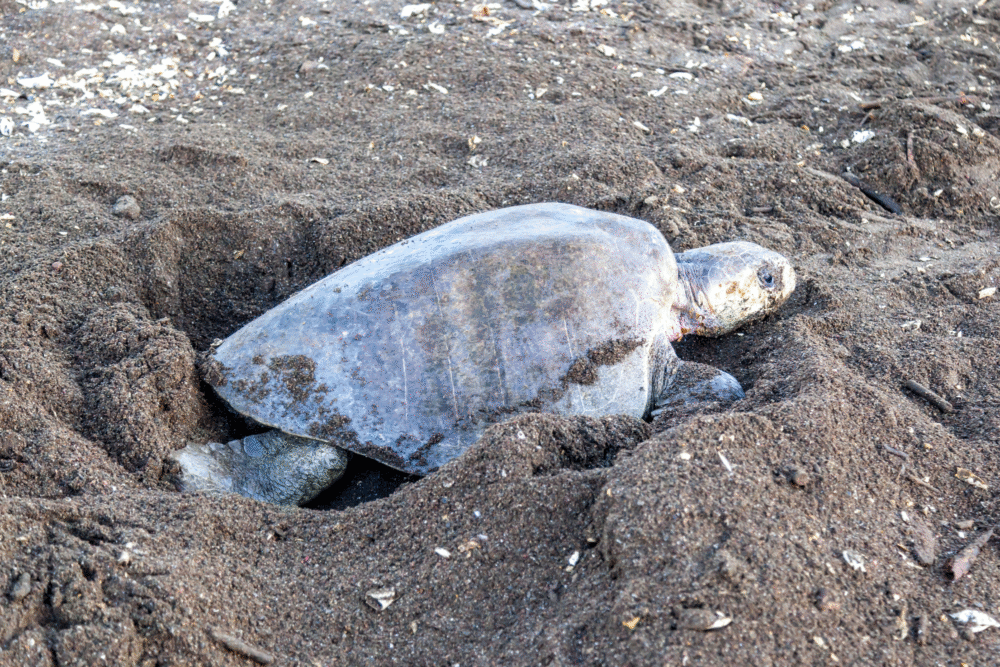
Animals don’t carry maps, but they do follow ancient migration paths shaped by climate and food availability. When temperatures change or seasons shift unpredictably, these patterns fall apart. Birds arrive at breeding grounds before food is available. Caribou miss the window for calving. Sea turtles lay eggs in sand that’s too hot to incubate.
These aren’t minor hiccups—they’re survival-breaking disruptions. Climate-driven migration chaos breaks mating cycles, fragments populations, and weakens resilience. It’s like someone rearranged all the traffic signs, and now no one knows where to go. And it’s not just birds or mammals. Insects and fish are just as affected.
10. Global demand for rare resources is destroying unique species’ homes.
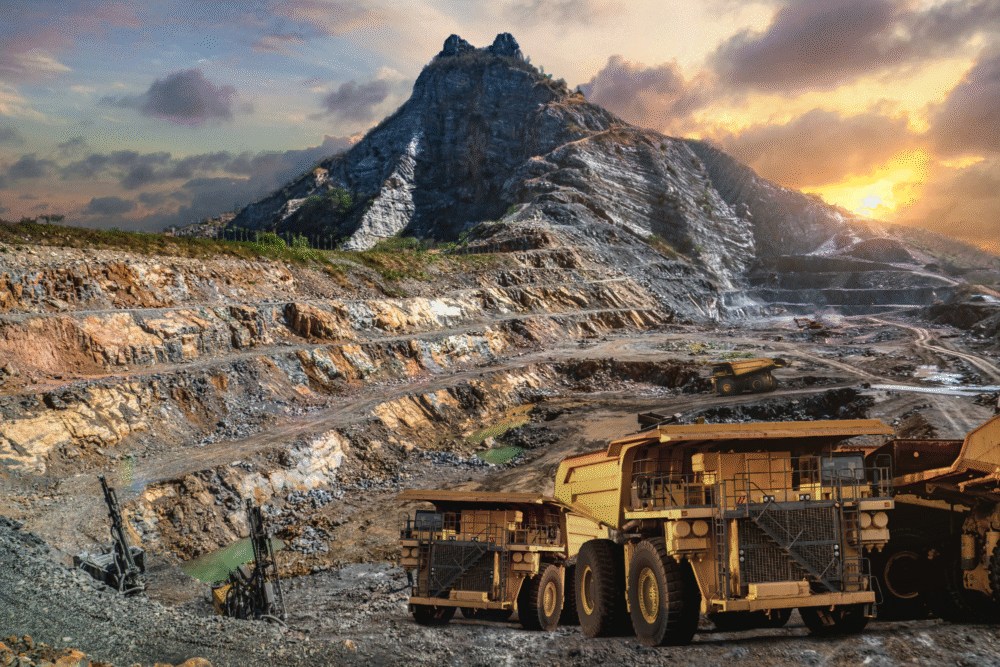
That smartphone in your pocket may contain rare metals mined from tropical forests or mountain ranges that once sheltered endangered species. From lithium and cobalt to gold and tantalum, global demand for tech and luxury goods is driving strip mining in some of the world’s most fragile ecosystems. Roads are carved into untouched landscapes. Poison seeps into rivers. Noise and light pollution scare away sensitive species.
The extraction is dirty, and the consequences often irreversible. So while the tech boom powers progress, it also accelerates extinction in places most people will never see—or think about. The cost? It’s way more than dollars.
11. Agricultural expansion is squeezing species into extinction-level corners.
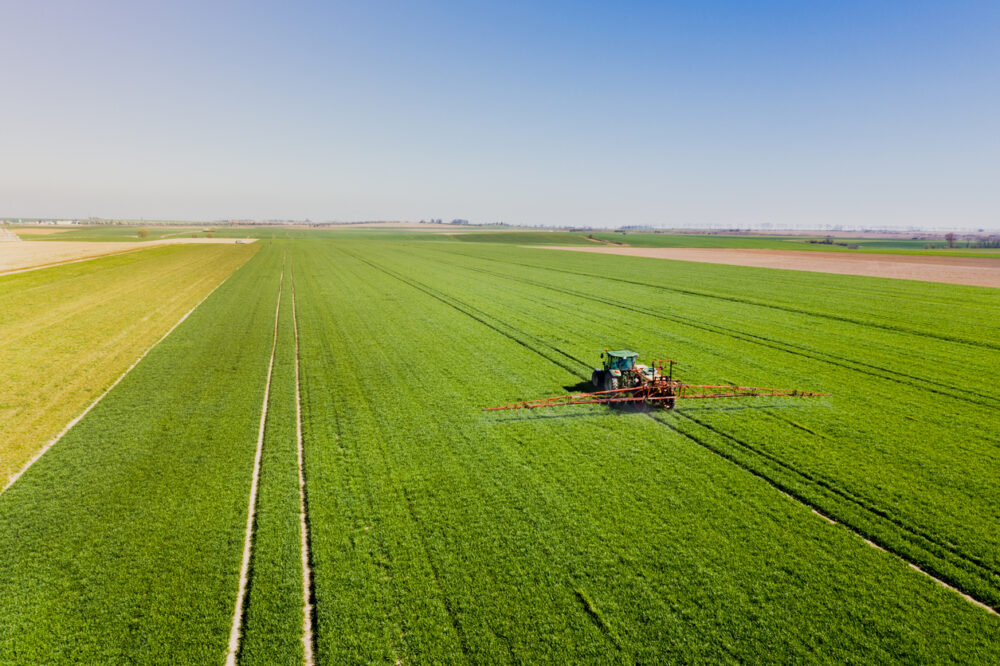
As diets shift and populations grow, the demand for meat, dairy, and processed crops explodes. That pressure pushes farmers and corporations to convert wildlands into fields and feedlots. Animals like pangolins, wolves, and elephants suddenly find themselves surrounded by fences, roads, and machines—with nowhere to go.
Conflict with humans rises. Some are hunted. Others starve. The genetic diversity that once made ecosystems resilient is being bulldozed in favor of monocultures. It’s not just about land use—it’s about crowding nature out of its last corners. And this isn’t just happening in distant countries. It’s playing out in backyards everywhere. Quietly, but devastatingly.