
Chasing balance instead of burnout is the new success.

Millennials grew up hearing that hard work guarantees success, but for many, the reality has been exhaustion, anxiety, and a never-ending grind. Hustle culture once glorified overworking, but after years of burnout, financial instability, and mental health struggles, they’re rewriting the rules.
Instead of living to work, they’re prioritizing habits that promote well-being, happiness, and sustainability. This shift isn’t about laziness—it’s about recognizing that constant productivity at the expense of health isn’t a badge of honor. These 13 self-care habits are replacing hustle culture, proving that taking care of yourself is just as important as chasing career goals.
1. Rest is no longer a reward—it’s a necessity.

For years, getting by on minimal sleep was seen as a sign of dedication. Now, millennials are realizing that chronic exhaustion isn’t something to brag about. Prioritizing sleep is one of the biggest ways they’re rejecting hustle culture, according to Robin Donovan for the Seattle Times.
Eight-hour nights, midday naps, and setting firm boundaries around work hours are becoming the norm. Rest isn’t just about avoiding burnout—it’s about improving focus, creativity, and overall health. By making sleep non-negotiable, they’re proving that rest and productivity go hand in hand.
2. Setting boundaries at work is a form of self-care.

The pressure to be constantly available has led to a culture of overwork, but more people are reclaiming their time by setting clear limits with employers. Work-life balance isn’t just a buzzword—it’s essential for long-term happiness.
As reported by Kieran Howells for HR Grapevine turning off notifications after hours, refusing unpaid overtime, and using PTO without guilt are all ways millennials are pushing back against toxic productivity. Saying no to unrealistic workloads doesn’t mean they lack ambition—it means they recognize their value and won’t sacrifice well-being.
3. Mental health is just as important as physical health.

Therapy, meditation, and mindfulness are no longer considered luxuries—they’re necessities. Millennials have been instrumental in breaking the stigma around mental health and are actively prioritizing emotional well-being, per Jenny Marie for National Alliance on Mental Health.
Regular therapy sessions, journaling, and daily check-ins help them manage stress and anxiety. Instead of pushing through mental exhaustion, they’re learning to rest, reflect, and ask for help when needed.
4. Minimalism is replacing overconsumption.

The “grind” used to mean working endlessly to afford more—more clothes, more tech, more status symbols. Now, many millennials are shifting toward minimalism, realizing that owning less can actually bring more peace.
Decluttering, choosing quality over quantity, and embracing a mindset of “enough” help reduce stress and financial strain. Less clutter means fewer distractions, making room for what truly matters.
5. Digital detoxes are becoming part of daily routines.

Constant connectivity has turned into a source of stress, and millennials are reclaiming their time by unplugging. Social media breaks, screen-free mornings, and tech-free Sundays are becoming intentional self-care practices.
Instead of mindlessly scrolling, they’re prioritizing real-life experiences. Reducing screen time leads to better conversations, improved sleep, and less anxiety—things hustle culture never made space for.
6. Nature is a bigger priority than networking.

In a world obsessed with LinkedIn connections and career milestones, millennials are opting for fresh air over forced networking events. Hiking, gardening, and outdoor activities are replacing endless coffee meetings and late-night emails.
Spending time outside isn’t just an escape—it’s a way to recharge mentally and physically. The benefits of fresh air, movement, and disconnecting from work stress are too valuable to ignore.
7. Nutrition is about feeling good, not just looking good.
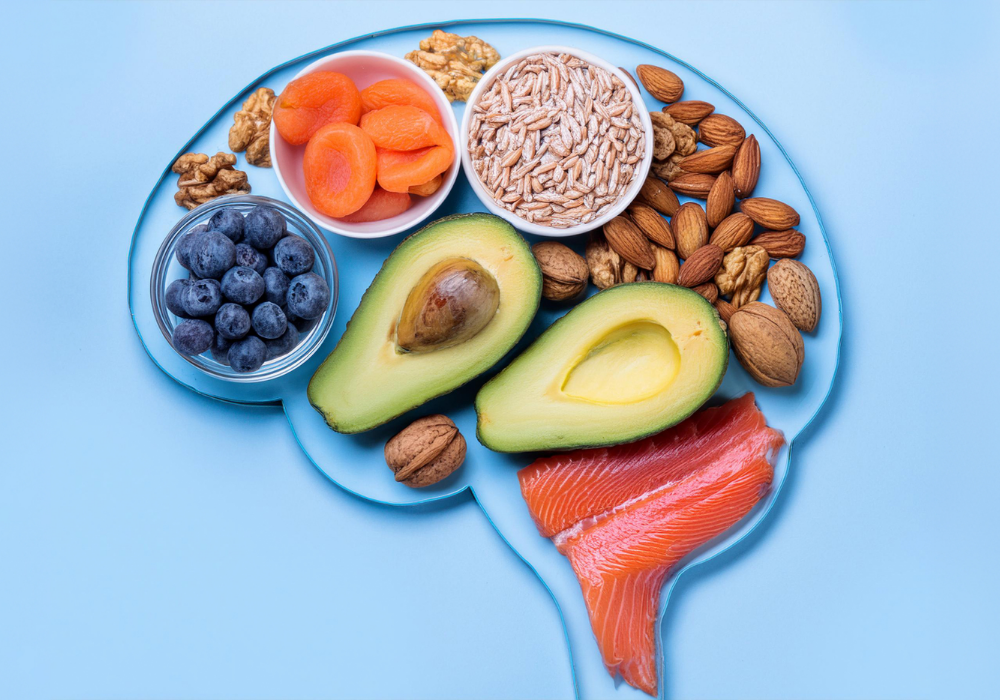
Hustle culture thrived on quick meals, energy drinks, and skipping meals to stay busy. Now, food is being viewed as fuel, not just a way to keep going. Millennials are ditching restrictive diets and embracing balanced, nourishing meals.
Cooking at home, intuitive eating, and focusing on gut health are replacing crash diets and meal replacements. Eating well isn’t about fitting into unrealistic standards—it’s about sustaining energy and long-term health.
8. Creative hobbies are making a comeback.

Side hustles took the joy out of hobbies for many millennials, turning passion projects into another grind. But now, they’re reclaiming creative outlets simply for the sake of enjoyment.
Painting, writing, playing music, and DIY projects aren’t about monetization anymore. Having a hobby that doesn’t need to be profitable allows for self-expression, relaxation, and genuine joy—without pressure to turn it into income.
9. Community matters more than competition.

Hustle culture made everything feel like a race, but millennials are prioritizing collaboration over cutthroat competition. Building supportive friendships and professional networks based on mutual growth is becoming the new standard.
Instead of seeing success as a limited resource, people are embracing mentorship, mutual aid, and knowledge-sharing. There’s more power in lifting each other up than in fighting for the top alone.
10. Therapy isn’t just for crisis—it’s for maintenance.

Going to therapy was once seen as something you did only when things got bad, but millennials are treating it like regular health maintenance. Checking in with a therapist even when things feel okay helps prevent burnout and emotional exhaustion.
Investing in mental well-being means recognizing patterns, setting healthy boundaries, and improving self-awareness. It’s a shift away from the “just tough it out” mentality and toward proactive self-care.
11. Restorative movement is replacing punishing workouts.

Fitness used to be about pushing harder, burning more, and fitting an impossible standard. Now, movement is about feeling good, not punishment. Millennials are embracing exercise routines that work for their bodies, not against them.
Yoga, stretching, mindful walks, and low-impact workouts are becoming more popular than extreme regimens. Instead of chasing unrealistic fitness goals, people are focusing on sustainability, flexibility, and long-term health.
12. Financial wellness is part of self-care.

Hustle culture convinced people that working non-stop would lead to financial freedom, but many millennials are realizing that real security comes from financial literacy, not overwork.
Budgeting, investing, and learning to say no to unnecessary expenses are all ways they’re taking control. Instead of grinding endlessly for money, they’re working toward stability, peace of mind, and freedom from financial stress.
13. Self-care is about slowing down, not adding more.

The biggest shift in self-care is the realization that it’s not about doing more—it’s about doing less. Hustle culture made productivity the goal, even in wellness. Now, millennials are embracing slowness, simplicity, and presence.
Instead of squeezing meditation, journaling, and workouts into an already packed schedule, they’re cutting out what doesn’t serve them. Self-care isn’t another task on the to-do list—it’s about making space for what truly matters.