
These everyday objects carry deep emotional weight—and that’s what makes them so tricky to toss.

Getting rid of clutter sounds simple—until you’re standing in front of a box of old love letters or your kid’s baby shoes. Suddenly, it’s not just stuff. It’s memories, guilt, identity, and “what if” questions all wrapped up in one dusty package. Decluttering experts know that certain items almost always make people freeze, no matter how motivated they are to clean up. These things carry emotional weight that logic can’t compete with.
You tell yourself you’ll deal with it later, but later never comes—and the pile keeps growing. If you’ve ever wondered why some objects are nearly impossible to let go of, it’s not because you’re lazy or disorganized. It’s because the hardest clutter isn’t about physical space—it’s about emotional ties you’re not quite ready to cut. And that’s where the real challenge begins.
1. Childhood memorabilia feels like a time machine you’re scared to shut down.

Old drawings, report cards, stuffed animals—they seem harmless until you try to throw them away. Then it feels like you’re erasing your own past. Childhood items hold powerful memories, not just of events, but of who you used to be.
Letting go of them can feel like letting go of your younger self. You worry you’ll forget important moments or regret it later. And since they’re often tucked away in bins or boxes, it’s easy to delay the decision. But every time you see them, that tug of nostalgia hits hard. The trick is learning to honor the memory without keeping every physical piece.
2. Clothes that no longer fit make you wrestle with who you are now.

You tell yourself you’ll wear them again someday—once you lose the weight, change careers, or get invited to the perfect event. But what those clothes really represent is a version of you that either used to exist or never quite did.
Letting go of them means accepting where you are right now—and that’s not easy. It might feel like giving up hope, admitting change, or facing disappointment. That dress you wore once and loved? It’s not just fabric; it’s a memory tied to a specific feeling. And the “someday” jeans? They’re loaded with pressure.
3. Books feel like part of your personality—even if you’ll never read them.

Books are tricky. They represent knowledge, aspiration, and identity. You keep ones you’ve read because they feel like a record of who you’ve been. And you hold onto unread ones because they symbolize who you want to be.
Getting rid of a book can feel like saying, “I’m never going to be that version of myself.” Even if it’s been sitting untouched for five years, it still carries hope. And let’s be honest—books just look good on a shelf. They feel important, intellectual, comforting. But if you’re not reading them, they’re just collecting dust.
4. Gifts you never liked make you feel like a terrible person for letting go.
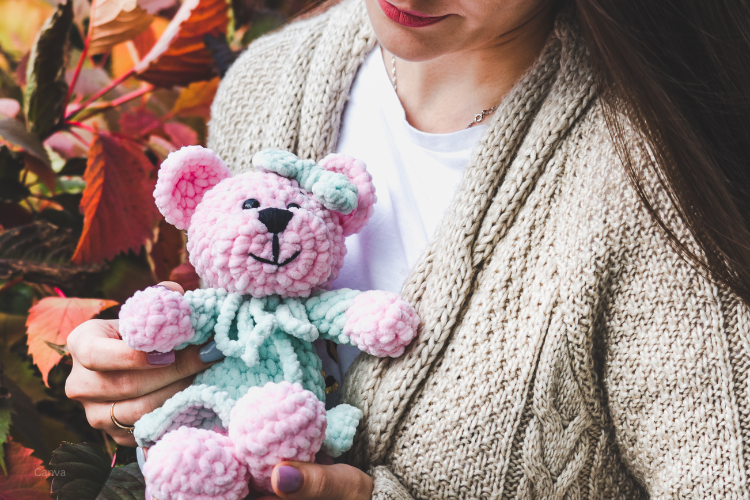
Even if the gift was impractical, hideous, or totally off-base, it came from someone who cared—and that’s what makes it so hard to part with. You feel like getting rid of it is an insult to the person, or like you’re ungrateful.
So you tuck it away, hoping someday it’ll feel right to use. It rarely does. But tossing it? That triggers guilt fast. Decluttering experts always say, “The gift served its purpose the moment it was given,” but emotionally, it doesn’t feel that simple.
5. Sentimental cards and letters hold feelings you’re afraid to forget.
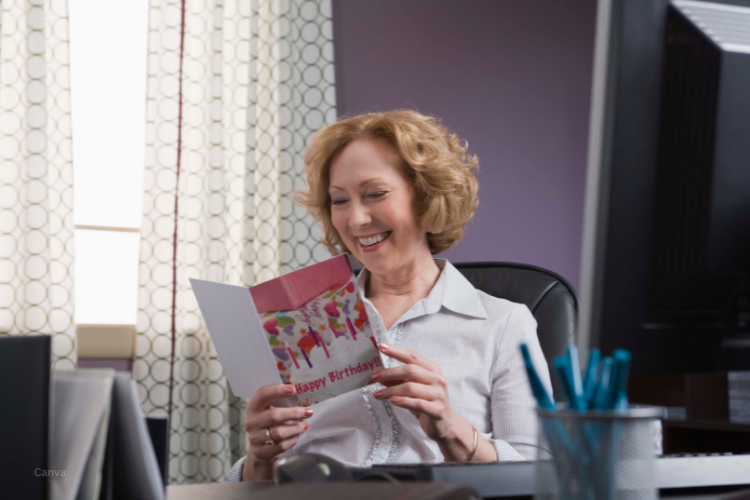
A handwritten note can be more emotionally charged than an entire box of keepsakes. Those cards from birthdays, anniversaries, or hard times feel deeply personal. You hear the sender’s voice in your head when you read them.
Some are from people you’ve lost, others from moments you want to remember forever. Throwing them out feels cold, like erasing proof that someone cared or that you lived through something meaningful.
6. Old electronics stick around because they’re expensive—and mysterious to get rid of.

You’ve got a drawer full of outdated phones, tangled chargers, and gadgets you haven’t used in years, but they’re still there. Why? Because they cost money, and tossing them feels wasteful. Also, where do they even go?
You can’t just put a broken Kindle in the trash without worrying about the environment or your data. So you keep them, telling yourself you’ll deal with it later. That “later” keeps getting pushed back.
7. Hobby supplies from a past version of you are loaded with emotional weight.
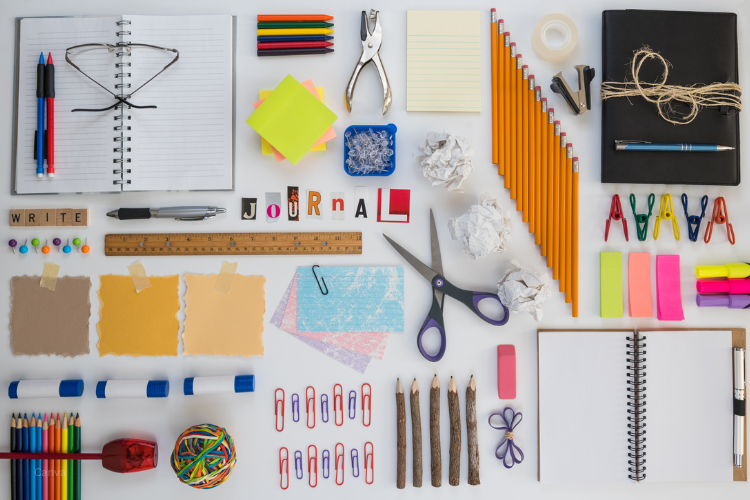
That guitar, the knitting kit, the watercolor paints—you bought them with the best intentions. Maybe you used them once. Maybe never. But every time you see them, you hear the whisper of “You should’ve done more.”
Letting them go feels like admitting you failed or gave up on a dream. But keeping them doesn’t help either—it’s just a quiet reminder of something unfinished. You might tell yourself you’ll return to it someday, but deep down, you know it’s unlikely.
8. Your kids’ artwork and school projects tug directly at your heart.
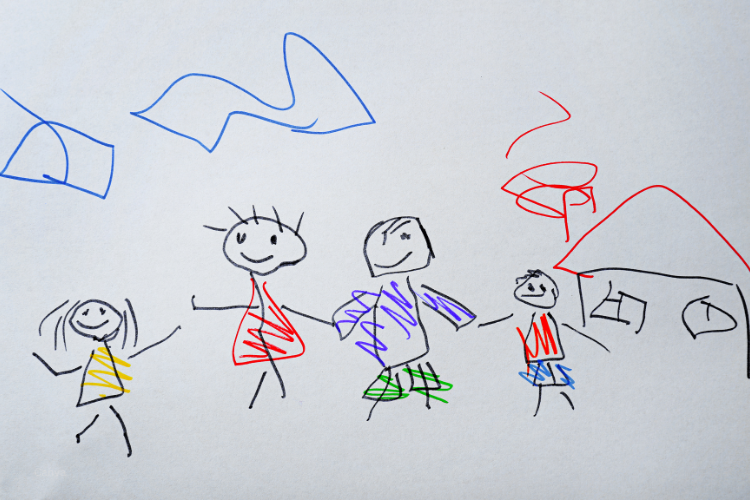
Every crayon drawing, science fair ribbon, and macaroni masterpiece feels like a snapshot of a moment you’ll never get back. Tossing them feels like erasing a piece of your child’s childhood. Even if you have dozens (or hundreds), each one carries a little emotional punch.
You want to keep them all, but the pile grows fast—and storing them isn’t easy. Still, the idea of letting them go brings a lump to your throat. You fear forgetting those tiny hands, those proud smiles, those milestones.
9. Expensive clothing or accessories feel too valuable to part with—even if you never wear them.

That designer handbag, those high-end shoes, or the suit you splurged on—they’re buried in your closet, but they’ve got a price tag burned into your memory. Letting them go feels like throwing away money, even if they’ve gone untouched for years.
You tell yourself they might come back in style, or you’ll wear them once the “right” occasion comes. But deep down, you know you’re holding on because you don’t want to admit the purchase was a mistake.
10. Extra kitchen gadgets are tied to your fantasy of becoming “that person.”
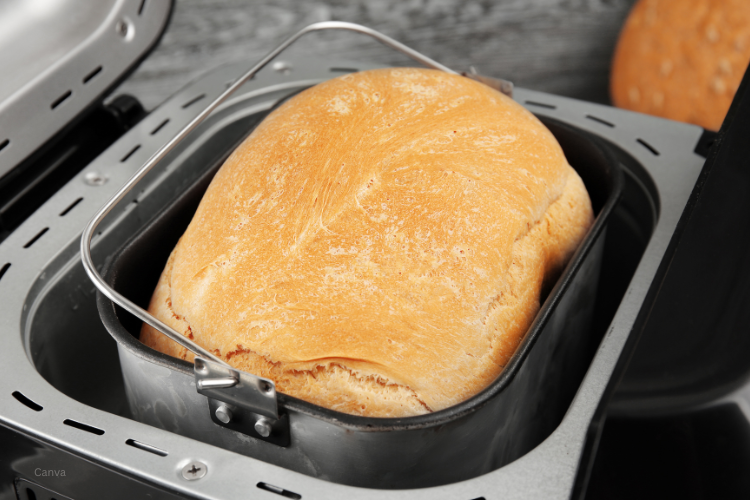
The bread maker, spiralizer, or juicer you used once? They’re not just tools—they’re symbols of a lifestyle you once thought you’d have. Decluttering them feels like admitting you’re not that chef, that health nut, that domestic wizard you imagined.
So you keep them, just in case. Because getting rid of them isn’t just about clearing space—it’s about letting go of a version of yourself that never quite materialized. And that stings.
11. Wedding and relationship keepsakes carry way more than happy memories.
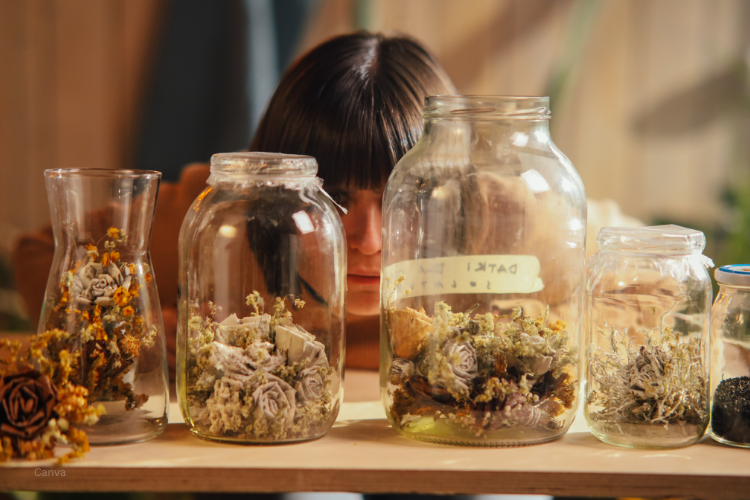
The dress, the invitation, the dried bouquet—they’re beautiful, meaningful, and heavy. And if the relationship has changed or ended, those items become emotionally complicated. Even in a happy marriage, letting go of the “stuff” feels weirdly disloyal.
It’s hard to know what’s okay to keep and what’s just taking up space. If the relationship ended, those items are tied to a past life you might not be ready to face. Either way, sorting through them can trigger joy, sadness, regret, or all three at once.
12. Old journals or planners make you feel like you’re cracking open your own soul.

Reading your past thoughts is like time-traveling into your own head—sometimes beautiful, sometimes cringe-worthy, sometimes heartbreaking. Those pages carry raw emotions you’ve long moved past—or maybe haven’t.
Throwing them out feels like deleting a part of your personal history. Even if you never read them, they feel sacred. They’re your story, unfiltered. But keeping them means carrying emotional weight that can be hard to explain.
13. Extra furniture and “just in case” items give you a sense of security.

That old coffee table, the spare lamp, the pile of throw pillows—you don’t use them, but you keep them because “what if?” What if someone moves in? What if you redecorate? What if you need a backup?
These items create the illusion of preparedness, but they often just eat up space. Letting go means trusting that you’ll figure it out later—and that’s scary. Especially if you grew up without a lot or tend to worry about the future.