
Innovation doesn’t mean improvement when profit’s the only goal.

Not everything gets better with time. Some things just get… shinier. Or thinner. Or more fragile. In the rush to roll out the next version, companies often sacrifice what made the original good in the first place—durability, user control, even basic functionality. It’s not about making things last or work better anymore. It’s about churn, hype, and squeezing out every last dollar.
That’s why a product you loved five years ago feels like junk now. Whether it’s built-in obsolescence or cost-cutting hidden under the guise of “streamlining,” these so-called upgrades are often downgrades in disguise. Fewer ports, flimsier materials, software that stops working when the company says so. We didn’t ask for faster failure cycles—but the market thrives on them. And the more we adapt to the new normal, the easier it is for quality to quietly disappear.
1. Smartphones went from sturdy tools to fragile status symbols.

Early smartphones were clunky, sure—but they were built to last. Removable batteries, headphone jacks, expandable storage—all gone in the name of “sleek design.” Shaunak Bhanarkar writes on UX Planet that many smartphones are deliberately designed with fragile parts and limited repair options to accelerate consumer upgrades. And if something goes wrong? Good luck repairing it yourself without voiding the warranty or needing special tools.
Battery life hasn’t improved much either. Many users find that new models barely last a day unless battery-draining features are turned off. Meanwhile, software updates are often designed with the latest hardware in mind—leaving older phones laggy and unsupported after just a few years. It’s not really about innovation anymore. It’s about keeping you on the hook for the next expensive iteration.
2. Jeans used to last years—until stretch denim took over.

There was a time when a good pair of jeans would soften with age and hold up for decades. Raw or heavyweight denim was tough, durable, and made to be worn hard. But as fashion shifted toward comfort and fast fashion, jeans started to include more stretch materials like elastane and polyester. The result? Softer fits—but far shorter lifespans.
Katelyn Haas and Dr. Usha Chowhdary found that stretch jeans from fast fashion brands lost durability quickly, especially at high-friction areas like the knees and thighs. What used to be an investment became a disposable item, thanks in part to lower quality fabrics and mass production methods. Even premium brands leaned into this change, focusing more on trend cycles than timeless construction. Now, finding a pair of jeans that lasts longer than a year feels like a small miracle.
3. Kitchen appliances were once built to last decades—now they barely make it past warranty.

Your grandmother’s blender? Still works. That toaster from the 1980s? Probably still browning evenly. But modern kitchen appliances—especially the ones branded “smart”—are notorious for short lifespans. Rachel Wharton writes in The New York Times Wirecutter that modern appliances often fail faster due to complex electronics that are harder to repair and more expensive to replace.
Planned obsolescence plays a major role. Manufacturers save on costs by using cheaper internal parts, often glued or soldered together, making them nearly impossible to fix. Add in software that can become outdated or buggy within a few years, and your $300 gadget becomes e-waste before it ever pays for itself. The irony is that these products are marketed as upgrades, when really they’re just slicker versions of things that used to work better for longer.
4. Video game consoles became pay-to-play ecosystems.

Old-school gaming was simple: buy the console, buy the game, play forever. Today’s consoles come with endless updates, online subscriptions, microtransactions, and digital-only content that can vanish without warning. Physical game ownership is slowly being phased out, leaving players at the mercy of licensing agreements and download servers. Even the hardware is evolving faster than ever. New models launch with limited storage and features locked behind paywalls or subscription tiers.
Some updates even break compatibility with older accessories or games. It’s no longer about the joy of gaming—it’s about monetizing every interaction, every add-on, every update. If you miss the days when games just worked out of the box, you’re not alone.
5. Streaming platforms went from freedom to fragmentation.

Remember when cutting the cord meant freedom? One subscription, endless options, no ads. But as streaming platforms multiplied, that promise evaporated. Now every media company has its own service, its own paywall, and its own exclusive content—forcing viewers to juggle logins and rack up monthly charges just to follow a single show.
Worse, once-stable catalogs keep shrinking as licensing deals expire and platforms pull content with no notice. Algorithms push low-effort content, while beloved shows get canceled mid-story. Even ad-free tiers are disappearing unless you pay extra on top of your existing fee. What started as a user-friendly alternative to cable has morphed into something just as bloated, confusing, and expensive. Only this time, you don’t even get a remote.
6. Phones lost features while prices skyrocketed.

Once upon a time, a new phone meant more functionality. Now, it often means fewer ports, no charger in the box, and a price tag that makes your laptop jealous. Headphone jacks vanished. SD card slots disappeared. Chargers became “optional.” And somehow, each of these removals is marketed as an upgrade—usually in the name of minimalism or environmental responsibility.
Meanwhile, prices have soared. Flagship models routinely break the $1,000 mark while offering only incremental improvements in camera quality or processing speed. What you’re paying for isn’t innovation—it’s brand loyalty and planned obsolescence. The newest phone isn’t designed to last five years. It’s designed to nudge you toward the next one before your battery even finishes aging out.
7. Cars became rolling computers—with more bugs than benefits.
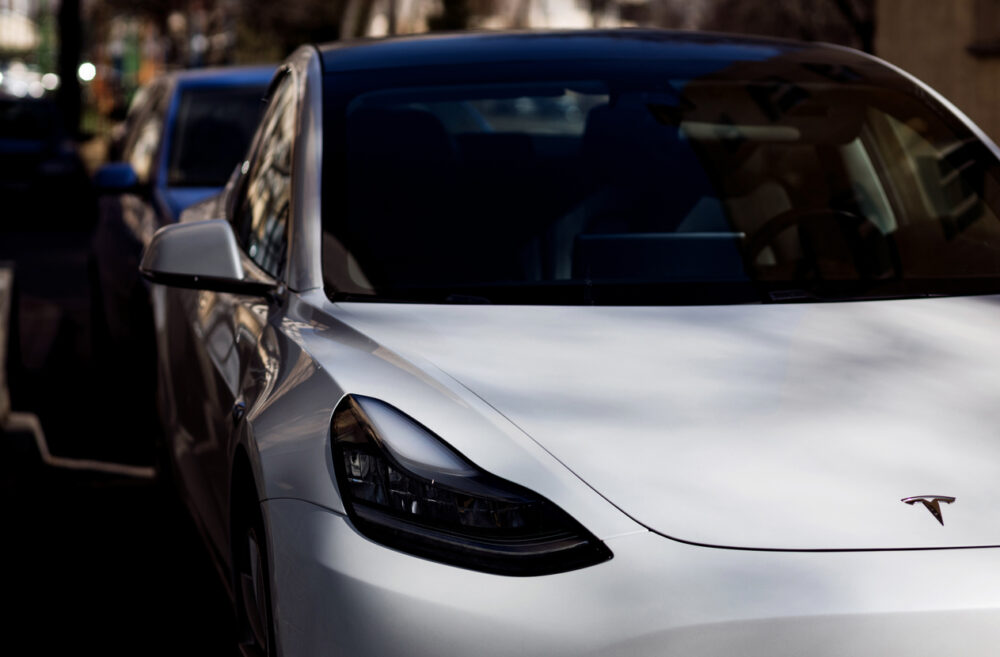
Modern cars boast touchscreens, over-the-air updates, and voice assistants. But all that tech comes with trade-offs. Replacing a simple knob with a touchscreen may look sleek, but it complicates basic tasks like adjusting the heat or changing the radio station. Software glitches, sensor failures, and forced updates are now part of the driving experience.
And good luck fixing things yourself. Features are locked behind paywalls or subscriptions, diagnostics require proprietary tools, and repair costs have skyrocketed as everything from climate control to braking systems gets tied into centralized computer systems. The era of popping the hood and tinkering is over—replaced by warranty-dependent guesswork and tech support queues. It’s not just a car anymore. It’s a gadget you happen to drive.
8. Light bulbs got efficient—but lost warmth and reliability.

LEDs were supposed to save energy and last decades, and to some extent, they did. But in the race for cheaper production and mass adoption, quality took a hit. Many bulbs don’t live up to their promised lifespan, especially the cheaper ones. They flicker, burn out early, or give off cold, sterile light that feels more hospital than home.
Older incandescent bulbs may have burned more electricity, but they provided a warm, natural glow and rarely failed within a few months of purchase. Today, even expensive LED options can hum, fail to dim properly, or turn a cozy room into a harshly lit showroom. The energy savings are real—but the experience often isn’t. What was once a simple choice is now a gamble between longevity, ambiance, and quality.
9. Toiletries are now packed with fillers, not function.

From shampoo to toothpaste, many personal care items have become diluted with cheap ingredients that do more harm than good. Once-effective formulas have been replaced with watered-down versions full of synthetic fragrance, drying alcohols, and microplastics.
That “clean” feeling? Often just a harsh detergent stripping away natural oils. Even trusted brands quietly reformulate to cut costs, banking on consumer loyalty to keep sales steady. You might not notice the change right away, but over time your skin gets drier, your hair duller, and your routine more complicated. And since regulations around ingredients are often weak or outdated, there’s little stopping companies from prioritizing shelf appeal over actual performance.
10. Shoes were built to last—until fast fashion stepped in.

Decades ago, a quality pair of shoes could be resoled and worn for years. Leather, stitching, and durable soles were the standard. Now, most shoes are glued together with synthetic materials that barely survive a season. Fast fashion brands churn out trendy styles with lifespans shorter than the hype cycle that sells them.
Even athletic shoes, once designed with longevity in mind, have leaned into disposable trends. Soles wear down faster, cushioning flattens within months, and repair is rarely an option. Style took precedence over structure, and performance bowed to profits. For many people, shoes are no longer an investment—they’re just another item destined for the landfill before the next drop hits the shelves.
11. E-books took control out of your hands.

Digital books promised convenience—instant access, lower prices, infinite portability. But buying an e-book doesn’t mean owning it. At any moment, your library can be edited, restricted, or deleted outright if a platform changes policy, loses rights, or decides to revoke access. You’re not buying a copy—you’re renting access with invisible strings. Even basic features have been locked down. You can’t lend most e-books, resell them, or even back them up freely.
Highlighting, note-taking, and sharing are often limited by DRM. And if the service you use goes under, your “library” goes with it. Physical books age, sure—but they don’t vanish overnight. In chasing convenience, we gave up permanence—and publishers are banking on it.