
When every day feels like a new emergency, your decision-making starts to break down.

You’re not imagining it. The world feels heavier than it used to, and just keeping up with the news can feel like a second job. Fires, floods, shootings, elections, blackouts—there’s always something urgent screaming for your attention. And when the chaos doesn’t stop, your brain starts shutting down to protect you. That’s crisis fatigue. It’s sneaky, exhausting, and it’s probably influencing your choices more than you realize.
Crisis fatigue doesn’t look dramatic. It looks like scrolling past headlines, saying “I can’t do anything,” or defaulting to whatever’s easiest. It makes people numb, indecisive, and constantly on edge—even if they’re not consciously aware of it. The longer this state drags on, the more it changes habits, relationships, and daily decisions. These 11 effects aren’t just psychological—they’re deeply personal. And recognizing them is the first step toward loosening their grip.
1. The brain gives up on decisions long before the body admits it.

At some point, your brain just stops trying. Crisis fatigue overloads your system with so many micro-stressors that even simple choices feel like landmines. What should be a five-second decision—what to eat, what to wear, what to text—turns into mental gridlock. It’s not indecisiveness. It’s neural survival mode.
The brain starts cutting corners, not because it’s lazy, but because it’s done. According to researchers for the AMA, “decision fatigue” refers to the idea that after making many decisions, your ability to make more deteriorates—leading you to give up, make poor choices, or avoid decisions entirely.
Instead of choosing based on desire or logic, you default to whatever feels familiar or easy. You say yes when you mean no. You scroll when you meant to sleep. You microwave whatever’s closest. Life becomes one long series of energy-saving shortcuts. Over time, those shortcuts harden into habits. You stop reaching for better, not because you don’t care—but because making a real decision feels like too much effort when you’re running on empty.
2. Emotional numbness kicks in, but the stress still leaks out everywhere else.

Crisis fatigue doesn’t always scream. Sometimes it whispers. You stop reacting to headlines. You stop flinching at horror. You don’t feel angry or afraid anymore—but that doesn’t mean the threat is gone. Numbness is your nervous system hitting the emergency brake after months (or years) of running hot. But what doesn’t get processed still gets stored. Per Taisha Caldwell for Medical News Today, crisis fatigue can manifest as emotional numbness and feeling “empty,” even as your body continues running on stress hormones.
The stress seeps into your body. It shows up as jaw tension, stomach issues, migraines, or that simmering irritation you take out on people you love. You tell yourself you’re fine because you’re not crying or panicking. But beneath that dull calm is a system in shutdown. Crisis fatigue doesn’t just shut off emotions—it re-routes them. And the longer it goes unchecked, the harder it becomes to feel joy, connection, or even relief.
3. Doomscrolling feels like control—until it turns into a cage.

It starts as a quick check. Just one headline. One video. One notification. Before long, you’re an hour deep in catastrophe updates you didn’t ask for. Crisis fatigue feeds the loop. Your brain craves information because it mistakes it for safety.
If you know what’s coming, maybe you can prepare—right? But the updates never stop, and the clarity never comes. As highlighted by experts at the American Psychological Association, doomscrolling significantly increases anxiety and stress levels by reinforcing a state of constant alert, especially during crises like pandemics or climate disasters.
You’re left feeling overloaded, helpless, and oddly addicted. The news becomes your emotional baseline. Fear. Anger. Outrage. Repeat. Eventually, even stepping away feels unsafe, like you’re falling behind or being irresponsible. But that’s the trick—doomscrolling gives the illusion of control while quietly draining your ability to act. You’re not more informed. You’re just more overwhelmed, more anxious, and more convinced that nothing you do can actually help.
4. The future stops being a goal and starts feeling like a joke.

When everything keeps breaking, it’s hard to picture anything staying whole. Crisis fatigue collapses your timeline. You stop planning next year’s trip or saving for retirement, not because you’re reckless, but because deep down you don’t believe those things will still be possible. Why bother if another disaster will just hit?
This isn’t about pessimism—it’s a trauma response. When disruption becomes constant, your brain starts protecting you from disappointment by expecting the worst. The result? Dreams shrink. Risk feels dangerous. Even hope starts to seem embarrassing. You focus on surviving the week and call it realism. But long-term, that mindset doesn’t protect you—it traps you. Without a sense of future, motivation withers. You stop trying new things. You stop building. And eventually, you stop believing anything better is even coming.
5. Self-abandonment starts looking a lot like emotional maturity.

At first, it feels noble. You keep the peace. You let things go. You don’t “make it a big deal.” But crisis fatigue makes it hard to tell the difference between emotional strength and quiet surrender. When you’re too exhausted to advocate for your needs, self-abandonment slips in wearing the costume of calm.
You stop speaking up in relationships. You tolerate things that bother you. You say “it’s fine” even when it hurts. Over time, you forget what your needs even were. This isn’t balance—it’s burnout disguised as grace.
Crisis fatigue doesn’t just wear you out—it convinces you that taking up space is selfish. And the longer you stay silent, the easier it becomes to believe that disappearing a little every day is just how grownups handle stress.
6. Focus turns foggy because your brain is stuck in emergency mode.

When the world feels like it’s on fire, concentrating on anything else becomes a joke. Crisis fatigue keeps your brain locked in survival mode, where multitasking is impossible and basic focus feels like herding cats. You reread the same sentence five times. You forget what you walked into the room for. You open ten tabs and do nothing with any of them.
This isn’t poor time management—it’s neurological triage. Your attention system is trying to scan for threats, not finish your to-do list. And when that loop never shuts off, even fun things stop feeling fun. Books, movies, conversations—none of them stick. The longer you stay in that high-alert state, the harder it is to anchor to anything real. Focus doesn’t disappear. It just gets hijacked by everything your brain thinks is more urgent—even if it’s imaginary.
7. Rest stops working because the stress never actually shuts off.

You cancel plans, clear your schedule, and finally rest. But somehow, you still wake up tired. That’s because crisis fatigue isn’t fixed with a nap or a bath—it’s physiological overload. Your nervous system is stuck on high alert, and your body doesn’t believe it’s safe enough to relax.
So even when you do rest, you don’t recover. Sleep is shallow. Breaks are restless. You feel guilt for not “using the time wisely.” Rest becomes another item on your checklist instead of a reset. And the worst part? You start to believe it’s your fault. Like something’s wrong with you for not bouncing back. But it’s not you—it’s that you’re trying to heal in a system that won’t stop screaming. Until the crisis state ends, your body won’t get the memo that it can finally exhale.
8. Compassion burns out long before you realize it’s gone.

At first, you care. Deeply. About the planet, politics, people. But after a while, all the outrage and heartbreak start to blend together. Crisis fatigue drains your empathy slowly—until one day, you realize you haven’t felt anything in weeks. Not because you’re cold, but because your emotional tank is bone dry.
You start withdrawing. You stop responding. You feel annoyed by things that used to move you. And guilt sneaks in, whispering that you’re selfish or detached. But really, you’re just saturated. Overexposure to suffering dulls the senses like overuse dulls a knife. It’s not a character flaw—it’s a side effect of caring for too long without enough space to process. Empathy isn’t infinite. Without rest and boundaries, even the most compassionate people go numb.
9. Productivity becomes a coping mechanism that masks the burnout.

When everything feels like it’s falling apart, getting stuff done feels like control. So you start cleaning, organizing, checking boxes—anything to quiet the panic buzzing in the background. Crisis fatigue turns productivity into a self-soothing tool, but one that ultimately feeds the stress it’s trying to manage.
You become hyper-efficient while feeling completely hollow. You get praised for being “on top of things,” but inside, you’re spinning out. Rest feels unsafe. Slowness feels shameful. So you keep moving, thinking it’ll save you. But productivity doesn’t heal a nervous system in collapse—it just hides it. Eventually, the cracks start to show. Tasks get sloppy. Exhaustion catches up. And by the time you stop, the burnout is deeper than you realized, because it was camouflaged as success all along.
10. Joy starts to feel suspicious—like something you should apologize for.

Crisis fatigue rewires your emotional radar so intensely that even joy feels out of place. You catch yourself smiling and immediately feel guilty. You laugh and then remember there’s a war going on, or a storm hitting somewhere, or someone suffering just beyond your screen.
You pull back. You keep your happiness quiet. You start to believe that joy must be earned—or worse, that it’s a betrayal. But joy isn’t a luxury during hard times. It’s fuel. It’s resistance. It’s the nervous system’s way of coming up for air. Crisis fatigue doesn’t just suppress negative emotion—it starts training your body to reject the positive, too. And when you don’t feel safe enjoying life, you stop seeking it. But without moments of light, the dark becomes everything. And no one survives that for long.
11. Identity gets blurry when everything becomes a reaction to crisis.
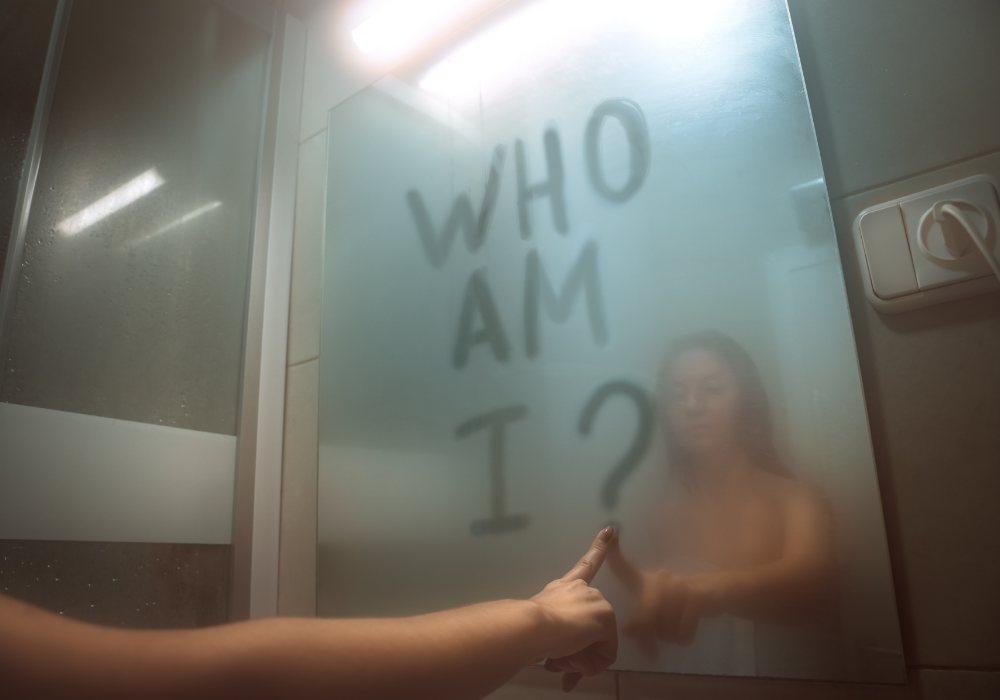
Over time, crisis fatigue starts erasing the person underneath the coping. You stop asking what you want. You forget what used to light you up. You become a collection of responses—staying calm, staying informed, staying functional—but the “why” behind your actions gets murky.
You’re still moving, but the direction feels lost. Who are you when you’re not managing, fixing, buffering, or surviving? What happens when the noise dies down—will there be anything left? Crisis fatigue steals your sense of self not all at once, but in subtle ways: decisions deferred, dreams delayed, preferences forgotten. And before you know it, the person living your life doesn’t feel like you anymore. Reclaiming that identity means more than rest. It means remembering that you exist beyond the emergency.