
Cutting waste isn’t about trying harder—it’s about breaking free from products like these.
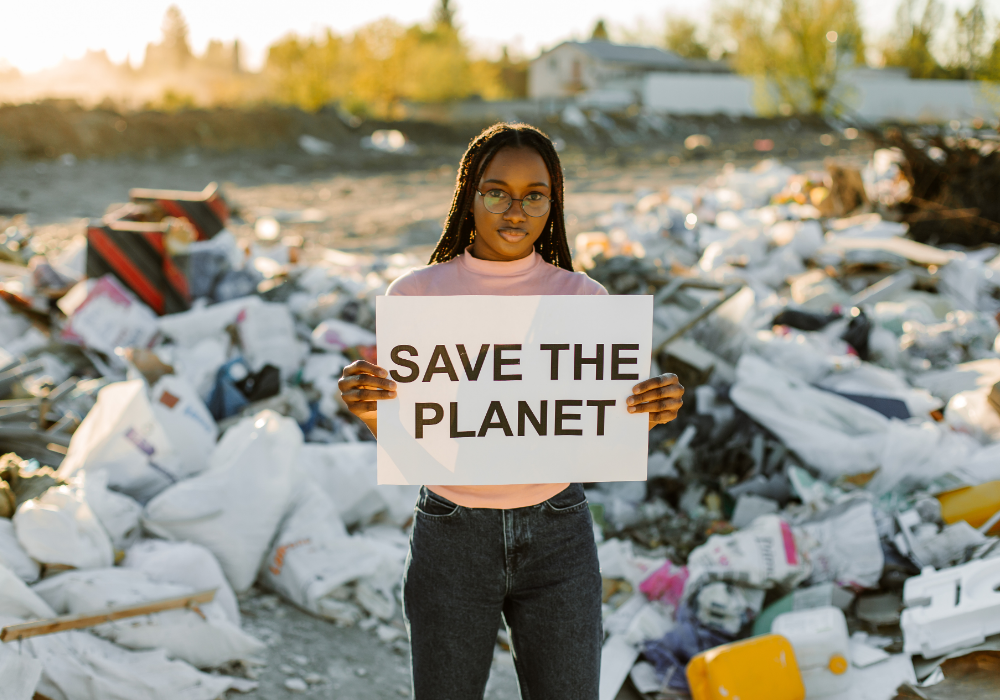
Most people who want to cut down on waste start with good intentions: recycling more, bringing reusable bags, maybe even composting. But no matter how hard they try, the trash bin still fills up. That’s because a lot of modern waste isn’t about personal failure—it’s baked into the design of what companies sell. Many products are deliberately made to be disposable, difficult to recycle, or impossible to reuse, locking consumers into an endless loop of throwing things away.
Breaking the cycle means recognizing which products are designed to fail sustainability before they even leave the store. These items sneak into daily routines, marketed as convenient or essential while quietly sabotaging any real progress toward reducing waste. The less you rely on them, the more progress you make—not by trying harder, but by opting out of the system that profits from your overflowing trash can.
1. Single-use coffee pods turn your morning habit into a landfill problem.
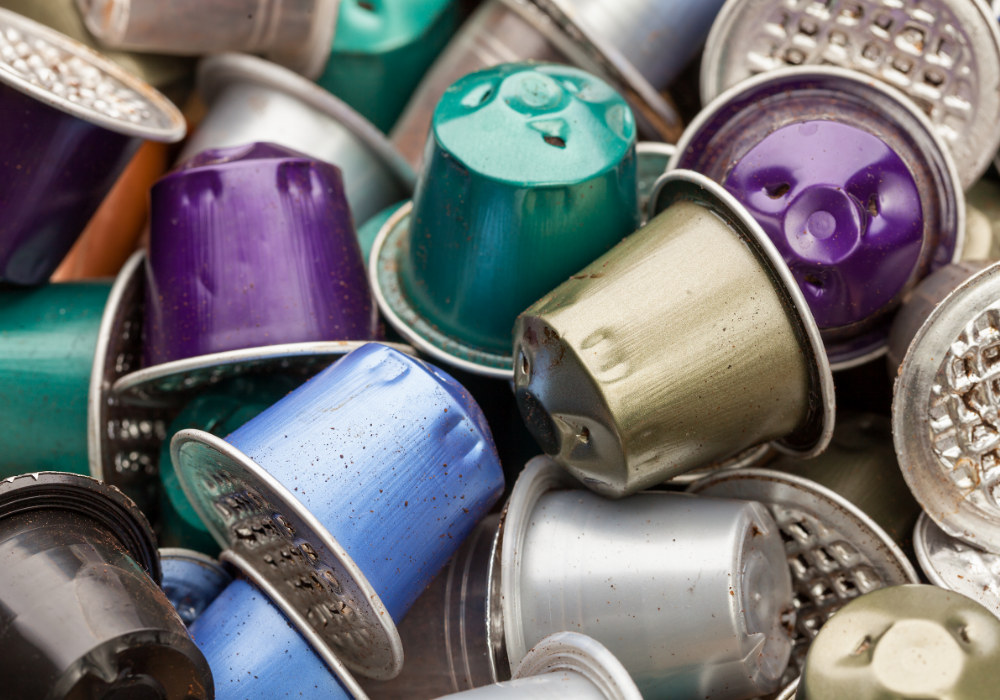
Pop, brew, toss. Coffee pods like K-Cups or Nespresso capsules make mornings quick, but they leave behind an avalanche of waste. The plastic and aluminum combinations are notoriously hard to recycle, especially when consumers don’t separate components or clean them out properly.
Millions of these pods end up in landfills every single day. According to writers for the CraftCoffeeSpot, only 27% of pods are recycled—meaning approximately 123 million coffee pods are dumped in landfills daily in North America and Europe alone.
Even companies that promote “recyclable” versions depend on perfect consumer behavior and specialized facilities most people don’t have access to. Meanwhile, refillable pods and traditional brewing methods create far less waste—and taste just as good. The convenience of single-use pods comes at the cost of a steady stream of non-biodegradable garbage that piles up with every cup. Coffee itself isn’t the problem—it’s the way the industry engineered waste into your daily caffeine fix.
2. Disposable cleaning wipes quietly sabotage your zero-waste goals.
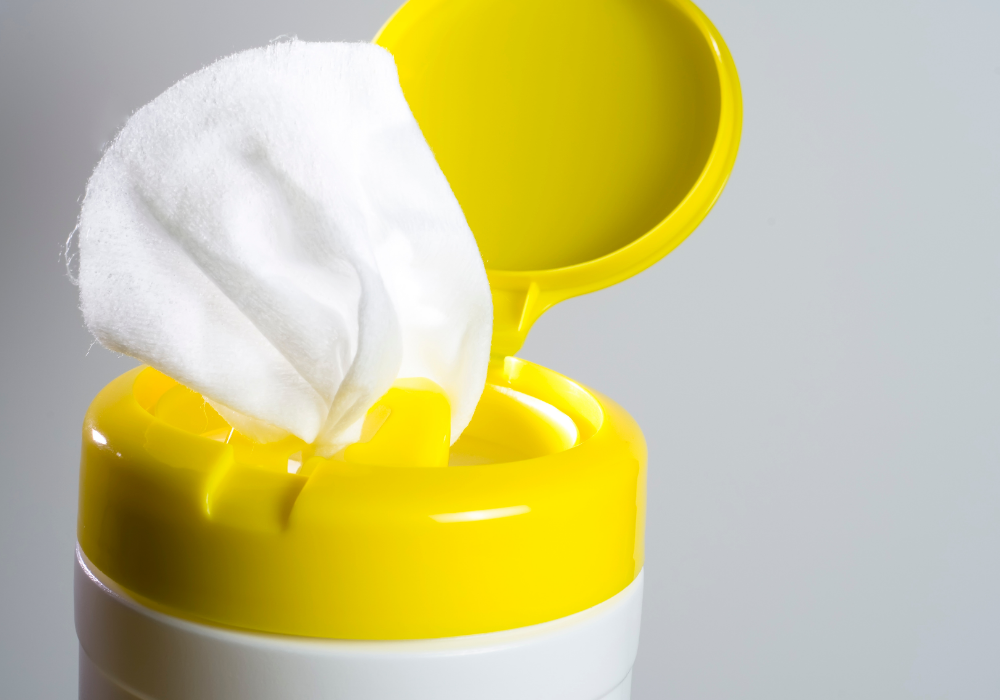
Pre-soaked cleaning wipes promise easy, fast disinfecting for everything from countertops to toilet seats. But once used, they become non-recyclable trash, often made from synthetic fibers that don’t biodegrade. Multiply that by millions of households wiping multiple surfaces daily, and the waste adds up fast. Per researchers for Water Research, wet (and pet) wipes are non‑biodegradable and can linger in the environment for up to 100 years, fragmenting into microplastics that contaminate waterways and soil.
Many wipes also contain harsh chemicals, contributing to water pollution when flushed or improperly discarded. Reusable cloths and simple, refillable spray bottles offer the same level of cleanliness without generating endless garbage. The wipe industry thrives on creating an illusion of “quick and easy” while pushing a product that guarantees repeat purchases—and piles of unnecessary trash. Real cleanliness doesn’t require a new disposable square for every single smudge.
3. Snack-sized packaging fills your trash can faster than your stomach.

Individually wrapped snack packs feel convenient for lunchboxes, road trips, and busy days. But all those tiny wrappers, bags, and pouches create mountains of plastic that rarely get recycled. The smaller the packaging, the harder it is to process at recycling facilities, meaning most of it goes straight to landfills. As highlighted by experts at the World Economic Forum, about 95% of food packaging—including single‑serve snack wrappers—is discarded after one use, underscoring how convenience-driven packaging contributes massively to waste.
Bulk packaging and reusable containers dramatically reduce this waste, but companies know single-serve packaging drives higher profits by encouraging constant repurchasing. The more you grab on-the-go options, the more you feed a system built to turn convenience into an endless stream of garbage. The snacks aren’t the issue—it’s the industry’s love affair with overpackaging that keeps your trash can full.
4. Disposable razors are designed to fail so you keep buying more.
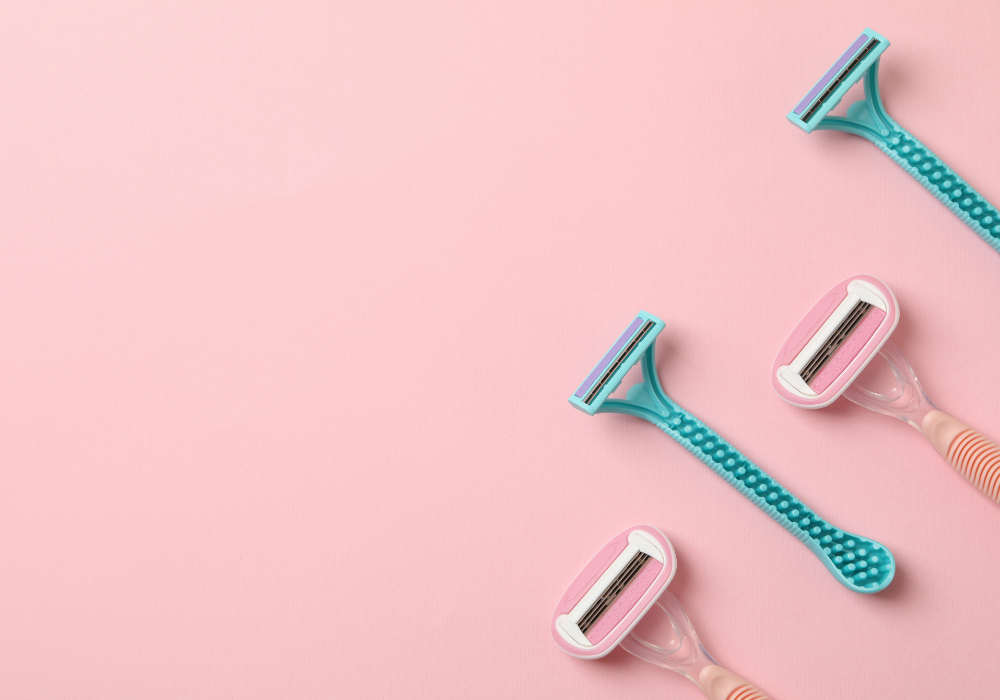
Shaving shouldn’t be a waste nightmare, but disposable razors make sure it is. Most cheap razors combine multiple materials—plastic, metal, rubber—making them nearly impossible to recycle. The blades dull quickly by design, pushing consumers to toss and replace them often.
Safety razors, with their reusable handles and recyclable blades, offer a drastically lower-waste alternative that lasts for years. But big brands thrive on selling constant refills, marketing flashy “new and improved” models that keep consumers locked into their waste-heavy cycle. Convenience has been weaponized to create endless landfill fodder, all for a task that could be handled far more sustainably with a little upfront change.
5. Fast fashion guarantees your closet (and landfill) stay overflowing.
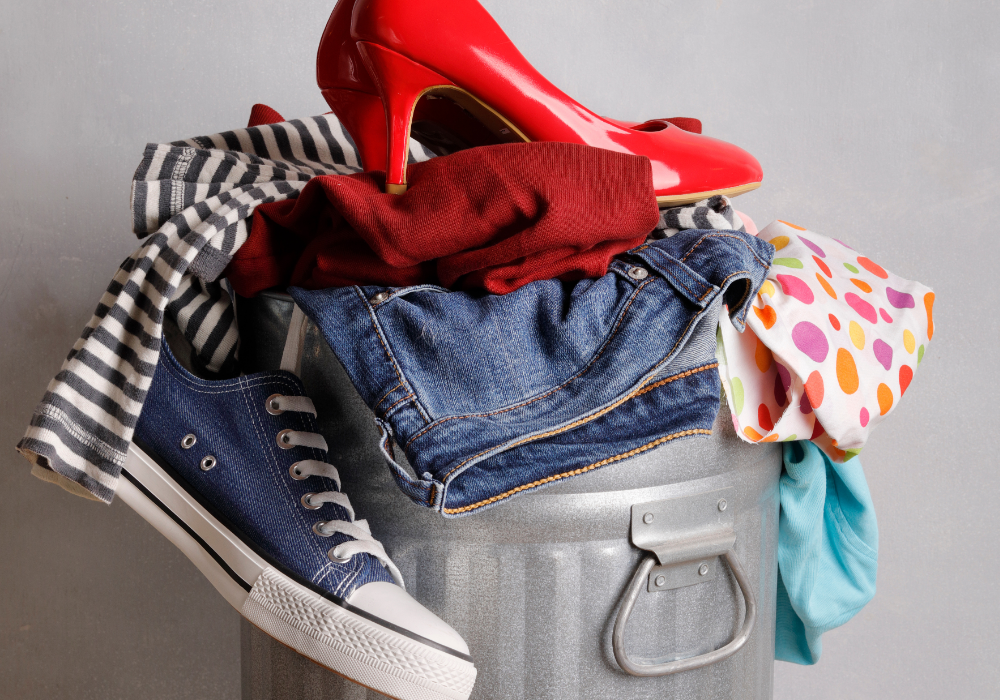
Cheap clothes from fast fashion brands promise endless variety at rock-bottom prices. But the quality often matches the price tag, leading to shrinking, pilling, and unraveling after just a few wears. Once these garments fall apart, they’re rarely recycled and mostly end up in landfills or incinerators.
The constant churn of new styles fuels a toxic cycle of overproduction and overconsumption. Many pieces are made from synthetic fabrics that shed microplastics during every wash, further polluting waterways. Slow fashion—fewer, higher-quality pieces—lasts longer, fits better, and creates far less waste. But fast fashion’s business model depends on keeping closets (and trash bags) constantly full. Cutting waste means stepping off the trend treadmill altogether.
6. Takeout containers create a steady stream of plastic waste after every meal.
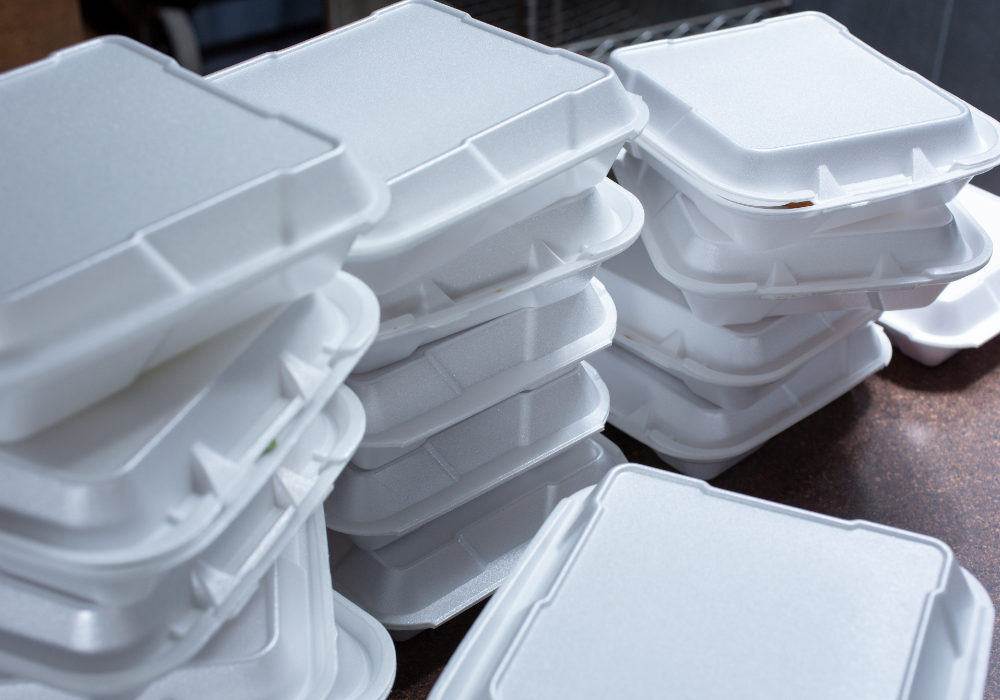
Ordering takeout feels like a harmless indulgence, but the mountain of plastic clamshells, sauce packets, utensils, and bags that come with each order quickly adds up. Most of these materials are either non-recyclable or contaminated by food residue, making them nearly impossible to process properly. Even compostable containers often require industrial facilities many cities lack.
Restaurants package for convenience, but rarely design for sustainability. Customers feel guilty seeing their garbage cans fill up after every order, yet few alternatives exist unless you bring your own containers—a practice still rare and sometimes even refused.
The food disappears in minutes, but the packaging can linger in landfills for centuries. Until the industry changes its packaging standards, every meal delivered comes with an invisible environmental surcharge most people never calculate.
7. Disposable water filters hide their waste behind clean-tasting water.
Water filters feel like an eco-friendly choice, especially when they reduce bottled water use. But many popular pitcher and faucet filters are themselves short-lived plastic cartridges that need frequent replacement. Most brands offer limited or no recycling options, leaving millions of spent filters to clog landfills each year.
Behind the clean water promise is a profit model built on planned obsolescence—ensuring consumers stay locked into purchasing replacement cartridges regularly. Long-lasting filtration systems with reusable or easily recyclable parts exist, but they aren’t pushed as aggressively because they generate less repeat revenue. The hidden waste behind disposable water filters often goes unnoticed because the product itself feels “responsible.” But real sustainability means choosing systems designed to last far beyond a few gallons.
8. Toothpaste tubes and floss containers quietly flood landfills.

Oral care routines don’t seem wasteful until you consider how many toothpaste tubes and floss containers pile up over a lifetime. Most toothpaste tubes are made of mixed materials—plastic fused with aluminum—that makes recycling nearly impossible. Floss containers add even more plastic, while the floss itself often contains synthetic fibers that don’t break down.
Because these items are small, they’re easy to ignore. Yet globally, billions of tubes and containers add up to staggering waste volumes. Alternatives like refillable toothpaste tablets, compostable floss, and glass containers exist but haven’t gone mainstream due to cost and habit.
The dental industry rarely emphasizes long-term sustainability, focusing instead on pushing brand loyalty and repeat purchases. Daily hygiene shouldn’t quietly contribute to an enormous, invisible trash mountain—but that’s exactly what’s happening.
9. Paper towels fuel a disposable habit that’s hard to break.
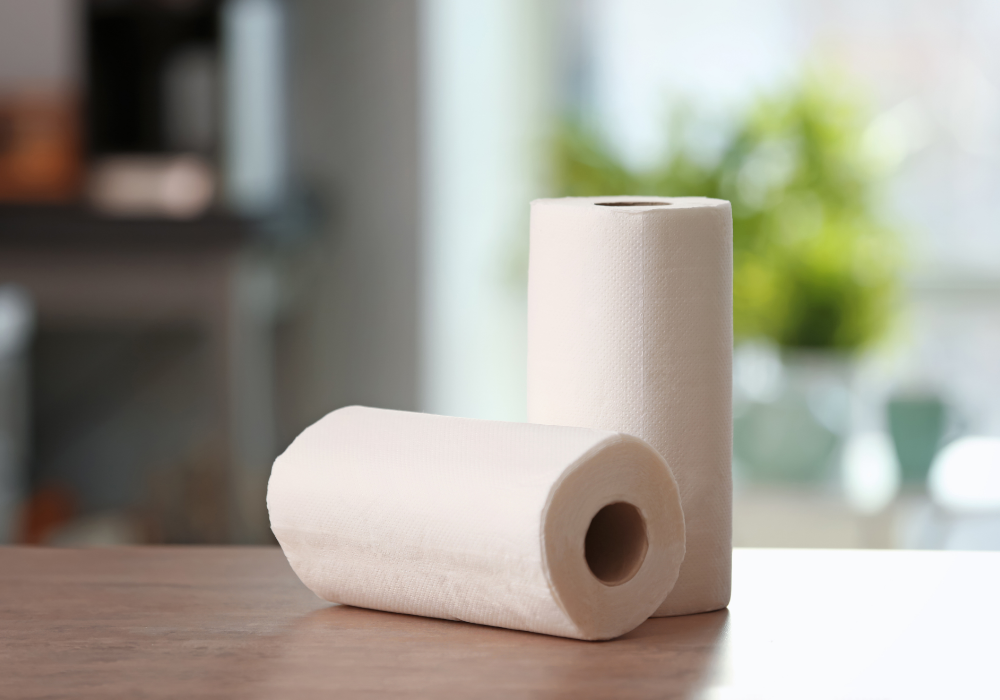
Paper towels are a modern convenience most people rarely think about. But the constant grab-and-toss habit fuels massive deforestation, energy use, and landfill expansion. Even recycled paper towels still require energy-intensive manufacturing and are single-use by design. Once used, they’re contaminated and usually not recyclable or compostable in most households.
The industry markets them as sanitary and necessary, but reusable cloths handle nearly every cleaning task just as well. The real reason paper towels dominate? Habit and profitability. A roll that needs constant replacing guarantees ongoing sales, while durable alternatives don’t. The softness, perforations, and branding hide the unsustainable reality beneath each absorbent square. Breaking free from the paper towel cycle is one of the simplest, most effective ways to dramatically cut everyday waste.
10. Gift wrap creates a colorful mountain of single-use waste every holiday.
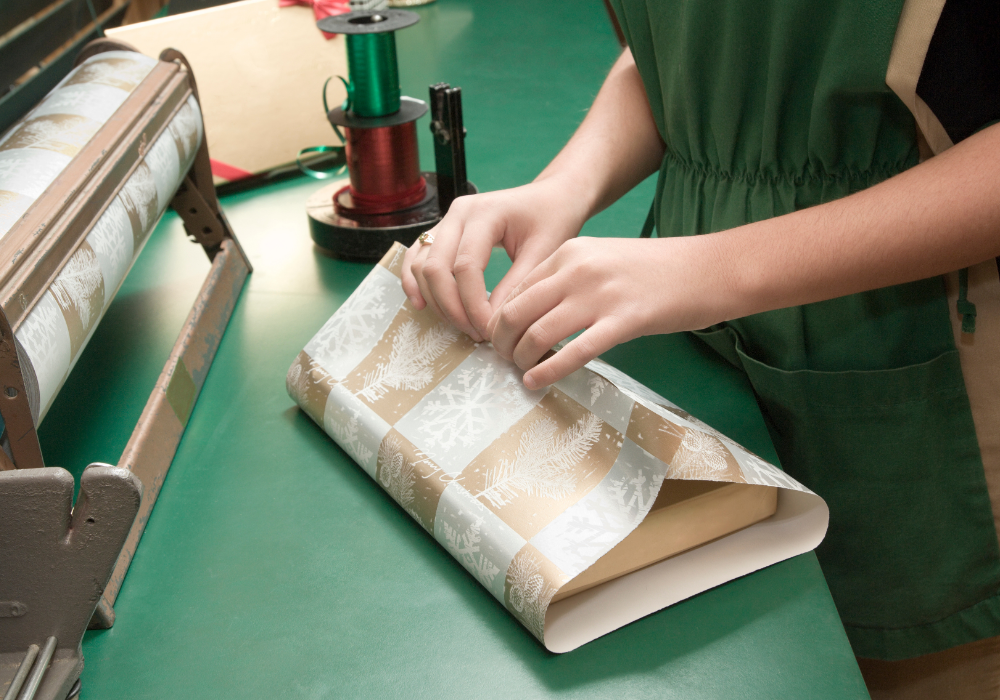
Birthdays, holidays, and special occasions turn gift wrap into a short-lived tradition of colorful waste. Glossy papers, glittery finishes, plastic-coated ribbons, and metallic bows can’t be recycled in most municipal systems. After a few seconds of ripping, the vibrant pile heads straight for the landfill.
The gift wrap industry profits from selling disposable excitement that disappears almost instantly. Alternatives like reusable fabric wraps, recycled paper, or even repurposed materials get little mainstream promotion because they don’t generate repeat sales. Year after year, millions of tons of wrapping paper and accessories contribute to a seasonal surge in household waste. The magic of gift-giving doesn’t need a trail of environmental damage—but consumer culture keeps tying it up with a shiny, unsustainable bow.
11. Clamshell produce packaging sneaks plastic into every grocery trip.
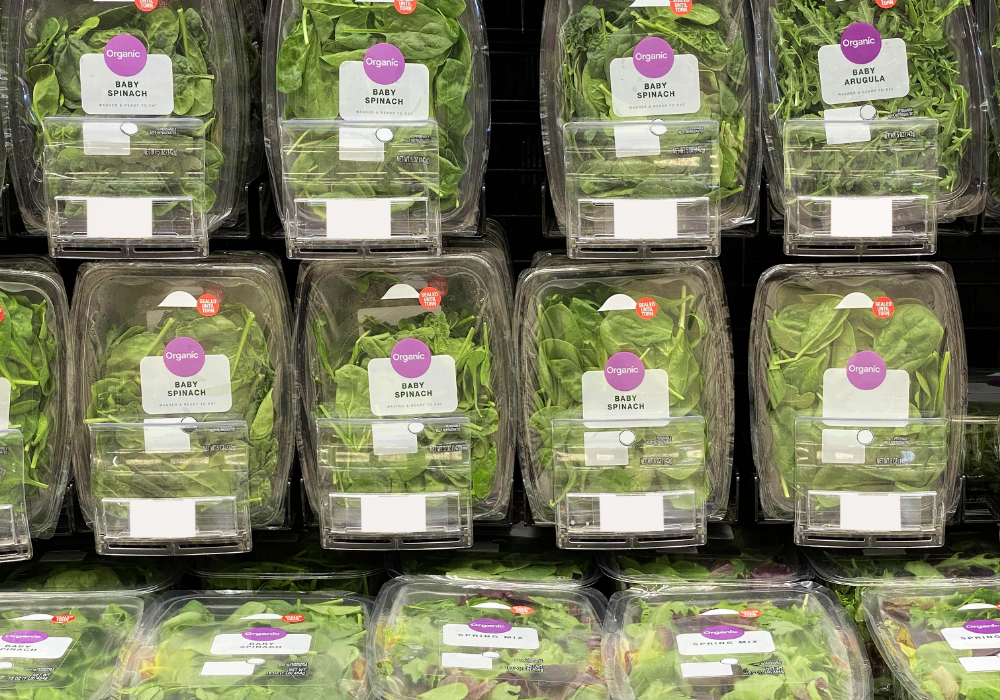
That pre-washed spinach, those ripe berries, and even cherry tomatoes often come sealed in rigid plastic clamshells. These containers are lightweight, stackable, and great for visual merchandising—but terrible for the environment. Their design makes them difficult to recycle and highly prone to ending up in oceans and landfills.
Clamshell packaging fuels food convenience while locking consumers into an unnecessary plastic habit. Farmer’s markets, bulk bins, and reusable produce bags offer alternatives, but mainstream grocery stores still prioritize plastic for shelf life and appearance. The convenience benefits retailers, but the environmental costs spread far beyond checkout. If cutting waste is the goal, breaking the clamshell cycle at the grocery store is a powerful place to start.