
What we do right now will decide if future generations inherit disaster or recovery.
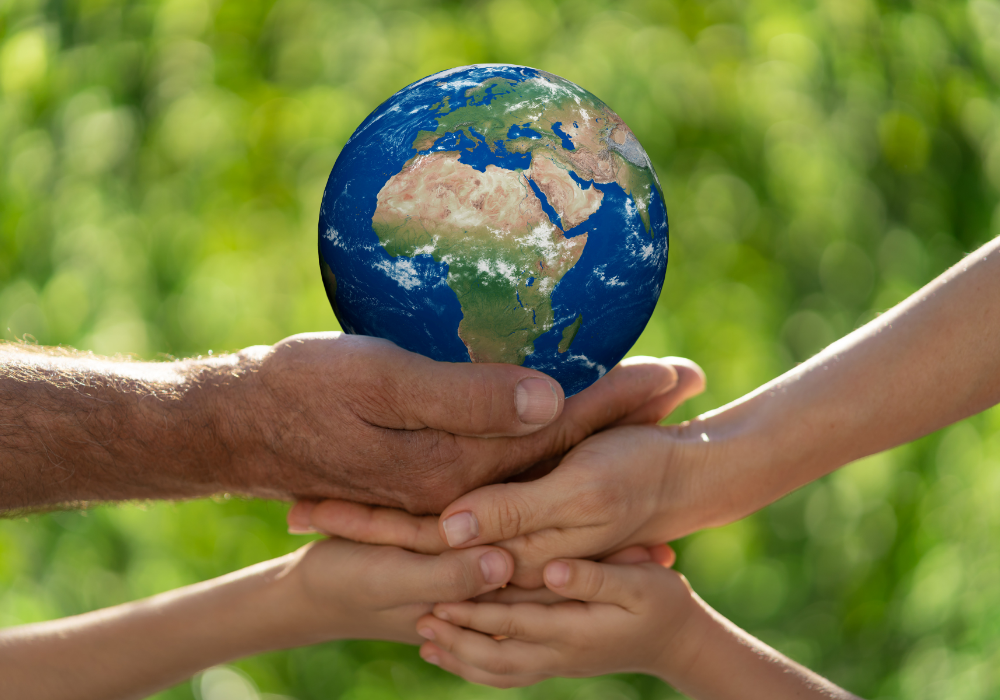
There’s a strange pride some people take in acting like the planet can handle endless punishment. But Earth isn’t invincible—it’s exhausted. Decades of extraction, pollution, and short-term greed have pushed ecosystems closer to collapse than most people want to admit. The signs are flashing everywhere: record heat, dying species, rising seas, and brutal storms. We keep pretending resilience has no limit, but nature’s breaking point is approaching fast.
Real change doesn’t come from proving how much damage we can survive. It comes from finally learning how to care. Stewardship isn’t optional—it’s the only path left if we want any hope of a livable future. These 12 acts aren’t about sacrifice or grand heroics. They’re about finally stepping up and doing the work we should have started long ago. The planet doesn’t need toughness—it needs us to stop being reckless.
1. Wetlands are the underestimated defenders standing between us and climate catastrophe.
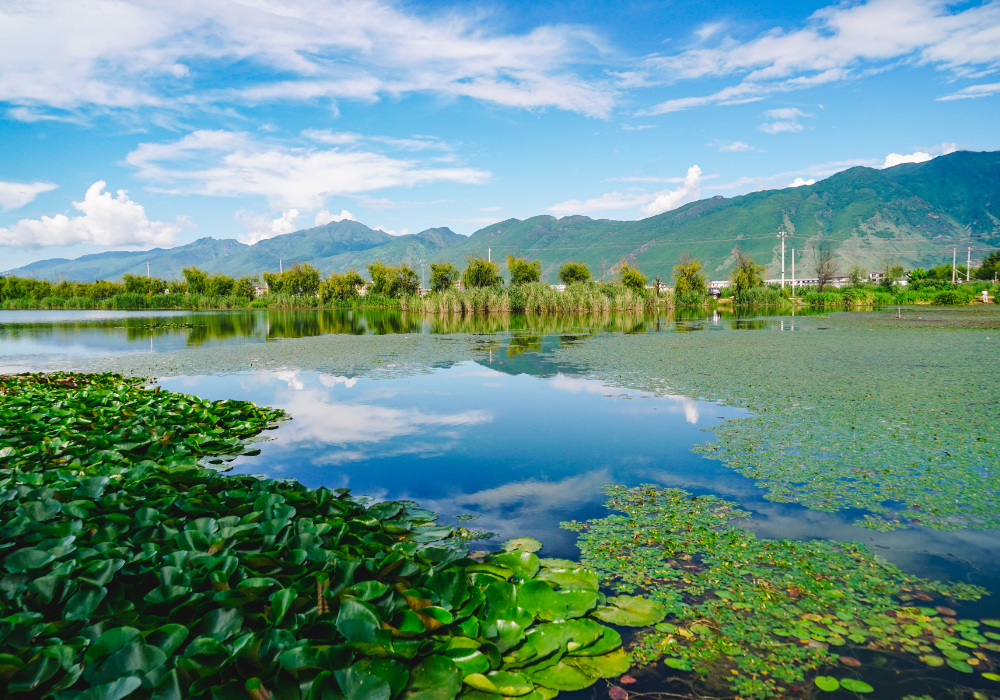
For years, wetlands were treated like wasted space—drained, paved, and written off as useless swampland. Now we’re finally realizing they were one of nature’s best defenses all along. According to Tetsuji Ida for the World Economic Forum, although they cover only about 1% of the Earth’s surface, wetlands store roughly 20% of the world’s organic ecosystem carbon, making them some of the most efficient carbon sinks on the planet. Wetlands absorb floodwaters, filter out pollutants, store massive amounts of carbon, and create rich habitats for countless species.
Restoring wetlands means undoing decades of damage. It’s about breaking down levees, letting water flow naturally, and bringing back native plants that stabilize the land. Once restored, wetlands can heal themselves quickly, providing both climate protection and biodiversity recovery.
As storms intensify, seas rise, and water becomes increasingly unpredictable, wetlands quietly stand guard. They aren’t empty spaces—they’re living systems doing critical work. The more we bring them back, the more resilient our coastlines and communities become.
2. Stepping aside and letting nature repair itself is one of the smartest things humans can do.

Humans have a terrible habit of assuming everything needs constant management. We regulate, trim, mow, and “maintain” landscapes until they barely resemble functioning ecosystems. But nature has spent billions of years learning how to balance itself—and when we finally back off, it often recovers far faster than expected.
Per Lanhui Wang for npj Biodiversity, rewilding abandoned farmland outperforms tree-planting schemes—restoring ecosystems more effectively and generating greater benefits for biodiversity and climate resilience. Rewilding isn’t laziness; it’s trust in nature’s design. Allowing forests to regrow, rivers to run free, and predators to return triggers a cascade of ecological recovery. Plants reclaim abandoned land, animals repopulate old ranges, and food chains stabilize. What feels like loss of control is actually nature regaining control, as it should. We don’t have to engineer every solution.
3. Planting native species in your yard transforms ordinary space into a powerful ecological refuge.
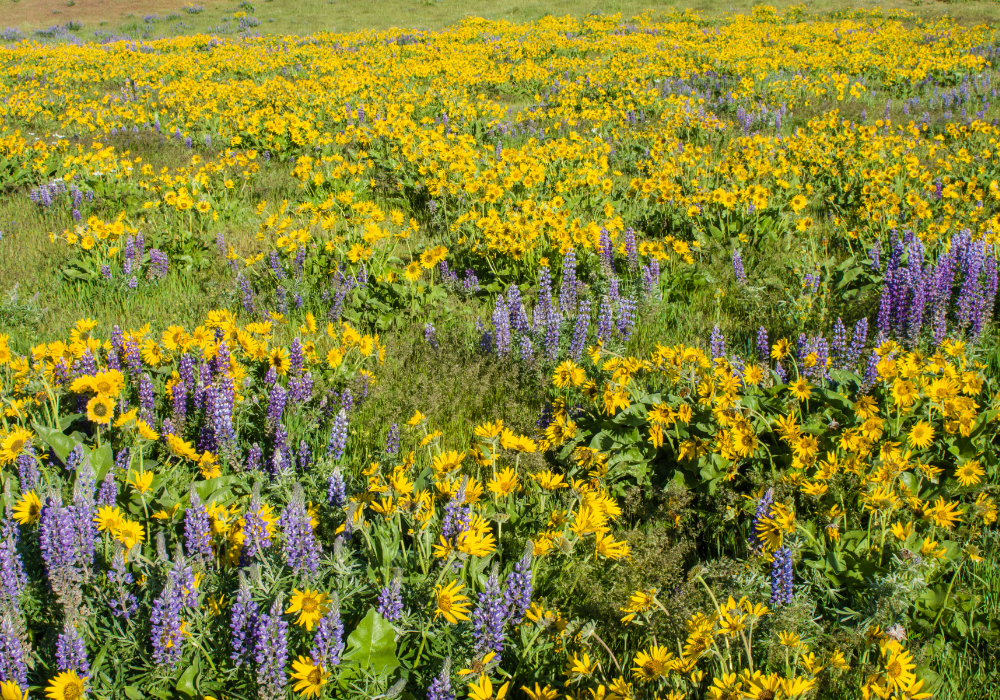
The typical suburban lawn is a lifeless green carpet that wastes water, invites chemicals, and offers almost nothing to local wildlife. But when you fill that same space with native plants, everything changes. These plants evolved alongside local insects, birds, and pollinators, making them perfectly suited to support entire ecosystems.
As highlighted by Mary Phillips for the National Wildlife Federation, yards with 50–70% native plants attract significantly more birds, butterflies, and native bees compared to lawn-only landscapes, transforming ordinary yards into functional wildlife habitats. A yard filled with native wildflowers, shrubs, and grasses becomes more than just pretty—it becomes a functioning refuge. Birds find shelter, bees gather pollen, and beneficial insects return. Deep root systems stabilize soil, reduce runoff, and store carbon underground. It’s one of the simplest, most immediate ways to make a meaningful impact right outside your door.
4. Protecting pollinators means safeguarding the very foundation of the food system we depend on.
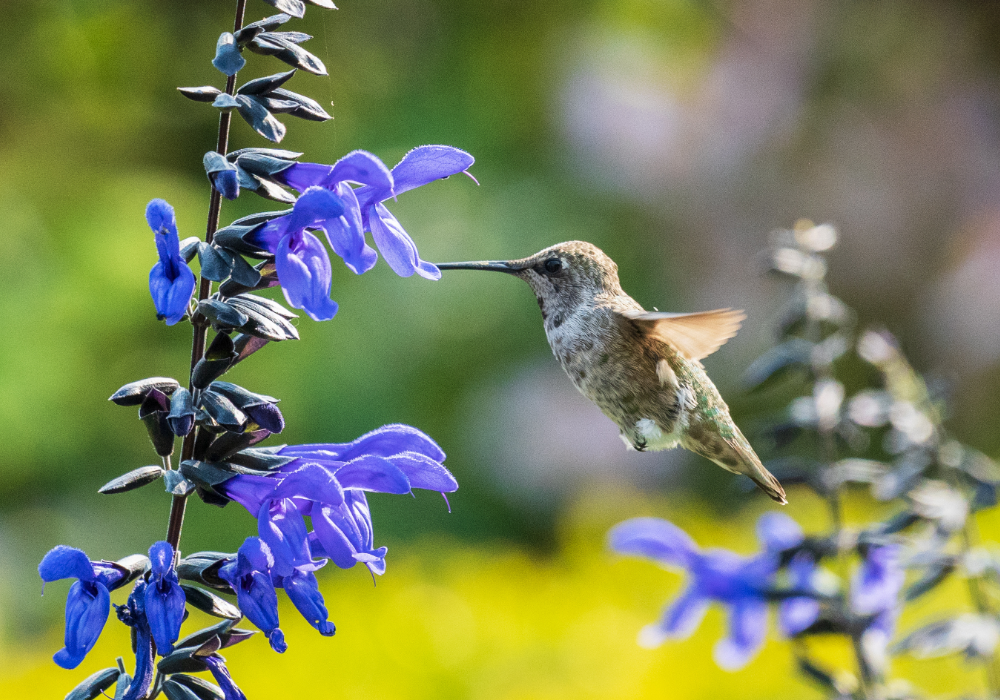
Pollinators aren’t just cute—they’re essential. Every time a bee visits a flower or a hummingbird darts past your feeder, they’re helping keep fruits, vegetables, nuts, and countless other crops alive. But pesticides, habitat loss, and climate disruption are wiping out pollinator populations at alarming rates. Without them, entire food chains—including ours—start to collapse.
Stewardship means creating safe, thriving spaces for pollinators. That includes planting wildflowers, avoiding chemical sprays, preserving nesting habitats, and even allowing a little “mess” in your yard where bees can burrow and butterflies can lay eggs. Supporting local farmers who use pollinator-friendly practices also creates broader impact. These tiny creatures are doing enormous work behind the scenes. Saving them isn’t just about preserving beauty—it’s about keeping global food supplies stable and preventing cascading ecosystem failures we won’t be able to undo.
5. Healthy soil is one of the planet’s most overlooked but most powerful climate solutions.
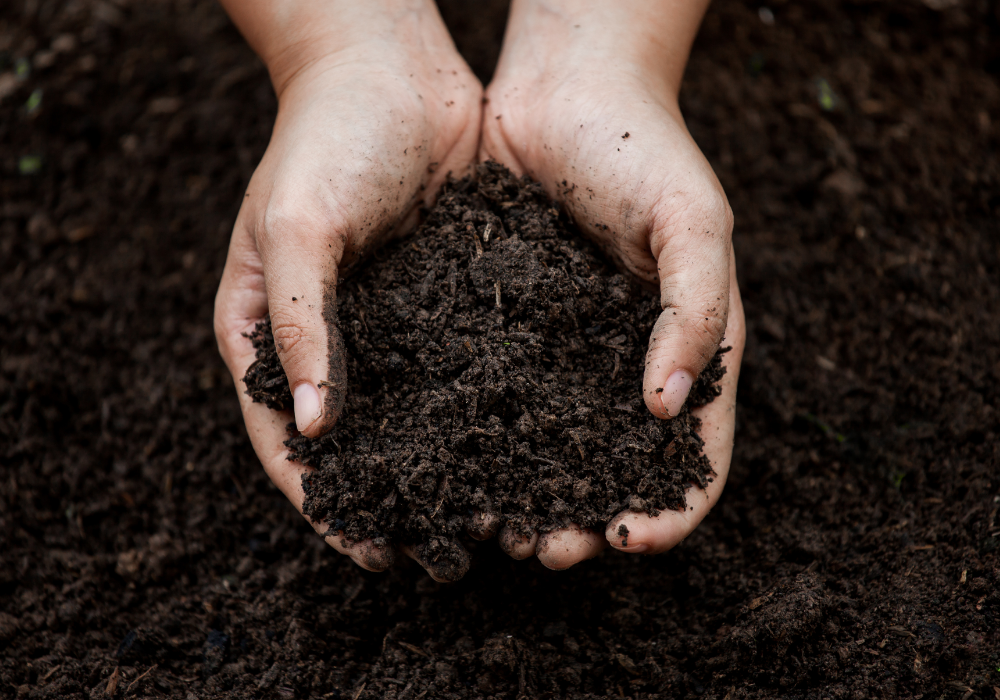
We walk on it, build over it, and rarely think about what’s happening beneath our feet. But soil isn’t inert—it’s alive. Microscopic life forms underground form complex networks that store carbon, retain water, and keep plants healthy. Unfortunately, industrial agriculture has been devastating these systems for decades, leaving behind dead, eroded dirt instead of living, carbon-trapping soil.
Regenerative farming brings that life back. By planting cover crops, rotating plant varieties, reducing tillage, and replenishing organic matter, farmers rebuild the web of microbes and fungi that makes soil thrive.
Healthy soil locks away carbon far more effectively than any machine we’ve invented. And as the climate crisis worsens, restoring soil health offers one of the most immediate, scalable ways to pull carbon from the atmosphere while strengthening food systems at the same time. It’s not glamorous, but it’s absolutely critical.
6. Removing dams unleashes rivers that have been suffocating under concrete for decades.
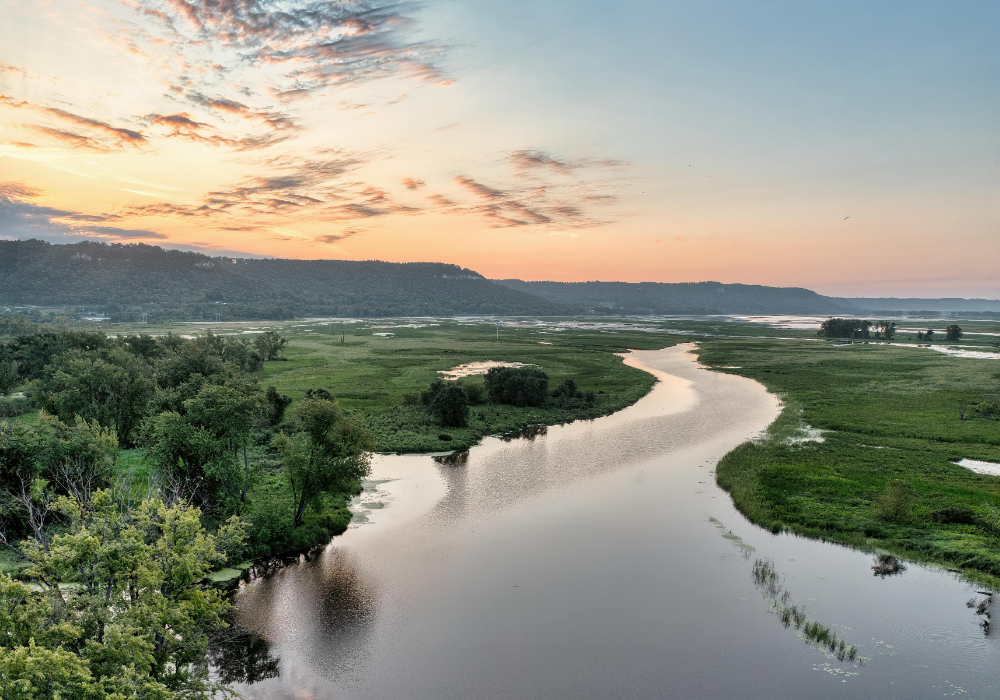
For generations, dams were seen as symbols of human progress. We blocked rivers to generate power, control floods, and feed irrigation systems. But in doing so, we strangled entire ecosystems. Fish migrations collapsed, wetlands dried out, and downstream habitats lost the natural flows they depended on for survival.
When old, obsolete dams finally come down, rivers spring back to life astonishingly fast. Salmon and other migratory fish reclaim lost spawning grounds. Sediment flows return, rebuilding eroded coastlines. Wetlands refill, birds return, and entire food webs reawaken. Removing a dam can feel radical—but often it’s the most effective way to undo decades of ecological damage almost overnight. These freed rivers remind us that nature still holds incredible power to heal itself if we simply get out of its way and let the water run free again.
7. Old-growth forests hold ancient secrets that protect us in ways we barely understand.
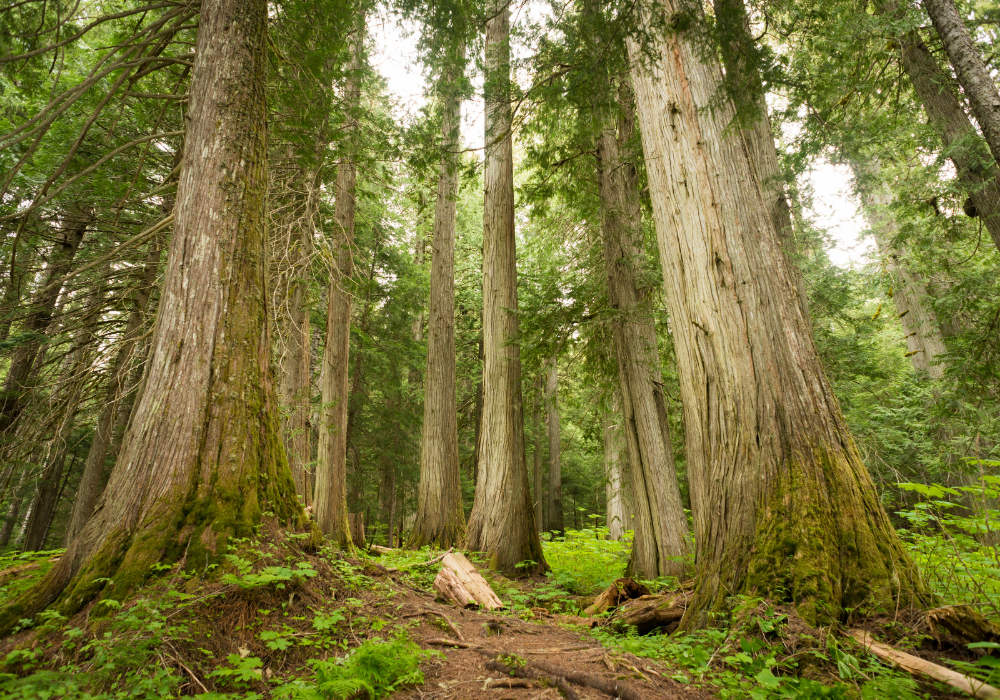
Massive, towering trees that have stood for centuries are doing far more than shading hikers or decorating postcards. They are living carbon vaults, pulling greenhouse gases out of the atmosphere and locking them safely inside trunks, branches, roots, and soil. But once we cut them down, that stored carbon pours back into the sky—and we lose ecosystems that won’t regenerate for hundreds of years.
Old-growth forests also host astonishing biodiversity, with thousands of plant, insect, bird, and animal species depending on the stability these ancient ecosystems provide. Once destroyed, their intricate relationships crumble. Protecting these forests isn’t just about preserving beauty—it’s about safeguarding some of the most powerful natural tools we have to stabilize the climate. No technology can replace what these forests have perfected over centuries. Once they’re gone, we don’t get them back.
8. Plastic waste is quietly invading every corner of the planet and entering your own body.
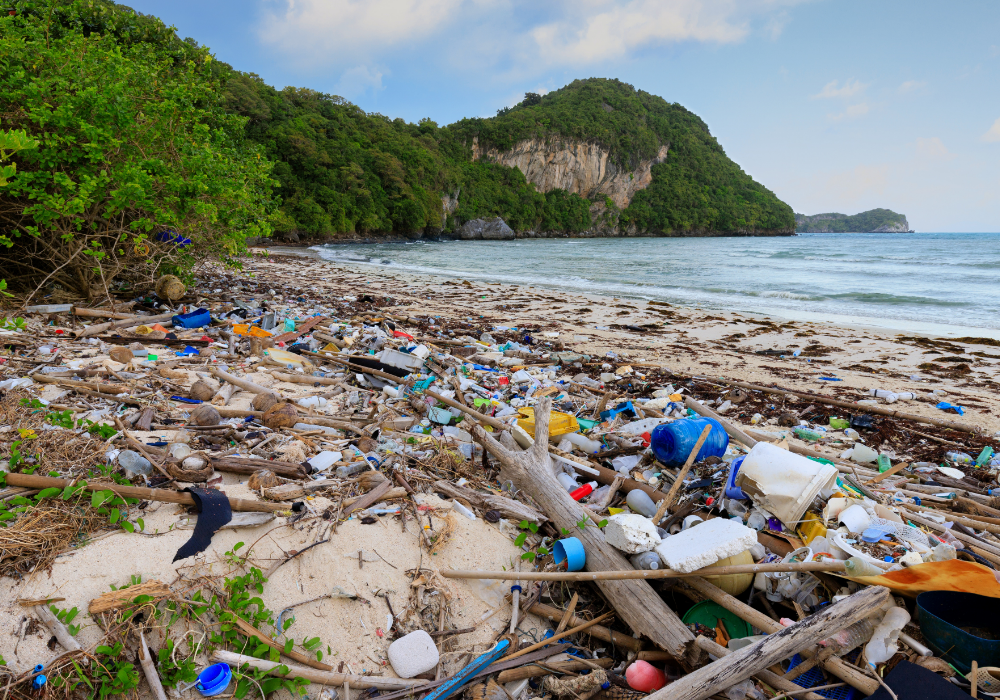
Plastic pollution isn’t just floating in the ocean anymore. It’s breaking down into tiny particles that now contaminate rivers, soil, the air we breathe, and the food we eat. From plastic packaging tossed after one use to microplastics washing off synthetic clothes, this debris doesn’t disappear—it lingers, spreading deeper into the environment with every passing year.
Reducing plastic pollution means confronting our addiction to disposable convenience. It requires more than reusable water bottles or skipping straws—it demands massive shifts from industries that flood markets with cheap plastic packaging. Regulations, innovation, and pressure on corporations are critical if we want to slow this toxic invasion. What we once saw as harmless trash is now an environmental time bomb. And if we don’t change course, we’re not just poisoning ecosystems—we’re slowly poisoning ourselves.
9. Overfished oceans are warning us what happens when we treat limitless resources like bottomless pits.
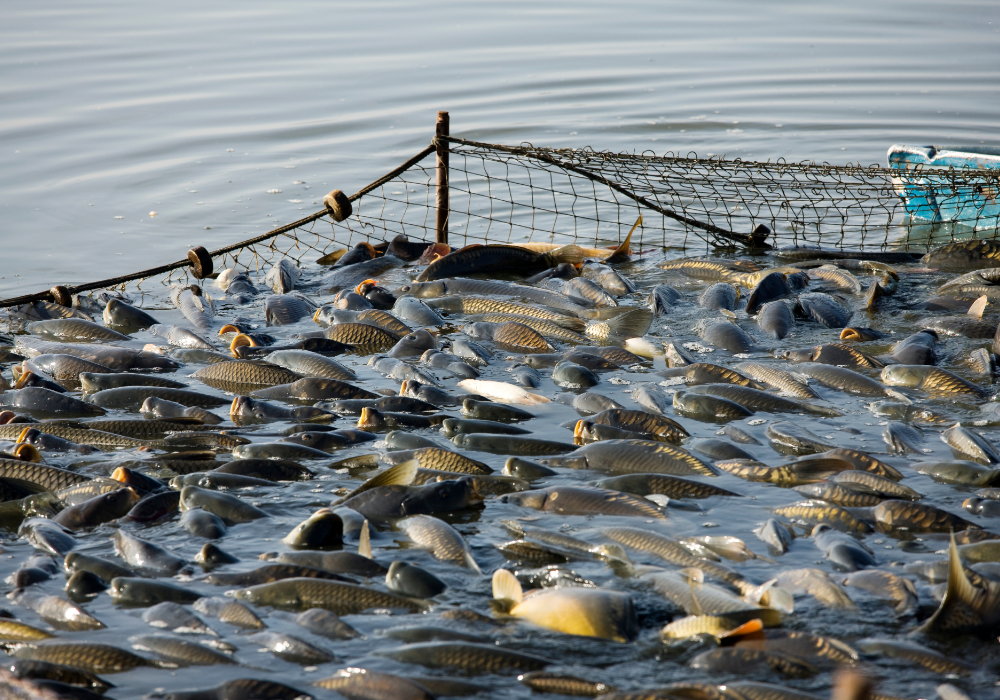
Decades of aggressive overfishing have turned once-bountiful seas into ghost towns. Fish populations collapse, marine food webs unravel, and coastal communities that depend on fisheries lose their lifeline. But the ocean has shown remarkable resilience when given the chance to recover under strict protections.
Establishing marine protected areas, enforcing catch limits, and cracking down on illegal fishing allow populations to rebound faster than most people expect. Buying sustainably sourced seafood signals demand for responsible practices. Healthy oceans regulate global temperatures, absorb carbon, and support millions of people who rely on them for food. We aren’t separate from these systems—we’re embedded in them. Stewardship here means finally learning how to share with nature instead of taking until there’s nothing left.
10. Suburban sprawl is quietly carving up ecosystems into pieces too small for wildlife to survive.
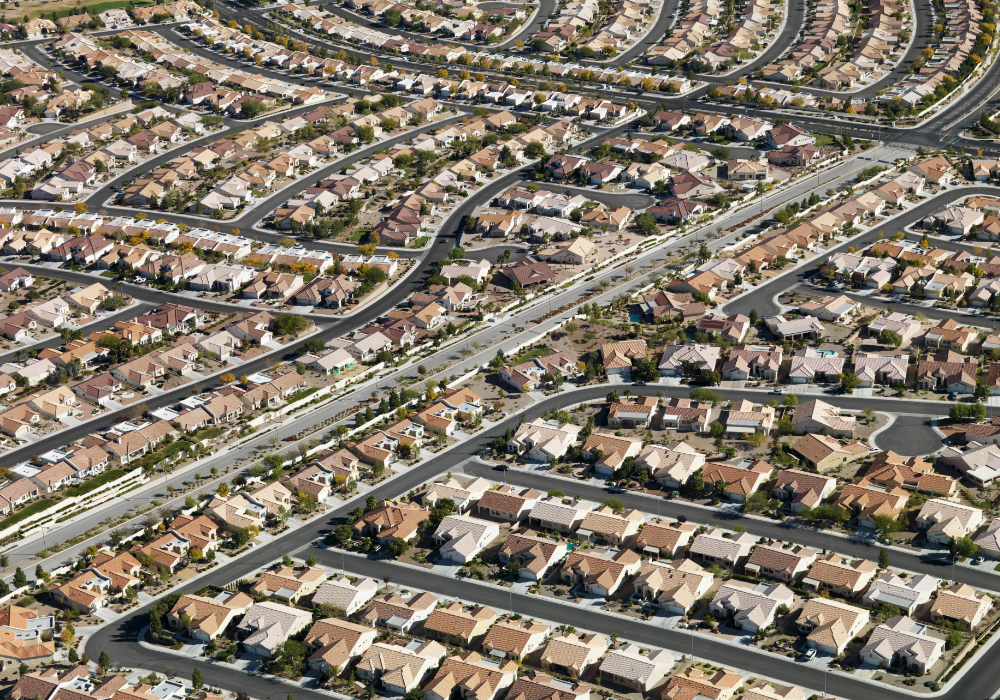
Every time a new housing development, shopping center, or road cuts into wild space, it fragments habitats that countless species rely on. Animals lose safe passage between food sources. Pollinators lose critical foraging territory. Entire plant communities break apart, leaving isolated patches that struggle to survive on their own.
Better urban planning can protect green corridors that allow wildlife to move, migrate, and thrive even alongside growing human populations. Denser cities, preserved open spaces, and smarter transportation design can reduce the relentless march of sprawl that bulldozes habitats into extinction.
Growth isn’t automatically bad—but unchecked, careless expansion is. Stewardship means recognizing that progress isn’t defined by how much land we conquer but by how much life we allow to continue thriving beside us.
11. Coral reefs are collapsing before our eyes while we argue about whether to act.
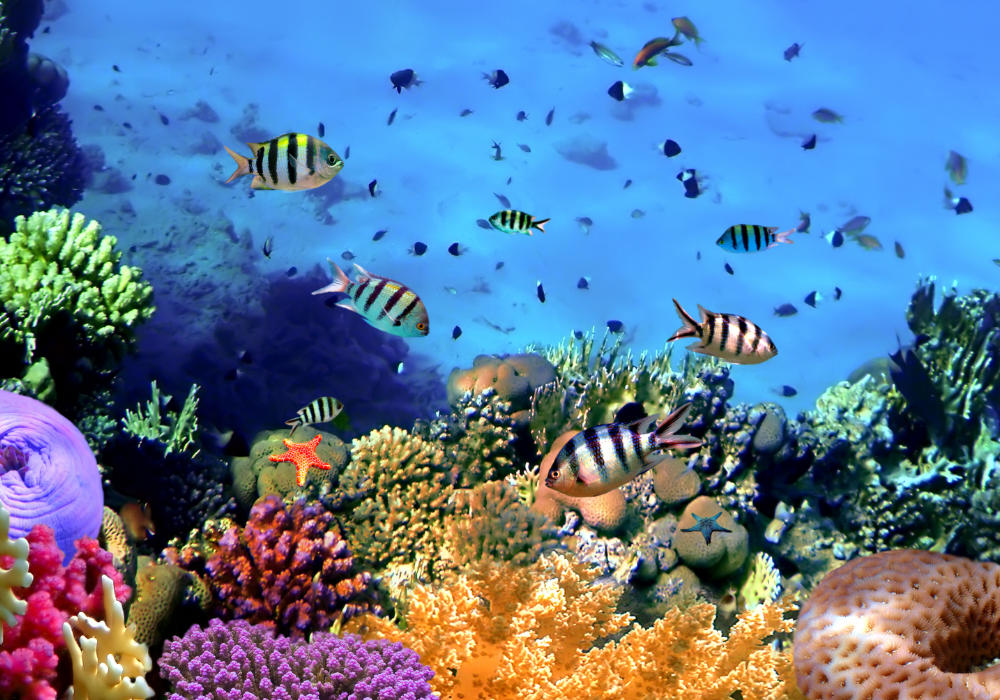
Coral reefs are some of the most vibrant, productive ecosystems on the planet, supporting nearly a quarter of all marine species. But as oceans warm and acidify, corals bleach, weaken, and die—leaving once-lush underwater cities barren and lifeless. Without urgent intervention, many reefs may disappear entirely within decades.
Restoration is possible, but it demands rapid action: reducing pollution runoff, developing heat-resistant coral strains, and aggressively cutting carbon emissions. Healthy reefs protect shorelines from storms, sustain fisheries, and anchor global biodiversity. Losing them isn’t just an ecological tragedy—it’s a collapse with massive human consequences. We already know what needs to be done. The only question is whether we’re willing to move fast enough to save what’s left before it crosses the point of no return.
12. Fossil fuels remain the root of the climate crisis—and cutting them is non-negotiable.
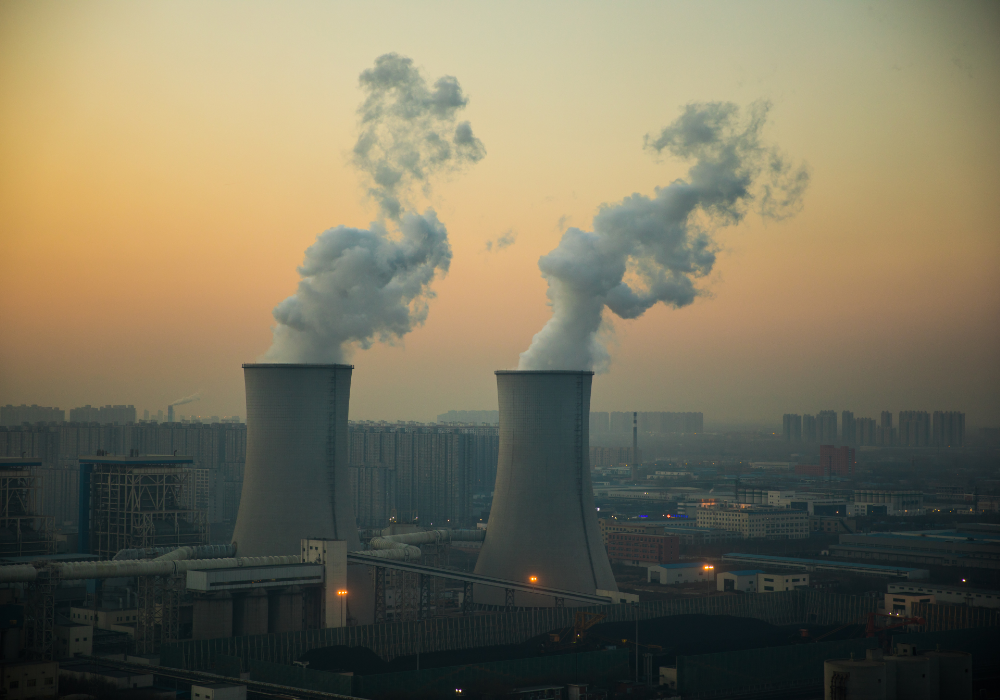
We can plant trees, clean up rivers, and protect wildlife all we want—but none of it will matter if we keep pumping carbon into the sky at today’s pace. Burning oil, gas, and coal remains the single biggest driver of climate change. Every barrel pulled from the ground pushes us closer to irreversible tipping points.
Renewable energy technology is ready. The cost of wind, solar, and storage keeps dropping. We don’t need futuristic inventions—we need courage to make the transition now. Ending fossil fuel dependence isn’t just one piece of climate action—it’s the foundation everything else rests on. Every day we delay means higher stakes, harsher consequences, and fewer options for future generations. The planet doesn’t need more debates—it needs a hard stop.