
While the U.S. lags, these 11 brilliant climate solutions from around the globe are already changing the world.
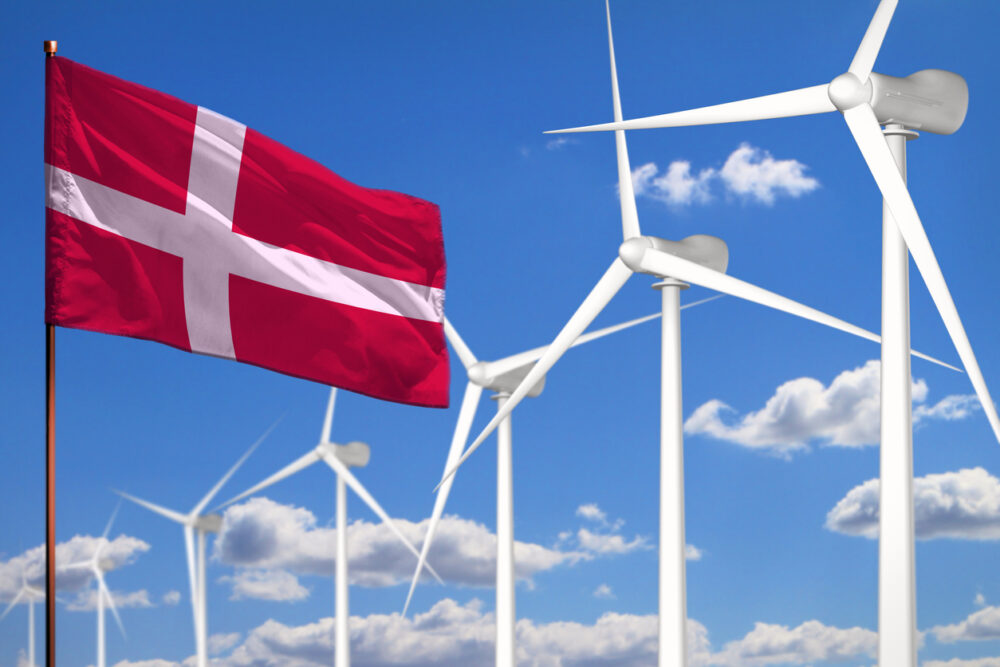
We often hear that the United States is a leader, a trendsetter, especially when it comes to innovation. But in the critical race against climate change, the uncomfortable truth is that we’re lagging behind. While political debates sometimes stall progress here, other countries around the world aren’t just talking about climate solutions; they’re actively implementing groundbreaking strategies that are already making a tangible difference.
Imagine entire nations powered by renewable energy, cities designed for zero waste, or technologies pulling carbon directly from the air. These aren’t far-off dreams; they are present-day realities in places embracing bold, forward-thinking approaches. The rest of the world isn’t waiting, and their successes offer a clear blueprint for how we, too, can accelerate our efforts. It’s time to look beyond our borders and recognize that effective climate action isn’t a distant fantasy, but a practical reality being built elsewhere, right now. U.S. leaders need to wake up to these inspiring climate fixes that other countries are already doing, proving that a greener, more sustainable future is not just possible, but already in motion.
1. Entire countries are already running on nearly 100% renewable energy.
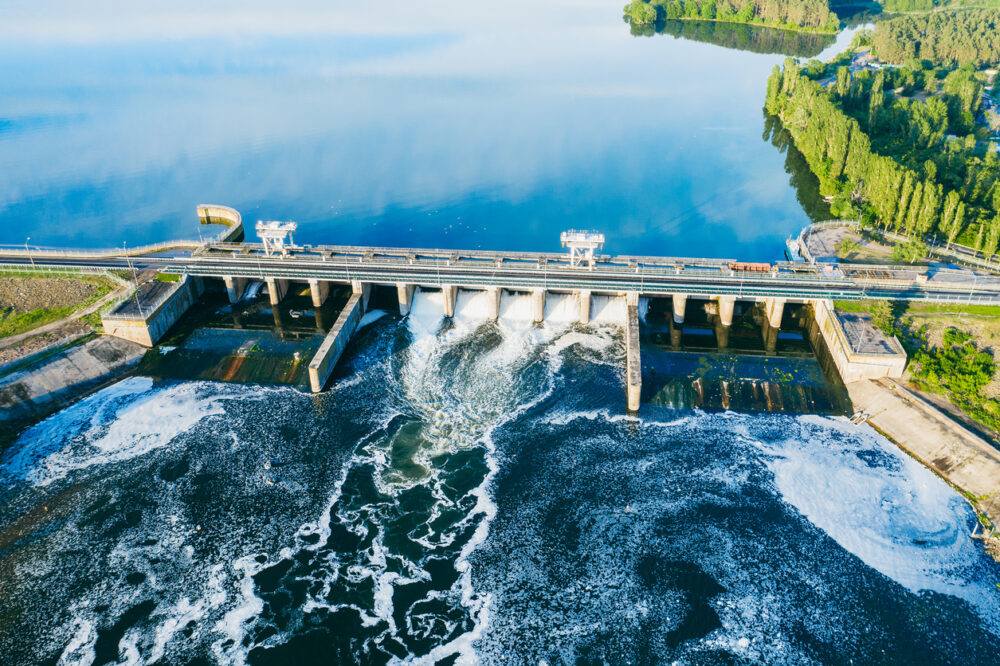
Wouldn’t it be great if you could flip a switch and know that almost every electron powering your home, your lights, and your devices comes from the sun, wind, or water, not dirty fossil fuels? While the U.S. still heavily relies on coal and natural gas, several nations have made incredible strides towards achieving near 100% renewable energy grids. Countries like Iceland, with its abundant geothermal and hydropower, have practically eliminated fossil fuels for electricity generation, according to the experts at EBSCO. Costa Rica frequently runs for months purely on renewables, primarily hydropower. Even larger nations like Uruguay have seen remarkable transformations, getting most of their electricity from wind and solar.
This isn’t just about reducing carbon emissions; it’s about energy independence, cleaner air, and often more stable energy prices. It shows us that with political will and strategic investment, a fossil-fuel-free future isn’t a distant fantasy, but a present-day reality in many parts of the world, offering a clear roadmap for what’s possible when we truly commit.
2. Cities are designed to be car-free and pedestrian-friendly.

Picture a city where the air is clean, the streets are quiet, and you can walk or bike everywhere without ever worrying about traffic or finding parking. While many U.S. cities grapple with congestion and pollution, places like Copenhagen, Amsterdam, and even smaller towns across Europe are actively designing urban spaces to prioritize people over cars, as reported by the people at Ams-Institute. They’re investing heavily in extensive bike lane networks, making public transportation incredibly efficient and accessible, and creating large pedestrian-only zones that become vibrant social hubs.
It’s not just about reducing emissions; it’s about improving public health, fostering stronger communities, and making daily life more enjoyable. There would be fewer traffic jams, more green spaces, and a stronger sense of local community. These cities prove that a different urban future is not only possible but already thriving, offering a blueprint for healthier, happier living.
3. Nations are pioneering massive carbon capture and storage projects.

What if we could literally suck carbon dioxide out of the air, or prevent it from ever reaching the atmosphere? While this might sound like science fiction, other countries are already making it a reality on a significant scale. Places like Norway, Iceland, and Canada are home to some of the world’s leading carbon capture and storage (CCS) facilities, as stated by the authorities at the Natural Resources Canda. These projects are designed to either capture CO2 emissions directly from industrial sources, like power plants, before they’re released, or even remove existing CO2 from the atmosphere using direct air capture technology. Once captured, the carbon is then safely stored deep underground, preventing it from contributing to global warming.
It’s a crucial step for hard-to-decarbonize industries and a vital technology for reaching net-zero emissions. These initiatives show that innovative engineering can play a huge role in tackling the climate crisis, demonstrating practical solutions that the U.S. could scale up.
4. Countries are embracing advanced geothermal energy beyond volcanic regions.
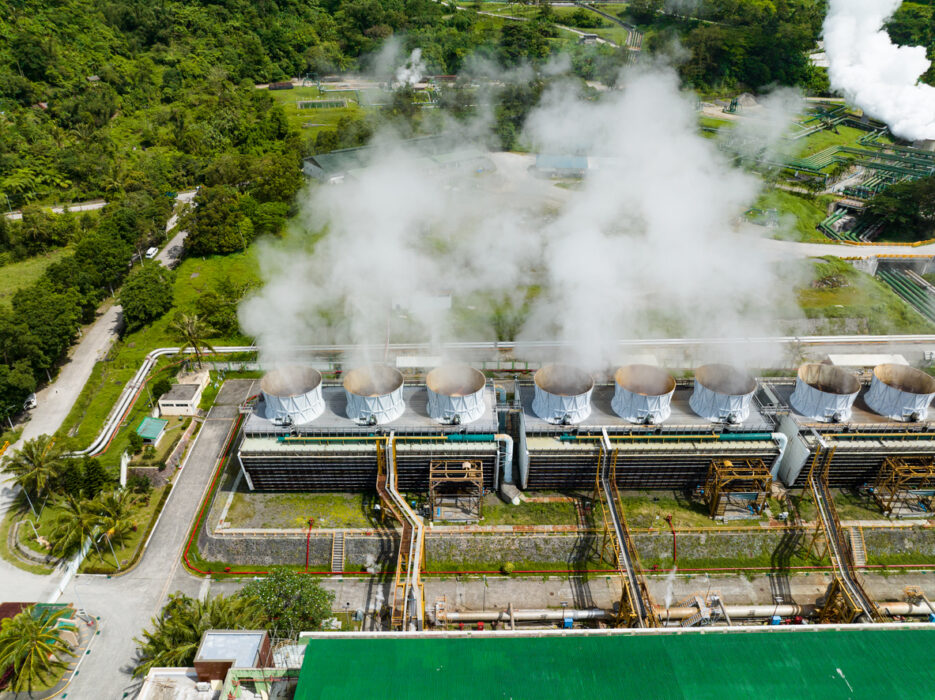
When you think of geothermal energy, you might imagine volcanic hotspots like Iceland. But what if we could tap into the Earth’s heat almost anywhere? While the U.S. primarily uses conventional geothermal, countries like Germany, France, and Australia are investing heavily in enhanced geothermal systems (EGS). This cutting-edge technology involves drilling deep wells to access hot rock formations, then injecting water to create a steam loop that can generate electricity. It means we don’t need natural hot springs to harness this incredible renewable resource.
The potential is enormous, offering a reliable, 24/7 source of clean energy that isn’t dependent on sunshine or wind. It’s a game-changer because it opens up vast new areas for geothermal development, providing stable baseload power that complements intermittent renewables. These countries are showing us that the power beneath our feet is far greater and more accessible than we once thought.
5. Smart grids are optimizing energy use and integrating renewables seamlessly.
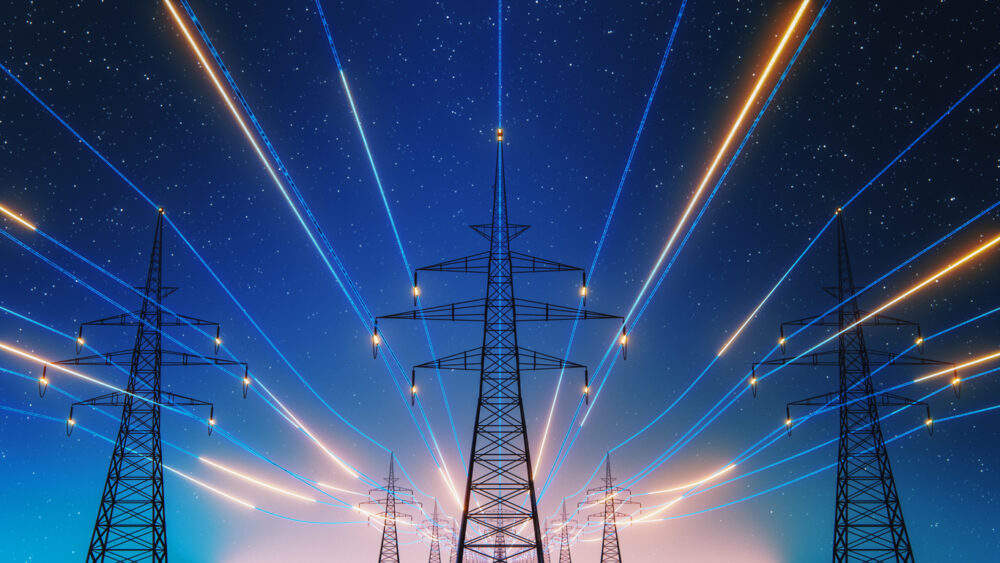
These electricity grids are not just one-way streets, but dynamic, intelligent networks that know exactly how much power is needed where, when, and from what source. While the U.S. still relies on a somewhat antiquated grid system, countries like Germany, Denmark, and South Korea are leading the charge in developing advanced smart grids. These sophisticated systems use digital technology to monitor, control, and optimize energy flow in real time. They can seamlessly integrate intermittent renewable sources like solar and wind, store excess energy, and even allow consumers to manage their energy use more efficiently.
It means less waste, more reliability, and a much more resilient energy infrastructure. This isn’t just an efficiency upgrade; it’s fundamental to handling a future dominated by renewables, proving that intelligent infrastructure is key to a stable, clean energy transition.
6. Nations are implementing ambitious nationwide rewilding programs.

What if we could bring nature back, not just in small parks, but on a massive scale, helping both biodiversity and climate? While conversation efforts exist in the U.S., countries like the UK, parts of Europe, and even Australia are pioneering extensive “rewilding” initiatives. This goes beyond simple tree planting; it’s about restoring natural processes, allowing ecosystems to repair themselves, and bringing back native wildlife that can help manage the landscape naturally.
With rewilding, vast areas of forests regenerate, rivers flow freely, and species like beavers or wild horses help shape the environment in beneficial ways. It’s a powerful climate solution because healthy ecosystems absorb more carbon, regulate water cycles, and become more resilient to climate impacts. It’s a shift from just preserving nature to actively helping it heal and thrive, proving that ecological restoration is a powerful climate ally.
7. Circular economy models are minimizing waste and maximizing resources.

Think about a world where “waste” is almost a dirty word, and everything is designed to be reused, repaired, or recycled endlessly. While the U.S. is still heavily reliant on a linear “take-make-dispose” economy, countries like the Netherlands and Finland are actively embracing circular economy principles. This means rethinking how products are designed, produced, used, and ultimately reused, minimizing resource extraction and landfill waste.
Businesses are incentivized to create durable, repairable goods, and consumers are encouraged to share, repair, and recycle. It’s about keeping materials in use for as long as possible, reducing the need for new resources and the energy required to produce them, which in turn slashes emissions. It’s a complete systemic shift away from our wasteful habits, demonstrating a more sustainable and resource-efficient way to live and produce.
8. Strict carbon pricing and taxes are driving emissions down.

What if putting a price on pollution could actually make a huge difference in how much carbon industries emit? While carbon pricing remains a hot topic of debate in the U.S., countries like Sweden, Norway, and Canada have long-standing, robust carbon taxes and emissions trading schemes in place.
These mechanisms make it more expensive for businesses to pollute, creating a financial incentive for them to invest in cleaner technologies and reduce their carbon footprint. It’s a straightforward economic tool that rewards innovation and penalizes unsustainable practices. The revenue generated can even be reinvested into green initiatives or returned to citizens. These nations demonstrate that properly implemented carbon pricing can be a highly effective way to drive significant emissions reductions across various sectors, proving that economic levers can accelerate climate action.
9. Countries are scaling up vertical farms for local, sustainable food.

These farms allow for fresh, nutritious produce grown right in the heart of your city, using minimal water and no pesticides, regardless of the weather outside. While traditional agriculture faces increasing climate challenges, countries like Japan, Singapore, and the Netherlands are leading the way in developing large-scale vertical farms. These indoor, multi-layered farms use controlled environments, LED lighting, and often hydroponics or aeroponics to grow crops efficiently. This significantly reduces the need for land, water, and long-distance transportation, cutting down on carbon emissions associated with food production.
It means fresh food can be grown year-round, closer to consumers, reducing waste and increasing food security. It’s a revolutionary approach to feeding a growing population sustainably, proving that innovative agricultural techniques can be a powerful climate solution for urban environments.
10. Blue carbon initiatives are protecting crucial ocean ecosystems.

Think about the ocean not just as a vast expanse of water, but as a giant carbon sink, quietly absorbing vast amounts of CO2 from our atmosphere. While often overlooked, “blue carbon” ecosystems like mangrove forests, salt marshes, and seagrass meadows are incredibly efficient at capturing and storing carbon. Countries like Australia, Indonesia, and various island nations are investing heavily in protecting and restoring these vital coastal habitats. This isn’t just about preserving marine biodiversity; it’s a powerful natural climate solution.
These ecosystems can sequester carbon at rates far greater than terrestrial forests, while also providing critical protection against storm surges, supporting fisheries, and filtering water. It’s a win-win for both climate and coastal communities, showing that nature-based solutions in our oceans are an indispensable part of the global climate fight.
11. Whole-of-government approaches are embedding climate action everywhere.

Imagine if every government department, from transportation to education, had climate action woven into its core mission, not just the environmental agency. While climate efforts in the U.S. can sometimes feel fragmented, countries like New Zealand and Sweden are adopting “whole-of-government” approaches to climate change. This means integrating climate considerations into all policy-making, budgeting, and planning across every sector. It’s about recognizing that climate change isn’t just an environmental issue, but something that impacts economy, health, social justice, and national security.
This comprehensive strategy ensures that climate goals are consistently pursued, resources are aligned, and progress isn’t siloed. It fosters a more coherent and effective national response, proving that true climate leadership requires a systemic shift in how governance itself operates.