
These landscapes are breathtaking now, but their past is full of scars.
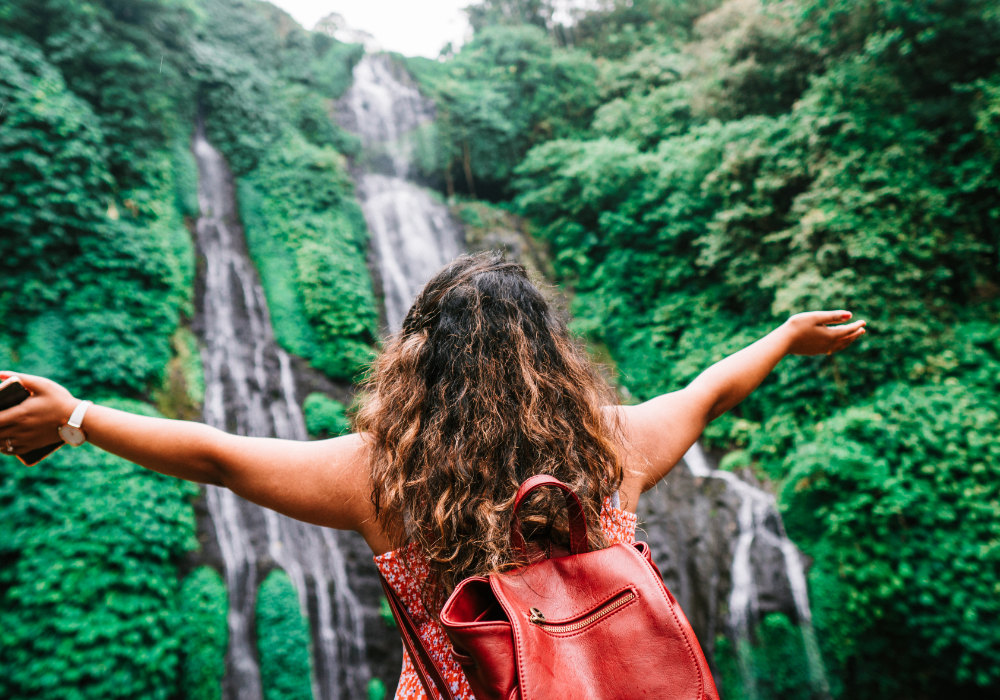
Some of the world’s most stunning places didn’t start out serene—they began with chaos, destruction, or loss. The kind of transformation that makes you stop and wonder how beauty ever bloomed there at all. These aren’t just pretty vacation spots. They’re places where nature, history, and time worked overtime to heal something that was once broken, buried, or burned.
What looks like paradise now might’ve been the site of a deadly eruption, a collapsed city, or a man-made disaster. And that’s what makes them feel different. They carry memory in their soil. You can feel the tension—between what was and what came after. These places don’t just remind us of what can be rebuilt. They show how beauty isn’t the absence of damage. It’s what rises in its wake. Sometimes, the most unforgettable views only exist because something else was lost first.
1. Crater Lake is a jaw-dropping oasis formed by a volcanic collapse.
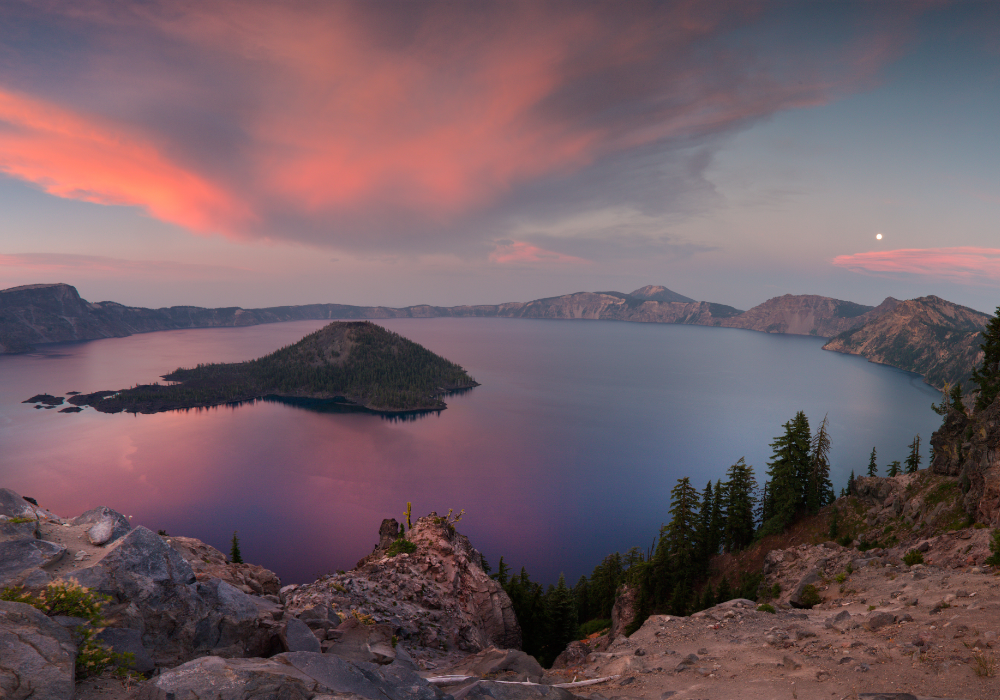
At first glance, Crater Lake in Oregon feels almost unreal—so blue it looks photoshopped, so still it feels sacred. But it didn’t start this way. Around 7,700 years ago, Mount Mazama erupted in one of the most violent explosions North America has ever seen. According to writers for the U.S. Geological Survey, the eruption emptied the volcano’s magma chamber and caused the summit to collapse, forming a massive caldera that eventually filled with rain and snowmelt to become Crater Lake.
What we now see as a peaceful lake was once a landscape ripped apart by fire and fury. No rivers feed it. No rivers drain it. Its isolation, born of destruction, is part of what makes it so breathtaking. Today, people hike, camp, and marvel at the clarity of its waters. But beneath the surface lies a reminder that even devastation can leave behind something astonishing. It’s not just a lake—it’s a monument to nature’s ability to destroy, and then start again.
2. The Chernobyl Exclusion Zone is now a thriving accidental wildlife sanctuary.
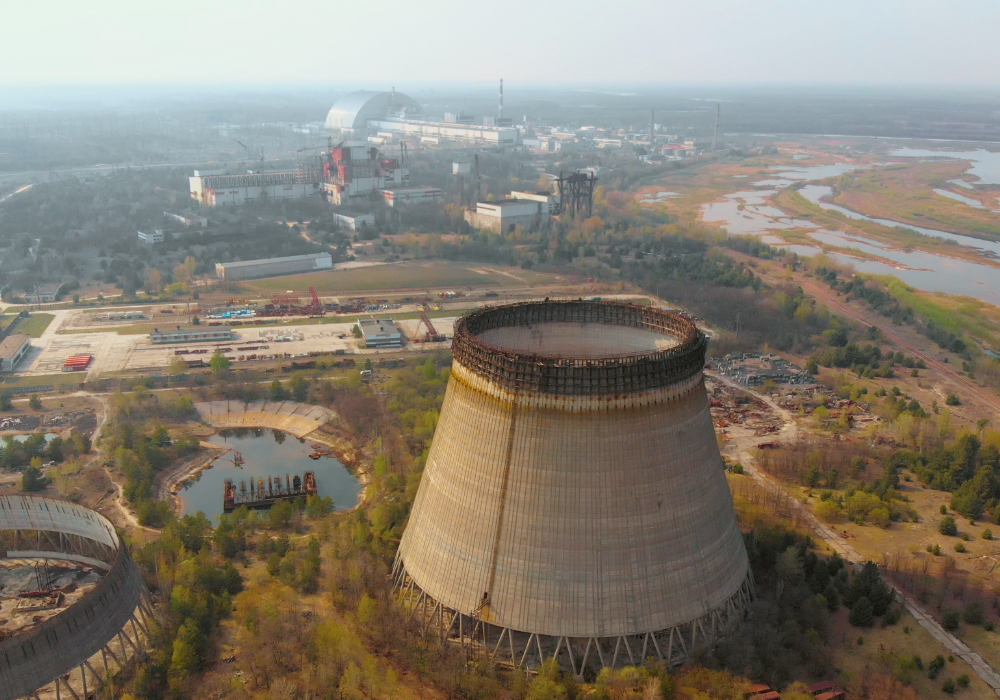
Chernobyl’s name is etched into history as one of the worst nuclear disasters ever. When the reactor exploded in 1986, thousands were evacuated, and an entire region was left abandoned. What no one expected was what happened next. With humans gone, nature moved back in—and fast. Per researchers for the United Nations Environment Programme, wildlife in the Chernobyl Exclusion Zone—including lynx, brown bears, deer, wolves, and even endangered Przewalski’s horses—has rebounded so strongly that the region now ranks as Europe’s third-largest nature reserve.
It’s eerie and beautiful all at once. Trees grow through old buildings. Vines crawl over rusted playgrounds. And the animals? They’re thriving in a place humans can’t safely return to. It’s not a clean fairy tale—radiation still lingers, and it always will. But the rebound of life in this contaminated zone challenges what we think we know about recovery. Chernobyl’s haunting beauty doesn’t erase the disaster. It underscores it. Nature didn’t need an invitation—it just needed us to leave.
3. Iceland’s dreamiest destination started as a geothermal mistake.
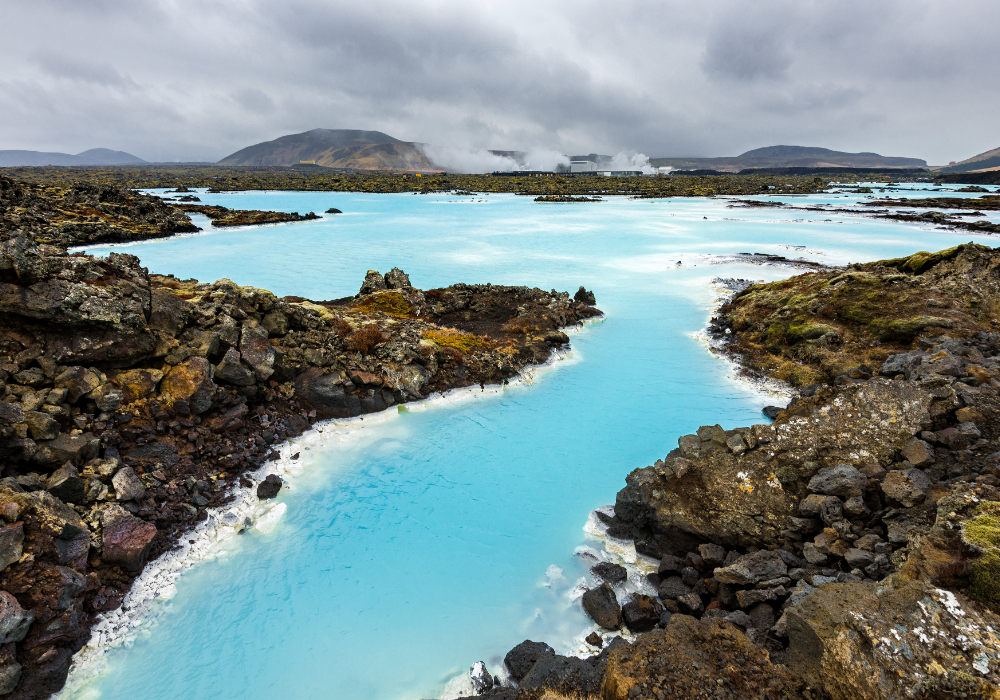
It looks like a Nordic dream—milky turquoise waters surrounded by black lava fields, steam rising against a dramatic sky. But Iceland’s famous Blue Lagoon wasn’t a natural hot spring. It formed in the 1970s as runoff from a nearby geothermal power plant. Engineers thought it was a mistake. As highlighted by experts at the Blue Lagoon’s official website, engineers at the Svartsengi plant expected the runoff water to seep back into the lava, but silica buildup clogged the rock and created the glowing blue pool that began filling in the early 1980s. Locals started bathing in it anyway.
And then something strange happened—people with skin conditions like psoriasis began noticing improvements. The mineral-rich water, packed with silica and algae, gained a healing reputation. Today, it’s a luxury spa destination, with curated experiences built around what started as an unintended puddle in a lava field.
The Blue Lagoon proves that even industrial byproducts can lead to something surprisingly restorative. It’s not untouched nature—it’s nature and technology crashing into each other and accidentally creating one of the most visited places in Iceland.
4. Mt. St. Helens turned devastation into a living laboratory.
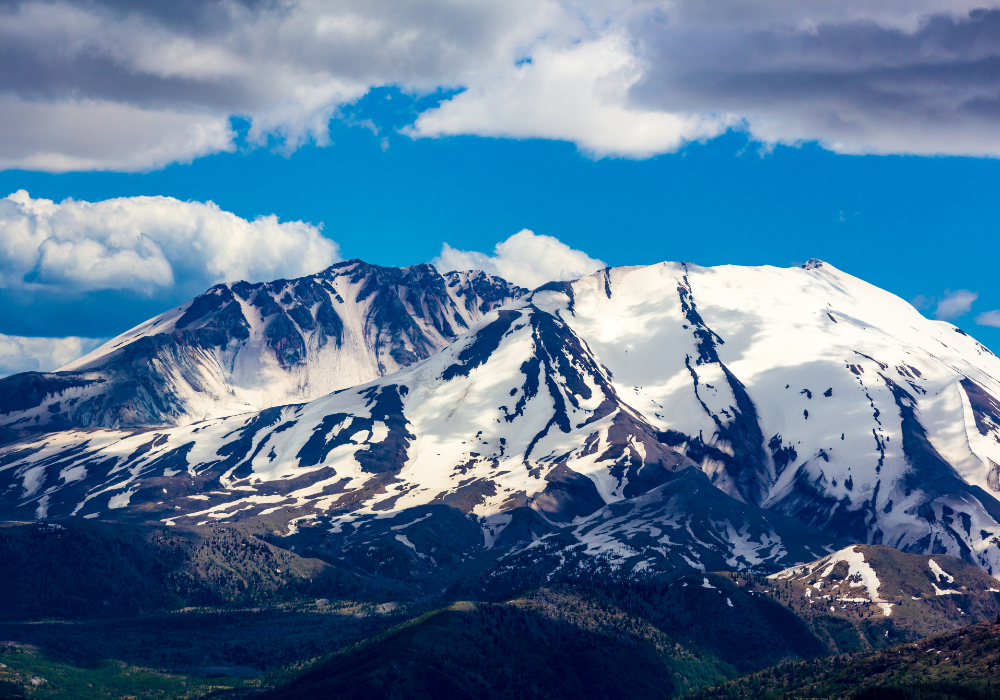
When Mt. St. Helens erupted in 1980, it flattened forests, buried rivers, and erased entire landscapes in seconds. Ash rained down for miles, and scientists assumed life would take decades—maybe centuries—to return. But just a few years later, green shoots broke through the ash. Animals crept back. Flowers bloomed where there had been only dust and silence.
Today, the area is one of the most closely studied natural recovery zones in the world. Walking through it feels like witnessing a miracle in slow motion. You see the skeletons of trees standing next to wildflowers and thriving ecosystems. It’s haunting and hopeful at the same time. What was once a dead zone is now a lesson in resilience. The mountain still bears scars, but it also tells a story that nature isn’t just fragile—it’s relentless in its comeback.
5. Great Barrier Reef coral graveyards are coming back to life—slowly.
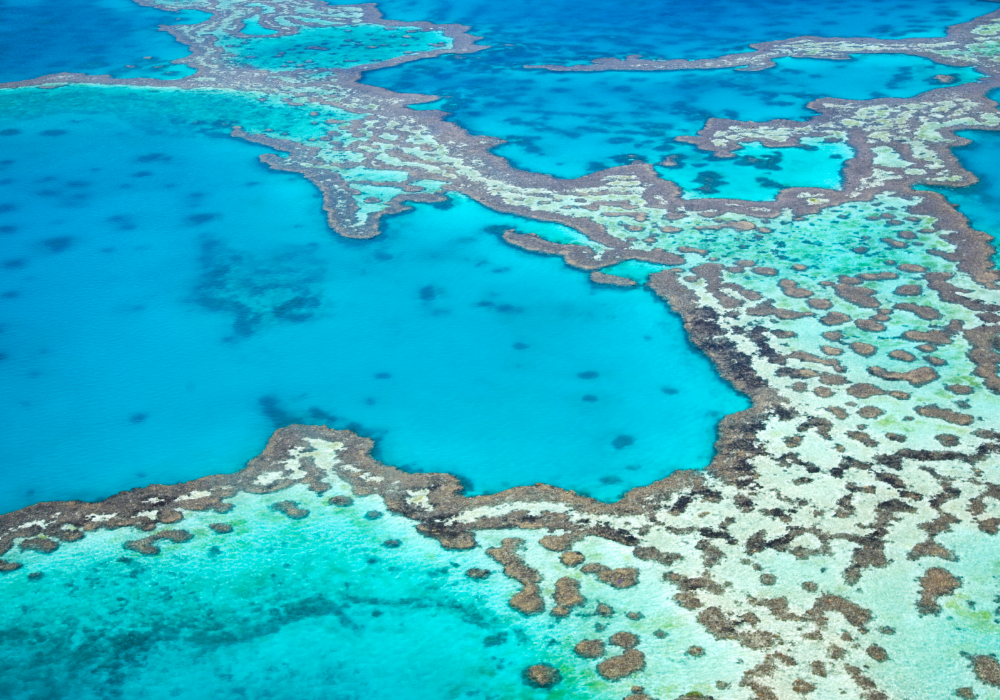
Parts of Australia’s Great Barrier Reef have been devastated by bleaching, heatwaves, and pollution. Entire stretches were declared dead. But in some areas, regrowth is happening—painfully slow, heartbreakingly fragile, but real. Scientists have begun coral restoration projects, replanting small pieces in areas where life had vanished.
The reef’s beauty is no secret, but what makes these recovering zones special is their backstory. They’re not pristine—they’re proof of both collapse and stubborn recovery. Snorkelers and divers can now visit areas that were once barren and see vibrant flashes of new coral returning. It’s not enough to declare the reef saved, but it’s something. These rebirths remind us that beauty isn’t just what’s left untouched—it’s what fights to come back after it’s been almost erased. Even underwater, resilience leaves its mark.
6. Hiroshima’s Peace Park grew from atomic devastation.
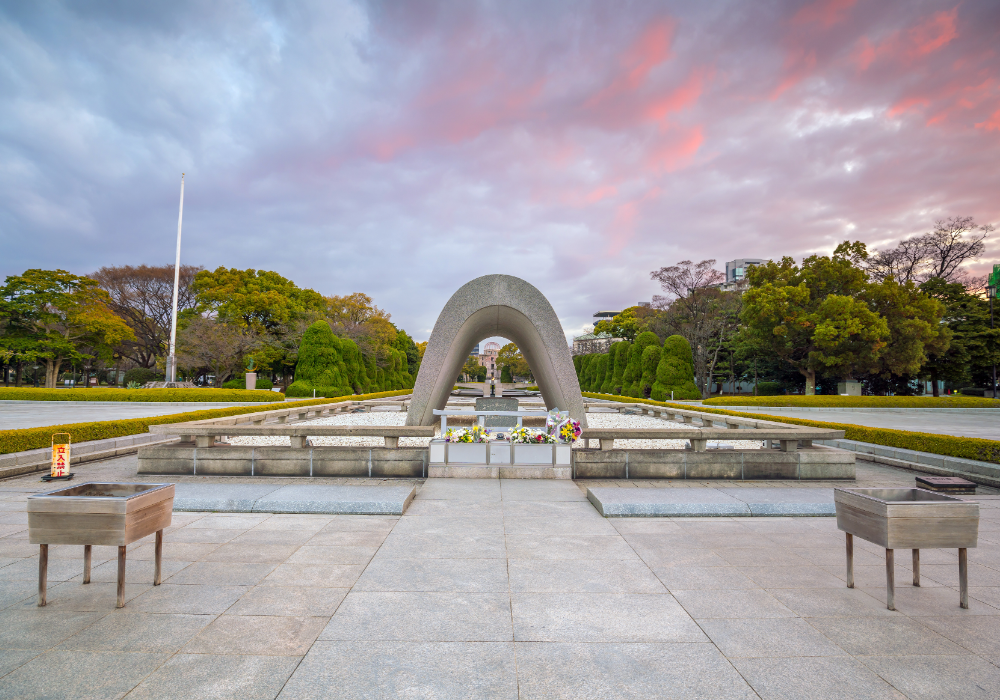
In 1945, Hiroshima was flattened in seconds by the world’s first wartime atomic bomb. Tens of thousands died instantly. Entire neighborhoods vanished. But today, at the very epicenter of that destruction, there’s a park filled with cherry blossoms, reflective pools, and monuments to peace. It’s not just beautiful—it’s breathtakingly symbolic.
Walking through Hiroshima Peace Memorial Park is emotionally jarring. You’re surrounded by life—flowers, children playing, a city humming around you—but the shadows of history are everywhere. The iconic A-Bomb Dome still stands as a skeletal reminder of what happened.
Yet the area’s transformation into a haven of quiet beauty shows how healing and horror can occupy the same space. It doesn’t erase the past. It honors it. And it proves that even in the most unspeakable aftermath, something meaningful can grow.
7. Lake Kawaguchi’s serenity hides a history of volcanic fury.
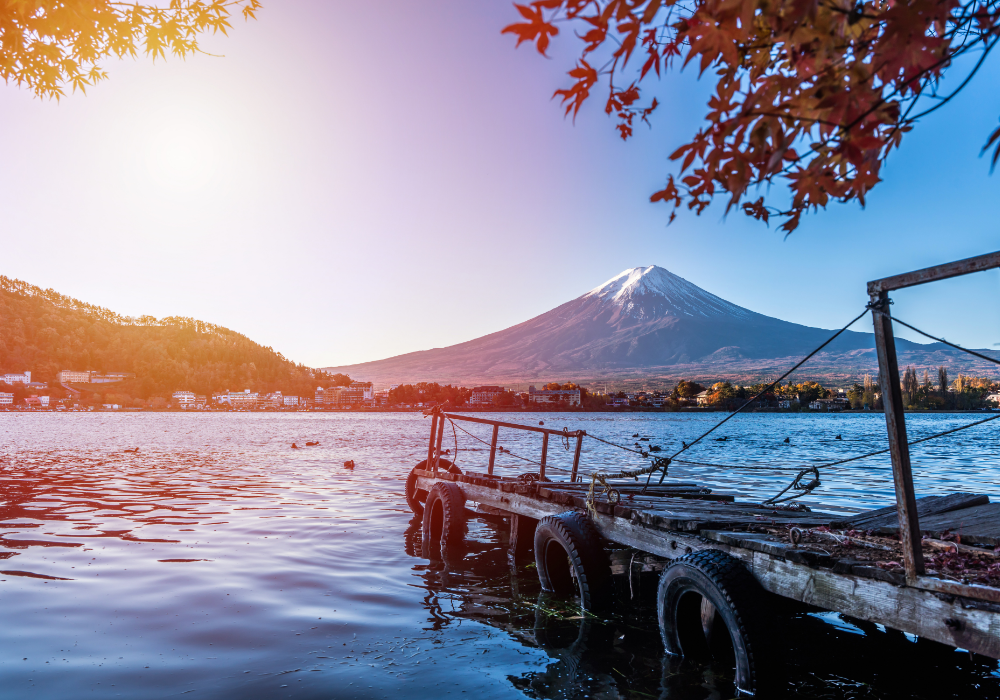
Lake Kawaguchi, one of the famous Fuji Five Lakes in Japan, offers serene views of Mount Fuji reflected on still waters. Tourists come for the sunrise views, cherry blossoms, and hot spring resorts. But this calm beauty wouldn’t exist without Mt. Fuji’s violent past. The lake itself formed from a series of lava flows that reshaped the region centuries ago.
This kind of quiet doesn’t just appear. It’s earned, layered over eruptions that once terrorized nearby villages. Volcanic eruptions carved the land, dammed rivers, and ultimately created a setting that now attracts photographers and peace-seekers from around the world. Lake Kawaguchi isn’t just scenic—it’s a product of destruction transformed into serenity. The mountain that made it still looms nearby, quiet for now. And the landscape carries that duality with grace—stillness that was once fire.
8. The island of Montserrat became a tropical Eden on top of volcanic ruins.
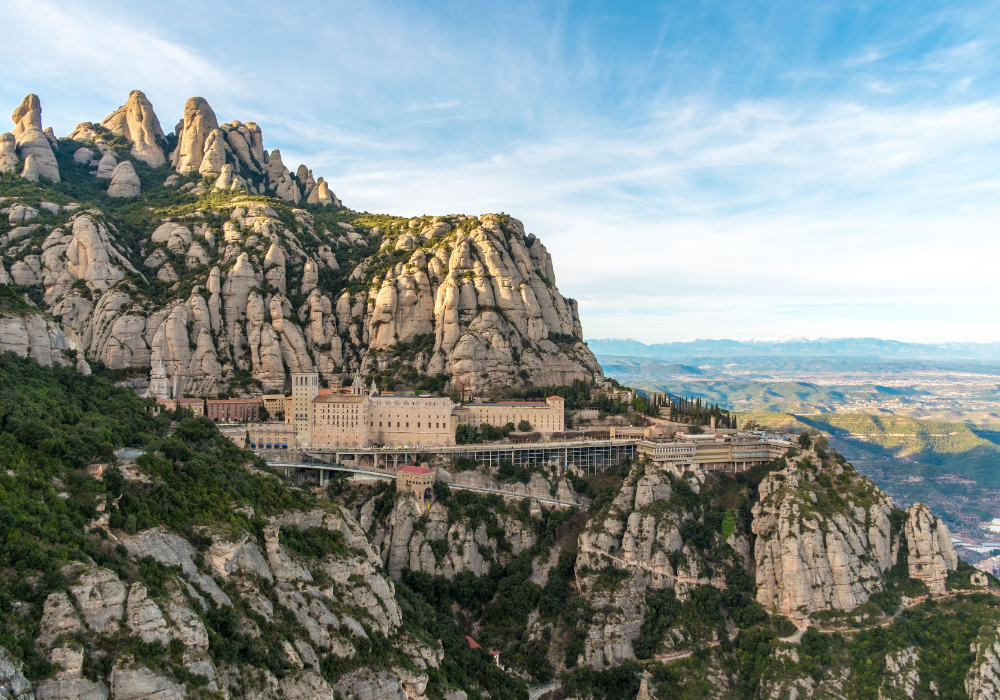
In the 1990s, the Soufrière Hills volcano on Montserrat erupted violently, burying the island’s capital city, Plymouth, in ash and forcing thousands to evacuate. Half the island became uninhabitable. But in the decades since, the northern part of Montserrat has rebounded, covered in lush vegetation and new growth.
It’s become a hidden gem for eco-tourists and scientists alike. The exclusion zone still holds eerie, half-buried buildings—nature slowly reclaiming concrete. Meanwhile, the rest of the island is flourishing, alive with bird calls, waterfalls, and dense forests. This isn’t just a vacation destination. It’s a story of loss that didn’t end in silence. The volcano may have taken lives and homes, but it also gave way to a wild kind of rebirth. Visitors don’t just see beauty—they feel the island’s strange and powerful resilience under their feet.
9. Pompeii’s ruins create an eerie kind of timeless beauty.
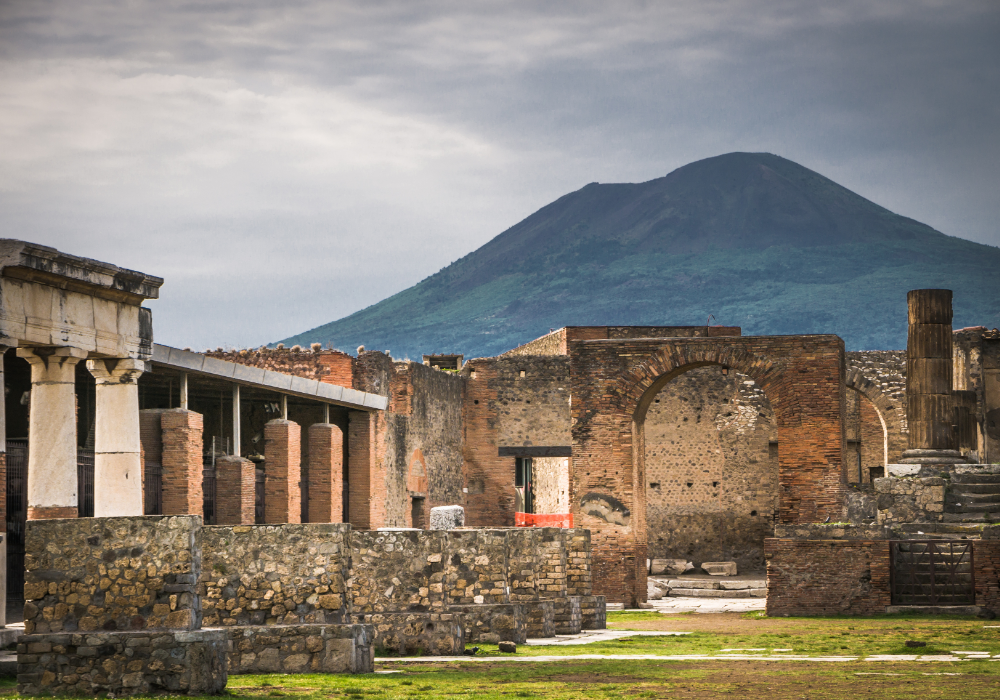
Pompeii wasn’t meant to be a museum. It was a bustling Roman city until Mount Vesuvius buried it in ash in 79 AD, freezing it in time. For centuries, it lay hidden underground. Now, it’s one of the world’s most hauntingly beautiful archaeological sites, with preserved mosaics, temples, and the imprints of lives interrupted mid-step.
There’s a weird stillness in Pompeii. You can walk through old streets and feel both awe and unease. It’s not just the tragedy—it’s the closeness. It’s a place where disaster and preservation collided, and what emerged is unlike anywhere else. The volcanic destruction made this eerie time capsule possible, preserving not just buildings, but emotions, daily routines, even bread loaves in ovens. Pompeii reminds us that even in death, something meaningful can remain—something that lets the present brush up against the past.
10. Centralia’s smoldering ruins gave birth to an underground legend.
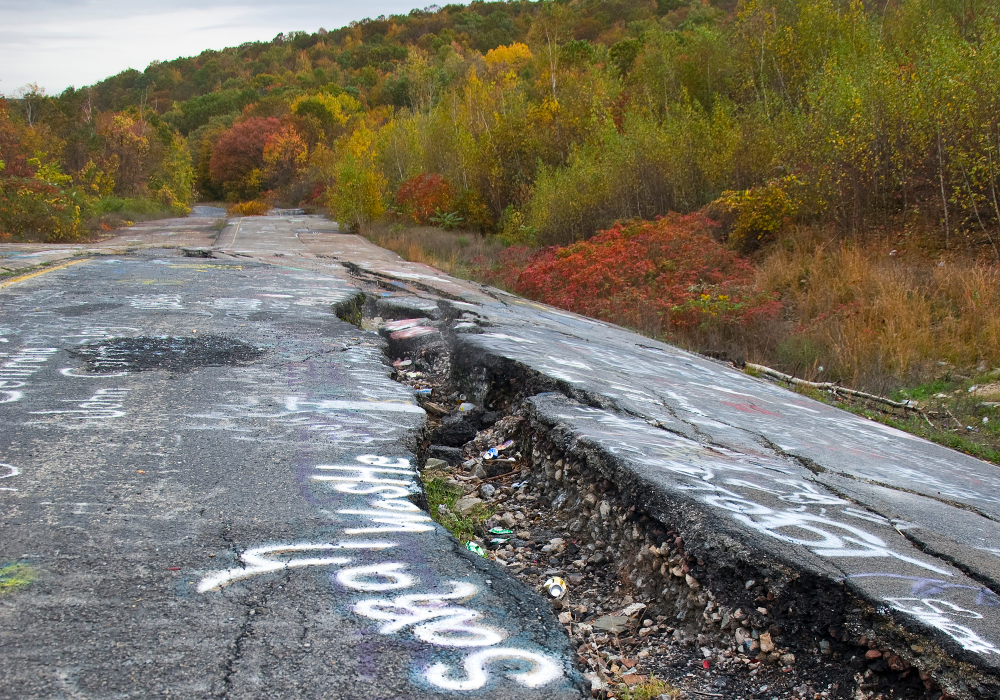
Centralia, Pennsylvania, was once a mining town—until a coal seam fire ignited beneath it in 1962 and never stopped burning. The ground grew unstable, the air turned toxic, and almost everyone left. What remains now is a post-apocalyptic landscape: crumbling roads, smoking cracks, and nature slowly swallowing what’s left.
But in a strange twist, Centralia became iconic. Graffiti artists turned abandoned roads into a canvas. Urban explorers travel from all over to see the “ghost town” still smoldering beneath the surface. It’s eerie, but oddly compelling—a place that’s falling apart in slow motion, yet still strangely alive. The fire might burn for another 200 years, and the town as it was is gone. But in its place is something mythic, something people keep telling stories about. Centralia is proof that even slow destruction can create a weird and unforgettable kind of beauty.