
What’s really ruining romance isn’t drama; it’s dishes in the sink.

You don’t need a huge betrayal or some explosive blowout to wreck a relationship. Sometimes, all it takes is the tiniest, dumbest thing. One eye roll too many. A forgotten “thank you.” That annoying throat clear they do every single morning.
You brush it off at first, thinking it’s no big deal. But those little irritations pile up like dust bunnies under a bed—quietly, relentlessly, until they become a mountain of resentment you can’t ignore.
You often don’t even see it coming. Everything seems “fine” until one day it’s not, and you’re sitting there wondering how a happy, loving relationship turned into silent dinners and passive-aggressive jabs. It’s not the storms that sink the ship; it’s the slow, steady leak no one bothered to fix.
Click through to learn the petty, everyday stuff no one wants to admit actually matters.
1. Leaving dishes “to soak” for days is secretly driving your partner nuts.
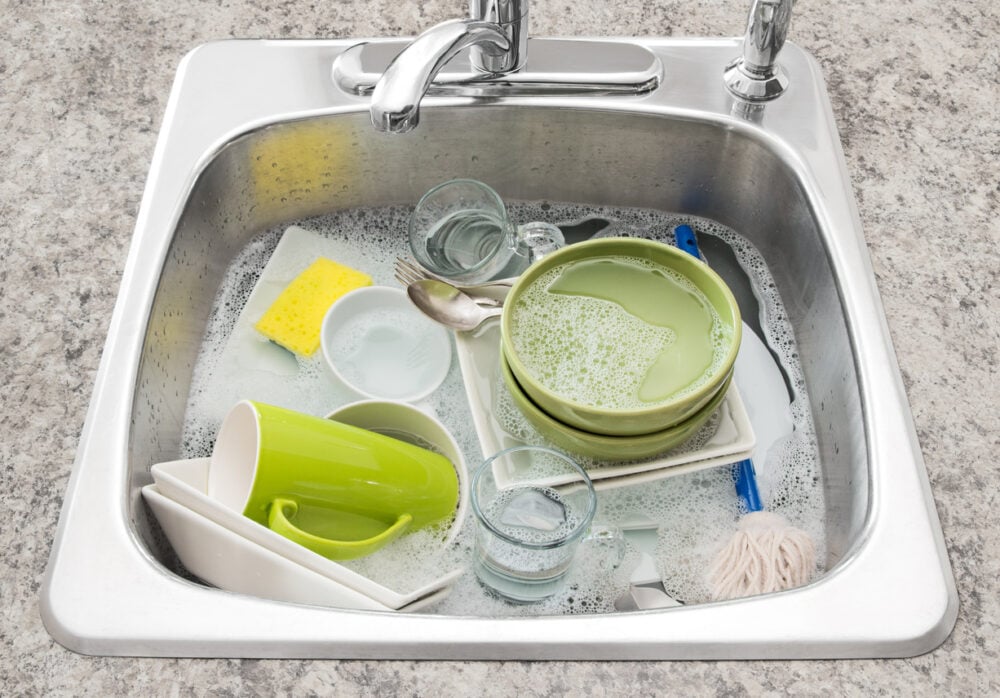
It’s just a dish left to soak. But to your partner, it can feel like yet another task left unfinished. When it happens repeatedly, that half-done chore starts to carry more meaning than intended, especially if it feels like a pattern rather than a one-off.
Over time, those small moments can signal a lack of follow-through. What seems minor becomes a reminder of who ends up finishing things. Habits like this don’t cause problems overnight, but repeated often enough, they quietly wear down patience and goodwill.
Follow us and access great exclusive content every day
2. Correcting your partner’s grammar mid-conversation is making them feel stupid.

It might seem like a harmless habit, but every time you interrupt a story to say, “It’s whom, not who,” you’re sending a message that what they’re saying matters less than how they’re saying it. Nobody likes feeling like they’re in an English class while trying to vent about their day.
Even if you’re technically right, grammar corrections in everyday chats can come off as condescending or dismissive. It shifts the energy of the conversation from connection to correction, which over time can make your partner feel small or not good enough. Eventually, it can become a reason they stop opening up to you altogether.
3. Playing on your phone during conversations sends the message that they don’t matter.

You might think you’re a great multitasker, scrolling while half-listening. But your partner definitely notices when you’re more engaged with your phone than with them. And even if they don’t say anything right away, that sting of being ignored builds up.
Every time you glance down at a screen mid-conversation, it sends a subtle signal: “This random meme or text is more interesting than what you’re saying.” Eventually, they stop bothering to share things with you. People want to feel seen. And nothing kills that vibe faster than a glowing rectangle stealing the spotlight.
Follow us and access great exclusive content every day
4. Leaving the toilet seat up can feel like a passive-aggressive move.
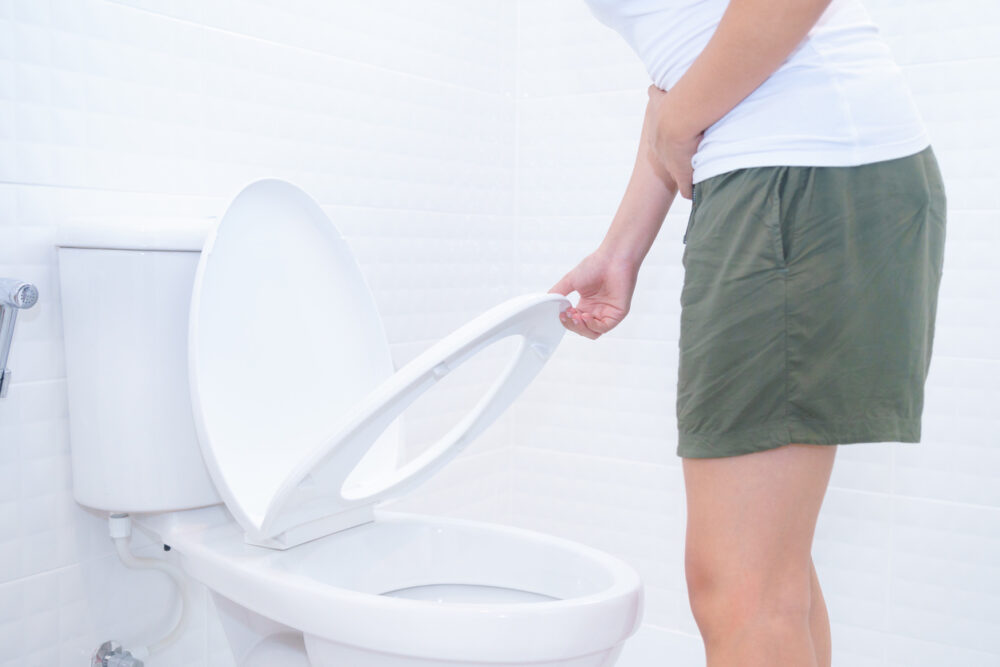
For some people, it’s just a toilet seat. For others, it becomes a daily reminder of whether their comfort is being considered. When the issue keeps coming up, that small oversight can start to feel symbolic, even if no disrespect is intended.
Over time, little moments like this can add up and spill into the emotional side of a relationship. The solution takes almost no effort, but the message it sends matters. That one-second gesture shows awareness and care, and reassures your partner that their needs aren’t being overlooked.
5. Forgetting to say “thank you” makes your partner feel invisible.

When you live with someone day in and day out, it’s easy to fall into the trap of expecting things without acknowledging them. But those little thank-yous for taking out the trash, cooking dinner, or handling bedtime with the kids carry weight. When they disappear, your partner starts to feel taken for granted, like their efforts are just expected and never appreciated.
No one wants to feel like they’re just checking boxes in a domestic to-do list. A sincere thank-you can shift everything. It shows respect, recognition, and warmth. When appreciation is part of your everyday rhythm, your partner doesn’t just feel seen, they feel valued.
6. Leaving hair in the sink is more than gross—it’s a weird betrayal of shared space.
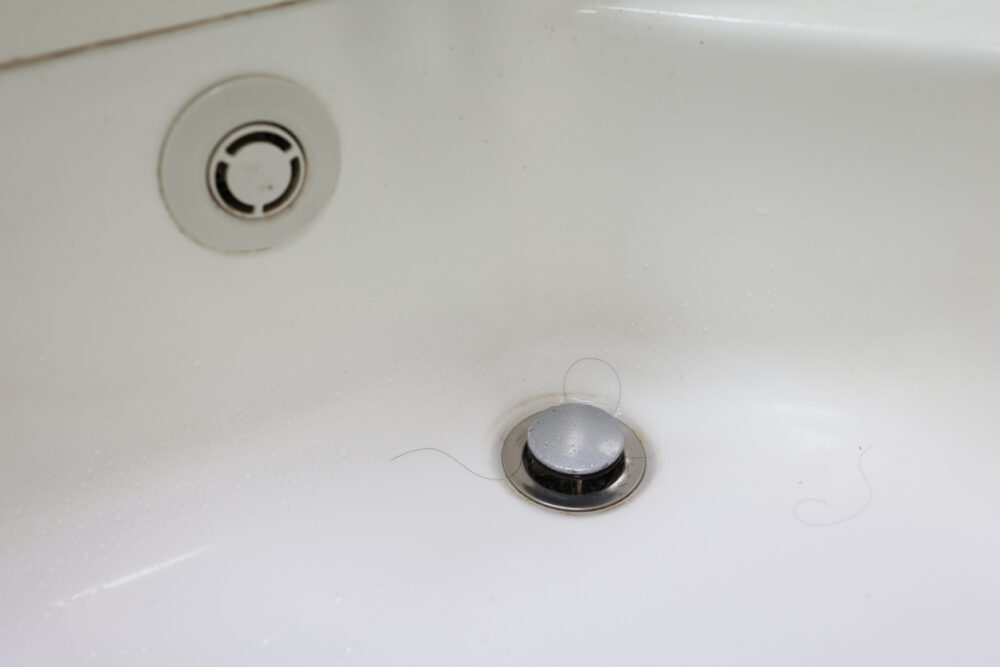
It’s not just unsightly. That little clump of beard trimmings or strands of hair stuck to the side of the sink becomes a running tally of disregard. Shared space in a relationship is sacred territory. And when one person constantly has to wipe away the evidence of the other’s grooming routine, it starts to feel like disrespect.
When it happens over and over, it’s hard not to take it personally. It sends the message: “I know this grosses you out, but I can’t be bothered.”
Cleaning it takes less than 30 seconds. It’s not about the mess, but about the meaning behind it. When someone doesn’t feel respected in their own home, even the smallest inconvenience can spiral into resentment. Respecting the sink is really about respecting your person.
Follow us and access great exclusive content every day
7. Hogging the remote like you own the TV tells your partner their preferences don’t matter.

When one person always controls what’s on TV, it can slowly create an uneven dynamic. Over time, it sends the message that one person’s preferences matter more, leaving the other feeling sidelined in what’s meant to be a shared space.
That loss of choice can feel especially frustrating after a long day, even if it’s unintentional. Taking turns, asking what sounds good, or letting your partner choose now and then shows consideration. Those small acts of shared decision-making help reinforce respect and keep the relationship feeling balanced.
8. Not replacing the toilet paper roll feels like a weird power move.
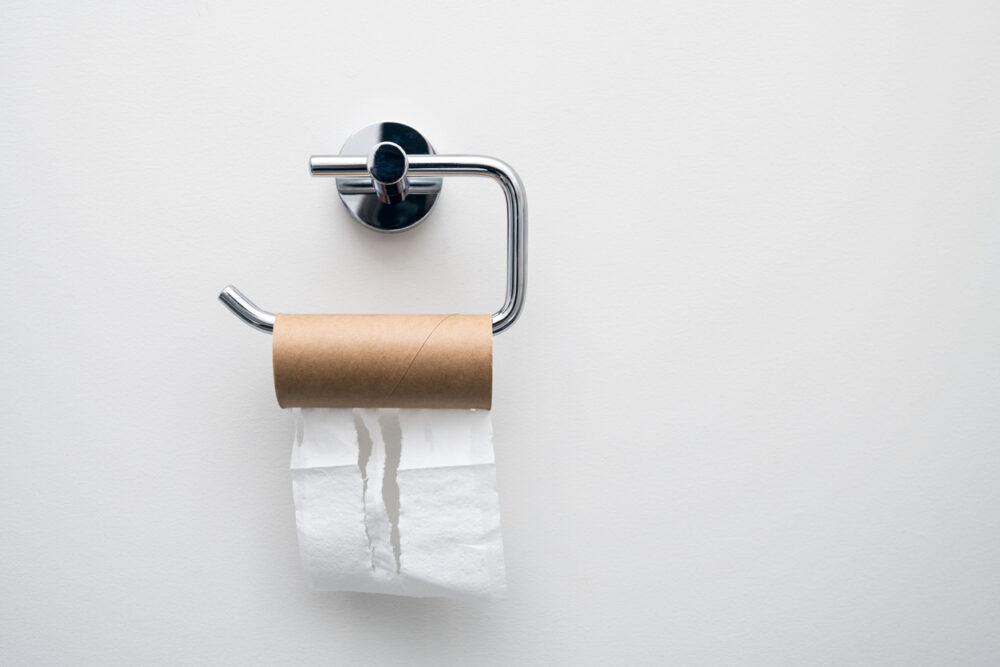
You notice the roll is empty, use the last square, and move on. Later, your partner walks in expecting a fresh roll and finds only the cardboard tube waiting. It’s a tiny moment, but it carries more weight than it should. Not because of the toilet paper, but because it signals whether someone took a second to think about the next person.
When it happens over and over, frustration builds. One person starts feeling like they’re always the one fixing small oversights, and that sense of imbalance creeps in. Minor tasks begin to feel loaded when they’re consistently ignored. Replacing the roll takes almost no effort, yet skipping it can quietly communicate disregard.
9. Leaving your stuff everywhere makes your partner feel like your personal maid.

A jacket on a chair, shoes in the hallway, keys and papers left wherever they land. One item isn’t a problem, but the pattern can make a shared space feel unbalanced. Over time, it starts to feel less like clutter and more like an expectation that someone else will deal with it.
That dynamic quietly breeds resentment. No one wants to feel responsible for managing another adult’s mess. Treating shared space with care signals respect for your partner’s time and energy. When both people take ownership of the environment, the relationship feels more equal and far less tense.
Follow us and access great exclusive content every day
10. Rolling your eyes mid-argument sends a louder message than shouting ever could.

An eye roll might feel like a reflex, but to your partner it can land as outright dismissal. That small gesture sends the message that their feelings aren’t worth taking seriously, instantly shifting a disagreement into a power struggle.
Over time, repeated eye rolls or sarcastic sighs chip away at trust and respect. Conflict is normal, but contempt quietly undermines connection. Staying engaged, even when frustrated, signals that you’re willing to work through issues rather than shut the other person down.
11. Not responding to texts for hours sends a message that hits harder than you think.

An eye roll may feel automatic, but to a partner it often comes across as dismissal. That quick gesture can shift a disagreement away from the actual issue and toward a struggle over respect and being taken seriously.
When it happens repeatedly, trust and goodwill start to wear down. Disagreements are normal in any relationship, but contempt makes them harder to resolve. Staying present, even when frustrated, shows you’re still invested in understanding each other and working things through together.
12. Sighing loudly instead of saying what’s wrong turns every room into a tension zone.

A dramatic sigh followed by “nothing” can create more tension than an honest response. It turns communication into a guessing game, leaving your partner to wonder what went wrong and whether another conflict is coming.
Over time, that uncertainty wears people down. Unspoken frustration makes everyday interactions feel heavy and awkward. Clear, direct communication may feel uncomfortable at first, but it prevents misunderstandings and keeps emotional closeness from slowly fading.
13. Making jokes at your partner’s expense turns love into a public roast.

At first, the jokes might seem harmless. A playful comment about their habits or quirks, maybe even something that gets a laugh. But when those digs become routine, especially in front of others, they can start to sting. No one wants to feel like the punchline in their own relationship.
Over time, what feels like teasing can turn into embarrassment and resentment. Humor should build connection, not chip away at confidence. If a joke would hurt you if the roles were reversed, it’s a sign that more care and respect are needed.