
Eco-friendly isn’t always earth-friendly, and here’s the proof.

It’s never been trendier to care about the planet—and that’s not a bad thing. But let’s be real: not everything with a green label is actually doing good. We’ve all been tempted by bamboo everything, swapped plastic for paper, or bought into whatever “eco” product the internet swears is the next sustainable miracle. But a lot of those swaps are more about looking the part than making a real difference. Companies know you want to help, and they’re more than happy to sell you the illusion of impact.
That’s the problem. These “planet-friendly” upgrades often come with hidden costs, messy realities, or just straight-up don’t work. You deserve to know which swaps are real and which are just another way to sell more stuff. Because if we’re going to fight climate change and reduce waste, we need more than trendy purchases—we need honest action. Here’s what’s not helping like it claims to.
1. Reusable tote bags can create more harm than plastic if you collect too many.

Tote bags feel like the ultimate eco badge. Cotton instead of plastic? Check. Reusable? Check. Cute slogans? Double check. But here’s the catch: cotton is incredibly resource-heavy. It takes thousands of liters of water to grow and process just one bag. According to writers for CBS News, a cotton bag should be used at least 7,100 times to offset its environmental impact when compared to a classic supermarket plastic bag. That’s daily grocery trips for nearly 20 years—per bag.
And let’s be honest, most of us have way more than one. We collect them from stores, events, and brands, tossing them in closets or leaving them in the car to multiply. That pile of forgotten totes doesn’t save the planet—it clutters your life and wastes resources. The solution isn’t more bags. It’s fewer, better ones that you actually use until they fall apart. Sustainability starts with using what you already have.
2. Biodegradable trash bags don’t break down in landfills like they promise.

The word “biodegradable” makes it sound like the bag will just melt away into nature—but that’s not how landfills work. These bags are often made from bioplastics or plastics with additives that only degrade under specific, industrial composting conditions. As Phebe Pierson for Columbia Climate School notes, most landfills don’t get to the temperatures needed for compostable bags to break down, meaning they will essentially mummify along with the other trash in the landfill. So your “green” bag? It’s likely still sitting there, decades later.
Some biodegradable bags even break into microplastics instead of disappearing, making things worse. Others can’t be recycled and contaminate compost bins. If you’re lining your bin to feel more eco-conscious, it’s worth reconsidering. Try reducing your trash, composting food scraps properly, or using paper or no liner at all when possible. The best bag is the one you barely need. Buying a product because the label sounds kind doesn’t mean the planet actually benefits.
3. Bamboo toothbrushes aren’t as planet-friendly as they claim to be.

On the surface, bamboo toothbrushes seem like a brilliant solution—natural handle, less plastic, and compostable vibes. But the bristles are almost always made of nylon, which isn’t biodegradable. That means if you toss the whole brush in the compost, you’re just sending microplastics into the soil unless you pluck every bristle out by hand. And let’s be real, almost no one is doing that on a regular basis.
Then there’s shipping. Most of these brushes are made overseas and racked up a hefty carbon footprint before reaching your bathroom. Per Dr. Yahshvi Singh for Medbound Times, most bamboo brushes are made in China, so shipping them worldwide creates its own carbon footprint.
Not to mention, bamboo farming can sometimes contribute to deforestation or require heavy irrigation, depending on the source. If you’re going to make the switch, look for sustainably sourced materials and properly recycle the bristles. Or consider an electric toothbrush with a recyclable head and fewer overall replacements. “Natural” doesn’t always mean “harmless.”
4. Compostable coffee cups don’t compost unless you live near a special facility.

Your cup might say “compostable,” but unless it ends up at an industrial composting site, it’s just a greenwashed version of regular trash. Most compostable cups are lined with PLA, a plant-based plastic that only breaks down under very high heat and controlled conditions. That means it won’t decompose in your backyard compost bin—or in the landfill where it probably ends up.
Worse, these cups can cause more harm if tossed in recycling bins, contaminating otherwise usable materials. It’s a feel-good swap that rarely lives up to the promise unless you’re one of the few with access to commercial composting. A better choice? Bring a reusable travel mug or, better yet, slow down and enjoy your coffee in a real cup at the café. It’s more sustainable, less wasteful, and honestly, it just feels better.
5. Paper straws are still wasteful and barely better than plastic ones.

Paper straws were supposed to fix the plastic problem, but they’re more of a flimsy detour than a solution. They still use energy, trees, and chemicals to produce—and most are coated in wax or plastic, making them non-recyclable. Once wet, they turn your drink into a soggy mess and often end up in the trash anyway. It’s not eco-progress if it’s still single-use waste.
And sure, they’re biodegradable eventually, but that doesn’t mean they’re guilt-free. If they go into the ocean, they still pose risks to marine life. If they land in a landfill, they break down slowly, just like everything else. Reusable metal, silicone, or glass straws are far better options if you need one. But let’s be honest—sometimes the most sustainable thing is just sipping from the cup like a normal human being.
6. “Green” cleaning products can still pollute waterways and harm ecosystems.

Just because a cleaning spray has leaves on the label doesn’t mean it’s harmless. Many so-called “green” cleaners still contain surfactants, preservatives, and synthetic fragrances that wash down your drain and end up in lakes, rivers, and oceans. Some ingredients may biodegrade eventually, but not before doing damage to aquatic ecosystems. And labeling laws? They’re full of loopholes. Companies aren’t even required to list every chemical they use.
“Plant-based” doesn’t automatically mean safe, either. Many natural compounds can irritate skin, cause allergies, or impact wildlife when released into the environment. If you really want to clean greener, look for third-party certifications like EPA Safer Choice or make simple DIY cleaners with vinegar, baking soda, and castile soap. Greenwashing is sneaky—and your cleaning routine might be dirtier (ecologically speaking) than you think.
7. Buying recycled clothing won’t fix the fast fashion problem.
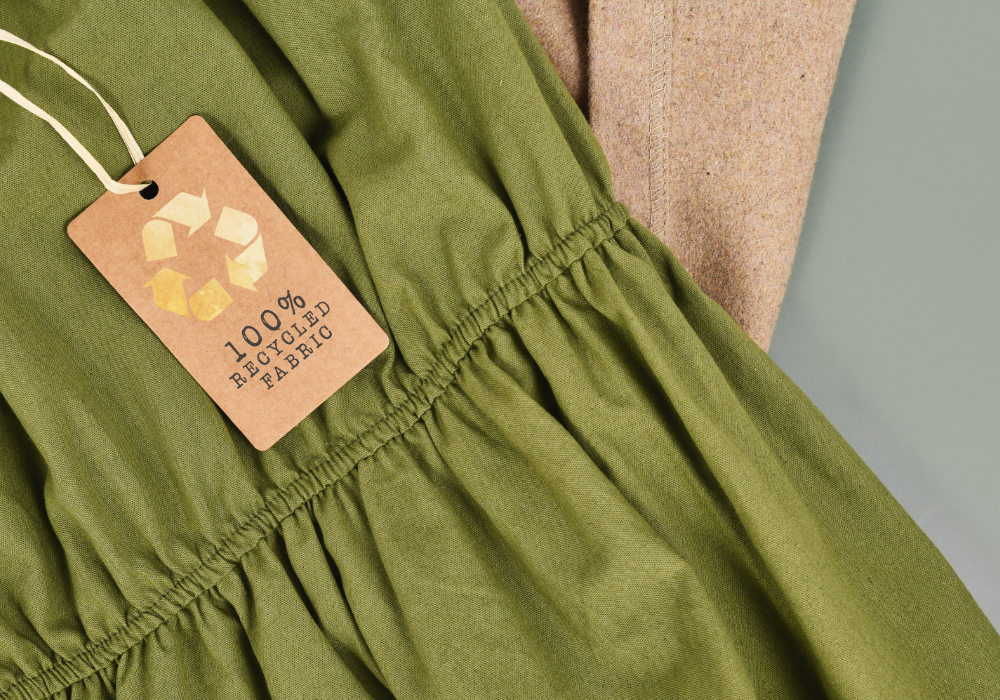
Recycled polyester sounds like a win—you’re turning plastic bottles into clothing, right? Sort of. But even recycled fashion keeps feeding the fast fashion cycle. These garments are still mass-produced, shipped worldwide, and often tossed after a few wears. Worse, recycled synthetics still shed microplastics every time they’re washed, contributing to ocean pollution just like virgin polyester.
And let’s not ignore the big picture: if you’re constantly buying new clothes—no matter how “green” the tag says they are—you’re fueling demand for more. Recycling is better than nothing, but rewearing, repairing, and reducing are where the real impact lives. Thrift more. Shop less. Keep things longer. A $15 “eco tee” won’t save the planet if it’s headed to the donation bin next season.
8. Plant-based plastics aren’t as earth-friendly as they sound.
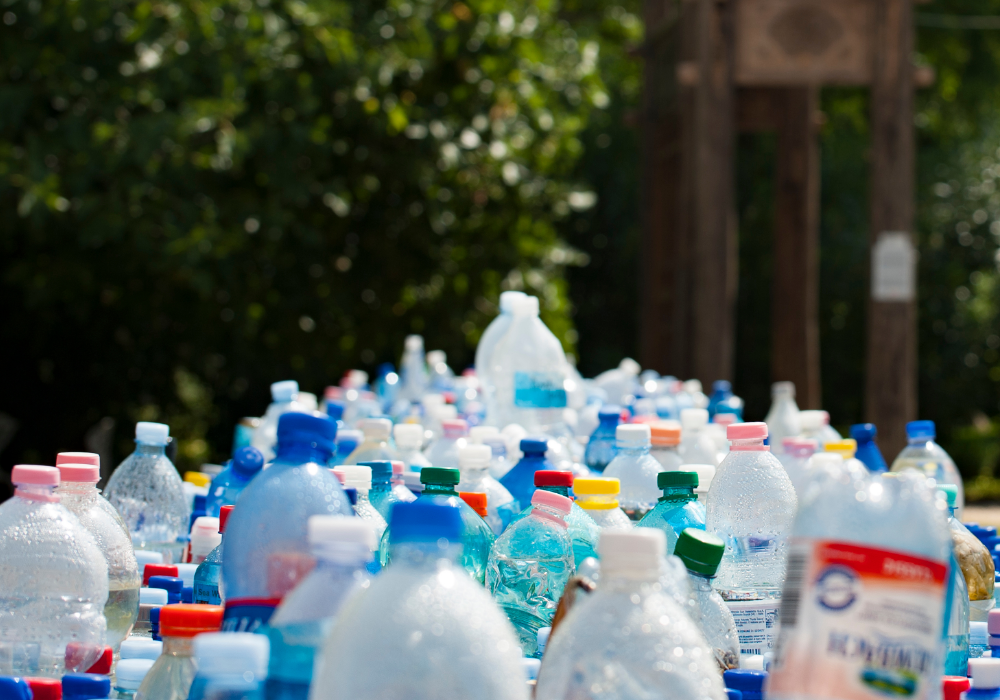
PLA, a common plant-based plastic, is everywhere—from cups to utensils to packaging. It’s marketed as biodegradable and compostable, but only under the perfect conditions of industrial composting facilities. In landfills, it behaves almost exactly like traditional plastic. And if it ends up in the recycling bin? It can ruin entire batches of recyclables.
Even worse, producing PLA often involves monoculture crops like corn, which require heavy pesticide use and contribute to soil degradation. So while you might feel good about choosing a “bio” fork at your lunch spot, the lifecycle impact may not be much better than the plastic it replaced. The best option is still the old-school one: reusable, washable tools you use again and again. Because swapping one kind of waste for another isn’t progress—it’s a distraction.
9. Eco-friendly water bottles don’t help if you keep buying new ones.
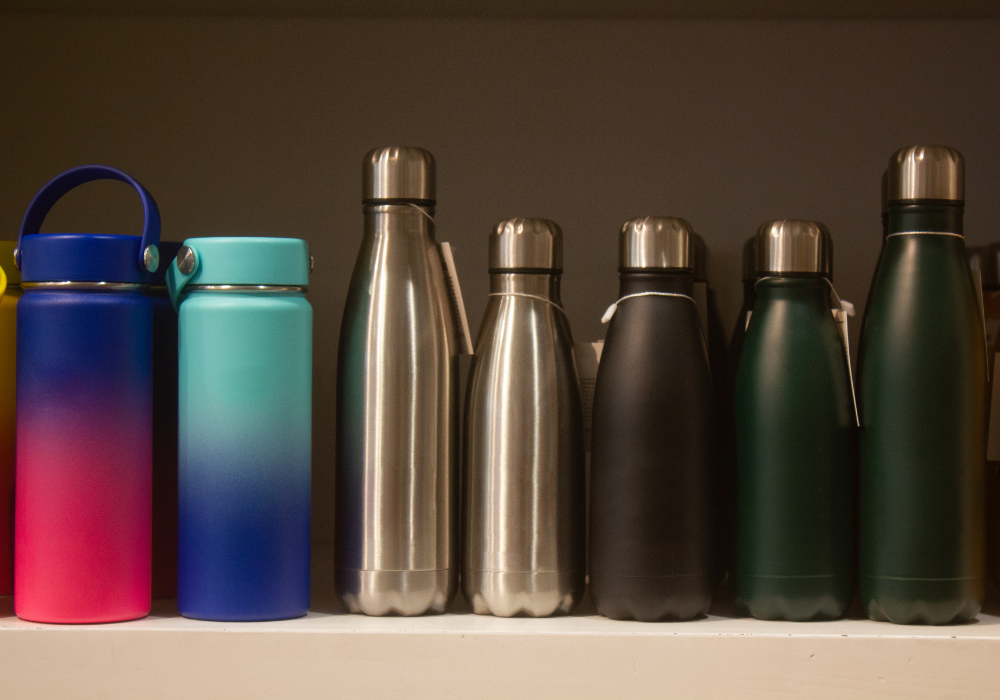
Buying a reusable water bottle is great—unless you treat it like a fashion accessory. If you’ve got a lineup of steel, glass, and ceramic bottles collecting dust in your cabinet, you’re not helping the planet. Manufacturing reusable bottles takes a lot of resources, and the environmental benefit only kicks in after repeated, long-term use.
Every time you upgrade for a new color, brand, or lid style, you reset the impact clock. A stainless steel bottle, for example, needs to be used hundreds of times to make up for its energy-intensive production. So instead of collecting bottles like sneakers, pick one and stick with it. The most eco bottle isn’t the fanciest or trendiest—it’s the one that’s a little dented, always full, and actually used.
10. Electric scooters can have a surprisingly dirty footprint.

At first glance, electric scooters seem like a clean, modern alternative to driving. But when you look at their entire life cycle—from mining the rare earth metals in their batteries to charging from fossil-fueled grids to their short operational lifespan—they start looking a lot less green. Most scooters only last a couple of years before they’re scrapped.
And while they might replace short car rides for some, studies show many users would’ve just walked or taken public transit instead. That means scooters sometimes add emissions rather than reducing them. Plus, collecting and redistributing them every night with gas-powered vans doesn’t help either. If you need a quick ride, walking or biking is still the gold standard. Scooters aren’t evil—but they’re no sustainability miracle either.
11. “Zero waste” beauty products often come wrapped in new forms of waste.
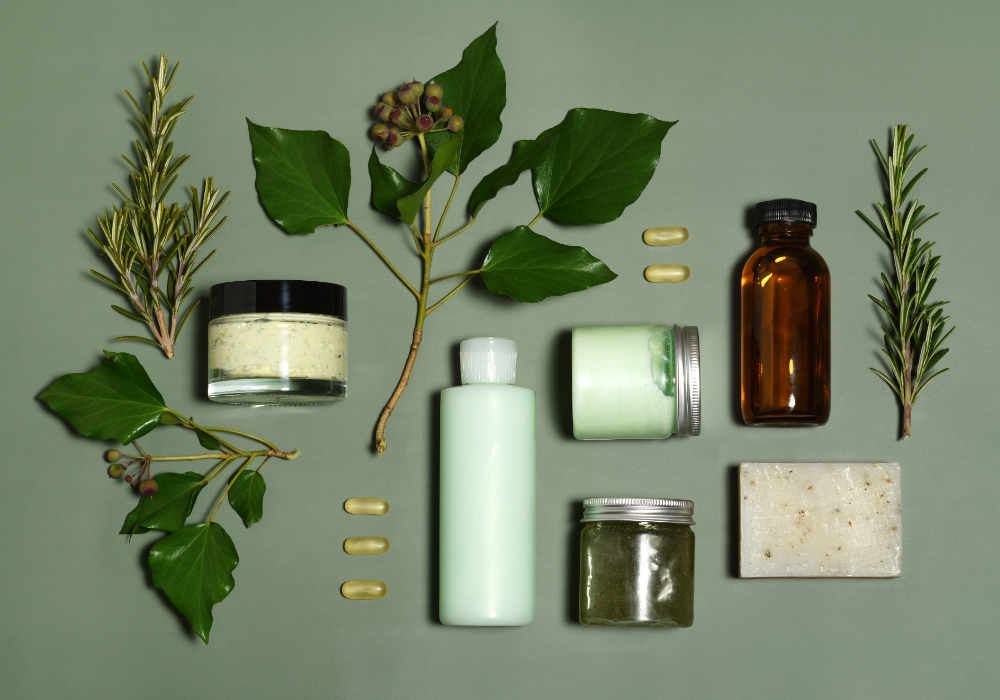
Bars of shampoo, compostable face wipes, and refillable makeup kits sound amazing—but they’re not always the clean win they pretend to be. Some “zero waste” items come with packaging that’s hard to recycle or compost unless you follow specific disposal steps. Others just shift the waste upstream—using energy-intensive materials or packaging made from aluminum, glass, or paper that aren’t as eco as they seem.
The real kicker? Many of these products are trendy, expensive, and bought in bulk without being finished. You’re still consuming too much—just wrapped in brown paper instead of plastic. Sustainability in beauty doesn’t mean swapping your entire routine for new stuff labeled “clean.” It means using what you already have, finishing it, and buying less overall. Your bathroom shelf doesn’t need to be Insta-worthy to be truly eco-conscious.
12. Swapping everything for “sustainable” alternatives still encourages overconsumption.

The biggest lie the eco-industry sells? That you can buy your way into sustainability. Sure, a bamboo cutlery set or beeswax wrap might replace disposables—but if you keep buying new versions of everything you already own, it’s just another form of overconsumption. Buying more stuff to feel like you’re doing less harm is a trap—and it’s exactly what the market wants.
Sustainability isn’t about perfection or owning the “right” tools—it’s about resisting the urge to buy in the first place. Before every eco purchase, ask: do I need this, or do I already have something that works? Often, the greenest option isn’t in a checkout cart—it’s in a drawer, a cabinet, or your habits. The planet doesn’t need more conscious consumers. It needs fewer unconscious purchases.