
You’re not being “harmless”—you’re making their home harder to live in.
Visiting somewhere beautiful doesn’t make you the main character. It just makes you a guest—and too many people forget that the second they step off the plane. The shops, the streets, the scenic spots you saw on Instagram? They’re not just vacation backdrops. They’re where people live, work, raise kids, and try to find peace in places that are being overrun.
The worst part is, most travelers don’t even realize they’re doing damage. It’s not just the obnoxious influencers blocking walkways or the drunk tourists yelling at midnight. It’s the tiny things that pile up—littering, driving up rents, crowding sacred spaces, treating locals like scenery. It’s easy to think your impact is small when you’re only there for a week. But the ripple effects stretch far beyond your itinerary. Locals are asking for change. The question is whether tourists will listen.
1. Treating neighborhoods like open-air theme parks isn’t charming—it’s disruptive.
Wandering through cute residential streets feels peaceful when you’re on vacation. But for locals, it means a constant stream of strangers loitering, filming, and blocking access to their own homes. In areas like Primrose Hill, residents have reported being unable to park near their houses due to crowds gathering for TikTok videos and influencer shoots, according to Grace Dean in BBC News.
What looks like a hidden gem on your feed is someone’s front porch, someone’s route to work, someone’s quiet space. People live in those “quaint alleys” and “colorful staircases.” When tourists show up in packs with cameras and tripods, it turns a regular day into a spectacle. You’re not just passing through—you’re reshaping the entire vibe of the neighborhood. That comes with responsibility.
2. Staying in Airbnbs might be cozy for you—but it’s wrecking housing for them.
Short-term rentals have made travel easier and more affordable for visitors. William Cherry’s research through the University of Arkansas shows that in cities like New Orleans, the rise of platforms like Airbnb has contributed to rising rent, reduced housing supply, and widespread displacement of long-term residents. It’s not just about preference—it’s about survival for the people who live there year-round. When locals can’t afford to stay in their own neighborhoods, the culture starts to vanish. Family businesses close, community ties fray, and everything starts catering to tourists instead of residents.
It’s not that travelers shouldn’t visit. It’s that supporting ethical accommodations—like locally run guesthouses or certified homestays—actually helps preserve what made the place special in the first place.
3. Wearing disrespectful clothing at sacred or cultural sites isn’t “free expression.”
You might be hot and sweaty or maybe you are just super comfortable in a crop top or swimsuit. But when you’re stepping into a place of worship, a historic cemetery, or a deeply cultural site, it’s not about you or how you look. Noreen Kompanik writes in The Detroit News that local communities around the world continue to urge travelers to dress appropriately at sacred sites—not just out of modesty, but as a matter of cultural respect.
Ignoring dress codes because “you’re on vacation” sends a clear message: your comfort matters more than their culture. And that attitude wears thin fast. If you wouldn’t wear it to a funeral back home, don’t wear it into a sacred space abroad. It’s not censorship—it’s common courtesy.
4. Bargaining too hard at local markets can hurt more than it helps.
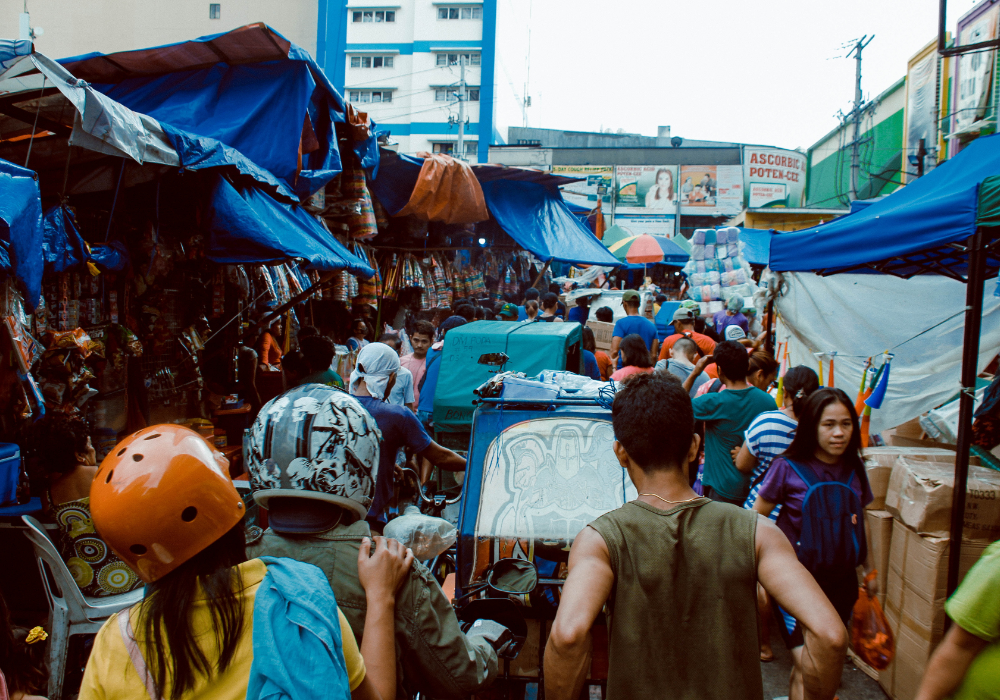
It might feel like a game—haggling for the best price, walking away, watching the seller chase after you. But for many vendors, especially in developing countries, those small sales are their main income. Tourists pushing for the lowest possible deal because they “know how to barter” often end up disrespecting the labor behind the item entirely.
Yes, some markup is expected. Yes, bargaining is normal in many places. But there’s a difference between fair negotiation and treating someone like they’re trying to scam you. If you can afford the flight, the hotel, and the excursions, don’t nickel-and-dime a vendor over a few bucks. That bracelet or textile might be handcrafted, not mass-produced. Honor the work.
5. Taking selfies in front of tragedy or hardship isn’t edgy—it’s offensive.
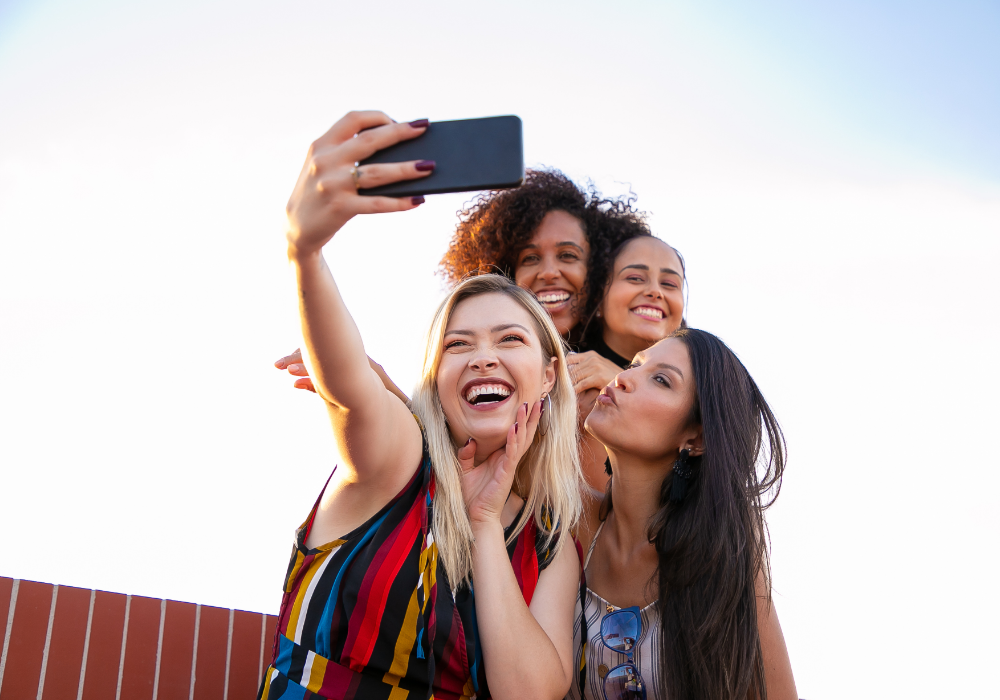
Snapping a photo at a memorial, disaster site, or poverty-stricken area doesn’t make you worldly. It makes you part of the problem. These aren’t backdrops for you to post to your Instagram feed. They’re real places tied to grief, struggle, and ongoing harm. By grinning in front of them with a peace sign, your turning someone else’s trauma into your travel content. At the end of the day, is it really worth the likes?
There’s a way to document hard history with humility and respect. It starts by putting the camera down, reading the plaques, listening to guides, and asking whether a photo is appropriate at all. Some moments aren’t yours to post. Some places deserve reverence, not a caption.
6. Loud, late-night partying in residential areas doesn’t make you a “fun tourist.”

Vacation energy is real—but that doesn’t mean blasting music from your rental balcony or stumbling down side streets screaming at 2 a.m. is okay. Locals have jobs, babies, night shifts, and lives that don’t pause because you’re on holiday. And in many tourist-heavy cities, this kind of noise pollution happens every single night.
It’s not about killing your vibe. It’s about respecting the rhythm of the place you’re in. If your night out means someone else can’t sleep in their own home, the cost is too high. Find nightlife zones, keep your volume down, and don’t treat quiet neighborhoods like your personal afterparty.
7. Treating locals like props for your photos isn’t cute—it’s dehumanizing.
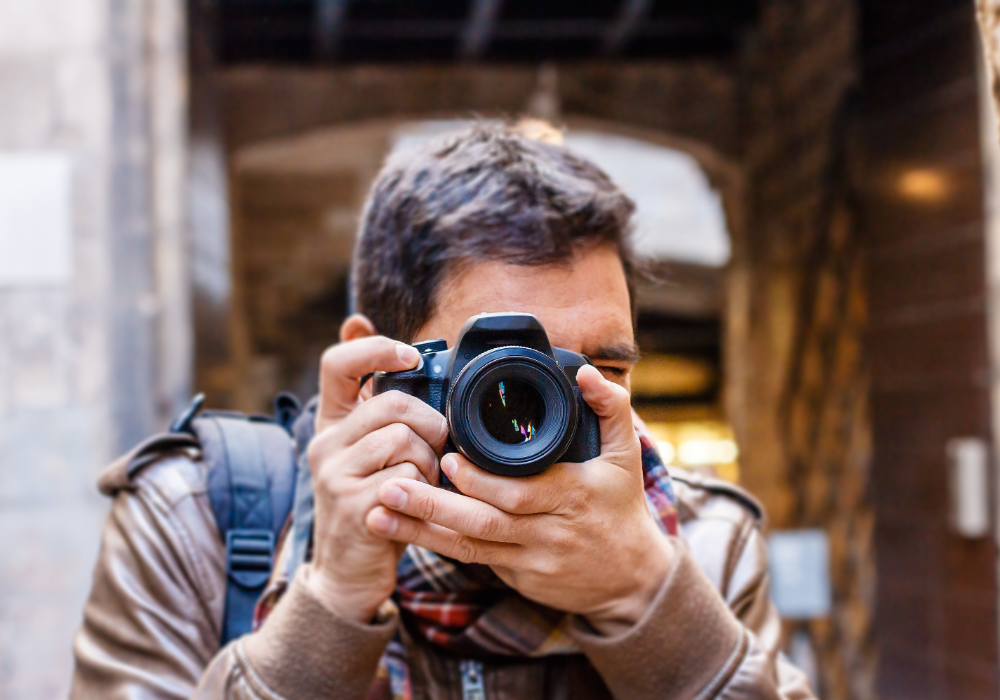
Snapping a photo with a street vendor, an elder in traditional dress, or a child selling crafts might feel like capturing culture, but to locals, it often feels exploitative. People are not props, and their lives aren’t performance art meant to decorate your vacation album.
These are real humans trying to make a living, commute to work, or exist in their own communities without being turned into someone else’s aesthetic. Tourists rarely ask for consent, especially when the person doesn’t speak their language or looks “authentic” in a particular way. That entitlement turns human interaction into spectacle. If you really want to remember someone, talk to them. Buy something from them. Respect their boundaries. And if you take a photo, ask first—and accept a no if that’s the answer. There’s a difference between connection and objectification. Knowing where that line is makes all the difference.
8. Feeding wildlife for a better shot disrupts fragile ecosystems.

It might seem harmless to toss food to a monkey or coax a deer closer for your camera, but feeding wildlife—even with good intentions—creates real problems. Animals start associating people with food, which changes their behavior and makes them more aggressive, more dependent, and more likely to wander into dangerous areas.
In tourist-heavy spots, it can even lead to animals being euthanized after becoming a safety risk. Food designed for humans can also sicken or kill animals. Tourists often assume a banana or snack bar is “natural,” but local species may not be equipped to digest it. What feels like a magical moment for you could end up as a health hazard for them. If you love animals, love them from a distance. Don’t bribe them into a selfie. Let them stay wild, and leave their habitat untouched. The best photos don’t come at the cost of survival.
9. Blocking walkways and streets for photos is more than just annoying.
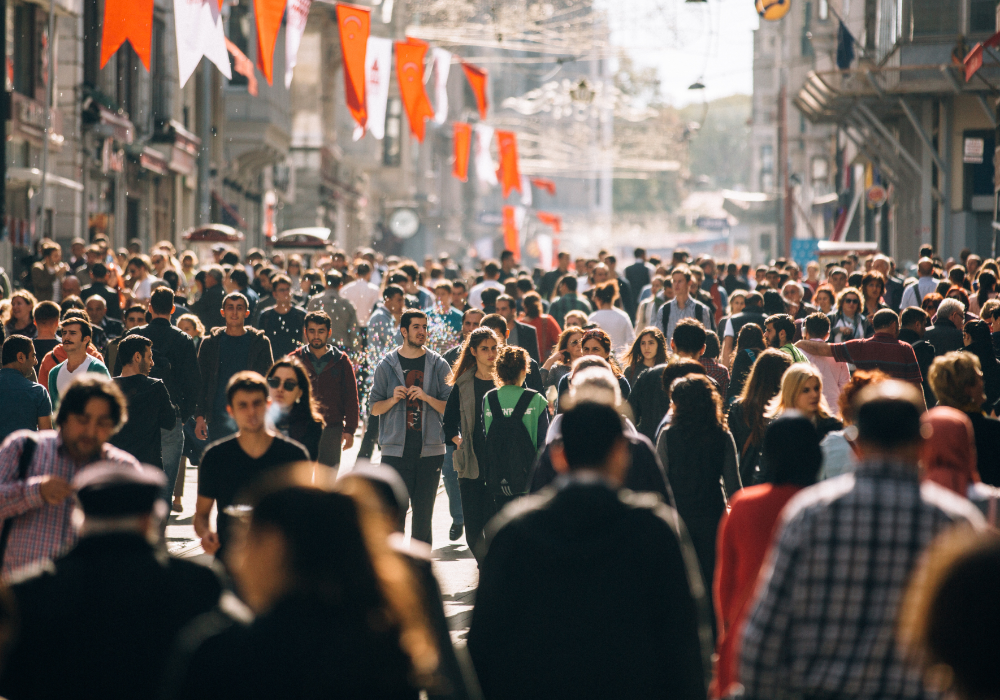
Tourists often forget they’re in active, living cities—not just scenic playgrounds. Standing in the middle of a crowded alley for the perfect pose, blocking a shop’s entrance, or treating someone’s front steps like a backdrop might seem innocent, but it adds up fast. In cities overrun by tourism, locals have to fight through mobs of influencers just to get home from work or bring in groceries. What’s a five-minute photo shoot for you can become a daily disruption for residents. And when dozens of people do it every day, it changes the flow of the entire area.
People start avoiding their own neighborhoods because they feel like movie sets. If you love a destination enough to photograph it, show it the respect of moving quickly, being aware of your surroundings, and not turning public paths into your personal runway. The world isn’t waiting for your perfect shot.
10. Touching or climbing on historical monuments is not harmless curiosity.

Ancient ruins and sacred monuments have survived wars, weather, and centuries of time—what they struggle to survive is careless tourism. Every year, priceless sites suffer new damage from people who think one quick climb or carving their initials won’t hurt. But multiply that mindset by a million visitors, and the damage becomes irreversible.
These places aren’t indestructible playgrounds. Touching fragile surfaces speeds up erosion. Climbing on them can crack structures that were already barely holding together. And carving names or leaving graffiti isn’t just disrespectful—it’s vandalism.
Preservation takes collective responsibility. If there’s a rope or a sign that says “don’t touch,” it’s not optional. Following the rules doesn’t make your trip less exciting—it keeps history intact. Show reverence by keeping your hands to yourself. Some stories are too important to leave your mark on.
11. Acting like everyone should speak English puts the burden on the wrong people.

Walking into a shop, restaurant, or transit hub and demanding to be understood in English doesn’t just make things awkward—it’s entitled. Locals often go out of their way to accommodate travelers, but expecting perfect fluency everywhere you go is a quick way to sour your welcome. Especially in countries where tourism is overwhelming local culture, language entitlement feels like a slap in the face.
You don’t need to be fluent, but you should be willing to meet people halfway. Learn basic greetings, say thank you in the local language, and use translation apps when needed. When you act like it’s their job to speak your language, you ignore the fact that you’re in their country. Being a respectful traveler means remembering you’re a guest. Kindness, patience, and a little humility go further than any phrasebook ever could.
12. Assuming your money makes up for your behavior is exactly the problem.

Too many travelers act like spending money entitles them to do whatever they want. Whether it’s trashing a rental, treating staff poorly, or ignoring local customs, the excuse is always the same: “Well, I’m paying for it.” But tourism dollars don’t give you a pass to act without care.
They don’t erase harm, disrespect, or exploitation. Locals are tired of being told they should be grateful for business that disrupts their lives. They want visitors who value their culture, not just consume it. The truth is, spending money doesn’t make you a good guest—your behavior does. Support local economies, yes. Tip generously. But also follow the rules, respect boundaries, and remember that no amount of cash is a license to be rude. If you’re going to travel, travel with grace.