
AI is transforming medicine by detecting health problems before symptoms appear.

For years, medical diagnoses have depended on a doctor’s expertise, lab tests, and imaging scans—but AI is shaking things up in a big way. These smart systems can sift through huge amounts of medical data in seconds, spotting patterns even the most experienced doctors might overlook.
And it’s not just about improving diagnosis—AI can actually predict health issues before they even show up, giving people a chance to take action early and avoid serious problems. Whether it’s catching cancer in its earliest stages or flagging hidden heart conditions, AI is proving to be a game-changer in medicine. It’s not here to replace doctors, but it’s definitely making healthcare faster, smarter, and more proactive. Here are some of the most exciting ways AI is detecting health problems before they turn into major threats.
1. Doctors aren’t the only ones reading cancer scans anymore.

Traditional screenings rely on human expertise to identify tumors, but AI has taken cancer detection to the next level. According to Vignesh A. Arasu, MD, PhD, in an article by the Radiological Society of North America machine learning models analyze thousands of mammograms, MRIs, and CT scans with a level of precision that even seasoned radiologists can’t always match. By spotting microscopic changes in tissue, AI can detect cancer long before it would be visible to the human eye.
Breast cancer is one area where AI is making a significant impact. Some deep learning systems can flag malignant cells up to a year before conventional screenings, giving patients a crucial head start on treatment. Early detection is critical for survival, and AI is proving to be an invaluable tool in the fight against cancer.
2. Early warnings for heart disease could prevent silent killers.
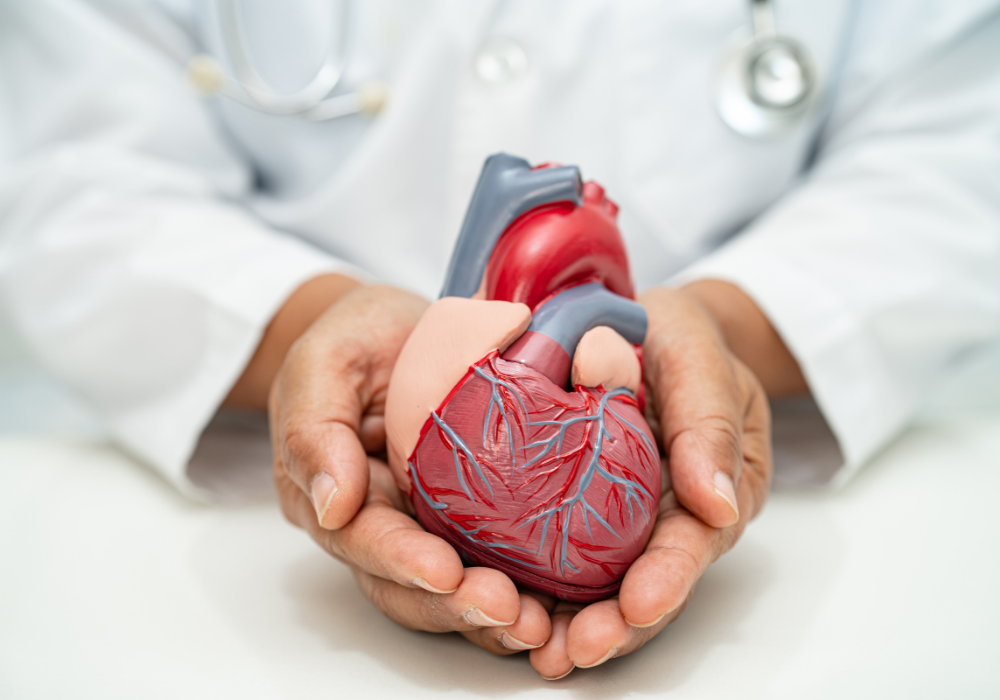
Most heart disease symptoms don’t show up until it’s too late, but AI is rewriting that reality. By analyzing electrocardiograms (ECGs), CT scans, and wearable data, AI can pick up on subtle warning signs that might otherwise go unnoticed, per an article by Julia Eisen for the Yale School of Medicine. Irregular rhythms, restricted blood flow, and early-stage artery blockages can all be flagged before they escalate into life-threatening emergencies.
Predictive models have shown the ability to forecast heart attacks years in advance by examining patterns in a patient’s medical history and lifestyle. With early warnings in place, doctors can intervene before disaster strikes, prescribing medication, diet changes, or lifestyle modifications to lower the risk of cardiac events.
3. Hidden eye diseases are now detectable before vision loss begins.

The early signs of glaucoma, macular degeneration, and diabetic retinopathy aren’t always obvious, but AI is catching them before they cause permanent damage. By analyzing detailed retinal scans, these advanced systems detect microscopic changes in blood vessels and tissue layers that signal the onset of disease.
DeepMind, an AI system developed by Google, has demonstrated diagnostic accuracy comparable to top ophthalmologists. By identifying warning signs years in advance, AI is helping patients get treatment early, protecting their vision before symptoms even begin.
4. The smallest brain changes could signal a future stroke.
Strokes often come without warning, but AI is proving that the risk isn’t as sudden as it seems. By analyzing brain scans, blood pressure levels, and even a patient’s speech patterns, AI models can identify those at high risk for a stroke long before it happens.
Hospitals are already using AI to assess CT scans of stroke victims, ensuring faster diagnoses and treatment decisions. When it comes to strokes, every second counts, and AI is helping to eliminate dangerous delays that could mean the difference between recovery and lifelong disability.
5. Mental health struggles are being flagged before a crisis hits.

Depression, anxiety, and PTSD can go unnoticed for months or even years, but AI is learning how to recognize these conditions in their earliest stages. By analyzing speech patterns, social media activity, and even facial expressions, AI systems are identifying subtle shifts in mood and behavior that indicate potential mental health concerns.
Instead of replacing therapists, these tools serve as an early warning system, helping clinicians detect struggling patients before their symptoms escalate. With AI-powered insights, mental health professionals can provide support before individuals reach a crisis point.
6. Memory loss doesn’t happen overnight—but AI sees the signs before you do.

Alzheimer’s and dementia develop slowly, often remaining undiagnosed until significant cognitive decline sets in. AI is changing that by analyzing brain scans, genetic markers, and even slight changes in speech or writing patterns to detect the earliest stages of neurodegeneration.
Some models can predict Alzheimer’s up to six years before a clinical diagnosis, allowing patients to seek treatment that may slow progression. By identifying these conditions early, AI is giving families more time to prepare and researchers a better chance at finding effective treatments.
7. Your bloodwork holds more secrets than you realize.

Routine lab tests have always been a crucial part of medical checkups, but AI is unlocking even deeper insights. By analyzing thousands of biomarkers, AI-powered blood tests can detect diseases like diabetes, liver disease, and certain cancers long before symptoms appear.
Some AI-driven blood tests can reportedly spot over 50 types of cancer in their earliest stages. If widely adopted, these technologies could turn a simple blood draw into one of the most powerful diagnostic tools in medicine.
8. The gut microbiome is revealing disease risks with AI analysis.

The bacteria in the digestive system influence far more than just digestion. AI is now being used to analyze gut microbiome samples, linking bacterial imbalances to conditions like inflammatory bowel disease, obesity, and even depression.
With this knowledge, doctors can recommend personalized diets and lifestyle adjustments that optimize gut health and potentially prevent chronic illnesses. The future of preventative medicine could be as simple as analyzing what’s happening in the gut.
9. AI-driven lung scans are catching respiratory diseases sooner.

Doctors have long used X-rays and CT scans to diagnose lung conditions, but AI is refining the process. These systems can detect the earliest signs of COPD, lung cancer, and other respiratory diseases that would otherwise go unnoticed until symptoms appear.
During the COVID-19 pandemic, AI-powered scans played a crucial role in diagnosing severe cases quickly. Now, that same technology is helping doctors catch other lung diseases earlier, leading to more effective treatments and better survival rates.
10. Smartwatches and wearables are doubling as health monitors.

Fitness trackers and smartwatches have evolved into powerful medical tools. AI-driven wearables can monitor heart rhythms, detect changes in oxygen levels, and even flag atrial fibrillation, a common but often undiagnosed heart condition.
Doctors are increasingly using data from wearables to track chronic conditions and intervene before they worsen. AI-powered alerts are turning these everyday devices into life-saving health monitors.
11. Genetic risk assessments are giving doctors a glimpse into the future.

Genetic testing has revolutionized medicine, but AI is taking it even further. By analyzing DNA data, AI can predict an individual’s risk for diseases like breast cancer, Parkinson’s, and heart conditions decades before symptoms appear.
With these insights, doctors can create personalized prevention plans, helping patients make informed decisions about their health long before they face a diagnosis. AI isn’t just treating disease—it’s reshaping the way prevention works.
12. Medical diagnostics are becoming faster and more accurate with AI.

Even the best doctors can’t memorize every medical study or catch every rare condition, but AI can. Advanced diagnostic tools help physicians cross-check symptoms, analyze medical records, and make faster, more accurate diagnoses.
These AI-assisted systems don’t replace human expertise, but they serve as a second set of eyes, reducing medical errors and improving patient outcomes. The future of medicine isn’t just about AI—it’s about AI and doctors working together to provide better, more proactive care.