
These common purchases are environmental troublemakers in disguise—here’s what to buy instead.

We all want to make better choices for the environment, but sometimes the most harmful products slip right into our shopping carts without raising any red flags. Even those of us who dutifully separate our recycling and carry reusable bags can fall prey to clever marketing that disguises environmental troublemakers as innocent everyday items. The truth is, many products we use daily have environmental footprints that would make our eco-conscious selves gasp if we could actually see them.
The good news? Once you know what to look for, these planet-straining purchases become much easier to spot and swap out. Small changes in our buying habits can add up to significant positive impacts when multiplied across millions of households. Consider this your friendly heads-up about some common purchases that might be undermining your environmental good intentions—and the simple switches that can help align your shopping cart with your values.
1. Plastic cutting boards leave more than knife marks behind.

That inexpensive plastic cutting board in your kitchen might seem like a practical choice, but it harbors a dirty environmental secret. Unlike wooden boards that can last decades with proper care, plastic boards quickly develop deep grooves that harbor bacteria and can’t be safely sanitized.
Most households replace these petroleum-based products every year or two, creating a steady stream of plastic waste that persists in landfills for decades or longer. Bamboo or sustainably harvested wood cutting boards might cost more upfront but typically last much longer with proper care.
They’re naturally antimicrobial, can be rejuvenated with occasional sanding and oiling, and will eventually biodegrade at the end of their useful life. The environmental math becomes clear when you consider that one quality wooden board can replace multiple plastic ones over its lifetime, while keeping microplastics off your dinner plate.
2. Your cleaning products might need cleaning up.

Those convenient disinfecting wipes, disposable toilet brushes, and single-use floor pads might make cleaning feel easier, but they create unnecessary waste. Most contain a mix of synthetic materials and packaging that will persist in landfills for a long time.
Switching to reusable cleaning cloths, mops with washable heads, and refillable spray bottles cuts both environmental impact and household expenses. Microfiber cloths can be washed hundreds of times, and natural cleaners like vinegar, baking soda, and castile soap work effectively for most cleaning tasks. The average household can eliminate significant cleaning product waste annually with this simple switch—while saving money in the process.
3. Coffee pods create mountains of waste for moments of convenience.
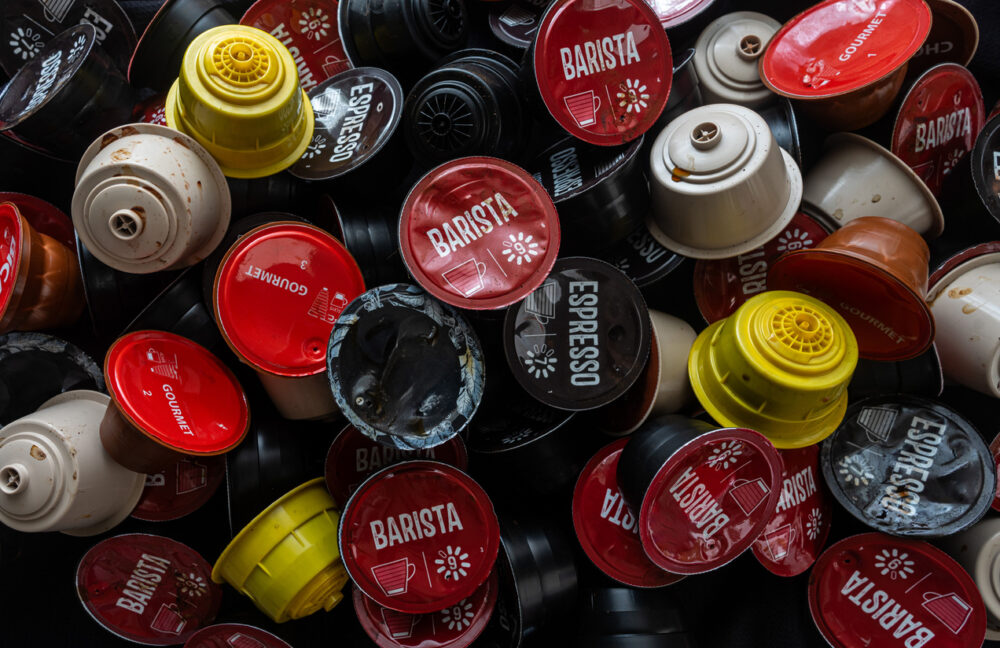
That convenient single-serve coffee maker might be saving you time in the morning, but conventional coffee pods create a environmental problem. With billions of these tiny plastic and aluminum capsules entering landfills annually, they’ve become a symbol of convenience at an environmental cost. The World Wildlife Fund reports that these pods can take over 500 years to fully decompose. If you can’t bear to part with your pod-based brewer, compostable or reusable pods offer a planet-friendlier alternative.
Several companies now make compostable options that break down in commercial composting facilities, while reusable stainless steel or plastic pods let you fill them with any coffee you like. Better yet, consider methods like pour-over, French press, or traditional drip coffee makers—all of which create minimal waste while giving you more control over your brew strength and flavor.
4. Synthetic sponges send microplastics down your drain with every wash.

That innocent-looking dish sponge sitting by your sink is likely hiding a dirty secret: most conventional sponges contain plastic-based materials that shed microplastics with every use. These synthetic sponges release invisible particles down your drain with each dish you wash.
Even worse, they typically can’t be recycled and take a very long time to break down in landfills. One household might go through a dozen or more annually, multiplying the problem. Natural alternatives like compostable cellulose sponges, coconut fiber scrubbers, or Swedish dishcloths provide the same cleaning power without the plastic problem.
These plant-based options clean effectively, can be sanitized in your dishwasher or microwave to extend their life, and will eventually break down completely in composting systems. Many last longer than conventional sponges, making them economical as well as ecological.
5. Those cheap trendy clothes cost the earth more than you paid.
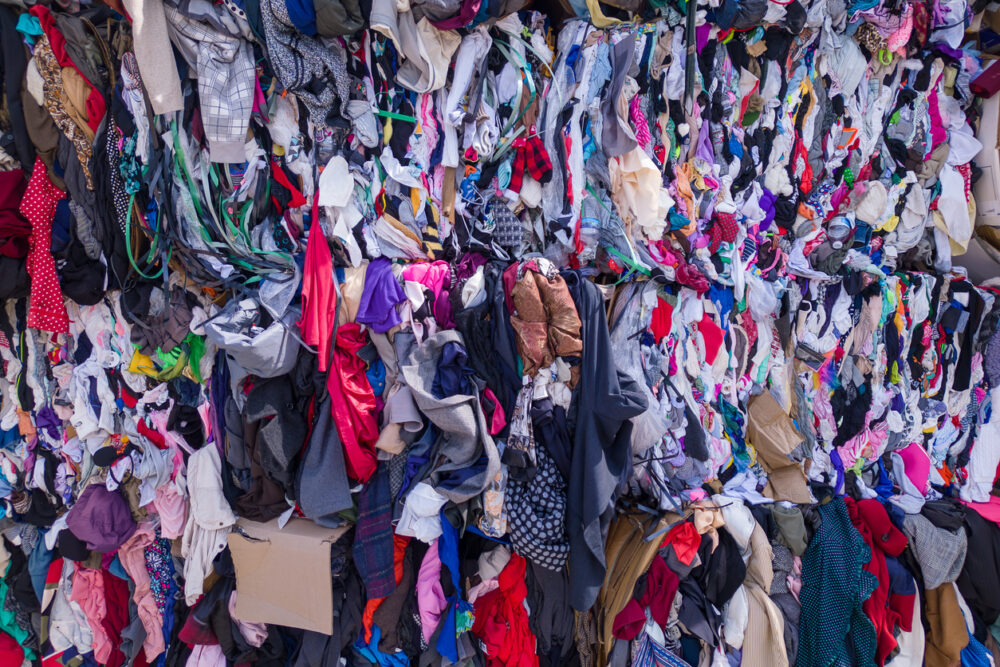
Those trendy, budget-friendly clothes that seem too good to resist come with hidden environmental costs that far exceed their checkout price. Fast fashion relies on resource-intensive production, typically using synthetic fabrics and numerous chemicals throughout the manufacturing process. A single polyester garment requires petroleum to produce and sheds microplastics with every wash.
Building a wardrobe more thoughtfully means buying fewer, better-quality items that last longer and transcend rapidly changing trends. Natural fibers like organic cotton, linen, and wool generally have lower environmental impacts and often improve with age. Consider secondhand shopping, clothing rental services for special occasions, or supporting brands with transparent supply chains and ecological commitments. Quality over quantity usually saves money in the long run.
6. Your perfect lawn sends chemicals straight to local waterways.

The perfect green lawn often comes at the cost of watershed health. Conventional lawn products introduce chemicals into the environment that extend beyond your property line. Rain and irrigation wash these substances into local waterways, potentially affecting aquatic ecosystems. Many also impact beneficial insects like bees and butterflies that our food systems depend on. Embracing a more natural approach to lawn care creates healthier, more resilient grass in the long run.
Organic fertilizers, compost, and proper mowing practices build soil health rather than creating dependencies. Consider incorporating clover (which adds nitrogen to soil naturally), native plants that require less water and maintenance, or even food-producing gardens in parts of your yard. A truly healthy yard supports local biodiversity.
7. Artificial air fresheners leave chemical residues long after the scent fades.

Those plug-in air fresheners, scented sprays, and fragrance diffusers don’t just disappear when the scent fades—their synthetic chemicals can accumulate in household dust and surfaces. Indoor air quality experts often recommend reducing rather than adding to the chemical load inside our sealed homes.
Creating a naturally fresh-smelling home is surprisingly simple. Houseplants naturally filter air, while opening windows periodically introduces truly fresh air.
For pleasant scents, consider simmering cinnamon sticks and citrus peels, using essential oil diffusers, or making your own room spray with simple ingredients. Addressing the actual sources of household odors—like regularly emptying trash and keeping up with laundry—reduces the need to mask them with synthetic fragrances.
8. Conventional detergents wash your clothes but pollute our waters.
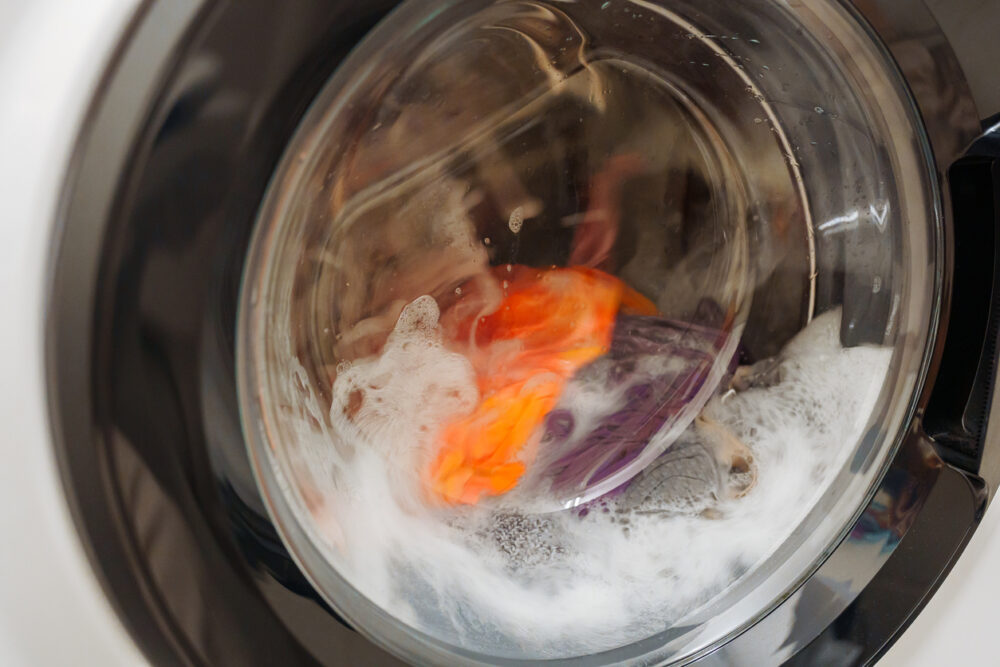
Conventional laundry detergents might be doing more than cleaning your clothes. Many contain ingredients that persist in waterways after treatment, potentially affecting aquatic ecosystems. The plastic jugs they come in add another layer of environmental impact, with billions entering the waste stream annually.
Eco-friendly laundry alternatives have improved dramatically in recent years, with plant-based formulations now cleaning effectively. Look for concentrated formulas in recyclable packaging, or better yet, try laundry sheets or pods in cardboard packaging that eliminate plastic waste entirely. For many everyday loads, you might need less detergent than you think—manufacturers often recommend more than necessary to increase consumption.
9. Your relaxing cup of tea might be releasing microplastics with every sip.

Your soothing cup of tea might come with a surprising environmental cost. Many tea bags contain plastic fibers that help them keep their shape and seal the tea inside. These microplastics are released when the bag is steeped in hot water—meaning you’re drinking some plastic with your tea while the rest goes down the drain. With billions of tea bags used globally each year, this adds up to a significant source of microplastic pollution. Switching to loose leaf tea with a reusable strainer eliminates this problem entirely while often providing a better tea experience with higher quality leaves.
If you prefer the convenience of tea bags, look for brands that explicitly state they use plastic-free, fully compostable materials. These are typically made from plant fibers that break down completely after use. Your tea ritual can remain simple and satisfying without the hidden plastic.
10. Party supplies create waste that lasts centuries after the celebration ends.

Birthday parties, barbecues, and holiday gatherings often come with a mountain of single-use cups, plates, and cutlery that live on in landfills long after the celebration ends. Even items marketed as “paper” plates often contain plastic coatings that prevent them from breaking down. A single weekend gathering can generate bags of waste that will persist for centuries.
Building a collection of durable party supplies is a one-time investment that pays environmental dividends for years. Inexpensive metal or bamboo plates, real cutlery from thrift stores, and cloth napkins can be used hundreds of times. For very large gatherings, consider compostable options made from materials like sugarcane fiber or palm leaves that will actually break down in composting systems. The minor inconvenience of washing dishes is offset by creating celebrations that align with your values.