
These bizarre marine fungi are quietly waging war on ocean pollution.
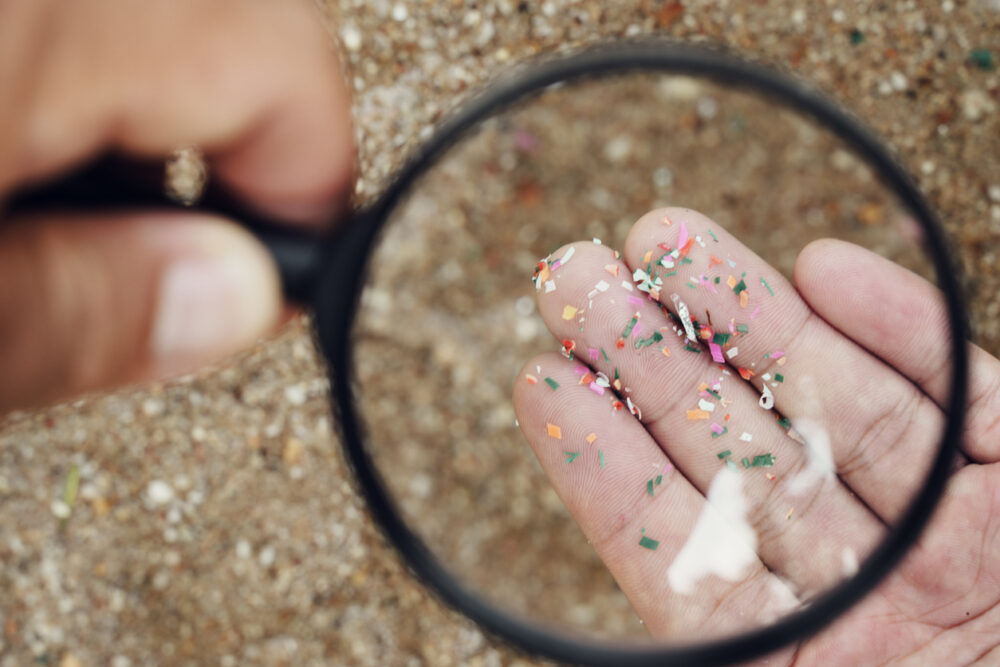
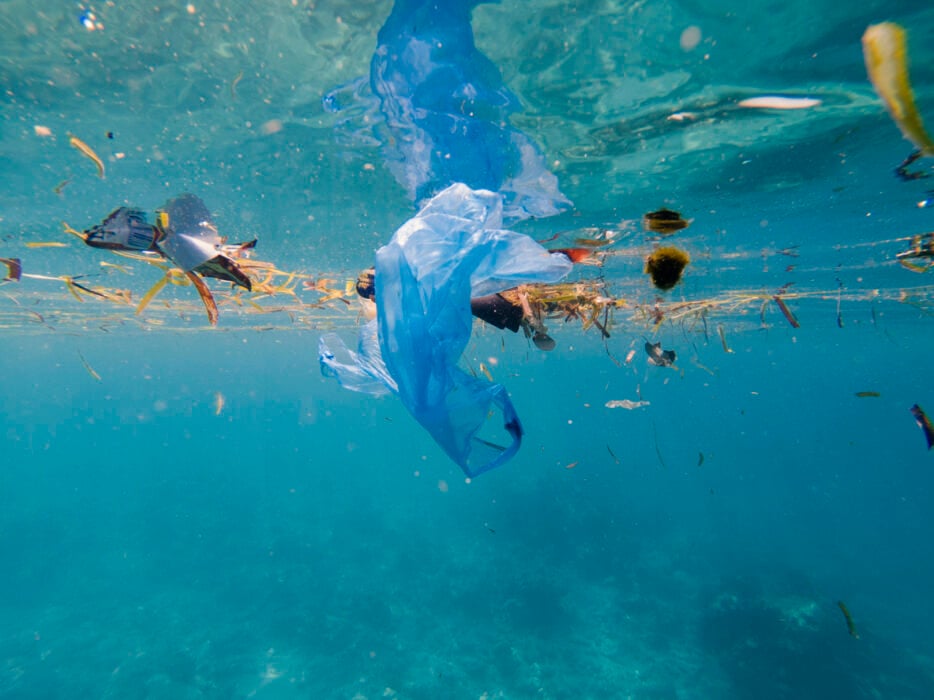
You’re not going to believe what scientists are finding in the ocean—and it’s not another weird-looking fish. If you’ve ever stared at a beach covered in plastic bottles and grocery bags and thought, “There’s no way nature can bounce back from this,” you’re not alone. It’s easy to feel like we’ve already trashed the planet beyond repair. But just when it seems like all hope is lost, something totally unexpected washes up—like a potential miracle hiding in the most overlooked corners of the sea. These aren’t flashy sea creatures or headline-grabbing tech fixes. They’re smaller, stranger, and way more fascinating.
The ocean, it turns out, may have been quietly building its own cleanup crew all along. And once you understand what’s lurking beneath the surface, you’ll never look at the ocean—or your plastic trash—the same way again. Nature’s got tricks up its sleeve, and you’re about to find out one of the weirdest, most brilliant ones yet.
1. Scientists found fungi that can digest plastic like it’s lunch.

Imagine a fungus that treats plastic like a snack. Sounds like science fiction, right? But researchers discovered certain marine fungi that actually break down polyethylene—the same stuff that’s clogging our oceans and landfills, according to Trevor Greene at Earth.org. These fungi secrete enzymes that latch onto the plastic’s chemical structure and basically melt it down. It’s not an overnight process, but it’s a serious game-changer. Most plastic takes hundreds of years to break down on its own, so finding anything in nature that speeds up the timeline is huge.
What’s wild is how low-key these fungi are. They don’t need fancy lab conditions or high-tech tools—they just do their thing in salty, watery environments. You’ve got to wonder what other microscopic ocean dwellers have been quietly working behind the scenes while humans fumble with cleanup strategies. This discovery makes one thing clear: the ocean might be hiding more helpers than we ever imagined.
2. Some fungi are thriving in shipwrecks while munching on plastic.
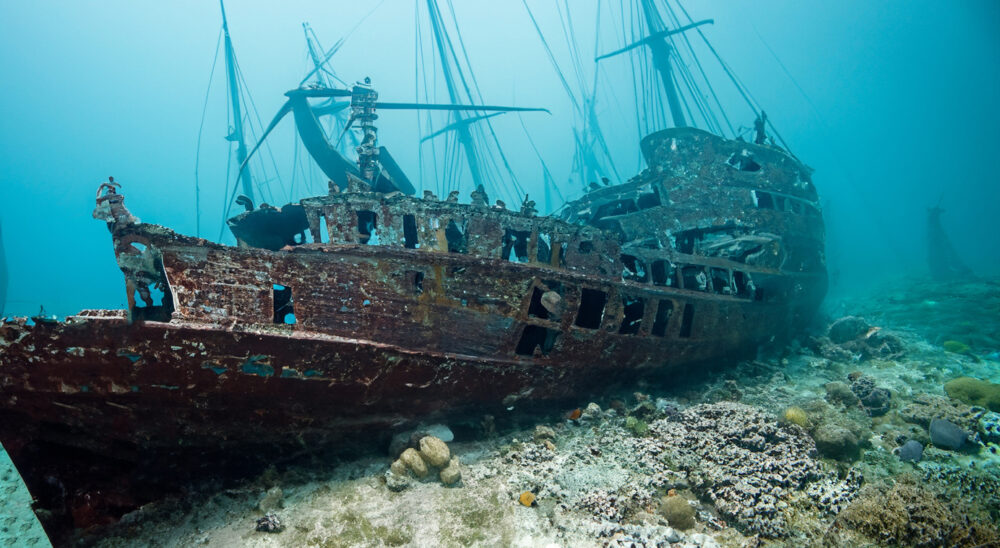
Turns out, abandoned shipwrecks are more than just eerie underwater graveyards. They’ve become unexpected fungal condos—and the residents are busy eating plastic, as reported by Marcie Grabowski at Phys.org. Scientists exploring sunken vessels found certain fungi that not only survive in these dark, cold environments but also feed on microplastics stuck to metal, wood, and other surfaces. These fungi aren’t just chilling—they’re actively transforming these wrecks into mini recycling centers. The conditions in shipwrecks actually help because the structures shelter the fungi from predators and strong currents. It’s like giving them a quiet place to work their magic.
Researchers think these environments could offer clues about how to cultivate plastic-eating fungi on a larger scale. If something as grimy and forgotten as a sunken ship can host a clean-up crew, imagine what a controlled marine environment could do. These fungal freeloaders might be freeloaders with a purpose—and we’re only beginning to understand their potential.
3. Deep-sea fungi are breaking down plastic in total darkness.

We usually think of fungi needing sunlight or at least a damp forest floor, but deep-sea fungi are rewriting the rulebook. These microscopic organisms are munching on plastics in pitch-black, high-pressure environments miles below the ocean’s surface. How? By evolving enzymes that can handle the cold, crushing dark without missing a beat.
It’s like they were built for a plastic-ridden world. Scientists studying sediment samples from the ocean floor found plastic fragments with telltale signs of fungal digestion—tiny pockmarks, thinning edges, and even chemical traces of breakdown, as stated by the experts at Science Daily. That’s not just impressive—it’s hopeful. Because if fungi can do this without light, fancy nutrients, or human help, they could be the ultimate frontline fighters in places humans can’t reach. And let’s be real—we’ve dumped a lot of trash where we can’t go back and clean it up. These fungi are already down there, already working. We just need to let them keep going—and maybe give them a little support.
4. Marine fungi are evolving faster than expected to target plastics.
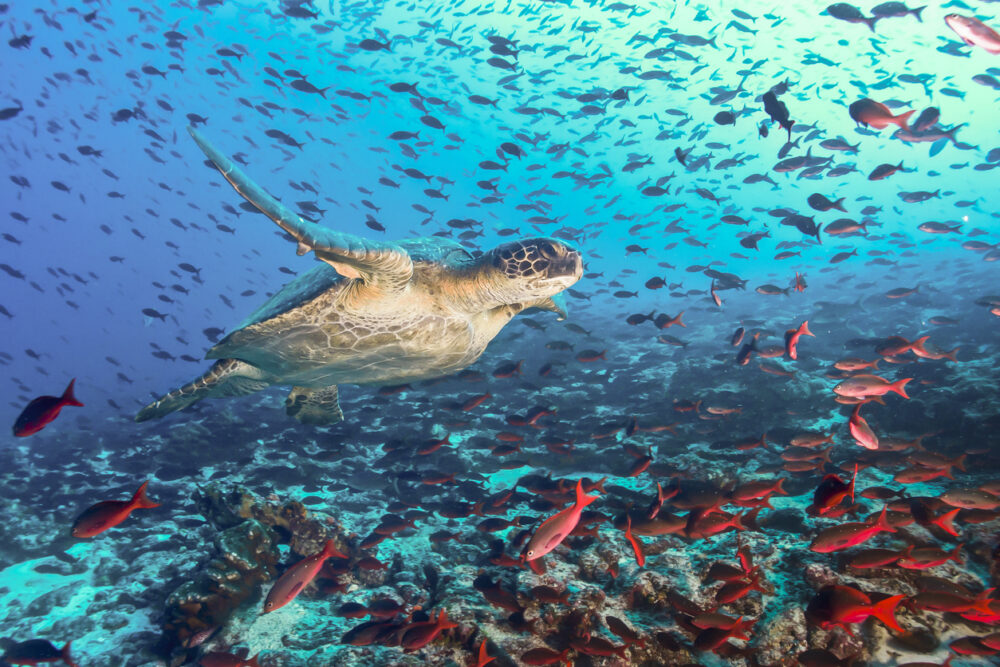
One of the most jaw-dropping discoveries? These fungi are adapting at lightning speed. In just a few decades—basically a blink in evolutionary terms—some marine fungi have started producing enzymes specifically tailored to breaking down plastic polymers. That’s like watching nature download a software update to handle a new environmental mess. Researchers suspect that because plastic is now so common in the ocean, fungi are adjusting to take advantage of the new “food source.” That’s both incredible and a little humbling. Nature doesn’t wait around. It sees a challenge and starts solving it, even if humans are dragging their feet.
These rapidly evolving fungi are doing what billions in funding and policy still haven’t accomplished: breaking plastic down. It’s like they’re saying, “Fine, if you won’t clean up your mess, we will.” The implications? Huge. If fungi can adapt this fast, they might be our most versatile allies in cleaning up the plastic nightmare.
5. One species can survive on nothing but plastic waste.
Yes, you read that right. A species of marine fungus has been observed surviving entirely off plastic materials, with no other food source needed. This isn’t just nibbling on microplastics—it’s full-on plastic sustenance. Scientists tested this by exposing the fungus to isolated plastic environments, and the result was stunning: it not only lived, but it thrived.
That changes the entire narrative. We’re not talking about a weak biodegradation process—we’re talking about a possible foundation for a whole ecosystem that could subsist on our pollution. Now, that doesn’t mean we should keep dumping trash into the ocean in hopes of building a fungus paradise. But it does suggest that certain organisms might help turn the tide. This discovery opens up all sorts of wild possibilities, from bioreactors to waste-management tech that could harness these super-feeders. Plastic-eating fungi aren’t just real—they’re resourceful. And they might be hungrier than we thought.
6. Fungi are working in teams with bacteria to break down trash.
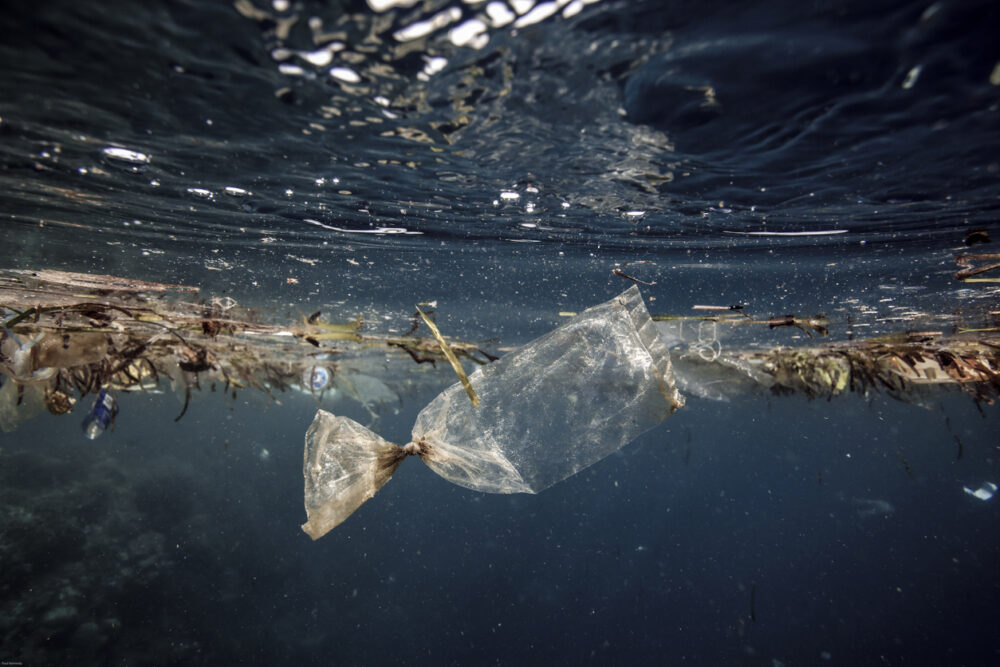
Turns out, some fungi aren’t working alone—they’ve got backup. In several studies, researchers found that marine fungi often form partnerships with bacteria to break down plastics more efficiently. It’s a natural tag-team: fungi soften or weaken the plastic structure, and the bacteria swoop in to finish the job. This kind of microbial teamwork speeds up the degradation process dramatically. Think of it like a relay race—except instead of passing a baton, they’re passing broken-down polymers. It’s a reminder that ecosystems don’t operate in silos. Nature’s problem-solvers collaborate.
What’s even cooler is that these teams seem to form spontaneously in contaminated environments. You throw plastic into the ocean, and the microbes basically hold an emergency meeting and figure out how to adapt. It’s weirdly inspiring. If marine fungi and bacteria can team up to fix our mess, the least we can do is stop making it worse. The cleanup crew has already clocked in.
7. Some fungi can break down multiple types of plastics at once.
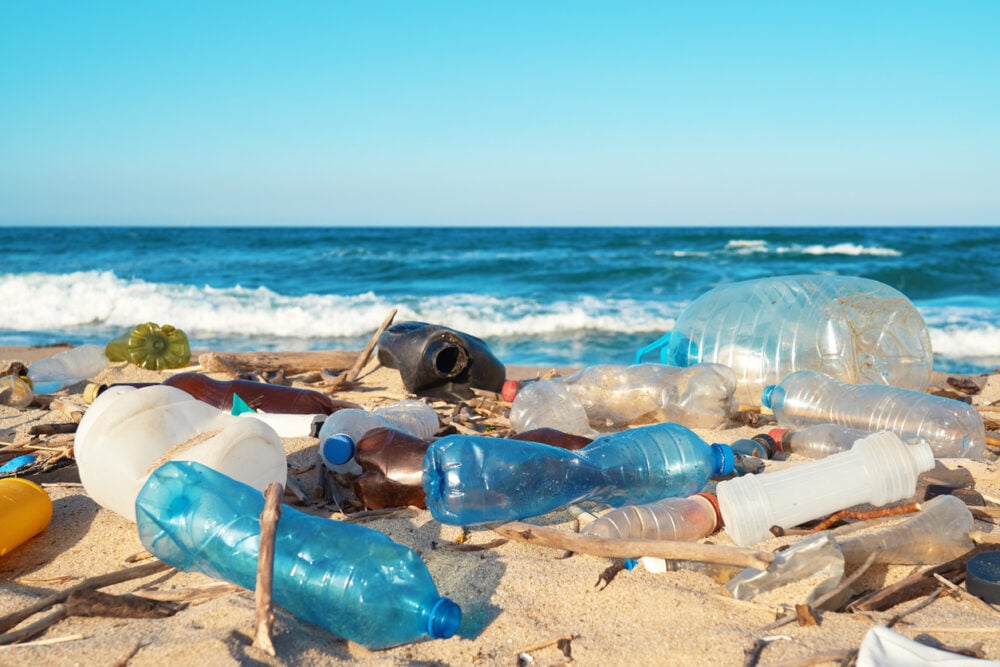
Not all plastics are created equal, and most microbes are picky eaters. But researchers have uncovered fungi that aren’t just targeting one kind of polymer—they’re breaking down several types at once. That’s a big deal. Most plastic-eating solutions only work on a narrow range, which limits how useful they are outside the lab.
These multitasking fungi are the overachievers of the microbial world. They’re showing signs of digesting polyethylene, polypropylene, and even PET—the kind used in soda bottles—all at the same time. It’s like discovering a Swiss Army knife in fungal form. Scientists are now racing to figure out how to replicate this on a bigger scale. If these fungi can survive in mixed-plastic environments and still do their thing, they could revolutionize how we think about marine cleanup. Instead of sorting and separating trash, maybe we just need the right fungi with a big appetite and zero preferences.
8. Marine fungi are active in some of the most polluted waters on Earth.
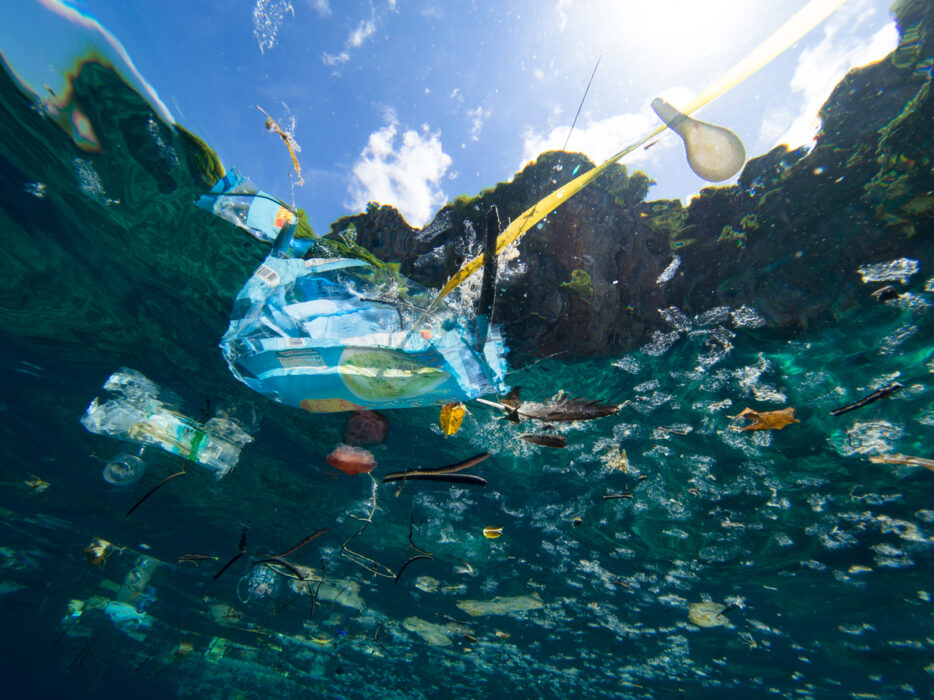
It might sound counterintuitive, but some of the most exciting fungi are thriving in the world’s dirtiest oceans. Places like the Great Pacific Garbage Patch and other polluted hotspots are home to fungi that are not only surviving but actively breaking down plastic waste. These environments are toxic soup to most marine life, but certain fungi have adapted in ways that allow them to take full advantage of the mess. In fact, pollution may be speeding up their evolution.
Scientists think these fungi are developing unique enzymes that respond specifically to the complex cocktail of chemicals found in these zones. That makes them incredibly valuable for bioremediation. If we can study and replicate what they’re doing naturally, we might be able to turn our dirtiest ocean regions into places of real recovery. It’s a grim silver lining, sure—but one worth exploring if we’re serious about reversing the damage we’ve done.
9. Some fungi are showing promise in filtering microplastics from seawater.

Microplastics are one of the toughest pollutants to remove because they’re everywhere—and too small to filter out efficiently. But some marine fungi may have a surprising trick up their sleeve. Early studies suggest they can bind to microplastic particles, effectively clumping them together and making them easier to extract. Think of it like fungi creating little magnetized bundles of waste. This could be a breakthrough for ocean cleanup. Traditional methods struggle to grab these microscopic particles without damaging the ecosystem in the process. But fungi doing the work from the inside? That’s stealthy and sustainable.
Researchers are experimenting with bioreactors and filtration systems that could harness this behavior on a wider scale. It’s still early days, but the results are intriguing. If marine fungi can help us tackle the tiniest pieces of pollution, they might be a missing piece in the puzzle of cleaning up our plastic-infested waters.
10. Scientists are exploring ways to bioengineer fungi for large-scale cleanup.
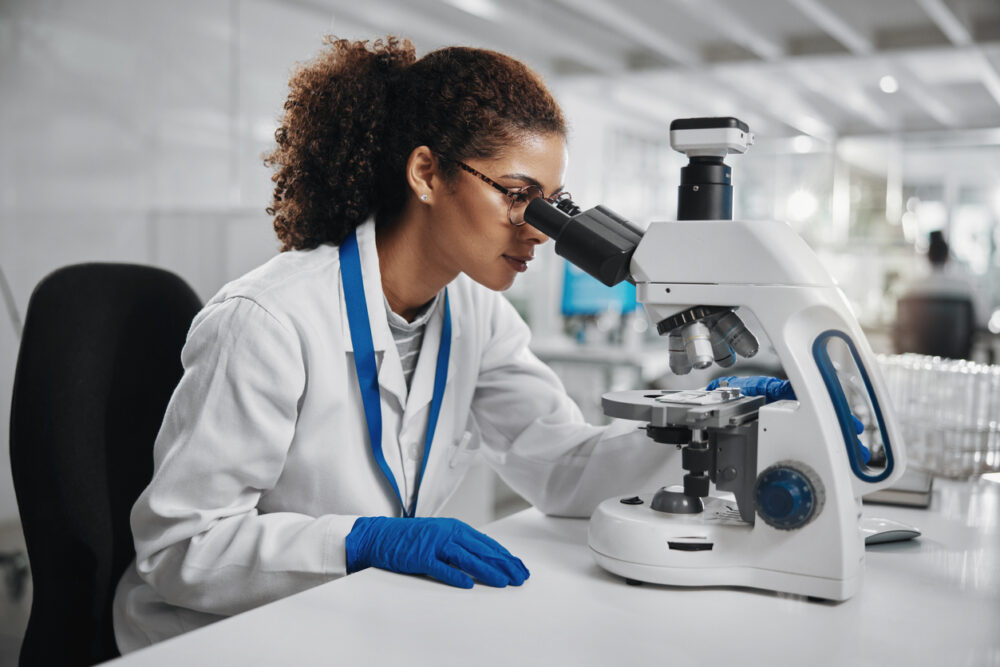
Nature gave us a head start, but now researchers are asking: what if we could supercharge these fungi? Scientists are exploring bioengineering techniques that could enhance the plastic-eating powers of marine fungi—making them faster, more efficient, and more adaptable to different environments.
It’s not about creating synthetic monsters—it’s about learning from what nature’s already doing and nudging it in the right direction. Think precision tools for precision messes. Some teams are even working on embedding these enhanced fungi into materials that could be deployed across polluted coastlines or inside ocean-cleaning robots. It’s all pretty sci-fi sounding, but the science is grounded and moving fast. If it works, we could see a whole new generation of ocean-cleanup strategies rooted in biology, not brute force. That’s the dream: harnessing natural allies, giving them a boost, and letting them do what they do best—just more effectively than ever before.
11. Fungi-based filters could one day replace chemical-laden water treatment methods.

Traditional water treatment often relies on a slew of chemicals to purify and disinfect, which sounds fine until you realize those chemicals can have their own environmental costs. Now imagine replacing that whole system with a fungal-powered filter that purifies water naturally while breaking down plastic waste along the way. Scientists are experimenting with integrating marine fungi into biofiltration systems that could clean everything from wastewater to seawater more sustainably.
These fungal filters don’t just trap pollutants—they degrade them, turning harmful microplastics into harmless compounds. This kind of innovation could be huge for coastal communities dealing with polluted water sources. It’s cleaner, it’s greener, and it works with nature instead of against it. If these systems scale the way researchers hope, we might one day see fungi quietly doing the heavy lifting in treatment plants around the globe—saving ecosystems, protecting public health, and cutting down on chemical dependency all in one go.
12. Marine fungi could help restore damaged coral reefs and ecosystems.
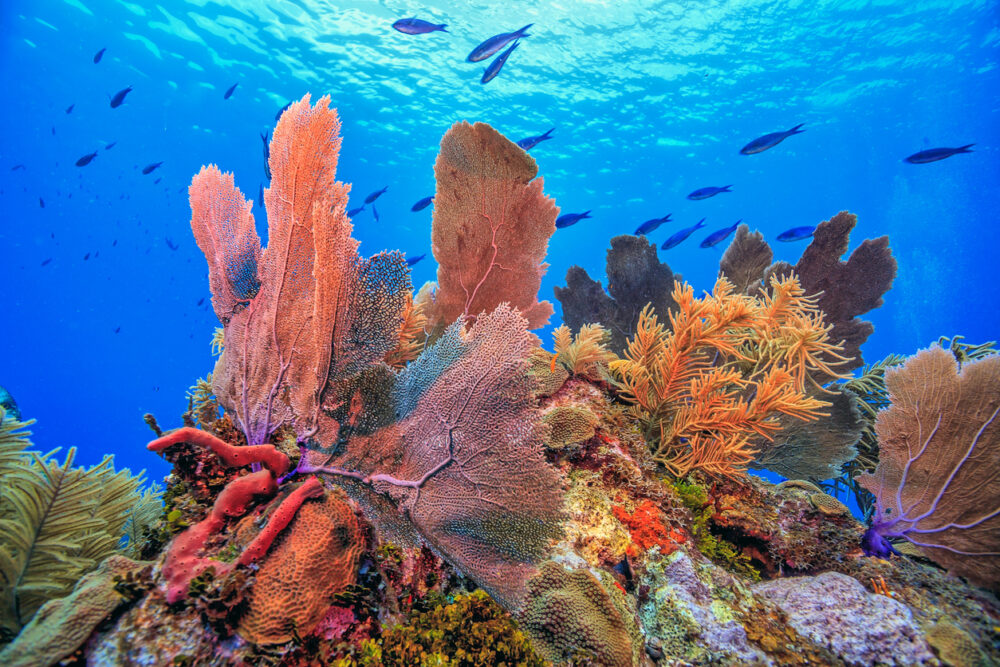
Coral reefs are in serious trouble—from rising ocean temps to plastic pollution clogging their habitats. But some marine fungi may hold a key to helping reefs bounce back. New studies suggest that certain fungi not only break down plastics but also promote healthier microbial conditions around coral. By degrading pollutants and fostering a more stable microbial environment, these fungi create conditions where coral and marine biodiversity can recover. It’s a double win: less plastic and a stronger ecosystem.
Scientists are now exploring how to introduce these fungi in a way that supports reef health without disrupting natural balances. If successful, this could be one of the most holistic tools in the fight to save the reefs. The idea that the same organisms cleaning up our mess could also act as healers? That’s a hopeful twist in the story—and one we desperately need as reef systems continue to disappear at an alarming rate.