
It’s not “bad” people—our systems are quietly breaking their spirits.
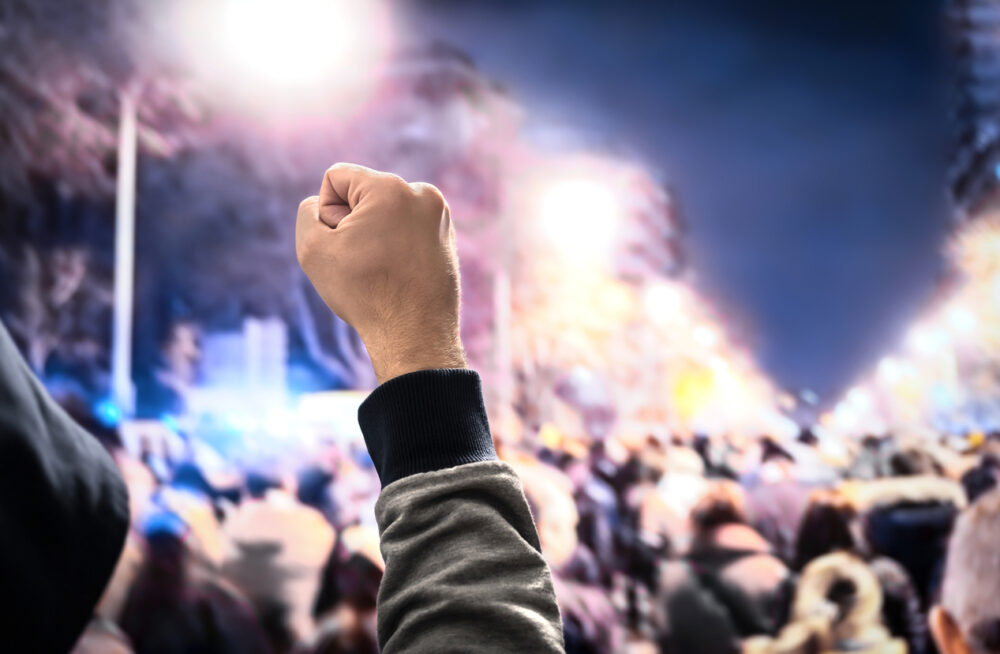
You don’t have to be watching the news 24/7 to feel something big is breaking. What’s happening on the streets of Los Angeles right now isn’t just about immigration crackdowns or a few chaotic nights. It’s deeper. It’s decades of pain bubbling up all at once—grief, rage, exhaustion—all of it spilling out where cameras can finally see it. People aren’t snapping out of nowhere. They’ve been stretched thin for years, living in communities gutted by poverty, ignored by leadership, and brutalized by systems that were supposed to help.
Anger doesn’t just happen—it builds, layer by layer, each policy failure and broken promise adding weight. And when you can’t scream loud enough to be heard, sometimes the only option left is to break something. That may sound extreme in a society that values property over people’s pain, but for some, it’s the only way to make the world look in their direction. If you want to understand the protests, you have to understand what led to the spark.
1. Generational poverty traps people in hopeless cycles of frustration.
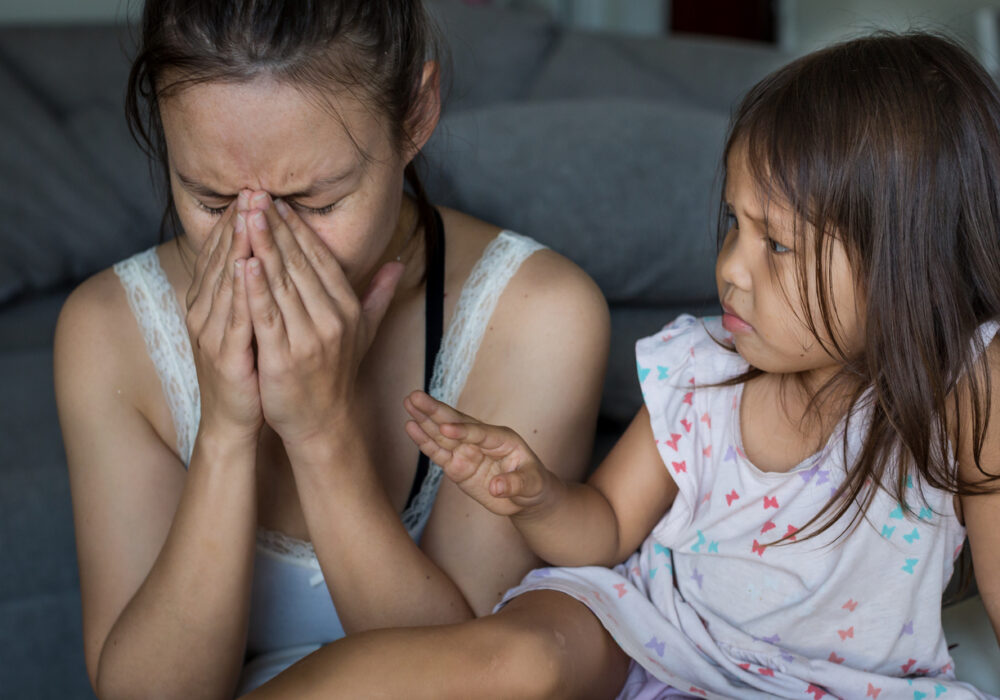
When your neighborhood hasn’t seen meaningful investment in decades, frustration simmers just under the surface. People aren’t violent by nature—most just want to live with dignity. But when you’re constantly overlooked, underpaid, and disrespected, it wears down your spirit, according to John Rampton at Entrepreneur. You start to believe no one’s coming to help. Generational poverty creates a pressure cooker of unmet needs, unacknowledged pain, and no clear path out. You can’t just bootstrap your way through crumbling schools, food deserts, and impossible rent. When that pressure erupts, it’s not random—it’s grief turning into rage.
Violence becomes the language of last resort when polite requests and peaceful protests are ignored. Until systems actually listen and respond, these eruptions will keep happening. Not because people want to burn things—but because everything else has already been torched by neglect.
2. Police crackdowns often escalate instead of resolve community tensions.

Not everyone looks to law-enforcement as a protector- many view it as a threat. When communities experience years of over-policing, racial profiling, and aggressive tactics, trust is shattered, as reported by the authors at Law Enforcement Action Partnership. Add in a crisis, like the current immigration raids in Los Angeles, and tensions explode. Instead of feeling safe, people feel hunted. The more force that’s used, the more fear takes root. And fear doesn’t stay quiet for long. Crowds gather, outrage builds, and what started as peaceful resistance turns into confrontation. It’s not because people are looking for a fight—it’s because they’re tired of being pushed around.
Crackdowns send the message that compliance is valued over compassion, and that order matters more than justice. When people can’t breathe under the weight of that message, they push back. And the cycle continues—not because people are lawless, but because they’ve been silenced too long.
3. Joblessness and economic exclusion feed desperation and anger.
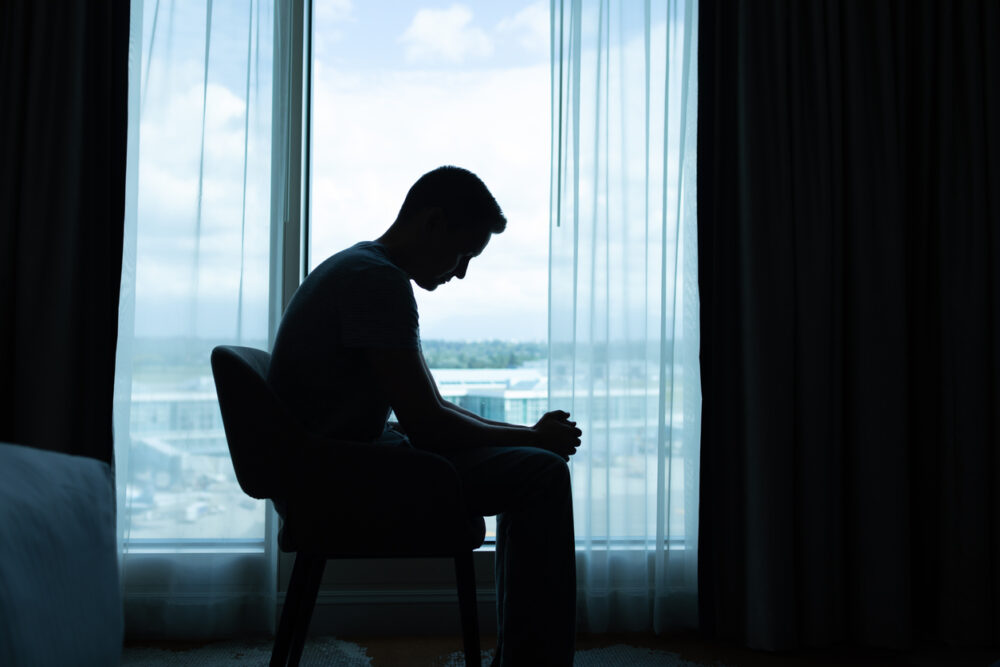
It’s hard to stay calm when you’re constantly being shut out of opportunity. Whole swaths of the population are locked out of stable work, passed over for decent wages, and left scraping by in gig jobs that offer no benefits or future. It creates a toxic mix of exhaustion and shame, as stated by the authors at Sage Journals. You do everything “right” and still can’t make rent? That eats away at you. And when corporations rake in profits while your community faces eviction notices and empty pantries, resentment grows. In cities where the wealth gap is in your face, it’s even worse. You walk past luxury apartments on your way to a food bank.
That kind of inequality doesn’t just sting—it festers. Eventually, people don’t just want fairness—they demand it. And when no one’s listening, anger turns physical. This isn’t about laziness or entitlement. It’s about being systemically boxed out and finally saying, “Enough.”
4. The criminalization of poverty pushes people toward risky decisions.
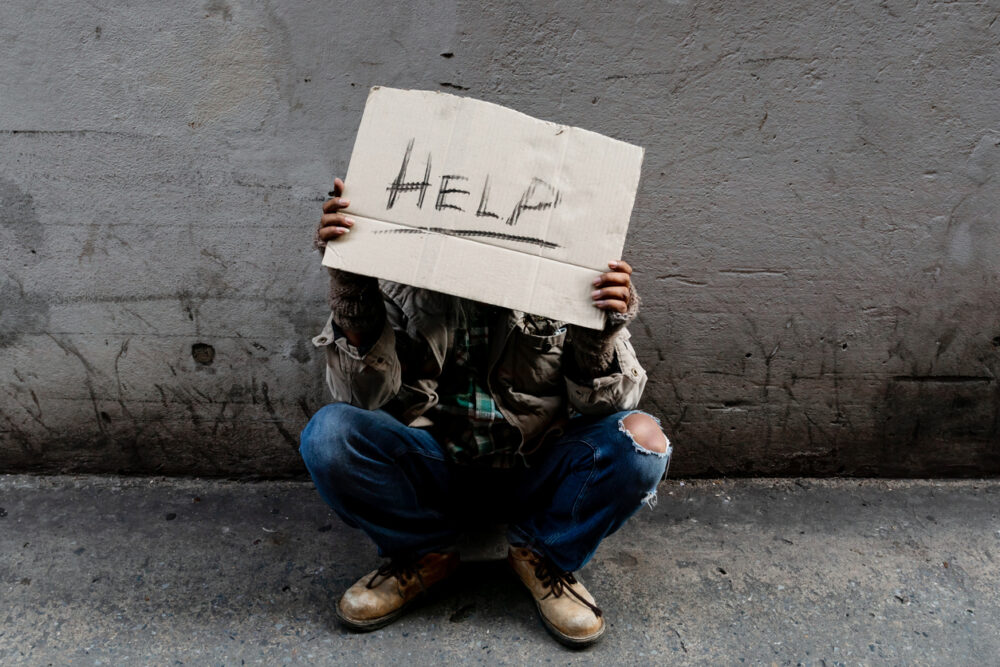
When survival becomes a crime, what options are left? Historically, people have been and continue to be punished simply for being poor. Can’t afford housing? Now you’re loitering. Selling snacks or working informal jobs to get by? That’s a citation—or worse. Getting caught in this trap makes folks feel like criminals even when they’re just trying to live. It chips away at dignity, and over time, it breaks something inside. You start to believe the system is stacked against you because, frankly, it is. For some, this turns inward into depression or despair.
For others, it explodes outward. People pushed into corners don’t always stay quiet. And when entire communities are policed more harshly for merely existing, the line between peaceful and volatile disappears fast. L.A.’s current unrest isn’t just about policy—it’s about lives spent under surveillance, judgment, and pressure. Rage becomes rebellion when living feels like a daily battle just to exist.
5. Media often dehumanizes the people most affected by injustice.
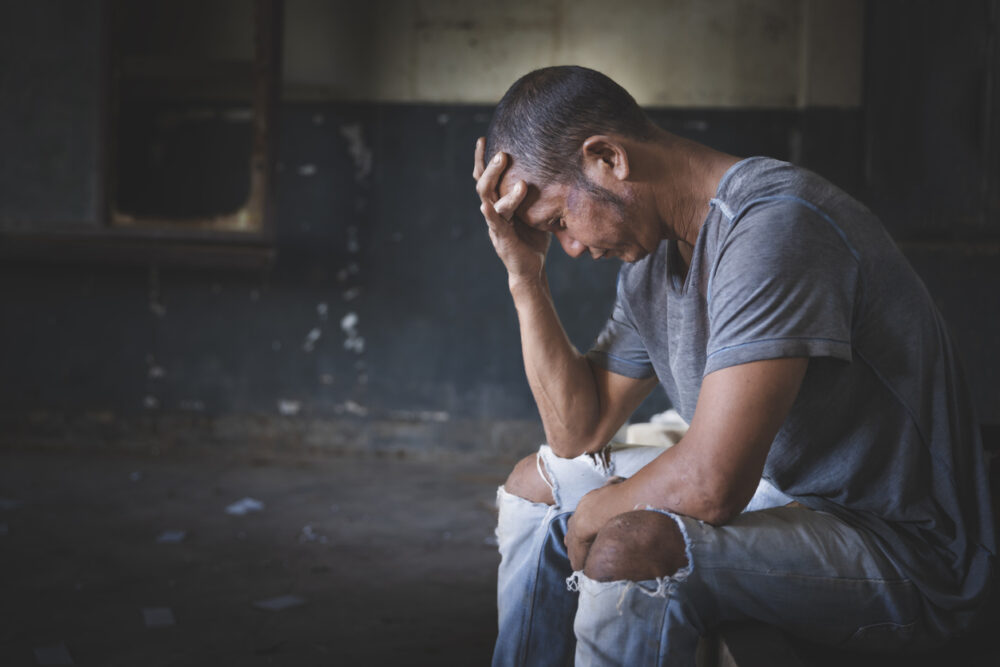
The images flash across the screen—broken windows, flaming cars, and headlines screaming “violence.” But what’s missing are the people behind the protest signs, the mothers begging for housing, or the teenagers trying to make sense of being told they don’t belong. The media too often paints protesters as “thugs” or criminals instead of hurting humans pushed past their limits. When stories flatten complex pain into one-note chaos, the public stops seeing the humanity behind the anger.
That disconnect widens the divide, making it easier to ignore systemic issues. And once someone feels erased by the story being told about them, they get louder—sometimes destructively so. They’re demanding to be seen in a society that prefers them silent. Media coverage has power. It can heal or inflame. Right now, too much of it is fueling fear rather than fostering understanding.
6. Generational trauma leaves communities emotionally raw and reactive.
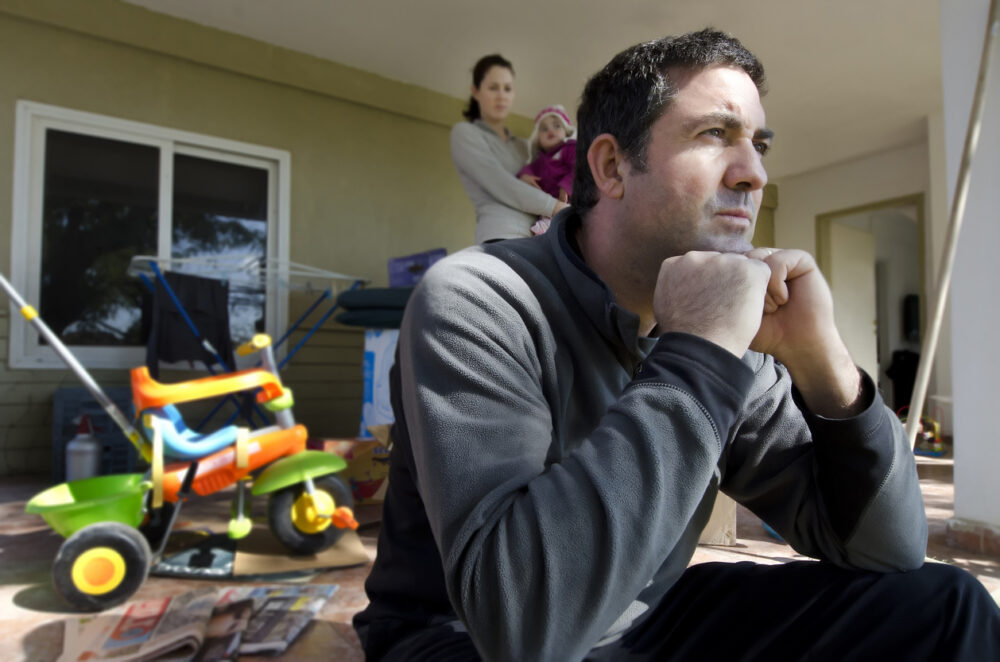
Pain doesn’t disappear—it gets passed down. In communities hit hardest by redlining, police brutality, or displacement, the trauma stacks up. Your parents struggled, their parents struggled, and now you’re drowning too. That collective wound doesn’t just sit quietly—it leaks into everyday life. Reactions get sharper. Trust gets harder. Tempers flare faster. And when a fresh injustice—like harsh immigration raids or rent hikes—triggers that old pain, it all comes spilling out. You’re not just reacting to the moment—you’re reacting to everything before it.
That’s why some protests seem to explode “out of nowhere.” It’s not sudden. It’s cumulative. It was built on generations of ignored pain and unhealed grief. When society refuses to acknowledge that trauma, it guarantees that it will surface again. Not in therapy sessions—but in the streets, with fire and fury and voices too hoarse from screaming for change.
7. Public services are stripped down until people feel abandoned.

What happens when libraries close, schools crumble, buses stop running, and clinics disappear? People start to feel like they’ve been written off. Basic public services aren’t just conveniences—they’re lifelines. When they vanish, so does trust in the system. Suddenly, you’re paying more to get less, or traveling miles just to see a doctor or buy groceries. That stress doesn’t stay bottled up. It turns into resentment. And that resentment fuels unrest.
They’re not just angry about today—they’re furious about years of decline. A bus line vanishes, and a job disappears with it. A school shuts down, and kids lose their shot at mobility. People aren’t born violent—they’re made desperate. And desperate people, when ignored for too long, will make themselves heard however they can.
8. Mass incarceration breaks family structures and community trust.
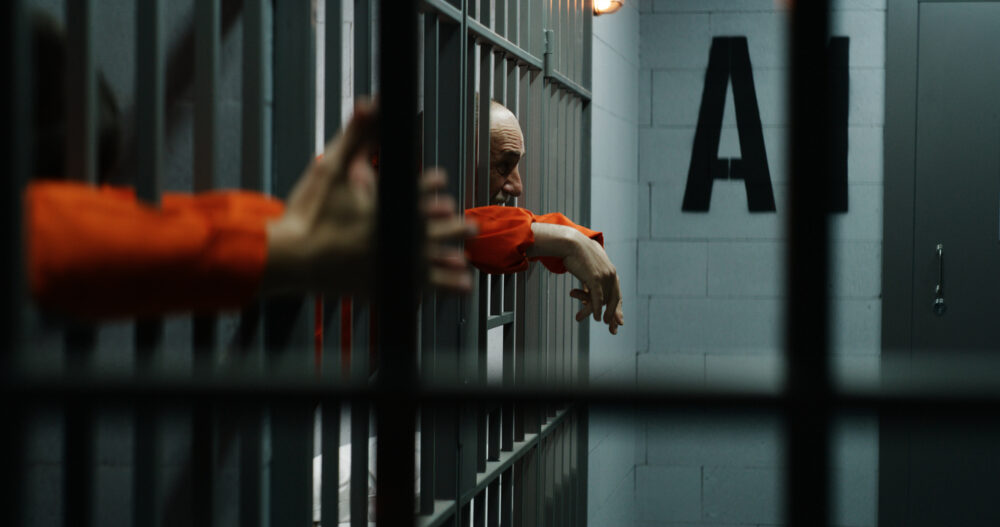
You can’t build strong communities when half the neighborhood has someone behind bars. The U.S. prison system disproportionately targets low-income and minority communities, and the effects ripple outward for generations. Parents vanish for years over nonviolent offenses. Teens grow up learning that jail is inevitable. Families are fractured. Futures are derailed.
The constant threat of incarceration creates a community-wide trauma that’s impossible to overstate. And when people finally snap, it’s not because they’re lawless—it’s because they’re exhausted from being policed instead of protected. In Los Angeles, the fallout of mass incarceration is baked into the current unrest. People aren’t just protesting injustice—they’re living with its aftermath every single day. When the law feels like a trap and freedom feels conditional, rebellion starts to feel like the only honest thing left. Violence isn’t born in a vacuum. It’s born in systems that choose punishment over healing.
9. Immigration crackdowns create fear that spills into violence.

Immigrant communities live with a constant undercurrent of anxiety. Will today be the day someone you love is taken? Will ICE knock on your neighbor’s door? That fear doesn’t stay hidden. It poisons daily life, ruptures community bonds, and turns every knock into a threat. When raids sweep through a city like Los Angeles, people react—not out of rage, but out of fear so deep it turns feral. Protests ignite, tempers flare, and the line between defense and destruction blurs.
These aren’t calculated riots. They’re visceral cries from communities that feel hunted. No one wants to live in a state of siege. But when the government treats you like an enemy, it’s only a matter of time before survival looks like resistance. What’s happening in L.A. right now is a symptom of that. People aren’t just reacting to immigration policy—they’re reacting to being treated as disposable.
10. Political leaders often ignore warning signs until it’s too late.
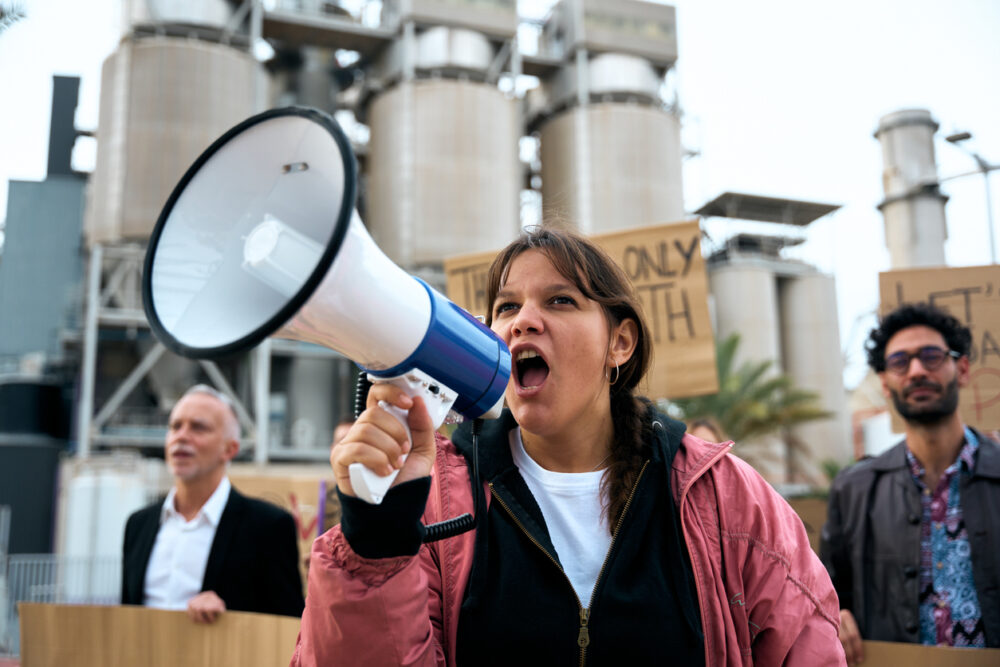
Tensions don’t boil over in silence. They crackle for months—sometimes years—before anyone pays attention. Community organizers, teachers, clergy, and activists wave the red flags. They send the emails, hold the meetings, write the op-eds. But politicians often tune out until the streets are on fire—literally. And by then, the damage is done. People feel ignored, and ignored people act out. What’s happening in Los Angeles right now didn’t come out of nowhere. The signs were there. The fear was rising. But the response came too little, too late.
That delay turns peaceful pleas into explosive protests. Leadership that only reacts to destruction isn’t leadership—it’s damage control. If society really wants to prevent violence, it has to start listening when the tone is still a whisper—not just when it becomes a scream. Until then, unrest will remain the megaphone for the unheard.
11. A lack of mental health support leaves people teetering on the edge.

You can’t tell people to “stay calm” when every resource to help them cope has been gutted. Mental health care in underserved communities is practically nonexistent. Long waitlists, high costs, stigma, and lack of access create a perfect storm. People who are struggling have nowhere to go—so they act out. And when one person unravels, it affects the entire community. The current unrest in Los Angeles is about more than policy. It’s about emotional overload. Decades of trauma, fear, and stress have pushed people past their limit.
Without support, they’re left to process rage and grief in public, raw, and sometimes violent ways. Offering therapy after the fact isn’t enough. Preventing these explosions means investing in care before the match is lit. Mental health isn’t a luxury—it’s a stabilizer. And right now, communities on the edge don’t have it. So they scream, they march, they burn—not because they want to—but because it’s the only release valve left.