
Cutting waste means changing habits—not just swapping bins.
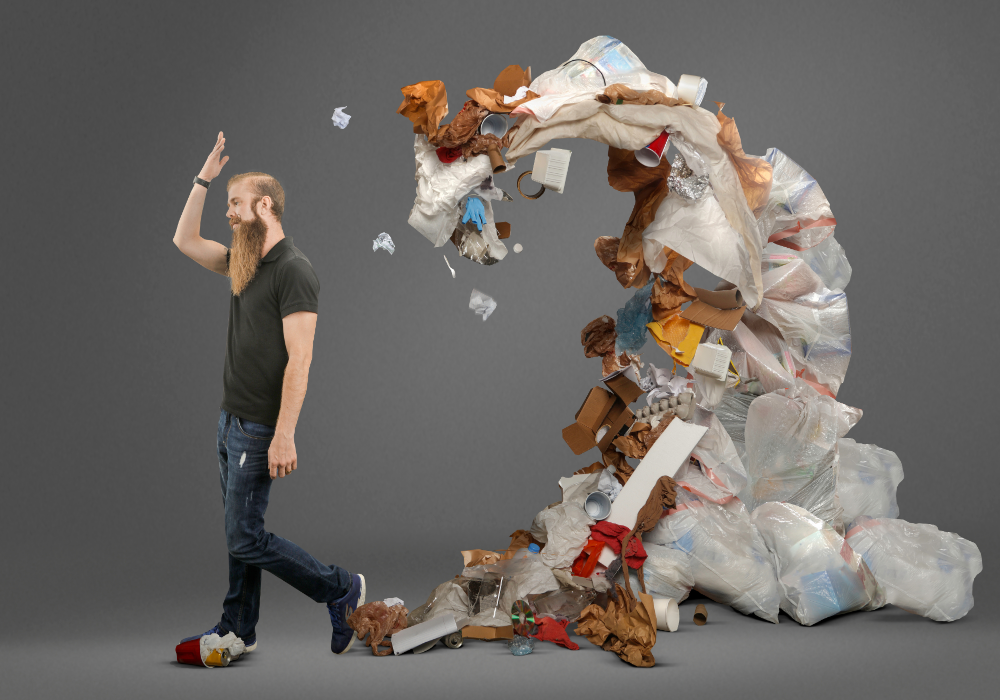
Composting feels like an eco badge of honor. Toss your scraps in the right bin, and suddenly your impact shrinks—right? Not exactly. Composting is great, but it’s not a get-out-of-trash-free card. A lot of waste happens before anything reaches the bin. From how we shop to what we use once and toss, waste is often baked into our routines long before it turns into a peel or wrapper.
The problem isn’t just the final destination of your waste—it’s the systems that produce it and the habits that reinforce it. Composting can’t undo the plastic that came with your produce, the food you forgot in the fridge, or the packaging-heavy impulse buy. It’s a useful tool, but only one piece of the puzzle. If we want to actually reduce waste, we have to start upstream—before we even think about the bin. These habits reveal where composting just isn’t enough on its own.
1. Buying more groceries than you can eat still leads to waste.

Food waste doesn’t always look like tossing out a full plate. Often, it’s those wilted herbs you forgot in the crisper or the leftovers you swore you’d eat but didn’t. Even if you compost the scraps, the resources used to grow, package, and transport that food are already wasted. Compost can help soften the blow, but it doesn’t undo the water, labor, and emissions behind every spoiled item.
Officials at the EPA report in their research that food waste generates more methane in landfills than any other material, accounting for over 50 percent of landfill methane emissions. Being more mindful when shopping, meal planning, and storing food properly goes further than compost alone. It’s not about perfection—it’s about giving your groceries a fighting chance to actually get eaten before they go bad. A good compost pile doesn’t erase a bad fridge habit.
2. Treating takeout as trash-free just because it’s labeled “compostable” misses the point.
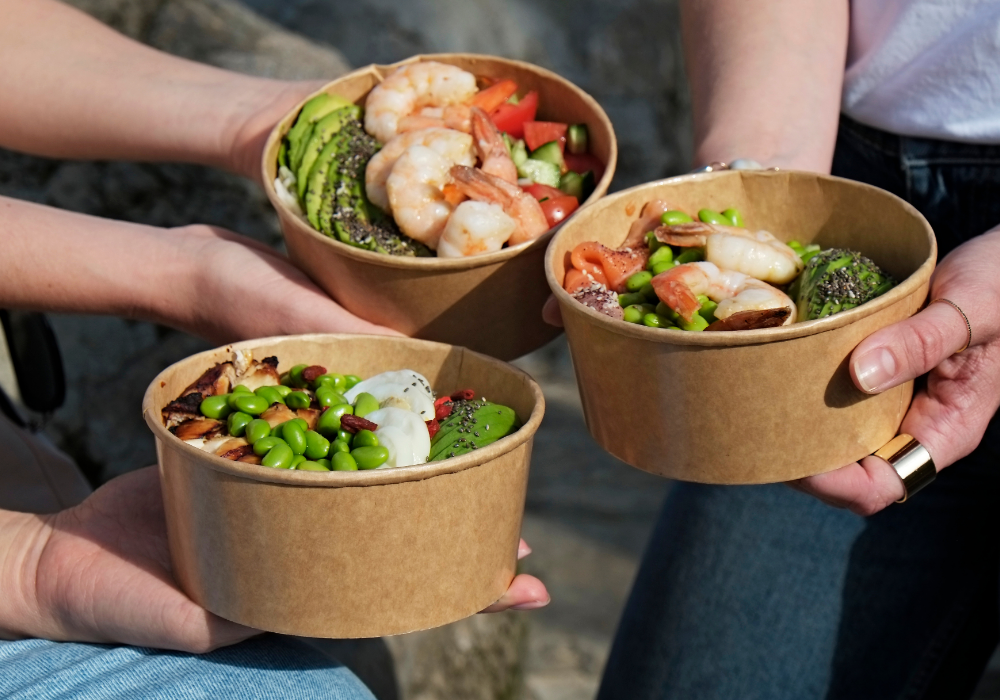
That brown paper bowl and compostable fork might look eco-friendly, but they’re often just landfill-bound in disguise. Writers at Usefull note that most compostable packaging won’t break down in a backyard pile or landfill, and the industrial composting facilities needed to process them are rare.
Toss them in your backyard pile or city trash bin, and they’ll linger just like regular plastic or paperboard. Ordering out every night—even in compostable containers—still creates a pile of single-use waste. From delivery emissions to excess packaging, the convenience adds up. If you’re serious about cutting waste, rethinking frequency and opting for reusable containers when possible has a bigger impact than crossing your fingers over that green label. Compostable packaging is a marketing win, not a silver bullet. You can’t compost your way out of a takeout habit that produces more waste than your bin can fix.
3. Buying trendy “green” products without checking the packaging adds hidden waste.

It’s easy to get excited about low-waste swaps—bamboo toothbrushes, shampoo bars, natural deodorants. But many of these products still come wrapped in plastic or non-recyclable materials. Worse, some “eco” brands use excessive or mixed-material packaging that can’t be processed by most recycling or composting systems.
Ciara James of the Ecology Center highlights how misleading labels and vague claims allow companies to promote plastic-heavy products as sustainable, masking the real waste behind green marketing. Companies bank on the guilt-lowering effect of words like “natural,” “compostable,” or “sustainable,” even if the full product lifecycle tells a different story. A shampoo bar in plastic wrap still adds to the pile.
If you’re buying a sustainable product that comes with waste you can’t compost or recycle, it’s still waste. Choosing fewer items, prioritizing truly minimal packaging, or supporting local refill shops makes a bigger dent than hoarding eco swaps that add clutter to your shelf—and your bin.
4. Letting kitchen scraps rot in a plastic trash bag defeats the purpose.

You might have good intentions, but if your food waste ends up in the trash, it’s not helping the planet. Organic matter like fruit peels, coffee grounds, and veggie scraps break down in oxygen-rich compost systems—but in a plastic garbage bag, they turn anaerobic. That means more methane, one of the most potent greenhouse gases, leaking from landfills.
This is where composting should be a part of the solution. But it has to be done properly. If you don’t have access to a compost pickup service or bin, tossing food in the trash undoes the effort. Community drop-off programs, backyard piles, or even vermicomposting (worms!) can offer alternatives. It’s not just about getting rid of scraps—it’s about making sure they return to the soil without dragging methane emissions along with them.
5. Treating clothing like fast fashion—even secondhand—is still wasteful.

Buying secondhand is a great way to cut down on fashion waste, but the mindset matters too. If you treat thrift stores like a revolving closet, buying more than you need and donating just as fast, you’re still fueling the cycle.
Most donated clothes don’t end up being worn again—they’re shipped overseas, downcycled, or trashed. Composting textiles is tricky, too. Unless a shirt is 100% natural fiber with no dyes, stitching, or tags, it won’t break down in a home compost pile.
Even industrial composters struggle with blends. Instead of viewing secondhand shopping as a waste-free pass, slow down. Buy less. Repair what you have. Appreciate clothes as resources—not just aesthetic statements. Compost doesn’t cover a habit of overconsumption, even when the price tag feels guilt-free.
6. Tossing “biodegradable” plastics in the compost just creates more landfill.
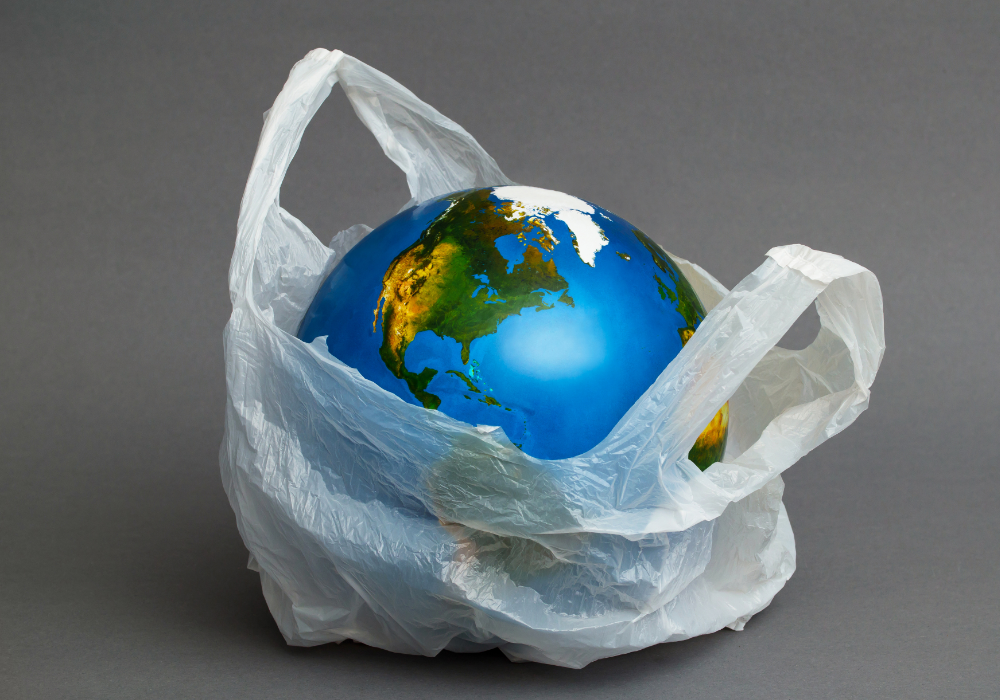
Biodegradable plastic sounds like a dream—throw it in the compost, and it vanishes, right? Not quite. Most biodegradable plastics need specific industrial conditions to break down, including high heat and controlled microbes. Toss them in your backyard pile, and they’ll sit there as stubbornly as regular plastic. In a landfill, they may degrade unevenly, releasing methane in the process.
What’s worse, they often get mixed with food scraps in compost collections, contaminating otherwise usable soil. That means entire batches can be trashed. These materials confuse consumers and overload waste systems that weren’t built to handle them. If you really want to cut plastic, skip the biodegradable versions and go straight to reusable or truly compostable options like unlined paper. Compost can do a lot—but it can’t fix wishful thinking.
7. Throwing away worn-out sponges every week adds up fast.
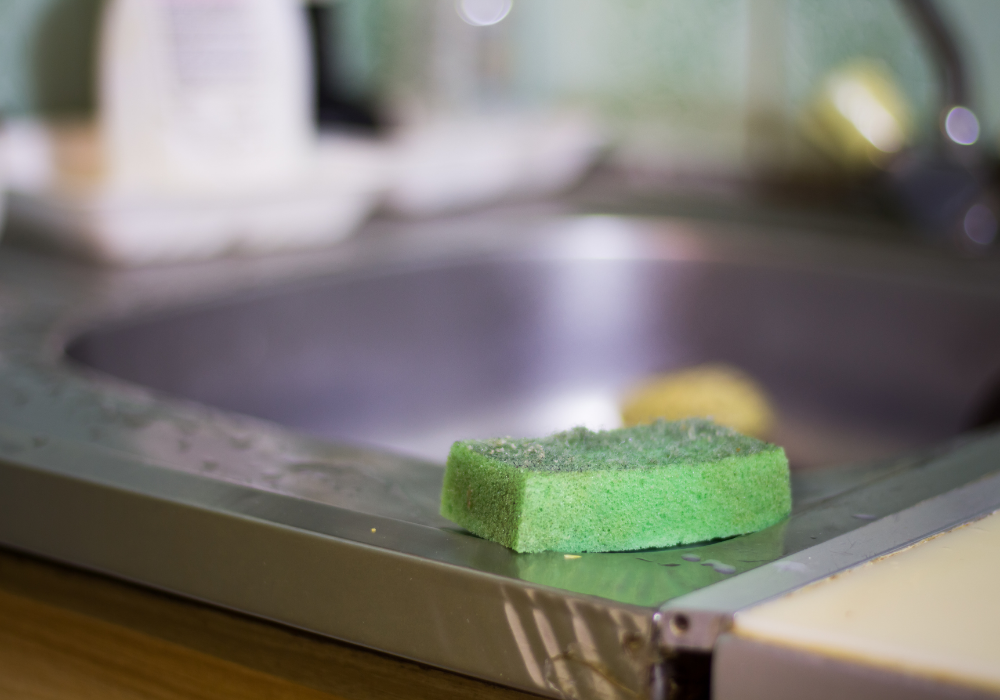
Sponges seem small and harmless—until you realize how often they get tossed. Many kitchen sponges are made from synthetic materials like polyurethane, which don’t break down in landfills or compost piles. Even “natural” ones are often treated with chemicals or bound with synthetic glue, making them just as problematic. Weekly replacements might feel necessary, but they’re quietly piling up as waste.
There are better options. Cellulose sponges, compostable scrubbers, and even washable cloths last longer and break down more cleanly. And they don’t require constant replacing. If you clean them properly—microwaving when damp or running them through the dishwasher—they hold up well without becoming bacteria bombs. Swapping your sponge habit won’t save the planet on its own, but it’s a small daily choice that cuts recurring waste from your routine. Compost can’t undo weekly plastic trash, but better tools can stop it at the source.
8. Using paper towels like napkins turns forests into landfill.

Paper towels are easy. Tear, wipe, toss. But that convenience adds up. They’re single-use, resource-heavy, and rarely recyclable—especially when used on grease or chemicals. Even if they’re labeled “compostable,” that only applies to clean paper towels. Once you’ve wiped a countertop or cleaned up food, they’re contaminated and often landfill-bound.
It’s not about never using them. It’s about not treating them like a default for everything. Reusable cloths, rags, and napkins take the pressure off your compost bin and let trees stay in the ground a little longer.
Even cutting your paper towel use in half makes a noticeable difference over time. Composting a few dirty towels is better than nothing—but not using them in the first place is better still. Paper waste isn’t just about the paper. It’s about the forests, water, and energy that disappear with each toss.
9. Stockpiling “just in case” items creates more waste than you think.
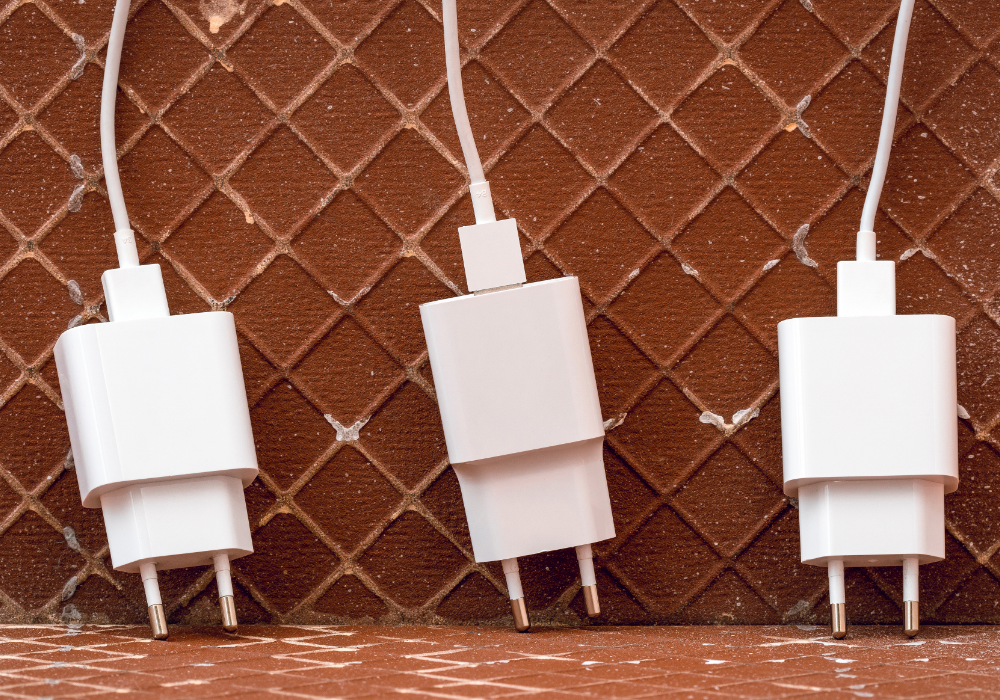
We all do it—hold onto old chargers, expired sunscreen, takeout utensils, or freebies “just in case.” But more often than not, these items sit unused until they get tossed in a clean-out frenzy. And once that happens, very little gets composted or recycled.
Most of it ends up in the trash, clogging landfills with plastic and mixed materials that take decades to break down. This kind of passive accumulation creates a false sense of preparedness. It feels like you’re saving useful things, but really you’re just postponing their trip to the bin. Mindful decluttering and conscious consumption go hand in hand. If you don’t need it now and won’t use it soon, it’s worth reconsidering. Compost doesn’t apply here—but restraint does. Cutting down on what you let in can save more waste than anything you sort at the end.
10. Throwing broken electronics in the trash is a missed opportunity.
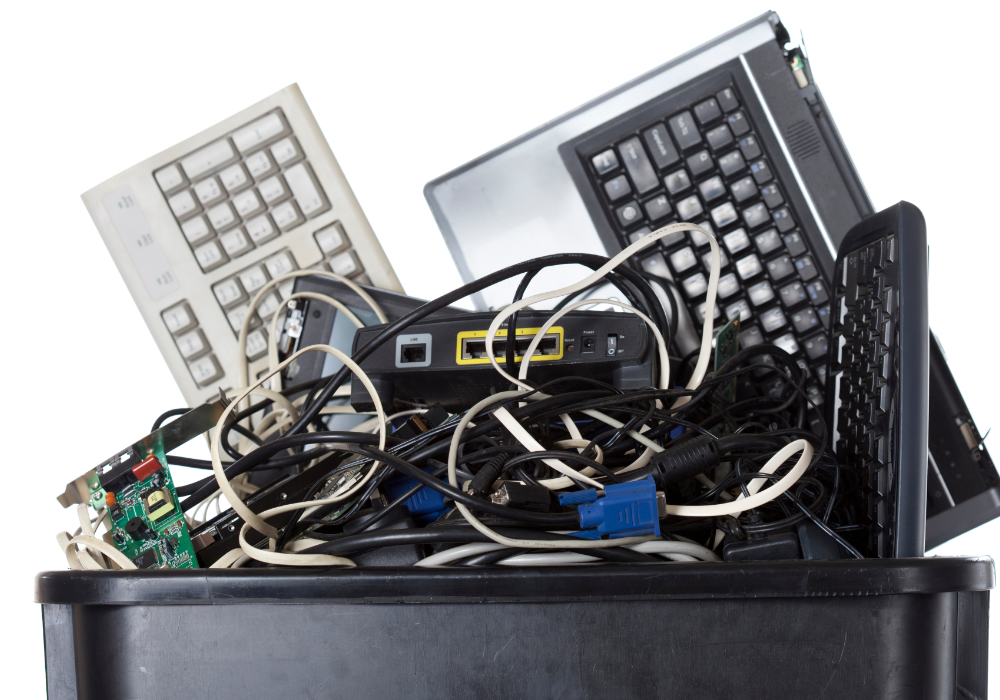
E-waste is one of the fastest-growing waste streams in the world, and yet many people still toss broken headphones, cords, or small appliances in the trash. Compost can’t do anything about a busted phone or keyboard, and landfills definitely can’t handle the heavy metals, plastics, and rare minerals inside them. These items not only persist—they leak toxins. Most cities have electronic waste collection days or designated drop-off centers. Some retailers even offer mail-back programs or in-store recycling.
It’s a little extra effort, but it keeps harmful components out of the soil and gives materials a second life. Tossing electronics is more than just wasteful—it’s hazardous. Even the most committed composters need to think beyond the bin when it comes to tech.
11. Buying gifts out of obligation turns into trash nobody wants.

It’s easy to get caught up in gifting seasons—holidays, birthdays, baby showers, and housewarmings. But many of these gifts end up in donation piles or the trash within months. Overpackaged bath sets, novelty mugs, or plastic trinkets don’t just create clutter—they generate serious waste, especially when multiplied across millions of households.
Compost can’t break down synthetic wrapping paper or scented candles in glass jars. If you’re buying to check a box, it’s worth pausing. There are other ways to show up: homemade gifts, experiences, or useful items with minimal packaging. Reducing waste sometimes means rethinking what it means to be thoughtful. Composting a gift bag won’t undo the environmental cost of an unwanted object. But shifting the way we give can stop waste before it starts.